
The Best Way to Cool an Older Riverwest Home without Existing Ductwork
Cooling a historic Riverwest home without ductwork presents unique challenges. Many of the neighborhood’s charming bungalows and duplexes were built before central air conditioning existed. Traditional ductwork installation would require extensive demolition of original plaster walls and hardwood floors. That’s why ductless mini-split systems have become the smart solution for Riverwest homeowners seeking modern comfort while preserving their home’s character. Finding the Best Central Air Conditioning Installation in Brookfield.
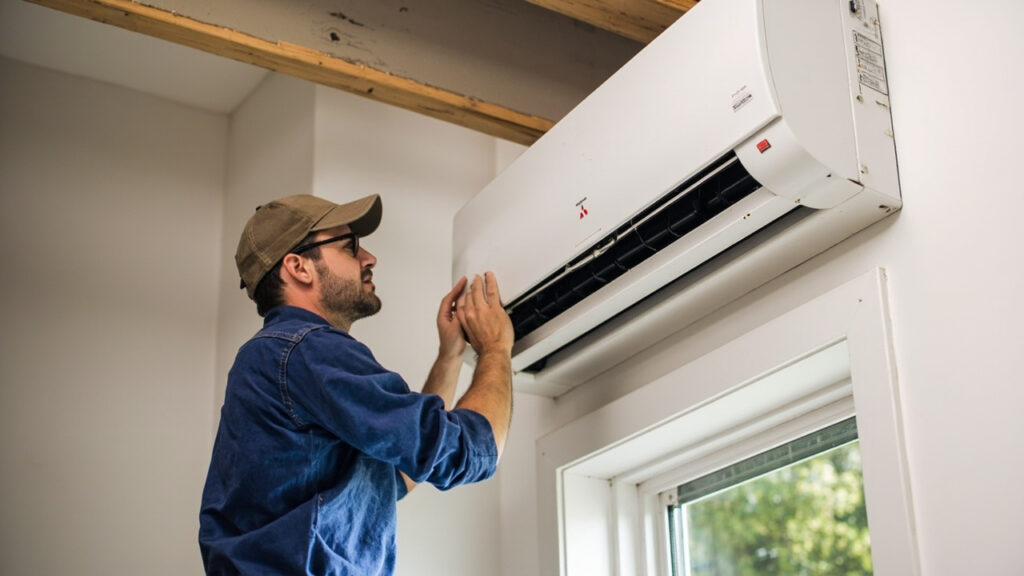
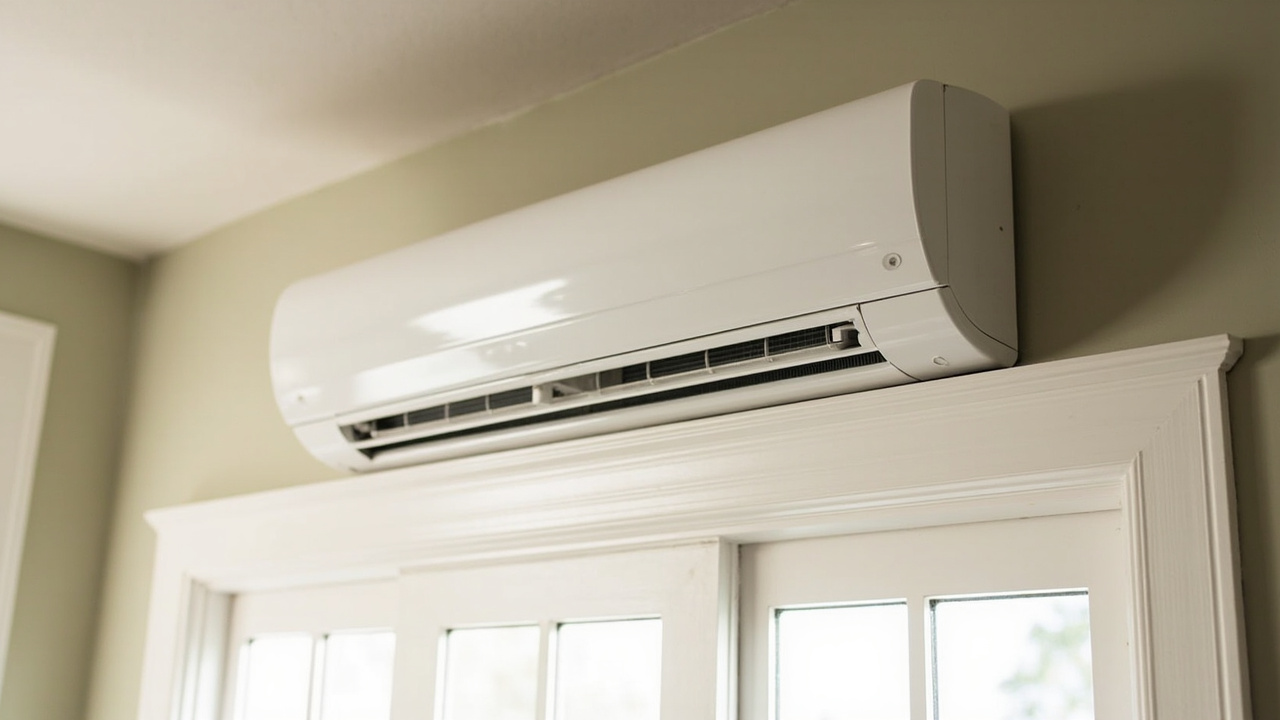
Ductless mini-splits offer zoned cooling without the need for invasive construction. These systems use small refrigerant lines that run through a three-inch hole in the wall. The indoor air handlers mount high on walls or ceilings while the outdoor condenser sits outside. This approach works perfectly for Riverwest’s architectural styles including bungalows craftsman homes and historic duplexes.
Riverwest’s climate creates specific cooling demands. Summer humidity from Lake Michigan can make indoor temperatures feel much hotter than the actual reading. Older homes with single-pane windows and minimal insulation struggle to maintain comfortable temperatures. A properly sized ductless system addresses both cooling and dehumidification needs specific to Milwaukee’s weather patterns.
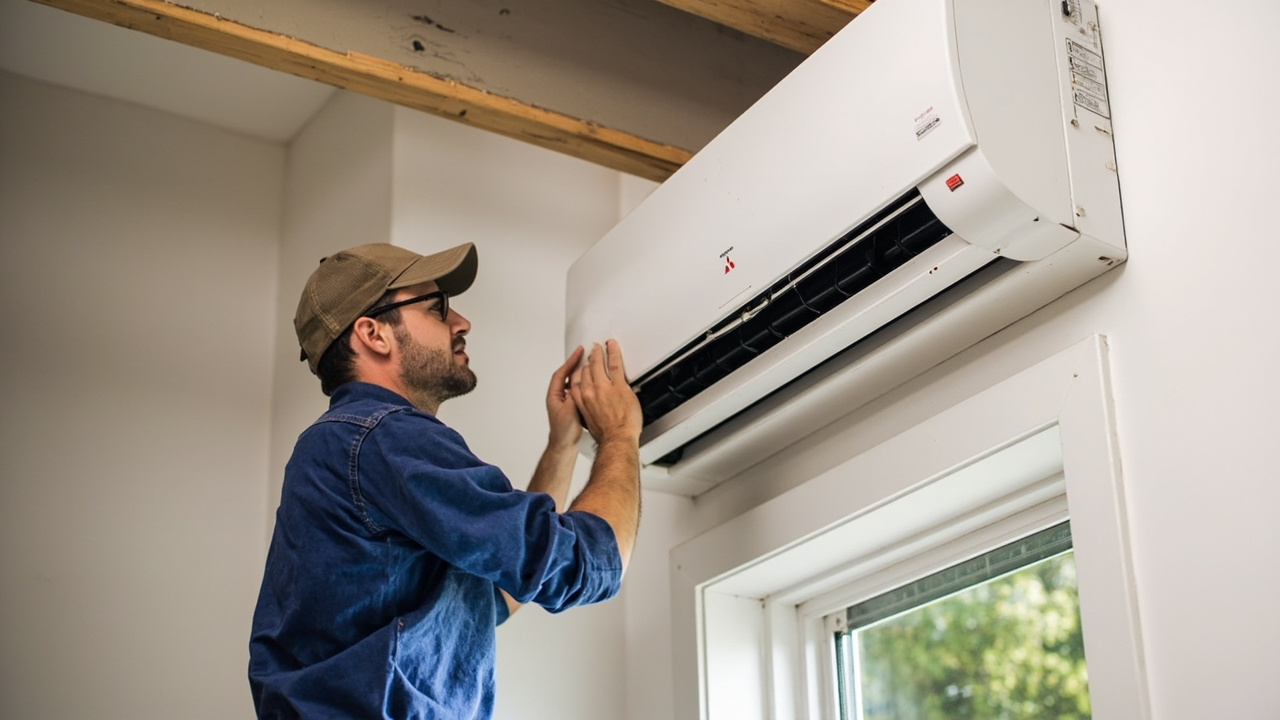
Installation typically takes one day with minimal disruption. Technicians mount indoor units strategically for optimal airflow. The outdoor condenser placement considers both aesthetics and local noise ordinances. Most Riverwest homes need one to three indoor units depending on square footage and room layout.
Energy efficiency represents another major advantage. Modern mini-splits achieve SEER2 ratings of 20 or higher. This means lower utility bills compared to window units or inefficient central systems. Many Riverwest homeowners see energy savings of 30% or more after switching to ductless cooling.
Why Riverwest Homeowners Are Switching to Ductless Cooling
Riverwest’s housing stock creates specific cooling challenges. Many homes built between 1900 and 1940 lack the space for traditional ductwork. The thick plaster walls and original woodwork make retrofitting difficult. Ductless systems solve these problems while maintaining architectural integrity.
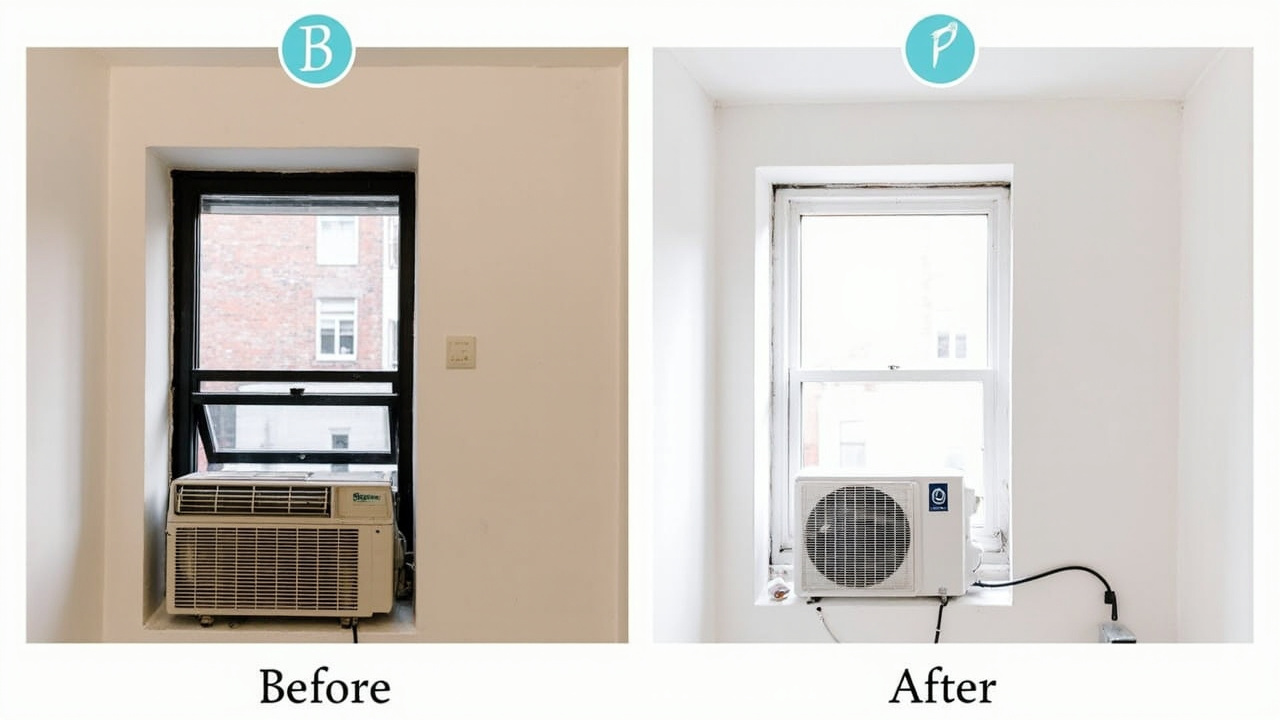
Older boilers provide excellent winter heat but cannot cool homes in summer. Window units create security concerns and block natural light. They also struggle with Milwaukee’s high humidity. Ductless systems provide quiet efficient cooling without these drawbacks.
Riverwest’s urban density creates noise considerations. Window units generate significant sound both inside and outside homes. Ductless indoor units operate at whisper-quiet levels often below 25 decibels. This matters in close-knit neighborhoods where windows stay open during summer evenings.
Energy costs continue rising in Wisconsin. Older cooling methods waste electricity. Ductless systems use inverter technology to adjust compressor speed based on cooling demand. This prevents the energy spikes of traditional AC units cycling on and off.
Property values benefit from modern cooling upgrades. Potential buyers view ductless systems as premium features. The systems work well with Riverwest’s mix of owner-occupied and rental properties. Each unit can be controlled independently which appeals to multi-family situations common in the neighborhood.
Our Specialized Mini-Split Services for 53212 Residents
We understand Riverwest’s specific needs. Our technicians know the architectural styles common to the 53212 ZIP code. We’ve worked on homes near Bremen Park Center Street and the Riverwest neighborhood center. This local experience helps us recommend optimal unit placement and system sizing.
Initial consultations include home assessment. We evaluate insulation levels window orientation and existing heating systems. This analysis ensures proper system design for Milwaukee’s climate. We consider factors like sun exposure from Lake Michigan and prevailing wind patterns.
Permitting follows Milwaukee’s specific requirements. We handle all necessary approvals from the city. This includes electrical permits and any historic district considerations for homes near Locust Street or other designated areas.
Installation uses specialized techniques for older homes. We protect original finishes during mounting. Our teams understand how to work with plaster walls without causing damage. We also ensure proper drainage away from foundations common in Riverwest’s older construction.
Post-installation support includes system optimization. We program units for Milwaukee’s seasonal patterns. This includes setting up automatic switching between cooling and heating modes when applicable. Our service area covers all of Riverwest plus nearby neighborhoods like East Side and Harambee.
Multi-Zone vs. Single-Zone Systems for Milwaukee Bungalows
Single-zone systems work well for smaller Riverwest homes under 1000 square feet. One outdoor unit connects to one indoor air handler. This setup costs less upfront and works for open floor plans typical of bungalows. The system cools the entire space from one location.
Multi-zone systems offer individual room control. One outdoor unit connects to multiple indoor air handlers. Each zone has its own thermostat. This works better for larger homes or those with closed floor plans. Riverwest’s two-story homes often benefit from multi-zone setups.
Cost differences vary by home size. Single-zone installations typically run $3000 to $5000. Multi-zone systems range from $6000 to $12000 depending on the number of zones. Both qualify for Focus on Energy rebates which can offset 15% to 30% of costs. Focus on Energy Wisconsin.
Energy efficiency varies between types. Single-zone systems operate at peak efficiency when cooling entire homes. Multi-zone systems save energy by cooling only occupied rooms. For Riverwest’s mixed-use properties multi-zone often provides better long-term savings.
Installation complexity differs significantly. Single-zone requires minimal indoor unit placement. Multi-zone needs careful planning to balance refrigerant lines and ensure even cooling. Our technicians help determine which approach suits your specific home layout.
Table: Single-Zone vs Multi-Zone Comparison
| Feature | Single-Zone | Multi-Zone |
|---|---|---|
| Initial Cost | $3000-$5000 | $6000-$12000 |
| Typical Home Size | Under 1000 sq ft | 1000+ sq ft |
| Installation Time | 4-6 hours | 1-2 days |
| Energy Savings | 20-30% | 30-40% |
| Best For | Bungalows | Multi-story homes |
Benefits: Energy Efficiency and Precise Climate Control
Ductless systems achieve superior efficiency through inverter technology. Traditional AC units cycle on and off completely. This creates temperature swings and wastes energy. Inverter-driven compressors adjust speed continuously to maintain exact temperatures.
SEER2 ratings indicate efficiency levels. Modern mini-splits achieve 20 to 24 SEER2. This exceeds most central air systems which typically rate 14 to 18 SEER2. Higher SEER2 means lower electricity consumption and smaller carbon footprints.
Humidity control matters in Milwaukee’s climate. Window units cool but often fail to dehumidify effectively. This leaves homes feeling clammy. Ductless systems remove significant moisture while cooling. This creates more comfortable indoor environments at higher temperature settings.
Zone control provides personalized comfort. Each indoor unit operates independently. Family members can set different temperatures in various rooms. This eliminates thermostat wars common in homes with single cooling systems.
Air quality improves with advanced filtration. Most indoor units include multi-stage filters. These capture dust pollen and other allergens. This benefits Riverwest residents who suffer from seasonal allergies or asthma.
Quiet operation enhances quality of life. Indoor units produce sound levels around 19 to 30 decibels. This compares to rustling leaves or quiet conversation. Outdoor units also operate more quietly than traditional condensers. Bay View Heat Pump Installers for Year Round Comfort and Efficiency.
The Installation Process: What to Expect in Your Riverwest Home
Day one begins with protection of your home. Our teams lay floor runners and use drop cloths. We protect walls and furniture during the installation process. This matters in Riverwest’s older homes with original finishes.
Mounting indoor units requires careful planning. We locate optimal positions for airflow and aesthetics. Typical mounting height ranges from 6 to 8 feet on interior walls. We avoid exterior walls when possible to minimize line set exposure.
Refrigerant line installation follows specific procedures. We drill a three-inch hole through exterior walls. This hole gets sealed and insulated to prevent air leaks. Lines run through walls or along baseboards depending on your home’s construction.
Outdoor unit placement considers multiple factors. We need level ground with proper clearance. Units must sit at least 12 inches from walls and 24 inches from any obstructions. Noise considerations matter in Riverwest’s dense neighborhoods.
Electrical connections require licensed electricians. We coordinate all necessary electrical work. This includes dedicated circuits for each indoor unit and proper grounding. All work meets Milwaukee’s electrical code requirements.
System testing ensures optimal performance. We check refrigerant levels and verify airflow. We program thermostats and demonstrate system operation. This includes showing you how to clean filters and perform basic maintenance. The Most Trusted AC Maintenance Experts in West Allis.
Cost and Rebates: Focus on Energy® Incentives for Wisconsin Homeowners
System costs vary by home size and complexity. Basic single-zone installations start around $3000. Multi-zone systems for larger homes range from $6000 to $12000. These prices include equipment and professional installation. Professional Duct Cleaning for Better Air Quality in Menomonee Falls.
Focus on Energy offers substantial rebates. Wisconsin residents can receive $250 to $1000 per system. Multi-zone setups qualify for higher rebates. These incentives significantly reduce upfront costs for Riverwest homeowners.
Utility companies provide additional incentives. WE Energies customers may qualify for separate rebates. These often stack with Focus on Energy programs. Combined incentives can reduce costs by 30% to 40%. EPA Energy Efficiency Guidelines.
Energy savings provide long-term financial benefits. Most homeowners recover installation costs within 3 to 5 years through reduced utility bills. This payback period shortens with rising energy costs.
Financing options make systems more accessible. Many homeowners use home improvement loans or HVAC-specific financing. Some manufacturers offer promotional financing with deferred interest.
Table: Cost Breakdown and Incentives
| Component | Typical Cost | Focus on Energy Rebate | Net Cost |
|---|---|---|---|
| Single-Zone System | $3500 | $400 | $3100 |
| Multi-Zone (2 zones) | $7000 | $800 | $6200 |
| Multi-Zone (3 zones) | $10000 | $1000 | $9000 |
Frequently Asked Questions About Ductless AC in Milwaukee
How long do ductless mini-split systems last?
Quality systems typically last 15 to 20 years with proper maintenance. Regular filter cleaning and annual professional service extend system life. Milwaukee’s climate requires systems that handle both summer cooling and winter heating if you choose a heat pump model.
Can ductless systems provide heat in winter?
Yes. Many mini-split systems function as heat pumps. They extract heat from outdoor air even in cold temperatures. Modern cold-climate models operate efficiently down to -13°F. This makes them suitable for Milwaukee’s winters.
Will installation damage my historic home?
Professional installation minimizes impact on historic homes. We use techniques specific to older construction. Small holes get sealed and patched. Most work happens inside walls or above ceilings where damage remains invisible.
How do ductless systems compare to window units for energy costs?
Ductless systems use 30% to 50% less electricity than window units. They cool more effectively while using less power. Over a typical summer this can save $200 to $400 on cooling costs.
Do I need permits for ductless installation in Milwaukee?
Yes. Milwaukee requires electrical permits for ductless installations. We handle all permitting as part of our service. This ensures work meets local code requirements and passes inspection. HVAC Inspection.
How noisy are indoor units?
Indoor units operate at 19 to 30 decibels. This compares to quiet library levels or rustling leaves. Most people find the sound barely noticeable even in quiet rooms.
What maintenance do ductless systems require?
Basic maintenance includes monthly filter cleaning. This takes about 10 minutes per unit. Annual professional service checks refrigerant levels and cleans coils. These simple steps keep systems running efficiently for years.
Can I install units myself to save money?
We strongly recommend professional installation. Systems require proper refrigerant charging and electrical connections. DIY installation often voids warranties and can cause expensive damage. Professional installation ensures optimal performance and protects your investment.
Ready to enjoy comfortable cooling in your Riverwest home? Our experienced team understands the unique challenges of cooling historic Milwaukee homes without ductwork. We offer free consultations to assess your specific needs and recommend the best solution for your home and budget.
Call us today at (414) 375-7888 to schedule your consultation. We serve all of Riverwest and surrounding Milwaukee neighborhoods. Don’t wait for another hot humid summer day to make your home comfortable. Our team is ready to help you discover the benefits of modern ductless cooling technology.
Visit our website to learn more about our comprehensive HVAC services including installation maintenance and emergency repairs. We’re committed to keeping Milwaukee homes comfortable year-round with energy-efficient solutions tailored to our local climate and architecture.
{
“@context”: “https://schema.org”,
“@type”: “BlogPosting”,
“headline”: “The Best Way to Cool an Older Riverwest Home without Existing Ductwork”,
“description”: “Expert ductless cooling solutions for Riverwest’s historic homes. Learn about mini-splits, Focus on Energy rebates, and installation for bungalows without ductwork.”,
“wordCount”: 2003,
“datePublished”: “2026-03-07T10:27:00.000Z”,
“dateModified”: “2026-03-07T10:27:00.000Z”,
“inLanguage”: “en-US”,
“mainEntityOfPage”: {
“@type”: “WebPage”,
“@id”: “https://eliteheatingandcoolingmilwaukee.com”
},
“publisher”: {
“@type”: “LocalBusiness”,
“name”: “Elite Heating and Cooling Milwaukee”,
“url”: “https://eliteheatingandcoolingmilwaukee.com”
},
“author”: {
“@type”: “Organization”,
“name”: “Elite Heating and Cooling Milwaukee”,
“url”: “https://eliteheatingandcoolingmilwaukee.com”
},
“image”: {
“@type”: “ImageObject”,
“url”: “https://eliteheatingandcoolingmilwaukee.com/wp-content/uploads/2026/03/the-best-way-to-cool-an-older-riverwest-home-witho-1.jpg”
}
}
{
“@context”: “https://schema.org”,
“@type”: “HVACBusiness”,
“name”: “Elite Heating and Cooling Milwaukee”,
“url”: “https://eliteheatingandcoolingmilwaukee.com”,
“address”: {
“@type”: “PostalAddress”,
“addressLocality”: “Milwaukee”
},
“areaServed”: {
“@type”: “City”,
“name”: “Milwaukee”
}
}
{
“@context”: “https://schema.org”,
“@type”: “FAQPage”,
“mainEntity”: [
{
“@type”: “Question”,
“name”: “How long do ductless mini-split systems last?”,
“acceptedAnswer”: {
“@type”: “Answer”,
“text”: “Quality systems typically last 15 to 20 years with proper maintenance. Regular filter cleaning and annual professional service extend system life. Milwaukee’s climate requires systems that handle both summer cooling and winter heating if you choose a heat pump model.”
}
},
{
“@type”: “Question”,
“name”: “Can ductless systems provide heat in winter?”,
“acceptedAnswer”: {
“@type”: “Answer”,
“text”: “Yes. Many mini-split systems function as heat pumps. They extract heat from outdoor air even in cold temperatures. Modern cold-climate models operate efficiently down to -13°F. This makes them suitable for Milwaukee’s winters.”
}
},
{
“@type”: “Question”,
“name”: “Will installation damage my historic home?”,
“acceptedAnswer”: {
“@type”: “Answer”,
“text”: “Professional installation minimizes impact on historic homes. We use techniques specific to older construction. Small holes get sealed and patched. Most work happens inside walls or above ceilings where damage remains invisible.”
}
},
{
“@type”: “Question”,
“name”: “How do ductless systems compare to window units for energy costs?”,
“acceptedAnswer”: {
“@type”: “Answer”,
“text”: “Ductless systems use 30% to 50% less electricity than window units. They cool more effectively while using less power. Over a typical summer this can save $200 to $400 on cooling costs.”
}
},
{
“@type”: “Question”,
“name”: “Do I need permits for ductless installation in Milwaukee?”,
“acceptedAnswer”: {
“@type”: “Answer”,
“text”: “Yes. Milwaukee requires electrical permits for ductless installations. We handle all permitting as part of our service. This ensures work meets local code requirements and passes inspection. HVAC Inspection.”
}
},
{
“@type”: “Question”,
“name”: “How noisy are indoor units?”,
“acceptedAnswer”: {
“@type”: “Answer”,
“text”: “Indoor units operate at 19 to 30 decibels. This compares to quiet library levels or rustling leaves. Most people find the sound barely noticeable even in quiet rooms.”
}
},
{
“@type”: “Question”,
“name”: “What maintenance do ductless systems require?”,
“acceptedAnswer”: {
“@type”: “Answer”,
“text”: “Basic maintenance includes monthly filter cleaning. This takes about 10 minutes per unit. Annual professional service checks refrigerant levels and cleans coils. These simple steps keep systems running efficiently for years.”
}
},
{
“@type”: “Question”,
“name”: “Can I install units myself to save money?”,
“acceptedAnswer”: {
“@type”: “Answer”,
“text”: “We strongly recommend professional installation. Systems require proper refrigerant charging and electrical connections. DIY installation often voids warranties and can cause expensive damage. Professional installation ensures optimal performance and protects your investment.”
}
}
]
}
{
“@context”: “https://schema.org”,
“@type”: “BreadcrumbList”,
“itemListElement”: [
{
“@type”: “ListItem”,
“position”: 1,
“name”: “Home”,
“item”: “https://eliteheatingandcoolingmilwaukee.com”
},
{
“@type”: “ListItem”,
“position”: 2,
“name”: “Blog”,
“item”: “https://eliteheatingandcoolingmilwaukee.com/blog”
},
{
“@type”: “ListItem”,
“position”: 3,
“name”: “The Best Way to Cool an Older Riverwest Home without Existing Ductwork”
}
]
}
{
“@context”: “https://schema.org”,
“@type”: “Service”,
“serviceType”: “HVAC”,
“provider”: {
“@type”: “LocalBusiness”,
“name”: “Elite Heating and Cooling Milwaukee”,
“url”: “https://eliteheatingandcoolingmilwaukee.com”
},
“areaServed”: {
“@type”: “City”,
“name”: “Milwaukee”
},
“description”: “Expert ductless cooling solutions for Riverwest’s historic homes. Learn about mini-splits, Focus on Energy rebates, and installation for bungalows without ductwork.”
}