
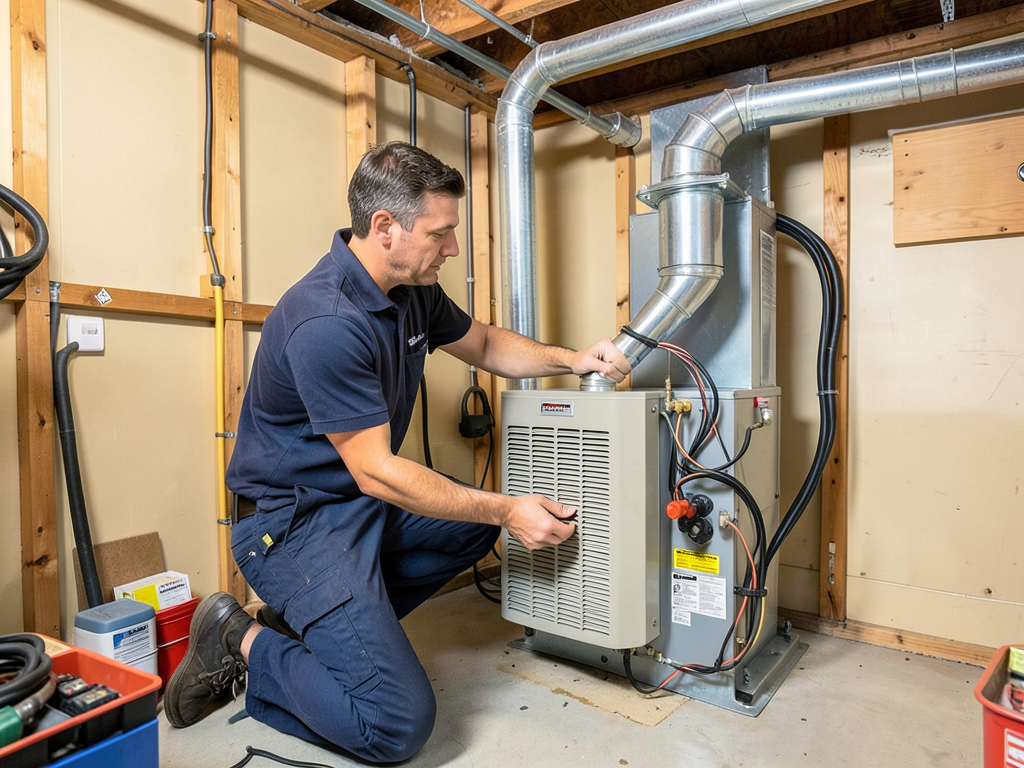
Everything You Need to Know About Installing a Garage Heater for Your Germantown Workshop
Winter in Wisconsin hits hard. Your garage workshop in Germantown can turn into a frozen workspace without proper heating. Installing a garage heater transforms your space into a year-round workshop while protecting your vehicles and tools from extreme cold. Bay View Heat Pump Installers for Year Round Comfort and Efficiency.
Before you start shopping for units or calling contractors you need to understand what makes garage heating in our area different from other parts of the country. The combination of sub-zero temperatures high humidity and local building codes creates specific requirements that affect everything from heater selection to installation methods.
Why Garage Heating Matters in Germantown
Germantown sits in the heart of Wisconsin’s cold zone. Winter temperatures regularly drop below zero and Lake Michigan’s influence creates high humidity that makes the cold feel even more intense. Without proper heating your garage becomes unusable for months each year. AC Service Germantown.
Beyond comfort there are practical reasons to heat your garage. Cold starts are tough on vehicle engines. Starting a car at -10°F causes significantly more wear than starting at 40°F. A heated garage keeps your engine closer to operating temperature reducing wear and improving fuel efficiency.
Many Germantown homes have attached garages. Frozen pipes in garage walls can burst and cause extensive water damage. Heating prevents this risk. Plus if you use your garage as a workshop hobby space or home gym you need temperatures above freezing to work safely and comfortably.
Types of Garage Heaters Available
Choosing the right heater depends on your space fuel availability and budget. Each type has specific advantages for Wisconsin conditions.
Forced Air Gas Heaters use natural gas or propane to heat air and blow it into the space. These units heat up quickly and work well for large areas. Brands like Modine Hot Dawg and Reznor are popular in our area because they handle Wisconsin’s cold efficiently.
Radiant Infrared Heaters warm objects and people directly rather than heating air. These work well for workshops where you stay in one area. They’re quiet and don’t stir up dust making them good for woodworking or painting projects.
Electric Unit Heaters offer simple installation without gas lines or venting. They work best for smaller spaces or as supplemental heat. The downside is higher operating costs in Wisconsin where electricity rates are above the national average.
Propane Heaters provide flexibility if natural gas isn’t available. Modern propane units are efficient and can be converted from natural gas models. You’ll need proper ventilation and a propane tank installation.
Understanding BTU Requirements for Wisconsin
BTU stands for British Thermal Unit. This measures how much heat a heater produces. In Wisconsin you need more heating power than in milder climates because of our extreme temperature swings.
For a typical 2-car garage in Germantown about 400-500 square feet you need approximately 30000-45000 BTUs for adequate heating during polar vortex events. A 3-car garage requires 45000-60000 BTUs.
These numbers assume average insulation. If your garage has poor insulation or many windows you might need 20-30% more heating capacity. Older homes in neighborhoods like Rockfield or east of Appleton Avenue often have less insulation than newer construction.
Altitude affects heating too. Germantown sits around 700 feet above sea level. This slightly reduces the efficiency of gas heaters compared to sea level but the difference is minimal for our purposes.
The Installation Process Step by Step
Professional installation ensures safety and efficiency. Here’s what happens during a typical garage heater installation. Professional Duct Cleaning for Better Air Quality in Menomonee Falls.
Site Assessment begins with evaluating your garage’s size insulation and existing utilities. The technician checks for proper clearances electrical capacity and gas line availability if needed.
Gas Line Extension requires a licensed plumber if you’re installing a gas heater. They’ll run new lines from your existing gas meter to the garage. This often involves trenching or running lines through walls. In Germantown most homes have natural gas available but older properties near the historic district might need propane alternatives.
Electrical Requirements vary by heater size. Most units need a dedicated 240-volt circuit. Your electrical panel must have capacity for this new load. Older homes in established neighborhoods might need electrical panel upgrades.
Venting Installation is critical for gas heaters. You’ll need proper venting through walls or roofs to remove combustion gases. The venting must meet Wisconsin building codes and manufacturer specifications. Improper venting can cause carbon monoxide buildup.
Thermostat Installation lets you control temperatures efficiently. Many homeowners choose separate thermostats for their garage to avoid heating their home unnecessarily. Smart thermostats offer remote control through smartphone apps.
Final Testing includes checking gas pressure electrical connections and thermostat operation. The technician verifies proper airflow and measures carbon monoxide levels to ensure safe operation.
Safety Considerations for Garage Heating
Safety should be your top priority when heating a garage. These spaces contain unique hazards that don’t exist in living areas.
Combustible Materials like gasoline paint thinners and propane tanks are common in workshops. Your heater needs proper clearance from these materials. Most manufacturers require at least 3 feet of clearance from combustibles.
Carbon Monoxide Detection is non-negotiable with gas heaters. Install carbon monoxide detectors in your garage and any adjacent living spaces. Test them monthly and replace batteries annually.
Proper Ventilation prevents moisture buildup and ensures adequate combustion air. Even sealed combustion heaters need some fresh air exchange. Poor ventilation can cause humidity problems that lead to rust on tools and vehicles.
Clearance to Combustibles includes not just liquids but also paper wood and fabric items. Store flammable materials in sealed cabinets away from the heater.
Electrical Safety matters especially in damp Wisconsin garages. Use GFCI-protected outlets near the heater and ensure all wiring meets current electrical codes.
Local Building Codes and Permits
Wisconsin has specific requirements for garage heating installations. Understanding these helps you avoid problems with inspections and insurance. HVAC Inspection.
Permitting Requirements vary by municipality. In Germantown you typically need permits for gas line work and electrical modifications. The building inspector will verify that your installation meets all local codes.
Venting Standards are strict for gas appliances. You must use approved vent materials and follow specific routing requirements. Vent pipes need proper support and termination clearances from windows and air intakes.
Gas Line Regulations require licensed professionals for any work. DIY gas line installation is illegal and dangerous. The gas company or inspector will verify all connections before service is activated.
Electrical Codes mandate dedicated circuits for heating equipment. You can’t share circuits with other garage outlets or lights. All wiring must be in approved conduit or cable types for garage environments.
Insurance Considerations matter too. Some insurance companies require permits and professional installation for coverage to remain valid. Check with your agent before starting work.
Cost Factors to Consider
Several variables affect the total cost of garage heater installation. Understanding these helps you budget accurately.
Heater Unit Cost ranges from $500 for basic electric units to $2500 for high-end gas heaters with advanced controls. Brand names like Modine and Reznor typically cost more but offer better warranties and reliability.
Installation Labor depends on complexity. Simple electric installations might take 4-6 hours. Complex gas installations with new gas lines and electrical work can take 1-2 days.
Gas Line Extension costs vary based on distance from the meter and obstacles like concrete or landscaping. A 20-foot run might cost $500-800. A 50-foot run could cost $1200-1800.
Electrical Upgrades add cost if your panel needs expansion. A new 40-amp breaker and wiring might cost $300-500. A complete panel upgrade could cost $1500-3000.
Permits and Inspections typically cost $50-200 depending on your municipality. Some contractors include this in their quotes while others charge separately.
Energy Efficiency and Operating Costs
Wisconsin’s cold climate means your heater will run frequently during winter. Choosing efficient equipment saves money over time.
AFUE Ratings (Annual Fuel Utilization Efficiency) measure how efficiently gas heaters convert fuel to heat. Modern units achieve 80-95% efficiency. Higher ratings cost more upfront but save on fuel bills.
Insulation Impact dramatically affects operating costs. A well-insulated garage might cost $50-100 per month to heat during winter. A poorly insulated space could cost $200-300 monthly.
Thermostat Programming helps control costs. Dropping temperatures to 40°F when you’re not using the space saves significant energy compared to maintaining 65°F constantly.
Maintenance Requirements affect long-term costs. Annual cleaning and inspection keep units running efficiently. Neglecting maintenance can reduce efficiency by 15-20% over time.
Fuel Price Volatility impacts operating costs. Natural gas prices in Wisconsin tend to be more stable than propane or electricity rates. Consider long-term fuel trends when choosing your heater type.
Popular Brands and Models for Wisconsin
Certain brands dominate the Wisconsin garage heater market because they handle our climate well.
Modine Hot Dawg units are extremely popular in our area. They offer reliable performance in sub-zero temperatures and have good parts availability. Models range from 30000 to 125000 BTUs.
Reznor Unit Heaters provide commercial-grade reliability for larger spaces. They cost more but last longer and handle continuous operation better than consumer-grade units.
King Electric Heaters offer good value for electric installations. They’re simple to install and maintain though operating costs are higher in our climate.
Empire Direct Vent Heaters work well for smaller spaces or supplemental heating. They don’t require electricity to operate which is valuable during winter power outages.
Mr. Heater Portable Units provide temporary heating solutions. While not permanent installations they’re useful for occasional use or during the transition between seasons.
Maintenance Tips for Longevity
Proper maintenance extends your heater’s life and maintains efficiency. Here’s what you should do. The Most Trusted AC Maintenance Experts in West Allis.
Annual Cleaning removes dust and debris that reduce efficiency. Clean or replace air filters monthly during heavy use. Check burner assemblies annually for proper operation.
Vent Inspection ensures proper draft and prevents carbon monoxide issues. Check for obstructions like bird nests or snow buildup around vent terminations.
Lubrication keeps motors and bearings operating smoothly. Most modern units have sealed bearings but fan motors often need annual lubrication.
Electrical Connection Check prevents failures. Loose connections cause heat buildup and can lead to component failure. This should be done by a professional.
Gas Pressure Verification ensures proper combustion. Incorrect gas pressure causes inefficient burning and can produce dangerous carbon monoxide levels.
Comparing Heater Types Quick Reference
| Heater Type | Initial Cost | Operating Cost | Installation Complexity | Best For |
|---|---|---|---|---|
| Forced Air Gas | $$ | $$ | High | Large spaces frequent use |
| Radiant Infrared | $$ | $$ | Medium | Workshops spot heating |
| Electric Unit | $ | $$$ | Low | Small spaces occasional use |
| Propane Portable | $ | $$ | Very Low | Temporary heating backup |
Frequently Asked Questions
How long does garage heater installation take?
Most installations take 1-2 days depending on complexity. Simple electric units might be done in 4-6 hours. Gas installations with new lines typically require two visits – one for assessment and one for installation.
Can I install a garage heater myself?
DIY installation is not recommended for gas heaters due to safety risks. Electrical installations might be possible for experienced DIYers but professional installation ensures code compliance and warranty protection.
What size heater do I need for my garage?
Calculate based on square footage and insulation quality. A 2-car garage 500 sq ft typically needs 30000-45000 BTUs. Add 10-20% for poor insulation or extreme cold exposure.
Are garage heaters safe to use overnight?
Modern units with proper installation and ventilation are safe for continuous operation. However many homeowners prefer to lower temperatures overnight to save energy and reduce wear on the unit.
How much does it cost to run a garage heater in Wisconsin?
Monthly costs range from $50-300 depending on heater type insulation quality and outdoor temperatures. Gas heaters typically cost less to operate than electric units in our climate.
Do I need a permit for garage heater installation?
Yes most municipalities require permits for gas line work and electrical modifications. Check with your local building department. Professional installers typically handle permitting for you. EPA carbon monoxide safety.
Ready to Heat Your Germantown Workshop?
Don’t let another Wisconsin winter keep you out of your garage. The right heater makes your space usable year-round while protecting your vehicles and tools from extreme cold.
Professional installation ensures your system operates safely and efficiently. We understand the specific challenges of heating garages in Germantown – from dealing with our extreme cold to meeting local building codes.
Call Elite Heating & Cooling Milwaukee today at (414) 375-7888 for a free consultation. We’ll assess your space recommend the right solution and provide a clear quote with no hidden fees.
Your comfortable year-round workshop is just a phone call away. Let’s get started on making your garage the functional space you’ve always wanted. For more information, visit Energy.gov thermostat guide. For more information, visit NFPA heating safety guidelines.
{
“@context”: “https://schema.org”,
“@type”: “BlogPosting”,
“headline”: “Everything You Need to Know About Installing a Garage Heater for Your Germantown Workshop”,
“description”: “Learn about garage heater installation in Germantown. Compare heater types, understand local codes, and get expert tips for keeping your workshop warm all winter.”,
“wordCount”: 2148,
“datePublished”: “2026-04-11T06:10:00.000Z”,
“dateModified”: “2026-04-11T06:10:00.000Z”,
“inLanguage”: “en-US”,
“mainEntityOfPage”: {
“@type”: “WebPage”,
“@id”: “https://eliteheatingandcoolingmilwaukee.com”
},
“publisher”: {
“@type”: “LocalBusiness”,
“name”: “Elite Heating and Cooling Milwaukee”,
“url”: “https://eliteheatingandcoolingmilwaukee.com”
},
“author”: {
“@type”: “Organization”,
“name”: “Elite Heating and Cooling Milwaukee”,
“url”: “https://eliteheatingandcoolingmilwaukee.com”
},
“image”: {
“@type”: “ImageObject”,
“url”: “https://eliteheatingandcoolingmilwaukee.com/wp-content/uploads/2026/03/everything-you-need-to-know-about-installing-a-gar-1.png”
}
}
{
“@context”: “https://schema.org”,
“@type”: “HVACBusiness”,
“name”: “Elite Heating and Cooling Milwaukee”,
“url”: “https://eliteheatingandcoolingmilwaukee.com”,
“address”: {
“@type”: “PostalAddress”,
“addressLocality”: “Milwaukee”
},
“areaServed”: {
“@type”: “City”,
“name”: “Milwaukee”
}
}
{
“@context”: “https://schema.org”,
“@type”: “FAQPage”,
“mainEntity”: [
{
“@type”: “Question”,
“name”: “How long does garage heater installation take?”,
“acceptedAnswer”: {
“@type”: “Answer”,
“text”: “Most installations take 1-2 days depending on complexity. Simple electric units might be done in 4-6 hours. Gas installations with new lines typically require two visits – one for assessment and one for installation.”
}
},
{
“@type”: “Question”,
“name”: “Can I install a garage heater myself?”,
“acceptedAnswer”: {
“@type”: “Answer”,
“text”: “DIY installation is not recommended for gas heaters due to safety risks. Electrical installations might be possible for experienced DIYers but professional installation ensures code compliance and warranty protection.”
}
},
{
“@type”: “Question”,
“name”: “What size heater do I need for my garage?”,
“acceptedAnswer”: {
“@type”: “Answer”,
“text”: “Calculate based on square footage and insulation quality. A 2-car garage 500 sq ft typically needs 30000-45000 BTUs. Add 10-20% for poor insulation or extreme cold exposure.”
}
},
{
“@type”: “Question”,
“name”: “Are garage heaters safe to use overnight?”,
“acceptedAnswer”: {
“@type”: “Answer”,
“text”: “Modern units with proper installation and ventilation are safe for continuous operation. However many homeowners prefer to lower temperatures overnight to save energy and reduce wear on the unit.”
}
},
{
“@type”: “Question”,
“name”: “How much does it cost to run a garage heater in Wisconsin?”,
“acceptedAnswer”: {
“@type”: “Answer”,
“text”: “Monthly costs range from $50-300 depending on heater type insulation quality and outdoor temperatures. Gas heaters typically cost less to operate than electric units in our climate.”
}
},
{
“@type”: “Question”,
“name”: “Do I need a permit for garage heater installation?”,
“acceptedAnswer”: {
“@type”: “Answer”,
“text”: “Yes most municipalities require permits for gas line work and electrical modifications. Check with your local building department. Professional installers typically handle permitting for you. EPA carbon monoxide safety.”
}
},
{
“@type”: “Question”,
“name”: “Ready to Heat Your Germantown Workshop?”,
“acceptedAnswer”: {
“@type”: “Answer”,
“text”: “Don’t let another Wisconsin winter keep you out of your garage. The right heater makes your space usable year-round while protecting your vehicles and tools from extreme cold.”
}
}
]
}
{
“@context”: “https://schema.org”,
“@type”: “BreadcrumbList”,
“itemListElement”: [
{
“@type”: “ListItem”,
“position”: 1,
“name”: “Home”,
“item”: “https://eliteheatingandcoolingmilwaukee.com”
},
{
“@type”: “ListItem”,
“position”: 2,
“name”: “Blog”,
“item”: “https://eliteheatingandcoolingmilwaukee.com/blog”
},
{
“@type”: “ListItem”,
“position”: 3,
“name”: “Everything You Need to Know About Installing a Garage Heater for Your Germantown Workshop”
}
]
}
{
“@context”: “https://schema.org”,
“@type”: “Service”,
“serviceType”: “HVAC”,
“provider”: {
“@type”: “LocalBusiness”,
“name”: “Elite Heating and Cooling Milwaukee”,
“url”: “https://eliteheatingandcoolingmilwaukee.com”
},
“areaServed”: {
“@type”: “City”,
“name”: “Milwaukee”
},
“description”: “Learn about garage heater installation in Germantown. Compare heater types, understand local codes, and get expert tips for keeping your workshop warm all winter.”
}