
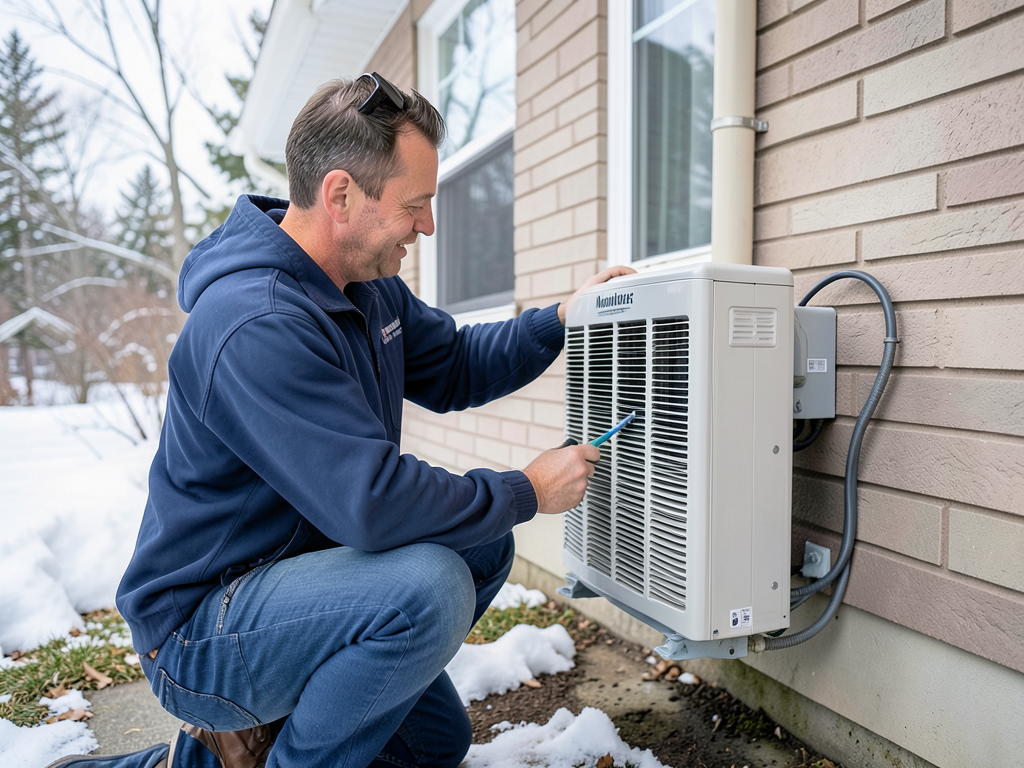
Navigating We Energies Rebates and Federal Tax Credits for New HVAC Systems
Replacing your HVAC system in Milwaukee comes with a significant price tag but understanding the available rebates and tax credits can save you thousands. This guide breaks down exactly how to combine We Energies rebates with Focus on Energy incentives and federal tax credits to maximize your savings. Focus on Energy.
Milwaukee homeowners face unique challenges when upgrading heating and cooling systems. The extreme temperature swings from lake-effect snow to humid summers mean you need equipment that can handle both ends of the spectrum. Fortunately utility companies and the federal government offer substantial incentives for energy-efficient upgrades. Energy Star certified.
Let’s explore the specific programs available to Milwaukee residents and how to stack these incentives for the biggest possible discount on your new system.
Understanding the Three Main Rebate Programs
Milwaukee homeowners can access three separate incentive programs when installing a new HVAC system. Each program has different requirements and application processes but they can all work together to reduce your out-of-pocket costs.
The Focus on Energy program provides state-level rebates for energy-efficient equipment. We Energies offers additional rebates for their customers on specific products like smart thermostats. The federal government provides tax credits through the Inflation Reduction Act for qualifying high-efficiency systems. We Energies.
Stacking these three programs requires careful planning but can reduce your total investment by 30-40% or more depending on the equipment you choose.
Focus on Energy Program Details
Focus on Energy is Wisconsin’s statewide energy efficiency and renewable resource program. The program offers cash-back rewards for homeowners who install qualifying high-efficiency HVAC equipment.
The program uses a tiered system based on equipment efficiency. Higher efficiency equipment earns larger rebates. For Milwaukee’s climate zone heat pumps and air conditioners need specific SEER2 ratings to qualify for the top rebate tiers.. Read more about Everything You Need to Know About New SEER2 Efficiency Standards in Hales Corners.
Heat pumps must meet minimum HSPF2 requirements for heating efficiency. The program also offers rebates for high-efficiency furnaces with specific AFUE ratings. These requirements ensure the equipment will perform well in Wisconsin’s cold climate.. Read more about Comparing Electric Furnaces and Natural Gas Heating for New Builds in Hales Corners.
Focus on Energy requires installation by a certified Trade Ally contractor. These contractors have completed specific training on the program requirements and can help you select qualifying equipment.
We Energies Specific Rebates
We Energies customers in Milwaukee and surrounding areas can access additional rebates through their utility provider. These rebates often focus on smart home technology and energy management systems. Bay View Heat Pump Installers for Year Round Comfort and Efficiency.
The most common We Energies rebate is for smart thermostats. These devices help you control energy usage and can save 10-15% on heating and cooling costs annually. The rebate typically covers a significant portion of the thermostat cost.
We Energies also offers rebates for other energy-efficient home improvements that work alongside your HVAC system. These might include insulation upgrades or air sealing projects that improve overall home efficiency.
Some income-qualified customers may qualify for enhanced rebates through We Energies weatherization programs. These programs can provide free or heavily discounted energy efficiency upgrades.
Federal Tax Credits Under the Inflation Reduction Act
The federal government offers substantial tax credits for energy-efficient home improvements through the Inflation Reduction Act. These credits apply to qualifying HVAC equipment installed in 2023 and beyond.
For HVAC systems the Energy Efficient Home Improvement Credit (25C) provides a tax credit of up to 30% of the cost for qualifying equipment. There are annual caps on these credits so planning your purchases matters.
Heat pumps qualify for the maximum credit amount. High-efficiency air conditioners furnaces and boilers also qualify but may have lower credit amounts based on their efficiency ratings.
The credit applies to both equipment and installation costs. This means you can include labor electrical work and other necessary installation expenses in your credit calculation.
Keep in mind that tax credits reduce your tax liability rather than providing an immediate rebate. You may need to work with a tax professional to maximize these benefits. Professional Duct Cleaning for Better Air Quality in Menomonee Falls.
Equipment Efficiency Requirements
Each rebate program has specific efficiency requirements for qualifying equipment. Understanding these requirements helps you select systems that maximize your total incentives.
For air source heat pumps Focus on Energy requires minimum SEER2 ratings of 15 for the top rebate tier. The heating season performance factor (HSPF2) must meet minimum requirements for cold-climate performance.
High-efficiency furnaces need minimum AFUE ratings of 95% to qualify for most rebates. Some programs offer enhanced rebates for furnaces with AFUE ratings above 97%.
The federal tax credit has its own efficiency requirements. Equipment must be Energy Star certified and meet specific performance standards for your climate zone.
Working with a certified HVAC contractor ensures you select equipment that meets all program requirements while providing optimal performance for Milwaukee’s climate.
Heat Pump Benefits for Milwaukee Homes
Heat pumps offer unique advantages for Milwaukee homeowners. These systems provide both heating and cooling in one unit eliminating the need for separate systems.
Modern cold-climate heat pumps can operate efficiently even when outdoor temperatures drop below zero. This makes them practical for Wisconsin winters while still providing excellent cooling during humid summers.
Heat pumps qualify for the largest rebates and tax credits because they offer the highest energy savings. Many homeowners find they can replace both their furnace and air conditioner with a single heat pump system.
The ability to heat and cool with one system also simplifies maintenance and reduces long-term repair costs. You work with one contractor for all your climate control needs. The Most Trusted AC Maintenance Experts in West Allis.
Stacking Rebates for Maximum Savings
The key to maximizing your HVAC savings is understanding how to combine multiple incentives. Start by selecting equipment that qualifies for all available programs.
First choose Energy Star certified equipment that meets Focus on Energy’s highest efficiency tiers. This ensures eligibility for both the state rebate and federal tax credit.
Next verify the equipment qualifies for any We Energies-specific rebates. Smart thermostats and other energy management devices can add to your total savings.
Calculate your total potential savings by adding the Focus on Energy rebate We Energies rebate and federal tax credit. Don’t forget to include installation costs in your tax credit calculation.
Some homeowners combine these incentives with manufacturer rebates for even greater savings. Many HVAC brands offer seasonal promotions that stack with utility and federal incentives.
Application Process Timeline
Understanding the application timeline helps you plan your HVAC replacement project. Each program has different application deadlines and processing times.
Focus on Energy applications typically need to be submitted within 60-90 days of installation. The program processes applications in the order received so early submission helps avoid delays.
We Energies rebates often have different deadlines and may require pre-approval for certain equipment. Check their current requirements before purchasing.
Federal tax credits are claimed when you file your annual tax return. Keep all receipts and certification statements from your contractor to support your credit claim.
Working with a contractor familiar with all three programs can streamline the application process and ensure you don’t miss any deadlines.
Choosing the Right Contractor
Selecting the right HVAC contractor is crucial for maximizing your rebates. Not all contractors are familiar with the rebate application processes or qualified to install Energy Star certified equipment.
Look for contractors who are Focus on Energy Trade Ally certified. These professionals have completed specific training on energy-efficient installations and rebate programs.
Ask potential contractors about their experience with rebate applications. A good contractor will handle most of the paperwork and ensure your equipment meets all program requirements.
Verify the contractor’s licensing and insurance. Milwaukee requires specific permits for HVAC installations and your contractor should handle this process as part of their service. AC Service Germantown.
Request references from recent customers who used rebate programs. This helps verify the contractor’s experience with the application process.
Common Mistakes to Avoid
Many homeowners miss out on rebates by making simple mistakes during the HVAC selection and installation process. Understanding these pitfalls helps you avoid costly errors.
One common mistake is choosing equipment that doesn’t meet the minimum efficiency requirements for rebates. Always verify efficiency ratings before purchasing.
Another error is working with contractors who aren’t familiar with rebate programs. They may install qualifying equipment but fail to complete the necessary paperwork.
Some homeowners wait too long to apply for rebates. Missing application deadlines means leaving money on the table.
Finally failing to keep proper documentation can prevent you from claiming federal tax credits. Save all receipts contracts and certification statements.
Milwaukee Climate Considerations
Milwaukee’s unique climate affects which HVAC systems work best and which qualify for rebates. The combination of lake-effect snow high humidity and temperature extremes requires specialized equipment.
Heat pumps designed for Milwaukee must handle both extreme cold and high humidity. Look for models with cold-climate technology and enhanced dehumidification features.
High-efficiency furnaces need proper venting for Milwaukee’s building codes. Many older homes in areas like Bay View and Wauwatosa require specific venting configurations that affect installation costs.
The short but intense cooling season means air conditioners need to handle high humidity loads. Equipment with enhanced moisture removal capabilities performs better in Milwaukee’s climate.
Understanding these climate factors helps you select equipment that provides both comfort and maximum rebate eligibility.
Timing Your HVAC Replacement
The timing of your HVAC replacement can affect your total savings. Some rebate programs have seasonal availability or limited funding that runs out during peak seasons.
Fall and spring are often the best times for HVAC replacements in Milwaukee. Contractors have more availability and you avoid the emergency pricing of peak heating or cooling seasons.
Some rebate programs offer enhanced incentives during off-peak seasons to encourage installations when contractors have more availability.
Planning your replacement during these shoulder seasons can provide better pricing from contractors and increase your chances of getting the equipment you want.
Consider your current system’s condition when timing your replacement. Waiting until a complete failure often means emergency pricing and limited equipment availability.
Additional Energy Efficiency Improvements
While focusing on HVAC rebates consider other energy efficiency improvements that can enhance your system’s performance and qualify for additional incentives.
Proper insulation and air sealing reduce the load on your HVAC system allowing you to install smaller less expensive equipment. These improvements often qualify for separate rebates.
Upgrading to LED lighting and installing smart power strips reduce overall energy consumption making your HVAC system more effective at maintaining comfort.
Window treatments and landscaping can reduce heat gain in summer and heat loss in winter further improving HVAC efficiency.
Many of these improvements work together to create a more comfortable efficient home while maximizing your total rebate savings.
Financing Options
While rebates and tax credits reduce your upfront costs many homeowners still need financing for their HVAC replacement. Several options can make your investment more manageable.
Some utility companies offer low-interest loans for energy-efficient home improvements. These loans often have terms that match the expected energy savings from your new equipment.
Many HVAC contractors offer financing plans with competitive rates. Some even provide promotional periods with deferred interest or reduced rates for energy-efficient equipment.
Home equity loans or lines of credit can provide lower interest rates for larger projects. The interest may be tax-deductible adding to your overall savings.
Consider the monthly energy savings when evaluating financing options. A more efficient system can offset much of your payment through reduced utility bills.
Maintenance for Maximum Efficiency
Proper maintenance ensures your new HVAC system continues operating at peak efficiency maximizing your energy savings and protecting your investment.
Regular filter changes improve airflow and reduce energy consumption. Most systems need filter changes every 1-3 months depending on your home’s conditions.
Annual professional maintenance keeps your system running efficiently and can prevent costly repairs. Many contractors offer maintenance plans that include regular inspections and priority service. HVAC Inspection.
Keeping outdoor units clean and free from debris ensures proper airflow. Trim vegetation at least two feet away from outdoor equipment.
Proper maintenance not only protects your investment but also ensures you continue receiving the energy savings that qualified your equipment for rebates.
Future-Proofing Your Investment
When selecting new HVAC equipment consider how future changes might affect your system’s performance and efficiency. Technology continues to advance and your needs may change over time.
Choose equipment with smart technology capabilities that can integrate with future home automation systems. Many modern HVAC systems offer Wi-Fi connectivity and smartphone control.
Consider your home’s future needs. Planning for potential additions or lifestyle changes can help you select appropriately sized equipment.
Look for equipment with good warranty coverage and availability of replacement parts. This protects your investment if you need repairs years down the road.
Investing in quality equipment that meets current rebate requirements while offering room for future upgrades provides the best long-term value.
Getting Started with Your HVAC Project
Ready to take advantage of Milwaukee’s HVAC rebates and tax credits? Start by assessing your current system’s condition and energy usage.
Schedule a professional energy audit to identify efficiency opportunities and determine which rebates you might qualify for. Many utilities offer free or discounted audits to customers.
Research current rebate programs and their requirements. Program details can change annually so verify current information before making decisions.
Interview multiple contractors who are familiar with rebate programs. Ask about their experience with Focus on Energy and federal tax credit applications.
Create a budget that includes equipment installation and any necessary home improvements to maximize efficiency. Factor in your expected rebate savings.
Take action soon to lock in current rebate amounts before programs change or funding runs out.
Frequently Asked Questions
How much can I save with HVAC rebates in Milwaukee?
Most Milwaukee homeowners save 30-40% on new HVAC systems by combining Focus on Energy rebates We Energies incentives and federal tax credits. Total savings depend on equipment efficiency and current program funding.
Do I need to apply for rebates myself?
Many rebates require homeowner applications but certified HVAC contractors often handle the paperwork as part of their service. Always confirm who handles applications when getting quotes.
What equipment qualifies for the most rebates?
Heat pumps typically qualify for the largest rebates because they provide both heating and cooling with high efficiency. High-efficiency furnaces and air conditioners also qualify but may have lower rebate amounts.
How long does it take to get rebate checks?
Processing times vary by program. Focus on Energy typically processes applications within 6-8 weeks. We Energies rebates may process faster. Federal tax credits are claimed on your tax return.
Can I combine manufacturer rebates with utility rebates?
Yes many manufacturers offer seasonal promotions that stack with utility and federal incentives. Ask your contractor about current manufacturer offers when getting quotes.
What if I miss the application deadline?
Missing deadlines means losing that rebate. Some programs offer limited late filing options but it’s best to submit applications as soon as possible after installation.
Do I need permits for HVAC replacement in Milwaukee?
Yes Milwaukee requires permits for HVAC replacements. Your contractor should handle permit applications and inspections as part of their service.
How do I know if my contractor is qualified?
Look for Focus on Energy Trade Ally certification and verify their licensing with the Wisconsin Department of Safety and Professional Services. Ask about their experience with rebate programs.
Can I get rebates if I finance my HVAC system?
Yes rebates and tax credits apply regardless of how you pay for your system. Financing doesn’t affect your eligibility for these incentives.
What documentation do I need to keep?
Save all receipts contracts efficiency certifications and installation documentation. You’ll need these for rebate applications and federal tax credit claims.
Are there income-based rebates available?
Yes some programs offer enhanced rebates for income-qualified customers. We Energies and Focus on Energy both have programs for households meeting income requirements.
What happens if I sell my house after getting rebates?
Rebates are tied to the installation not the homeowner. The new owners benefit from the efficient equipment but you keep any tax credits you claimed.
How often do rebate programs change?
Rebate amounts and requirements can change annually based on funding and program goals. Always verify current information before making purchasing decisions.
Can I get rebates for repairs or just replacements?
Most rebate programs focus on new equipment installations rather than repairs. However some programs offer incentives for specific efficiency upgrades to existing systems.
What if my equipment doesn’t qualify for rebates?
If your chosen equipment doesn’t qualify you can either select different equipment that meets requirements or proceed without the rebates. Your contractor can help you understand your options.
- Research Current Programs
Visit Focus on Energy and We Energies websites to verify current rebate amounts and requirements before selecting equipment.
- Choose Certified Equipment
Select Energy Star certified equipment that meets the highest efficiency tiers for maximum rebate eligibility.
- Find Qualified Contractor
Hire a Focus on Energy Trade Ally contractor with experience handling rebate applications and paperwork.
- Submit Applications Promptly
Complete and submit all required applications within the specified timeframes after installation.
- Track Your Rebates
Keep copies of all applications and follow up if you don’t receive confirmation within expected timeframes.
Next Steps for Your HVAC Upgrade
Understanding Milwaukee’s HVAC rebate programs puts you in control of your home comfort investment. By combining Focus on Energy incentives We Energies rebates and federal tax credits you can significantly reduce the cost of upgrading to energy-efficient equipment.
The key is working with qualified contractors who understand all available programs and can guide you through the application process. Don’t let the complexity of multiple rebate programs prevent you from taking advantage of these substantial savings opportunities.
Ready to explore your HVAC options and maximize your rebates? Elite Heating & Cooling Milwaukee offers free consultations to help you understand which systems qualify for the best incentives. Our certified technicians handle all rebate paperwork making the process simple and stress-free.
Call us today at (414) 375-7888 to schedule your consultation. We’ll help you select the perfect energy-efficient system for your Milwaukee home while ensuring you receive every available rebate and tax credit.
Don’t wait until your current system fails. Start planning now to take advantage of current rebate programs and enjoy lower energy bills with your new high-efficiency HVAC system.
{
“@context”: “https://schema.org”,
“@type”: “BlogPosting”,
“headline”: “Navigating We Energies Rebates and Federal Tax Credits for New HVAC Systems”,
“description”: “Learn how Milwaukee homeowners can combine We Energies rebates with Focus on Energy incentives and federal tax credits to save thousands on new HVAC systems.”,
“wordCount”: 3046,
“datePublished”: “2026-03-30T10:57:00.000Z”,
“dateModified”: “2026-03-30T10:57:00.000Z”,
“inLanguage”: “en-US”,
“mainEntityOfPage”: {
“@type”: “WebPage”,
“@id”: “https://eliteheatingandcoolingmilwaukee.com”
},
“publisher”: {
“@type”: “LocalBusiness”,
“name”: “Elite Heating and Cooling Milwaukee”,
“url”: “https://eliteheatingandcoolingmilwaukee.com”
},
“author”: {
“@type”: “Organization”,
“name”: “Elite Heating and Cooling Milwaukee”,
“url”: “https://eliteheatingandcoolingmilwaukee.com”
},
“image”: {
“@type”: “ImageObject”,
“url”: “https://eliteheatingandcoolingmilwaukee.com/wp-content/uploads/2026/03/navigating-we-energies-rebates-and-federal-tax-cre-1.png”
}
}
{
“@context”: “https://schema.org”,
“@type”: “HVACBusiness”,
“name”: “Elite Heating and Cooling Milwaukee”,
“url”: “https://eliteheatingandcoolingmilwaukee.com”,
“address”: {
“@type”: “PostalAddress”,
“addressLocality”: “Milwaukee”
},
“areaServed”: {
“@type”: “City”,
“name”: “Milwaukee”
}
}
{
“@context”: “https://schema.org”,
“@type”: “FAQPage”,
“mainEntity”: [
{
“@type”: “Question”,
“name”: “How much can I save with HVAC rebates in Milwaukee?”,
“acceptedAnswer”: {
“@type”: “Answer”,
“text”: “Most Milwaukee homeowners save 30-40% on new HVAC systems by combining Focus on Energy rebates We Energies incentives and federal tax credits. Total savings depend on equipment efficiency and current program funding.”
}
},
{
“@type”: “Question”,
“name”: “Do I need to apply for rebates myself?”,
“acceptedAnswer”: {
“@type”: “Answer”,
“text”: “Many rebates require homeowner applications but certified HVAC contractors often handle the paperwork as part of their service. Always confirm who handles applications when getting quotes.”
}
},
{
“@type”: “Question”,
“name”: “What equipment qualifies for the most rebates?”,
“acceptedAnswer”: {
“@type”: “Answer”,
“text”: “Heat pumps typically qualify for the largest rebates because they provide both heating and cooling with high efficiency. High-efficiency furnaces and air conditioners also qualify but may have lower rebate amounts.”
}
},
{
“@type”: “Question”,
“name”: “How long does it take to get rebate checks?”,
“acceptedAnswer”: {
“@type”: “Answer”,
“text”: “Processing times vary by program. Focus on Energy typically processes applications within 6-8 weeks. We Energies rebates may process faster. Federal tax credits are claimed on your tax return.”
}
},
{
“@type”: “Question”,
“name”: “Can I combine manufacturer rebates with utility rebates?”,
“acceptedAnswer”: {
“@type”: “Answer”,
“text”: “Yes many manufacturers offer seasonal promotions that stack with utility and federal incentives. Ask your contractor about current manufacturer offers when getting quotes.”
}
},
{
“@type”: “Question”,
“name”: “What if I miss the application deadline?”,
“acceptedAnswer”: {
“@type”: “Answer”,
“text”: “Missing deadlines means losing that rebate. Some programs offer limited late filing options but it’s best to submit applications as soon as possible after installation.”
}
},
{
“@type”: “Question”,
“name”: “Do I need permits for HVAC replacement in Milwaukee?”,
“acceptedAnswer”: {
“@type”: “Answer”,
“text”: “Yes Milwaukee requires permits for HVAC replacements. Your contractor should handle permit applications and inspections as part of their service.”
}
},
{
“@type”: “Question”,
“name”: “How do I know if my contractor is qualified?”,
“acceptedAnswer”: {
“@type”: “Answer”,
“text”: “Look for Focus on Energy Trade Ally certification and verify their licensing with the Wisconsin Department of Safety and Professional Services. Ask about their experience with rebate programs.”
}
},
{
“@type”: “Question”,
“name”: “Can I get rebates if I finance my HVAC system?”,
“acceptedAnswer”: {
“@type”: “Answer”,
“text”: “Yes rebates and tax credits apply regardless of how you pay for your system. Financing doesn’t affect your eligibility for these incentives.”
}
},
{
“@type”: “Question”,
“name”: “What documentation do I need to keep?”,
“acceptedAnswer”: {
“@type”: “Answer”,
“text”: “Save all receipts contracts efficiency certifications and installation documentation. You’ll need these for rebate applications and federal tax credit claims.”
}
},
{
“@type”: “Question”,
“name”: “Are there income-based rebates available?”,
“acceptedAnswer”: {
“@type”: “Answer”,
“text”: “Yes some programs offer enhanced rebates for income-qualified customers. We Energies and Focus on Energy both have programs for households meeting income requirements.”
}
},
{
“@type”: “Question”,
“name”: “What happens if I sell my house after getting rebates?”,
“acceptedAnswer”: {
“@type”: “Answer”,
“text”: “Rebates are tied to the installation not the homeowner. The new owners benefit from the efficient equipment but you keep any tax credits you claimed.”
}
},
{
“@type”: “Question”,
“name”: “How often do rebate programs change?”,
“acceptedAnswer”: {
“@type”: “Answer”,
“text”: “Rebate amounts and requirements can change annually based on funding and program goals. Always verify current information before making purchasing decisions.”
}
},
{
“@type”: “Question”,
“name”: “Can I get rebates for repairs or just replacements?”,
“acceptedAnswer”: {
“@type”: “Answer”,
“text”: “Most rebate programs focus on new equipment installations rather than repairs. However some programs offer incentives for specific efficiency upgrades to existing systems.”
}
},
{
“@type”: “Question”,
“name”: “What if my equipment doesn’t qualify for rebates?”,
“acceptedAnswer”: {
“@type”: “Answer”,
“text”: “If your chosen equipment doesn’t qualify you can either select different equipment that meets requirements or proceed without the rebates. Your contractor can help you understand your options.”
}
}
]
}
{
“@context”: “https://schema.org”,
“@type”: “HowTo”,
“name”: “How to Apply for HVAC Rebates in Milwaukee”,
“step”: [
{
“@type”: “HowToStep”,
“position”: 1,
“name”: “Research Current Programs”,
“text”: “Visit Focus on Energy and We Energies websites to verify current rebate amounts and requirements before selecting equipment.”
},
{
“@type”: “HowToStep”,
“position”: 2,
“name”: “Choose Certified Equipment”,
“text”: “Select Energy Star certified equipment that meets the highest efficiency tiers for maximum rebate eligibility.”
},
{
“@type”: “HowToStep”,
“position”: 3,
“name”: “Find Qualified Contractor”,
“text”: “Hire a Focus on Energy Trade Ally contractor with experience handling rebate applications and paperwork.”
},
{
“@type”: “HowToStep”,
“position”: 4,
“name”: “Submit Applications Promptly”,
“text”: “Complete and submit all required applications within the specified timeframes after installation.”
},
{
“@type”: “HowToStep”,
“position”: 5,
“name”: “Track Your Rebates”,
“text”: “Keep copies of all applications and follow up if you don’t receive confirmation within expected timeframes.”
}
],
“image”: “https://eliteheatingandcoolingmilwaukee.com/wp-content/uploads/2026/03/navigating-we-energies-rebates-and-federal-tax-cre-1.png”
}
{
“@context”: “https://schema.org”,
“@type”: “BreadcrumbList”,
“itemListElement”: [
{
“@type”: “ListItem”,
“position”: 1,
“name”: “Home”,
“item”: “https://eliteheatingandcoolingmilwaukee.com”
},
{
“@type”: “ListItem”,
“position”: 2,
“name”: “Blog”,
“item”: “https://eliteheatingandcoolingmilwaukee.com/blog”
},
{
“@type”: “ListItem”,
“position”: 3,
“name”: “Navigating We Energies Rebates and Federal Tax Credits for New HVAC Systems”
}
]
}
{
“@context”: “https://schema.org”,
“@type”: “Service”,
“serviceType”: “HVAC”,
“provider”: {
“@type”: “LocalBusiness”,
“name”: “Elite Heating and Cooling Milwaukee”,
“url”: “https://eliteheatingandcoolingmilwaukee.com”
},
“areaServed”: {
“@type”: “City”,
“name”: “Milwaukee”
},
“description”: “Learn how Milwaukee homeowners can combine We Energies rebates with Focus on Energy incentives and federal tax credits to save thousands on new HVAC systems.”
}