
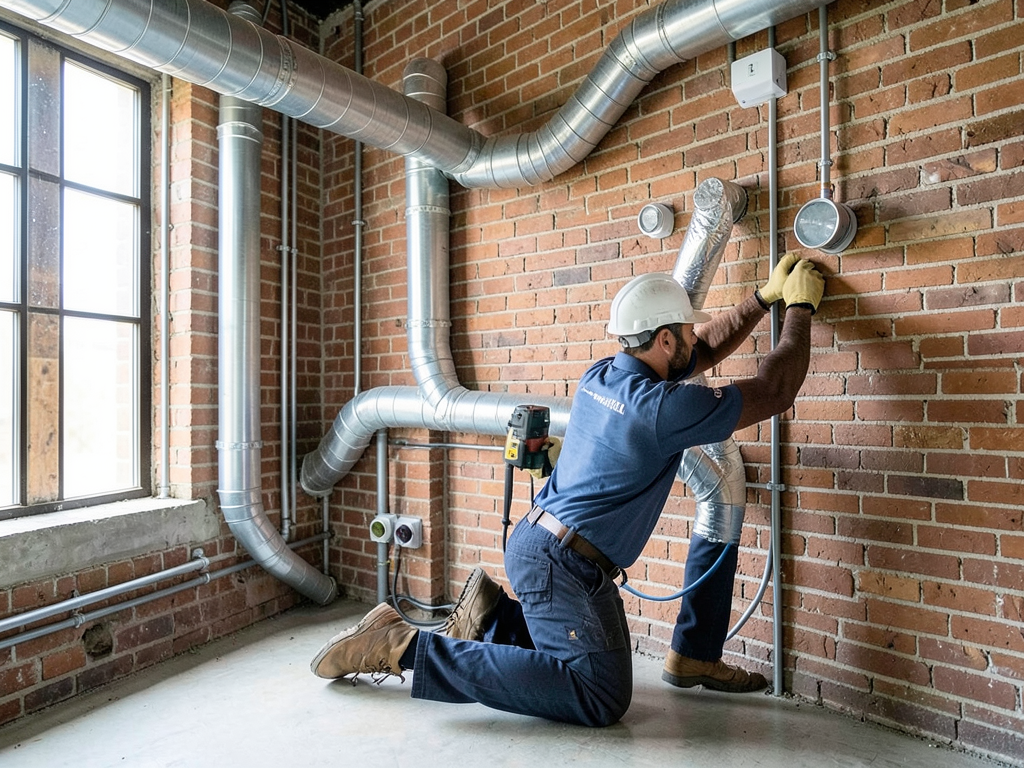
Dealing with Drafts and High Energy Bills in a Cream City Brick Loft
Living in a Cream City Brick loft in Milwaukee comes with unique challenges. The distinctive light-colored clay brick that gives Milwaukee its nickname creates beautiful historic architecture but also brings specific heating and cooling problems that most homeowners never expect.. Read more about The Best Ways to Heat and Cool a Finished Attic in Your Historic Milwaukee Home.
The porous nature of Cream City Brick means these buildings absorb moisture from Lake Michigan’s humid air. During winter freeze-thaw cycles this moisture expands and contracts causing tiny cracks that grow larger over time. These cracks become the source of drafts that make your heating system work overtime.. Read more about Does Upgrading Your HVAC System Actually Increase the Resale Value of a Historic Concordia Home?.
Many loft owners notice their energy bills climbing each winter despite having modern HVAC equipment. The problem often lies not with the heating system itself but with the building envelope. Cream City Brick has minimal insulation value compared to modern construction materials. A typical 19th-century brick wall might have an R-value of only 0.5 to 1.0 while modern walls achieve R-values of 13 to 19.. Read more about How to Claim Local Energy Rebates for HVAC Upgrades in Oconomowoc.
Understanding these thermal properties helps explain why your loft feels cold even when the thermostat reads 72 degrees. The brick absorbs heat during the day and releases it slowly at night creating temperature swings that make your furnace cycle on and off more frequently than necessary.. Read more about Solving the Battle of the Thermostat in Your Milwaukee Duplex.
Understanding Cream City Brick: More Than Just a Color
Cream City Brick gets its distinctive color from the unique clay found in the Menomonee River Valley and surrounding areas. This clay contains high levels of sulfur and lime which create the characteristic light yellow to cream color. But the same properties that make the brick beautiful also make it problematic for energy efficiency. Bay View Heat Pump Installers for Year Round Comfort and Efficiency.
The brick’s high porosity means it acts like a sponge for moisture. When humidity levels rise during Milwaukee’s summer months the brick absorbs water vapor. In winter this moisture freezes creating internal pressure that can cause spalling where the brick surface flakes off. This process creates pathways for drafts to enter your living space.
Unlike modern fired clay bricks Cream City Brick was often made using older techniques that produced more variation in density and porosity. Some bricks in your wall might be relatively solid while others are more like hardened clay. This inconsistency makes it difficult to predict how heat will move through the wall.
The thermal mass of Cream City Brick creates another challenge. While the brick stores heat well it also takes longer to warm up. This means your heating system must run longer in the morning to overcome the cold stored in the walls from overnight. The result is higher energy consumption during shoulder seasons when temperatures fluctuate dramatically.
Why Standard HVAC Solutions Often Fail Historic Brick Homes
Many homeowners try standard HVAC upgrades thinking they’ll solve their energy problems. Installing a new high-efficiency furnace or adding central air conditioning often provides minimal improvement because the underlying issue remains the brick walls themselves. Finding the Best Central Air Conditioning Installation in Brookfield.
Condensation becomes a major problem when you add insulation to the interior of Cream City Brick walls. The temperature difference between the warm interior and cold exterior causes moisture to condense inside the wall cavity. This trapped moisture leads to mold growth efflorescence where white mineral deposits appear on the brick surface and eventually structural damage.. Read more about Choosing Between Ecobee and Nest Smart Thermostats for Your Mequon Smart Home.
The thermal flywheel effect in Cream City Brick buildings creates uncomfortable temperature swings. During sunny winter days the brick absorbs heat warming your loft. But as soon as the sun sets the stored heat radiates out causing temperatures to drop rapidly. Your heating system must then work hard to reheat the space creating a cycle of temperature fluctuations.
Many Cream City Brick lofts have original single-pane windows that contribute significantly to heat loss. While replacing these with modern windows seems like an obvious solution the historic preservation guidelines in neighborhoods like the Third Ward often restrict window replacements. This leaves owners with beautiful but inefficient original windows.. Read more about Why Your Windows Are Always Foggy and How Your HVAC System Can Solve the Problem.
Air infiltration through aging mortar joints creates another layer of energy waste. Over decades the mortar between bricks deteriorates allowing cold air to enter and warm air to escape. This infiltration can account for up to 30 percent of heat loss in older buildings making your HVAC system work much harder than necessary.
Best Heating Systems for Milwaukee’s Historic Architecture
High-velocity mini-duct systems offer one of the best solutions for Cream City Brick lofts. These systems use small flexible ducts that can be routed through existing wall cavities without major demolition. The Unico System and SpacePak are two popular brands that work well in historic buildings.. Read more about The Best HVAC Solutions for Managing Short Term Rentals in Walker’s Point Remotely.
High-velocity systems deliver air at higher speeds creating better air circulation and more even temperatures. This helps overcome the thermal mass of brick walls by constantly moving air past the cold surfaces. The small supply outlets can be placed discreetly in ceilings or walls maintaining the historic character of your loft.
Ductless mini-split heat pumps provide another excellent option for historic buildings. These systems require no ductwork and can be installed with minimal wall penetration. Modern mini-splits offer impressive efficiency ratings and can provide both heating and cooling from a single unit.. Read more about Smart Ways to Manage and Split HVAC Costs for Your Milwaukee Rental Property.
Hydronic heating systems work particularly well with Cream City Brick’s thermal properties. Hot water circulates through radiators or underfloor tubing providing gentle even heat that works with the brick’s thermal mass rather than against it. These systems operate at lower temperatures than forced air making them more comfortable for historic spaces.
Modern condensing boilers achieve efficiency ratings above 90 percent making them ideal for upgrading older hydronic systems. These boilers recover heat from exhaust gases that would otherwise be lost providing more heat from less fuel. When paired with smart thermostats they can dramatically reduce energy consumption.. Read more about The Best Thermostat Settings for Your Elm Grove Home While You Are Away on Vacation.
Table 1: Heating System Comparison for Cream City Brick Lofts
| System Type | Installation Impact | Energy Efficiency | Best For |
|---|---|---|---|
| High-Velocity Mini-Duct | Minimal wall damage | Good to Excellent | Whole building heating/cooling |
| Ductless Mini-Split | No ductwork needed | Excellent | Room-by-room control |
| Modern Hydronic | Requires radiators/tubing | Excellent | Even radiant heat |
| High-Efficiency Furnace | Standard ductwork | Good | Budget-conscious replacement |
Preservation First: Installing HVAC Without Damaging Historic Masonry
Working with historic masonry requires specialized knowledge and techniques. The Milwaukee Historic Preservation Commission has strict guidelines about what modifications can be made to Cream City Brick buildings especially in designated historic districts like the Third Ward or Walker’s Point.
Non-invasive installation methods protect the integrity of your brick walls. This might include using existing chase ways for new ductwork or installing systems that mount to interior walls rather than requiring exterior penetrations. The goal is improving comfort while preserving the historic character that makes your loft unique.
Vapor-permeable insulation materials allow brick walls to breathe while still providing some thermal benefit. Materials like mineral wool or certain foam boards can be installed in a way that manages moisture without trapping it inside the wall assembly. This prevents the condensation problems that plague many historic building retrofits.
Professional assessment of your building’s current condition is essential before any HVAC work begins. A qualified technician will check for existing moisture problems structural issues and the condition of mortar joints. This evaluation helps determine the best approach for your specific situation. Professional Duct Cleaning for Better Air Quality in Menomonee Falls.
Milwaukee’s climate creates unique challenges for historic buildings. The combination of cold winters high humidity and Lake Michigan’s moderating effect means your HVAC system must handle both extreme cold and significant moisture. Systems designed for these specific conditions perform much better than generic solutions.
Building envelope improvements often provide the biggest return on investment. Sealing air leaks adding appropriate insulation and upgrading windows can reduce your energy bills by 20 to 30 percent. These improvements work with your HVAC system making it more efficient rather than replacing it entirely.
Case Study: Modern Comfort in a Walker’s Point Cream City Brick Loft
A recent project in Walker’s Point demonstrates how modern HVAC can work with historic architecture. The 1890s building had original Cream City Brick walls single-pane windows and an aging boiler system. The owners wanted improved comfort without compromising the building’s historic character.
The solution involved installing a high-velocity mini-duct system that used existing chase ways for routing ducts. This approach required minimal wall penetration preserving the brick exterior. A high-efficiency condensing boiler replaced the old unit providing both space heating and domestic hot water.
Additional improvements included sealing air leaks around windows and doors adding interior storm windows to improve thermal performance and installing a smart thermostat for better temperature control. The total project cost was significant but the energy savings justified the investment.
Post-installation data showed a 35 percent reduction in heating costs and much more even temperatures throughout the loft. The owners reported the space felt warmer and more comfortable even during Milwaukee’s coldest winter months. The system also provided cooling for summer eliminating the need for window air conditioners.
This project succeeded because it addressed both the symptoms and the underlying causes of the energy problems. Simply replacing the boiler would have provided minimal improvement. The comprehensive approach considering the building envelope HVAC system and control technology delivered the best results.
Energy Efficiency Audits for Historic Buildings
Professional energy audits provide valuable insights for Cream City Brick loft owners. These audits use specialized equipment to identify air leaks measure insulation levels and assess HVAC system performance. The data helps prioritize improvements based on actual conditions rather than assumptions.
Blower door tests reveal how much air leaks through your building envelope. This test depressurizes your loft and measures air infiltration rates. The results show exactly where your biggest energy losses occur helping target improvements where they’ll have the most impact.
Infrared cameras can detect thermal bridging where heat escapes through specific building components. These images reveal cold spots in walls around windows and near rooflines. Understanding these patterns helps determine the most effective improvement strategies.
Wisconsin’s Focus on Energy program offers incentives for energy efficiency improvements in historic buildings. These programs can offset 20 to 50 percent of improvement costs making upgrades more affordable. The application process requires documentation but the financial benefits often justify the effort. Wisconsin Focus on Energy program.
Table 2: Energy Improvement Priority Matrix
| Improvement | Cost | Energy Savings | Preservation Impact |
|---|---|---|---|
| Air sealing | Low | High | Minimal |
| Interior storm windows | Medium | High | None |
| Smart thermostat | Low | Medium | None |
| High-velocity HVAC | High | High | Minimal |
| Interior insulation | High | High | Moderate |
Maintaining Your Cream City Brick Loft’s HVAC System
Regular maintenance keeps your HVAC system running efficiently in historic buildings. The unique conditions in Cream City Brick lofts create specific maintenance needs that differ from modern construction. Understanding these requirements helps prevent costly repairs and maintains comfort levels. The Most Trusted AC Maintenance Experts in West Allis.
Annual professional inspections should include checking for moisture problems around HVAC equipment. The high humidity in Milwaukee can cause condensation on ducts and equipment leading to rust and mold growth. Early detection prevents these issues from becoming major problems. HVAC Inspection.
Filter changes become even more important in historic buildings with their tendency toward dust and debris accumulation. High-efficiency filters trap more particles but may restrict airflow if not changed regularly. The right balance maintains air quality without straining your HVAC system.
Seasonal tune-ups prepare your system for Milwaukee’s extreme temperature swings. Fall maintenance ensures your heating system operates efficiently when temperatures drop while spring service prepares cooling equipment for summer humidity. These preventive measures extend equipment life and maintain efficiency.
Monitoring energy consumption helps identify developing problems. Unexplained increases in utility bills often indicate efficiency losses before comfort issues become noticeable. Smart thermostats and energy monitoring systems make this tracking simple and automatic.
The unique thermal properties of Cream City Brick mean your system may need longer run times than modern buildings. This isn’t necessarily a problem if the system operates efficiently. Understanding normal operation prevents unnecessary service calls and premature equipment replacement.
Cost-Benefit Analysis of HVAC Upgrades in Historic Buildings
Investing in HVAC upgrades for Cream City Brick lofts requires careful financial planning. The initial costs often seem high but the long-term benefits can justify the investment especially when energy savings are considered over the system’s lifetime.
High-velocity systems typically cost 20 to 30 percent more than conventional HVAC installations. However their ability to work with existing building structures often reduces demolition and reconstruction costs. When these factors are combined the total project cost may be comparable to conventional approaches.
Energy savings from efficient HVAC systems can offset much of the initial investment. A 30 percent reduction in heating costs on a $2000 annual bill saves $600 per year. Over a 15-year system life this represents $9000 in utility savings potentially covering a significant portion of the upgrade cost.
Property value often increases with efficient HVAC upgrades especially in historic buildings where modern comfort is highly valued. Buyers willing to invest in historic properties typically expect modern mechanical systems. An efficient HVAC system can be a strong selling point when the time comes to sell your loft.
Maintenance costs tend to be lower with modern high-efficiency systems. Better filtration longer equipment life and fewer breakdowns reduce the lifetime cost of ownership. These operational savings add to the financial benefits of upgrading.
Financing options specifically for energy efficiency improvements can make upgrades more affordable. Many lenders offer green loans with favorable terms for projects that reduce energy consumption. These programs recognize the long-term value of efficiency investments.
Future Trends in Historic Building HVAC Technology
Emerging technologies promise even better solutions for Cream City Brick buildings. Smart HVAC systems that learn occupancy patterns and adjust automatically can optimize comfort while minimizing energy use. These systems work particularly well in historic buildings where manual control was often necessary.
Geothermal heat pumps offer incredible efficiency for historic buildings with available land. These systems use stable ground temperatures to provide heating and cooling using 25 to 50 percent less energy than conventional systems. While installation costs are high the long-term savings can be substantial.
Advanced insulation materials designed specifically for historic buildings provide better thermal performance without trapping moisture. These materials allow the building to breathe while significantly reducing heat transfer. As these technologies mature they may offer better solutions for Cream City Brick structures.
Building automation systems that integrate HVAC lighting and other systems can optimize energy use based on occupancy and external conditions. These systems learn from usage patterns and make automatic adjustments improving both comfort and efficiency.
Milwaukee’s commitment to sustainability may bring new incentives for historic building upgrades. Programs that support energy efficiency in historic districts could make improvements more affordable for loft owners. Staying informed about these opportunities can help time your investments for maximum benefit.. Read more about How Your Attic’s HVAC Setup Could Be Causing Those Dangerous Ice Dams in Glendale.
Frequently Asked Questions
Why does my Cream City Brick loft feel drafty even with the heat on?
The porous nature of Cream City Brick allows air infiltration through tiny cracks and mortar joints. The brick’s low insulation value means heat escapes quickly creating cold spots. Air leaks around windows and doors compound these problems making your space feel drafty despite active heating.
Can I add insulation to my Cream City Brick walls without causing damage?
Yes but it requires careful planning. Interior insulation must be vapor-permeable to prevent moisture trapping. Exterior insulation is generally not recommended as it can trap moisture against the brick. Professional assessment is essential to determine the best approach for your specific building.
How much can I expect to save on energy bills with HVAC upgrades?
Energy savings typically range from 20 to 40 percent depending on the improvements made. High-efficiency systems combined with building envelope upgrades often achieve the highest savings. Your specific savings depend on your current system condition and the extent of improvements.
Will HVAC upgrades affect my building’s historic designation?
Properly executed upgrades should not affect historic designation. The key is using preservation-sensitive methods that don’t alter visible historic features. Working with contractors experienced in historic preservation helps ensure compliance with local guidelines.
How long do HVAC systems typically last in Cream City Brick buildings?
Modern high-efficiency systems typically last 15 to 20 years in historic buildings. The unique conditions in Cream City Brick structures may cause slightly more wear than modern construction but proper maintenance can maximize system life.
Should I replace my old boiler or add air conditioning?
This depends on your priorities and building characteristics. If your boiler still functions adequately adding cooling capability might provide better year-round comfort. If heating efficiency is poor replacement might be the better investment. A professional assessment can help determine the best approach.
What’s the best way to cool a Cream City Brick loft in summer?
Ductless mini-split systems work well for cooling without requiring major modifications. High-velocity systems can provide both heating and cooling. The key is choosing a system that manages humidity effectively since Cream City Brick buildings tend to hold moisture.
Next Steps for Your Cream City Brick Loft
Dealing with drafts and high energy bills in your Cream City Brick loft doesn’t have to mean sacrificing comfort or historic character. The right combination of modern HVAC technology preservation-sensitive installation methods and building envelope improvements can transform your living space while protecting your investment.. Read more about Protecting Your Expensive Hardwood Floors from Milwaukee Winter Cracking and Gapping.
Start with a professional energy assessment to understand your specific situation. This evaluation identifies the biggest energy losses and recommends targeted improvements. From there you can develop a plan that fits your budget and comfort goals.
Remember that Cream City Brick buildings have unique characteristics that require specialized knowledge. Working with contractors experienced in historic preservation ensures your upgrades enhance rather than compromise your loft’s historic character.
Don’t let another winter of high energy bills and uncomfortable drafts pass by. Modern solutions exist that work with your building’s historic character rather than against it. The investment in comfort and efficiency pays dividends through lower utility bills improved comfort and increased property value.
Ready to stop fighting drafts and start enjoying your Cream City Brick loft? Call Elite Heating & Cooling Milwaukee at (414) 375-7888 today for a comprehensive assessment of your historic building’s HVAC needs. Our team specializes in preservation-sensitive solutions that bring modern comfort to Milwaukee’s most distinctive architecture. For more information, visit National Park Service guidelines for thermal improvements in historic buildings.
You may also find this helpful. Stop Dry Skin and Static with a Whole Home Humidifier in Oak Creek.
{
“@context”: “https://schema.org”,
“@type”: “BlogPosting”,
“headline”: “Dealing with Drafts and High Energy Bills in a Cream City Brick Loft”,
“description”: “Learn why Cream City Brick homes in Milwaukee have high energy bills and how to fix drafts without damaging historic masonry. Local expert solutions.”,
“wordCount”: 3041,
“datePublished”: “2026-05-31T07:07:00.000Z”,
“dateModified”: “2026-05-31T07:07:00.000Z”,
“inLanguage”: “en-US”,
“mainEntityOfPage”: {
“@type”: “WebPage”,
“@id”: “https://eliteheatingandcoolingmilwaukee.com”
},
“publisher”: {
“@type”: “LocalBusiness”,
“name”: “Elite Heating and Cooling Milwaukee”,
“url”: “https://eliteheatingandcoolingmilwaukee.com”
},
“author”: {
“@type”: “Organization”,
“name”: “Elite Heating and Cooling Milwaukee”,
“url”: “https://eliteheatingandcoolingmilwaukee.com”
},
“image”: {
“@type”: “ImageObject”,
“url”: “https://eliteheatingandcoolingmilwaukee.com/wp-content/uploads/2026/03/dealing-with-drafts-and-high-energy-bills-in-a-cre-1.png”
}
}
{
“@context”: “https://schema.org”,
“@type”: “HVACBusiness”,
“name”: “Elite Heating and Cooling Milwaukee”,
“url”: “https://eliteheatingandcoolingmilwaukee.com”,
“address”: {
“@type”: “PostalAddress”,
“addressLocality”: “Milwaukee”
},
“areaServed”: {
“@type”: “City”,
“name”: “Milwaukee”
}
}
{
“@context”: “https://schema.org”,
“@type”: “FAQPage”,
“mainEntity”: [
{
“@type”: “Question”,
“name”: “Why does my Cream City Brick loft feel drafty even with the heat on?”,
“acceptedAnswer”: {
“@type”: “Answer”,
“text”: “The porous nature of Cream City Brick allows air infiltration through tiny cracks and mortar joints. The brick’s low insulation value means heat escapes quickly creating cold spots. Air leaks around windows and doors compound these problems making your space feel drafty despite active heating.”
}
},
{
“@type”: “Question”,
“name”: “Can I add insulation to my Cream City Brick walls without causing damage?”,
“acceptedAnswer”: {
“@type”: “Answer”,
“text”: “Yes but it requires careful planning. Interior insulation must be vapor-permeable to prevent moisture trapping. Exterior insulation is generally not recommended as it can trap moisture against the brick. Professional assessment is essential to determine the best approach for your specific building.”
}
},
{
“@type”: “Question”,
“name”: “How much can I expect to save on energy bills with HVAC upgrades?”,
“acceptedAnswer”: {
“@type”: “Answer”,
“text”: “Energy savings typically range from 20 to 40 percent depending on the improvements made. High-efficiency systems combined with building envelope upgrades often achieve the highest savings. Your specific savings depend on your current system condition and the extent of improvements.”
}
},
{
“@type”: “Question”,
“name”: “Will HVAC upgrades affect my building’s historic designation?”,
“acceptedAnswer”: {
“@type”: “Answer”,
“text”: “Properly executed upgrades should not affect historic designation. The key is using preservation-sensitive methods that don’t alter visible historic features. Working with contractors experienced in historic preservation helps ensure compliance with local guidelines.”
}
},
{
“@type”: “Question”,
“name”: “How long do HVAC systems typically last in Cream City Brick buildings?”,
“acceptedAnswer”: {
“@type”: “Answer”,
“text”: “Modern high-efficiency systems typically last 15 to 20 years in historic buildings. The unique conditions in Cream City Brick structures may cause slightly more wear than modern construction but proper maintenance can maximize system life.”
}
},
{
“@type”: “Question”,
“name”: “Should I replace my old boiler or add air conditioning?”,
“acceptedAnswer”: {
“@type”: “Answer”,
“text”: “This depends on your priorities and building characteristics. If your boiler still functions adequately adding cooling capability might provide better year-round comfort. If heating efficiency is poor replacement might be the better investment. A professional assessment can help determine the best approach.”
}
},
{
“@type”: “Question”,
“name”: “What’s the best way to cool a Cream City Brick loft in summer?”,
“acceptedAnswer”: {
“@type”: “Answer”,
“text”: “Ductless mini-split systems work well for cooling without requiring major modifications. High-velocity systems can provide both heating and cooling. The key is choosing a system that manages humidity effectively since Cream City Brick buildings tend to hold moisture.”
}
}
]
}
{
“@context”: “https://schema.org”,
“@type”: “BreadcrumbList”,
“itemListElement”: [
{
“@type”: “ListItem”,
“position”: 1,
“name”: “Home”,
“item”: “https://eliteheatingandcoolingmilwaukee.com”
},
{
“@type”: “ListItem”,
“position”: 2,
“name”: “Blog”,
“item”: “https://eliteheatingandcoolingmilwaukee.com/blog”
},
{
“@type”: “ListItem”,
“position”: 3,
“name”: “Dealing with Drafts and High Energy Bills in a Cream City Brick Loft”
}
]
}
{
“@context”: “https://schema.org”,
“@type”: “Service”,
“serviceType”: “HVAC”,
“provider”: {
“@type”: “LocalBusiness”,
“name”: “Elite Heating and Cooling Milwaukee”,
“url”: “https://eliteheatingandcoolingmilwaukee.com”
},
“areaServed”: {
“@type”: “City”,
“name”: “Milwaukee”
},
“description”: “Learn why Cream City Brick homes in Milwaukee have high energy bills and how to fix drafts without damaging historic masonry. Local expert solutions.”
}