
How to Keep Your HVAC System Running Smoothly When You Own Multiple Pets in Tippecanoe
Living in Tippecanoe with multiple pets means constant fur battles. Your HVAC system works overtime to filter dander and hair but needs special care to keep running efficiently. This guide shows Milwaukee pet owners exactly how to protect their heating and cooling systems from the extra wear that comes with furry family members.
The Impact of Pets on Your Milwaukee Home’s HVAC System
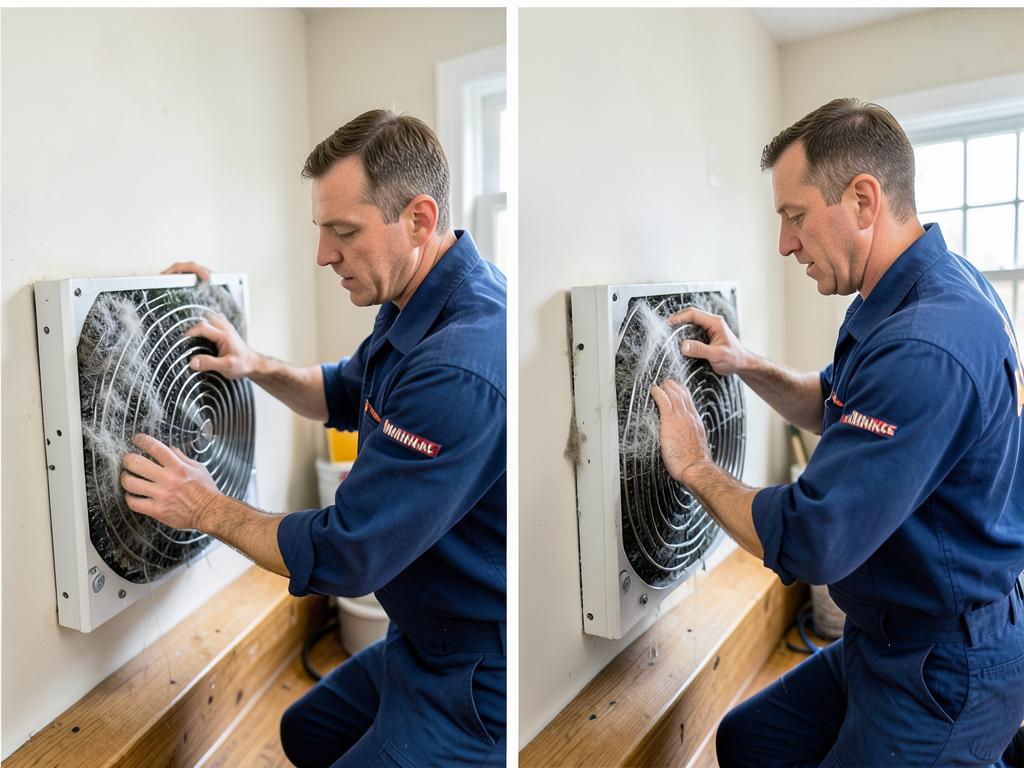
Pet hair and dander create unique challenges for HVAC systems in Wisconsin homes. Unlike dust alone, pet fur clumps together and can bypass standard filters. When your dog or cat sheds, that hair travels through your home’s air circulation and ends up in critical system components.
The evaporator coil inside your air handler becomes a magnet for pet hair. As air passes over the cold coil to cool your home, pet hair sticks to the moisture. This creates an insulating layer that forces your system to work harder. The same happens with your outdoor condenser unit where pet urine can cause corrosion on the aluminum fins.
In Tippecanane homes, seasonal changes amplify these problems. Spring shedding coincides with heavy AC use. Fall molting happens right when you switch to heating. Your system never gets a break from processing extra particles.
Essential Maintenance Checklist for Pet Owners
Pet owners need a different maintenance schedule than homes without animals. The extra hair and dander require more frequent attention to prevent system strain and maintain efficiency. The Most Trusted AC Maintenance Experts in West Allis.
Filter Replacement Schedule
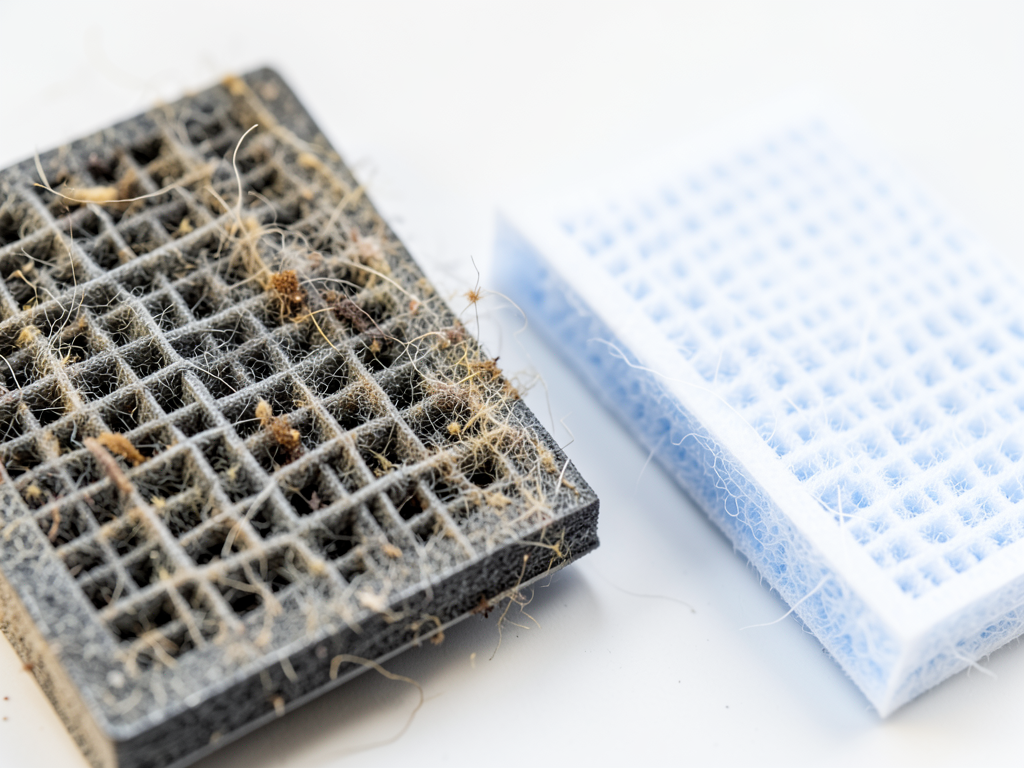
Standard 30-day filter changes won’t cut it when you have pets. In Tippecanoe homes with multiple animals, you should check filters every two weeks and replace them when they show visible discoloration.
Here’s a quick reference for filter replacement frequency based on your pet situation:
| Household Type | Filter Check Interval | Replacement Frequency |
|---|---|---|
| No pets | Every 30 days | Every 60-90 days |
| One dog or cat | Every 14 days | Every 30-45 days |
| Multiple pets | Every 7-10 days | Every 20-30 days |
| High-shedding breeds | Every 7 days | Every 15-20 days |
Choose filters with MERV ratings between 11 and 13 for pet households. MERV 8 filters catch basic dust but allow pet dander to circulate. Higher MERV ratings trap smaller particles without significantly restricting airflow when changed regularly.
Outdoor Unit Protection
Your condenser unit sits vulnerable to pet damage year-round. Dog urine contains ammonia and salts that corrode the aluminum fins and copper tubing. Even a few accidents can create small holes that leak refrigerant. Bay View Heat Pump Installers for Year Round Comfort and Efficiency.
Install a decorative fence or lattice barrier around your outdoor unit. Keep it at least 24 inches away from the unit to maintain proper airflow. This prevents pets from marking territory while protecting the equipment.
Clean the outdoor coils twice yearly with a pet-safe coil cleaner. Pay special attention to the base where urine splashes collect. A garden hose with moderate pressure works for light cleaning, but stubborn buildup needs professional treatment. Professional Duct Cleaning for Better Air Quality in Menomonee Falls.
Duct Cleaning Considerations
Ducts accumulate pet hair and dander over time. In multi-pet households, consider professional duct cleaning every 2-3 years instead of the standard 5-year interval. This removes built-up debris that continuously recirculates through your home.
Look for NADCA-certified technicians who use negative air pressure systems. These remove debris without spreading it through your living space. Ask about pet-safe cleaning solutions that won’t leave harmful residues. NADCA certification for duct cleaning.
Improving Milwaukee Indoor Air Quality (IAQ)
Beyond basic HVAC maintenance, several upgrades specifically help pet owners breathe easier. Milwaukee’s humid summers and dry winters create different air quality challenges throughout the year.
HEPA Filtration Systems
Standard furnace filters catch only 20-30% of airborne particles. HEPA systems trap 99.97% of particles down to 0.3 microns. This includes pet dander, pollen, and dust mites that trigger allergies. EPA guide on air cleaners for your home.
Whole-house HEPA systems install directly into your ductwork. They work alongside your existing HVAC rather than replacing it. The initial cost ranges from $800 to $1,500 but reduces filter replacement frequency and improves system efficiency.
For smaller homes or apartments, portable HEPA air purifiers provide targeted relief. Place them in rooms where pets spend most time. Run them continuously during shedding seasons for maximum benefit.
UV Light Air Purification
Ultraviolet germicidal irradiation kills bacteria, viruses, and mold spores that collect on HVAC components. UV lights install above the evaporator coil where moisture creates ideal breeding conditions for microorganisms.
Pet owners benefit from UV systems because they neutralize pet odors at the molecular level. The lights also prevent biofilm buildup on coils, maintaining efficiency and reducing professional cleaning needs.
Energy consumption is minimal – about 15 watts per light. Most systems include indicator lights showing when bulbs need replacement, typically every 12-24 months.
Whole-House Dehumidification
Milwaukee summers create high indoor humidity that worsens pet-related air quality issues. Moisture makes pet dander sticky and harder to filter. It also promotes mold growth in ducts and on cooling coils.
Whole-house dehumidifiers connect to your existing HVAC ductwork. They remove 70-100 pints of water daily from your home’s air. This improves cooling efficiency since dry air feels cooler than humid air at the same temperature.
Set your dehumidifier to maintain 45-50% relative humidity. This range prevents mold growth while remaining comfortable for both humans and pets.
Our ‘Pet-Safe’ Technician Protocol
Elite Heating & Cooling Milwaukee trains all technicians in pet-safe service protocols. We understand that your animals are family members and their safety matters during every service call. AC Service Germantown.
Our technicians receive special training in handling homes with pets. We use non-toxic cleaning products that won’t harm animals if they come into contact with treated surfaces. All chemicals are EPA-registered for safety around pets.
During service calls, we take specific steps to protect your pets and our equipment:
- Close gates and doors to prevent accidental escapes
- Clean up all debris and packaging before leaving
- Use drop cloths to protect floors from dirt and moisture
- Store tools securely when not in use
- Never leave gates or doors propped open
We also offer pet-specific add-on services. Our technicians can install pet-proof barriers around outdoor units, apply pet-safe coil protectants, and recommend grooming schedules that complement your HVAC maintenance routine.
Milwaukee Seasonal Maintenance Timelines
Wisconsin’s extreme seasons create different maintenance needs throughout the year. Pet owners should adjust their schedules to account for both weather changes and shedding cycles.
Spring Preparation (March-April)
Spring brings heavy shedding as pets lose their winter coats. This coincides with AC startup season. Schedule professional maintenance in early March before you need cooling.
Spring service should include:
- Deep cleaning of evaporator and condenser coils
- Checking refrigerant levels (pet hair can cause micro-leaks)
- Inspecting blower motor and fan blades for hair buildup
- Testing condensate drain lines for clogs
This timing catches winter dust buildup and prepares your system for summer’s heavy workload.
Summer Efficiency Check (June-July)
Mid-summer heat puts maximum strain on your system. Pets spending more time indoors means more hair circulation. A June checkup prevents mid-season breakdowns.
Focus areas include:
- Refrigerant pressure testing
- Capacitor and contactor inspection
- Airflow measurement at vents
- Thermostat calibration
Consider upgrading to a smart thermostat with pet-friendly features. Many models include vacation modes that maintain safe temperatures for pets while saving energy.
Fall Transition (September-October)
Fall brings another heavy shedding period as pets prepare winter coats. This overlaps with furnace startup. Schedule heating system inspection in early October. HVAC Inspection.
Fall maintenance covers:
- Heat exchanger inspection for cracks
- Burner cleaning and adjustment
- Carbon monoxide testing
- Duct inspection for debris buildup
Fall is also ideal for duct cleaning in multi-pet homes since you’ll close windows soon anyway.
Winter Safety Check (December-January)
Winter’s dry air and closed windows concentrate indoor pollutants. Pets spending more time inside means continuous hair circulation. A mid-winter checkup prevents efficiency losses.
Key winter services:
- Air filter assessment and replacement
- Humidifier inspection and cleaning
- Carbon monoxide detector testing
- Airflow verification
Watch for signs of trouble: uneven heating, unusual noises, or increased energy bills often indicate problems that need immediate attention.
Pet Grooming as HVAC Maintenance
Your pet grooming routine directly impacts HVAC efficiency. Regular brushing removes loose hair before it enters your system. This simple habit reduces filter loading and improves airflow.
Brush pets outdoors when weather permits. This keeps loose hair outside rather than in your home’s air circulation. For indoor brushing, use a vacuum attachment designed for pet grooming.
Professional grooming every 6-8 weeks significantly reduces shedding for most breeds. Some high-shedding breeds benefit from deshedding treatments that can reduce airborne hair by 80% or more.
Consider your pet’s bedding material. Washable beds with removable covers trap less hair than plush, non-removable options. Clean bedding weekly to prevent it from becoming a constant hair source.
Energy Efficiency and Cost Savings
Pet-related HVAC problems cost money. A dirty system can use 15-25% more energy than a clean one. For a typical Milwaukee home, this means $20-50 extra monthly during peak seasons.
Preventive maintenance costs less than emergency repairs. A $100-200 seasonal tune-up prevents $500-1,000 repairs caused by neglect. For multi-pet homes, the savings multiply since systems work harder and fail faster.
Energy efficiency improvements that benefit pet owners:
- Variable-speed blowers adjust airflow based on actual need
- Two-stage compressors run at lower speeds when possible
- Smart thermostats learn your schedule and optimize run times
These upgrades typically pay for themselves within 2-3 years through energy savings and reduced repair needs.
Common Pet-Related HVAC Problems
Recognizing early warning signs helps prevent major breakdowns. Watch for these common issues in pet households:
Reduced Airflow
When vents blow less air than usual, pet hair may be clogging filters or ducts. Check filters first – if they’re dark and heavy, replace them immediately. Persistent airflow problems need professional diagnosis.
Unusual Noises
Squealing or grinding sounds often indicate blower motor problems. Pet hair can wrap around motor shafts, causing bearings to wear prematurely. Clicking sounds might mean contactors are dirty from pet dander buildup.
Uneven Cooling or Heating
Rooms that don’t maintain temperature may have blocked vents or dirty coils. Pet hair accumulation on evaporator coils creates hot spots that reduce cooling efficiency. Regular cleaning prevents this gradual performance loss.
Increased Energy Bills
Sudden bill increases without rate changes often signal system inefficiency. Pet-related issues like dirty coils, clogged filters, or failing motors force your system to run longer cycles. Track your usage monthly to spot trends.
Smart Home Integration for Pet Owners
Modern smart home technology offers pet-specific HVAC benefits. Smart thermostats learn your schedule and adjust temperatures when you’re away, saving energy while keeping pets comfortable.
Look for thermostats with these pet-friendly features:
- Geofencing that adjusts temperature when you leave home
- Humidity monitoring for optimal pet comfort
- Air quality sensors that trigger ventilation
- Remote access via smartphone apps
Some systems integrate with pet cameras and door sensors. They can adjust HVAC operation based on whether pets are inside or outside, preventing energy waste.
Local Resources and Support
Milwaukee offers several resources for pet owners concerned about indoor air quality. The University of Wisconsin-Extension provides free guides on home air quality management. Local pet stores often host workshops on pet-friendly home maintenance.
Consider joining neighborhood social media groups focused on Tippecanoe area homes. Residents often share recommendations for pet-safe HVAC services and local contractors who understand multi-pet household needs.
Local animal shelters sometimes partner with HVAC companies for educational events. These cover topics like maintaining healthy indoor environments for pets with respiratory issues or allergies.
Making the Right Choices for Your Home
Every pet household has different needs based on animal types, numbers, and home size. A home with three Labrador retrievers needs different solutions than one with five cats or a mix of both.
Start with basic maintenance improvements. Better filters and more frequent changes cost little but provide immediate benefits. Add upgrades like HEPA filtration or UV lights based on your specific problems and budget.
Remember that preventive care always costs less than emergency repairs. The small investment in proper maintenance keeps your system running efficiently and your pets breathing easily throughout Milwaukee’s challenging seasons.
Need help creating a pet-specific maintenance plan for your Tippecanoe home? Call Elite Heating & Cooling Milwaukee at (414) 375-7888. Our technicians understand the unique challenges of multi-pet households and can recommend solutions tailored to your situation.
Frequently Asked Questions
How often should I change my HVAC filter with multiple pets?
Check filters every 7-14 days and replace when dirty. Most multi-pet homes need new filters every 20-45 days depending on pet type and number. High-shedding breeds may need weekly changes.
Can pet hair damage my air conditioner?
Yes. Pet hair can clog condenser coils, reducing efficiency by up to 30%. It can also cause blower motor failure and refrigerant leaks if it accumulates on critical components.
What MERV rating is best for homes with pets?
MERV 11-13 filters work best for pet owners. They trap pet dander and hair without significantly restricting airflow. MERV 8 filters allow too much pet-related debris through.
How can I protect my outdoor AC unit from my dog?
Install a decorative fence or lattice barrier at least 24 inches from the unit. This prevents urine damage while maintaining proper airflow. Clean coils twice yearly with pet-safe cleaners.
Is professional duct cleaning necessary for pet owners?
Most multi-pet homes benefit from duct cleaning every 2-3 years instead of the standard 5-year interval. This removes accumulated hair and dander that continuously recirculates through your home.
{
“@context”: “https://schema.org”,
“@type”: “BlogPosting”,
“headline”: “How to Keep Your HVAC System Running Smoothly When You Own Multiple Pets in Tippecanoe”,
“description”: “Protect your HVAC from pet hair and dander with Milwaukee-specific maintenance tips. Learn MERV ratings, filter schedules, and pet-safe cleaning for Tippecanoe homes.”,
“wordCount”: 2267,
“datePublished”: “2026-04-24T07:23:00.000Z”,
“dateModified”: “2026-04-24T07:23:00.000Z”,
“inLanguage”: “en-US”,
“mainEntityOfPage”: {
“@type”: “WebPage”,
“@id”: “https://eliteheatingandcoolingmilwaukee.com”
},
“publisher”: {
“@type”: “LocalBusiness”,
“name”: “Elite Heating and Cooling Milwaukee”,
“url”: “https://eliteheatingandcoolingmilwaukee.com”
},
“author”: {
“@type”: “Organization”,
“name”: “Elite Heating and Cooling Milwaukee”,
“url”: “https://eliteheatingandcoolingmilwaukee.com”
},
“image”: {
“@type”: “ImageObject”,
“url”: “https://eliteheatingandcoolingmilwaukee.com/wp-content/uploads/2026/03/how-to-keep-your-hvac-system-running-smoothly-when-1.png”
}
}
{
“@context”: “https://schema.org”,
“@type”: “HVACBusiness”,
“name”: “Elite Heating and Cooling Milwaukee”,
“url”: “https://eliteheatingandcoolingmilwaukee.com”,
“address”: {
“@type”: “PostalAddress”,
“addressLocality”: “Milwaukee”
},
“areaServed”: {
“@type”: “City”,
“name”: “Milwaukee”
}
}
{
“@context”: “https://schema.org”,
“@type”: “FAQPage”,
“mainEntity”: [
{
“@type”: “Question”,
“name”: “How often should I change my HVAC filter with multiple pets?”,
“acceptedAnswer”: {
“@type”: “Answer”,
“text”: “Check filters every 7-14 days and replace when dirty. Most multi-pet homes need new filters every 20-45 days depending on pet type and number. High-shedding breeds may need weekly changes.”
}
},
{
“@type”: “Question”,
“name”: “Can pet hair damage my air conditioner?”,
“acceptedAnswer”: {
“@type”: “Answer”,
“text”: “Yes. Pet hair can clog condenser coils, reducing efficiency by up to 30%. It can also cause blower motor failure and refrigerant leaks if it accumulates on critical components.”
}
},
{
“@type”: “Question”,
“name”: “What MERV rating is best for homes with pets?”,
“acceptedAnswer”: {
“@type”: “Answer”,
“text”: “MERV 11-13 filters work best for pet owners. They trap pet dander and hair without significantly restricting airflow. MERV 8 filters allow too much pet-related debris through.”
}
},
{
“@type”: “Question”,
“name”: “How can I protect my outdoor AC unit from my dog?”,
“acceptedAnswer”: {
“@type”: “Answer”,
“text”: “Install a decorative fence or lattice barrier at least 24 inches from the unit. This prevents urine damage while maintaining proper airflow. Clean coils twice yearly with pet-safe cleaners.”
}
},
{
“@type”: “Question”,
“name”: “Is professional duct cleaning necessary for pet owners?”,
“acceptedAnswer”: {
“@type”: “Answer”,
“text”: “Most multi-pet homes benefit from duct cleaning every 2-3 years instead of the standard 5-year interval. This removes accumulated hair and dander that continuously recirculates through your home.”
}
}
]
}
{
“@context”: “https://schema.org”,
“@type”: “BreadcrumbList”,
“itemListElement”: [
{
“@type”: “ListItem”,
“position”: 1,
“name”: “Home”,
“item”: “https://eliteheatingandcoolingmilwaukee.com”
},
{
“@type”: “ListItem”,
“position”: 2,
“name”: “Blog”,
“item”: “https://eliteheatingandcoolingmilwaukee.com/blog”
},
{
“@type”: “ListItem”,
“position”: 3,
“name”: “How to Keep Your HVAC System Running Smoothly When You Own Multiple Pets in Tippecanoe”
}
]
}
{
“@context”: “https://schema.org”,
“@type”: “Service”,
“serviceType”: “HVAC”,
“provider”: {
“@type”: “LocalBusiness”,
“name”: “Elite Heating and Cooling Milwaukee”,
“url”: “https://eliteheatingandcoolingmilwaukee.com”
},
“areaServed”: {
“@type”: “City”,
“name”: “Milwaukee”
},
“description”: “Protect your HVAC from pet hair and dander with Milwaukee-specific maintenance tips. Learn MERV ratings, filter schedules, and pet-safe cleaning for Tippecanoe homes.”
}