
How Rodents Target HVAC Systems in Mequon
Rodents seek warm shelter during Mequon’s brutal winters, and your HVAC system offers the perfect combination of warmth and protection. The outdoor condenser unit provides a cozy nesting spot, while the ductwork inside your walls creates dark tunnels that mice and rats find irresistible.
Wisconsin’s climate creates unique challenges. When temperatures drop below zero and lake-effect snow blankets the area, rodents become desperate for shelter. Your HVAC system runs constantly during these cold snaps, generating heat that attracts these pests like a magnet.
The problem intensifies in Mequon’s suburban neighborhoods where homes sit close to wooded areas and natural habitats. Properties near the Milwaukee River or in newer developments that displaced natural habitats see particularly high rodent activity.
Common culprits include Norway rats, house mice, and even squirrels. These animals can squeeze through openings as small as a dime, making your HVAC system vulnerable through even tiny gaps in the exterior.
Once inside, rodents cause immediate damage by chewing through electrical wiring, nesting in insulation, and contaminating air ducts with urine and droppings. The damage often goes unnoticed until your system fails completely.
Understanding how rodents access and damage HVAC systems forms the foundation for effective prevention. The next sections detail specific signs of infestation and the types of damage these pests create.
Common Signs of Rodent Infestation in Your Milwaukee HVAC
Early detection saves thousands in repair costs. Watch for these warning signs that indicate rodent activity in your HVAC system: EPA Rodent Information.
- Scratching or scurrying sounds from vents or the outdoor unit, especially at night
- Foul odors coming through vents that smell like ammonia or decay
- Visible droppings near the outdoor condenser unit or around floor vents
- Chewed wires or insulation visible through unit openings
- Sudden spikes in energy bills without explanation
- Uneven heating or cooling throughout your home
- Strange noises when the system starts up
- Visible nesting materials like shredded paper or fabric near vents
Odor detection often provides the first clue. Rodent urine contains strong ammonia compounds that travel through ductwork and emerge through vents. If you notice a persistent musty or sharp smell when your system runs, investigate immediately.
Sound patterns reveal activity levels. Light scratching suggests initial entry attempts, while louder scurrying indicates established nests. Pay attention to timing—rodents are most active at dawn and dusk.
Visual inspections can confirm suspicions. Check the outdoor condenser unit for chew marks on wiring, shredded insulation, or nesting debris. Look for small entry holes around the base of the unit where rodents might squeeze through. Bay View Heat Pump Installers for Year Round Comfort and Efficiency.
Performance changes often signal contamination. Rodents nesting in ductwork create airflow restrictions that reduce system efficiency. You might notice rooms taking longer to heat or cool, or certain areas staying consistently uncomfortable.
Health symptoms can also indicate problems. Increased allergy symptoms, respiratory issues, or unexplained illnesses among household members may result from contaminated air circulating through rodent-infested ducts.
Types of Damage Rodents Cause to Heating and Cooling Systems
Rodents create multiple types of damage that compromise both system function and household safety. Understanding these damage patterns helps prioritize repairs and prevention efforts.
Electrical damage poses the most immediate danger. Rodents chew through wiring insulation to access copper conductors, creating short circuits and fire hazards. A single exposed wire can spark and ignite nearby insulation or debris. This damage often occurs in the outdoor condenser unit where wiring connects to the compressor and fan motors.
Ductwork contamination affects indoor air quality. Rodents use ducts as highways through your home, leaving behind urine, feces, and hair. These contaminants accumulate in duct corners and joints, creating breeding grounds for bacteria and mold. Contaminated ducts distribute allergens and pathogens throughout living spaces.
Insulation damage reduces system efficiency. Rodents shred fiberglass insulation for nesting material, exposing refrigerant lines and ductwork. Without proper insulation, heat transfer becomes inefficient, forcing your system to work harder and consume more energy. This damage often goes unnoticed until energy bills spike dramatically.
Component blockage prevents proper operation. Nests built in outdoor units block airflow to condenser coils, causing the system to overheat and shut down. Debris in air handlers and furnaces can jam blower wheels and damage motors. These blockages typically cause sudden system failures during extreme weather when you need heating or cooling most.
Refrigerant line damage leads to costly repairs. Rodents chewing through refrigerant lines cause leaks that require professional repair and recharging. Low refrigerant levels reduce cooling capacity and can damage compressors if the system runs without adequate charge. Professional Duct Cleaning for Better Air Quality in Menomonee Falls.
Thermostat and control wiring damage affects system operation. Rodents often nest near thermostats or in wall cavities containing control wiring. Chewed wires can cause erratic system behavior, complete shutdowns, or prevent the system from responding to temperature changes.
Structural damage occurs when rodents enlarge entry points. Gaps around pipes, vents, and utility penetrations provide access points that rodents expand over time. These enlarged openings allow cold air infiltration in winter and heat gain in summer, reducing overall home efficiency.
The Health Risks: Why Rodent Damage is More Than Just a Mechanical Issue
Rodent infestations in HVAC systems create serious health hazards that extend beyond mechanical damage. The contaminants rodents leave behind can affect every member of your household.
Hantavirus represents one of the most severe risks. This potentially fatal disease spreads through airborne particles from rodent urine, droppings, and saliva. When contaminated materials dry out and become airborne through HVAC operation, anyone in the home can inhale these particles. Wisconsin has documented cases of hantavirus, making this a legitimate local concern.
Allergen exposure increases dramatically with rodent infestations. Rodent dander, hair, and waste products trigger allergic reactions and asthma attacks in sensitive individuals. Children and elderly family members face higher risks from these airborne irritants circulating through your home’s ventilation system.
Bacterial contamination spreads through ductwork. Rodents carry various bacteria including salmonella, leptospirosis, and other pathogens. These microorganisms multiply in the warm, moist environment of HVAC components and distribute throughout your home when the system operates.
Mold growth accelerates in contaminated systems. Rodent urine and droppings provide nutrients for mold colonies, which thrive in the dark, humid conditions inside ductwork and air handlers. Mold spores circulate through your home, causing respiratory issues and allergic reactions.
Ammonia exposure from accumulated urine creates respiratory irritation. The strong odor serves as a warning sign, but prolonged exposure to elevated ammonia levels can cause coughing, throat irritation, and breathing difficulties, particularly in people with pre-existing respiratory conditions.
Parasite transmission occurs when rodents carry fleas, ticks, or mites into your HVAC system. These parasites can spread throughout your home via the ventilation system, creating additional pest control challenges beyond the original rodent problem.
Indoor air quality degradation affects everyone in the home. Even if no one shows immediate symptoms, breathing contaminated air for extended periods can cause chronic respiratory issues and compromise immune system function over time.
Professional cleaning and sanitization become necessary when contamination occurs. Standard duct cleaning cannot address the biohazard risks of rodent infestations, requiring specialized procedures and protective equipment to safely restore system cleanliness.
Repair vs. Replacement: Assessing the Cost of Rodent Damage
Deciding between repairing rodent damage and replacing HVAC components requires careful evaluation of several factors. Understanding these considerations helps make cost-effective decisions for your Mequon home.
Damage extent determines repair feasibility. Minor damage like chewed wiring or superficial insulation can often be repaired at reasonable costs. However, extensive contamination of ductwork, air handlers, or furnaces may make replacement more economical than attempting repairs.
System age influences the decision. If your HVAC system is over 10-15 years old and suffers significant rodent damage, replacement with a new high-efficiency unit often proves more cost-effective than repairing an aging system. New systems offer improved efficiency, better filtration, and manufacturer warranties that protect your investment.
Contamination level affects repair costs. Surface contamination might require professional cleaning and sanitization, while deep contamination throughout ductwork often necessitates replacement. The cost difference between cleaning and replacement can be substantial, but replacement ensures complete elimination of health hazards.
Insurance coverage varies by policy. Some homeowners insurance policies cover sudden and accidental damage from rodents, while others exclude rodent damage entirely. Review your policy details and contact your insurance provider to understand coverage before proceeding with repairs.
Energy efficiency considerations matter long-term. Damaged insulation and contaminated components reduce system efficiency, increasing monthly utility costs. A new high-efficiency system can offset replacement costs through energy savings over time.
Health risk assessment guides urgency. When contamination poses immediate health risks to household members, especially those with respiratory conditions or compromised immune systems, replacement becomes the safest option regardless of cost considerations.
Future prevention capabilities influence decisions. New HVAC systems can include features that deter rodent entry, such as sealed compartments and rodent-resistant materials. These features provide long-term protection that repairs cannot match.
Local climate demands reliable heating. Mequon’s severe winters make furnace reliability critical for safety. When rodent damage compromises heating capability, especially during winter months, replacement often provides the most reliable solution for protecting your family from dangerous cold.
Proactive Prevention: Keeping Wisconsin Pests Out for Good
Preventing rodent damage costs far less than repairs. Implementing comprehensive prevention strategies protects your HVAC system and maintains indoor air quality throughout the year.
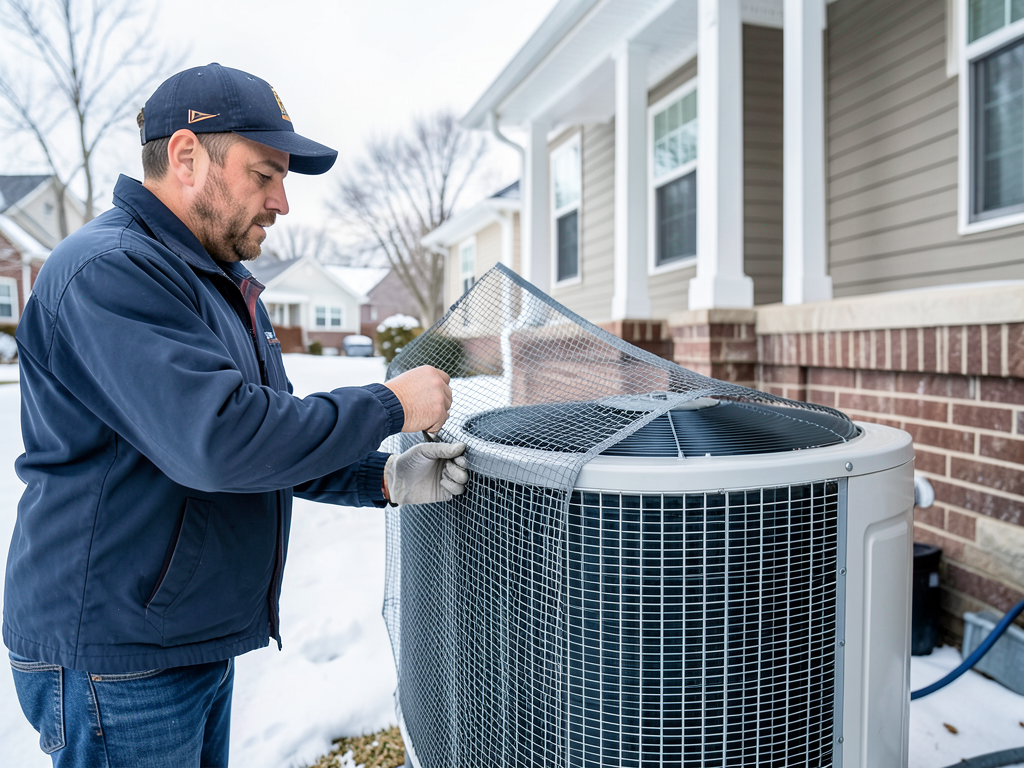
Physical barriers form the first defense line. Install heavy-duty mesh screening over all outdoor unit openings, including the top and sides. Use hardware cloth with openings no larger than 1/4 inch—standard window screening tears too easily for determined rodents. Secure the mesh with rust-resistant screws rather than adhesive, which rodents can chew through.
Seal building envelope gaps prevent entry. Inspect your home’s exterior for gaps around pipes, vents, and utility penetrations. Use steel wool combined with expanding foam for small gaps, and galvanized metal flashing for larger openings. Rodents cannot chew through metal, making these materials ideal for exclusion work.
Landscaping modifications reduce habitat near equipment. Keep vegetation trimmed at least 18 inches away from outdoor units. Remove wood piles, leaf litter, and debris that provide nesting materials and shelter. Consider gravel beds around outdoor units instead of mulch, which rodents use for nesting.
Regular maintenance catches problems early. Schedule bi-annual HVAC inspections that include checking for signs of rodent activity. Professional technicians can identify entry points and damage before they become major issues. Many companies offer maintenance plans that include rodent prevention inspections. The Most Trusted AC Maintenance Experts in West Allis.
Proper storage eliminates food sources. Keep pet food, bird seed, and other potential rodent attractants in sealed metal containers rather than paper or plastic bags. Clean up spills immediately and avoid leaving food out overnight, even indoors.
Lighting modifications deter nocturnal activity. Install motion-activated lights near outdoor HVAC equipment. Rodents prefer darkness and avoid well-lit areas. Solar-powered options work well for areas without convenient electrical access.
Professional exclusion services provide comprehensive protection. Pest control professionals can identify and seal entry points throughout your home, not just around HVAC equipment. They also offer monitoring services to detect new rodent activity before damage occurs. AC Service Germantown.
Smart home integration enables early detection. Install wireless sensors near HVAC components that alert you to unusual activity or temperature changes. Some systems integrate with security systems to provide comprehensive monitoring of potential entry points.
Community coordination enhances effectiveness. Rodent problems often affect entire neighborhoods. Coordinate prevention efforts with neighbors, especially in areas near wooded or natural spaces. Community-wide exclusion efforts prove more effective than individual property protection.
Documentation helps track patterns. Keep records of any rodent activity, including dates, locations, and types of damage. This information helps identify seasonal patterns and high-risk areas that need extra attention during peak activity periods.
Cost Comparison: Prevention vs. Repair
| Service Type | Average Cost Range | Frequency | Long-term Value |
|---|---|---|---|
| Mesh screening installation | $150-300 | One-time | High – prevents most damage |
| Professional exclusion service | $300-800 | Every 2-3 years | High – comprehensive protection |
| Bi-annual HVAC inspection | $150-250 | Twice yearly | Medium – early detection |
| Duct cleaning | $300-500 | Every 3-5 years | Medium – maintains air quality |
| Electrical wiring repair | $200-600 | As needed | Low – only after damage |
| Ductwork replacement | $1,500-4,000 | Only if severely damaged | Low – expensive emergency |
| Furnace replacement | $3,000-7,000 | Only if contaminated | Very low – major emergency |
Milwaukee-Area Rodent Species and Their Behaviors
| Species | Size | Common Entry Points | Activity Peak | Damage Pattern |
|---|---|---|---|---|
| Norway Rat | 7-9 inches | Foundation gaps, utility penetrations | Night | Large chew marks, extensive nesting |
| House Mouse | 2-3 inches | 1/4 inch gaps, vents | Night/Dawn | Multiple small entry points, wire chewing |
| Eastern Gray Squirrel | 9-12 inches | Roof vents, soffits | Day | Large nests, insulation damage |
| White-footed Mouse | 3-4 inches | Small gaps, weep holes | Night | Wire damage, contamination |
Frequently Asked Questions
How do I know if rodents have damaged my HVAC system?
Look for signs like unusual noises from vents, foul odors when the system runs, visible droppings near outdoor units, chewed wires, or sudden increases in energy bills. If you notice any of these symptoms, schedule a professional inspection immediately. HVAC Inspection.
Can rodent damage to HVAC systems be covered by insurance?
Coverage varies by policy. Some homeowners insurance policies cover sudden and accidental damage from rodents, while others specifically exclude rodent damage. Check your policy details or contact your insurance provider to understand your coverage before proceeding with repairs.
How much does it cost to repair rodent damage to HVAC systems?
Repair costs vary widely based on damage extent. Minor repairs like replacing chewed wiring might cost $200-600, while extensive damage requiring ductwork replacement can cost $1,500-4,000 or more. Prevention through exclusion services typically costs $300-800 and prevents these expensive repairs.
What health risks are associated with rodent-infested HVAC systems?
Rodent infestations can spread hantavirus, trigger allergic reactions, circulate bacteria and mold spores, and expose occupants to ammonia from urine. Contaminated air can cause respiratory issues, especially in children, elderly individuals, and those with pre-existing conditions.
How can I prevent rodents from damaging my HVAC system?
Install heavy-duty mesh screening over outdoor unit openings, seal all gaps around your home’s exterior with metal materials, keep vegetation trimmed away from equipment, schedule regular professional inspections, and eliminate food sources that attract rodents to your property.
How often should I have my HVAC system inspected for rodent damage?
Schedule professional inspections twice yearly, ideally in spring and fall. These inspections should include checking for signs of rodent activity, ensuring all protective barriers remain intact, and verifying that no new entry points have developed around your home’s exterior.
Is it safe to clean up rodent droppings myself?
No. Rodent droppings and contaminated materials require specialized cleaning procedures to prevent airborne disease transmission. Always contact professionals for cleanup of rodent-infested HVAC components to ensure safe and thorough sanitization.
What should I do if I find rodent damage in my HVAC system?
Stop using the system immediately to prevent circulating contaminated air. Contact a licensed HVAC professional who can assess the damage, provide repair recommendations, and coordinate with pest control services if active infestation is present.
- Inspect Outdoor Unit
Check for chew marks, nesting materials, and entry holes around the base of your condenser unit. Look for visible damage to wiring or insulation.
- Install Protective Barriers
Attach heavy-duty mesh screening over all openings in the outdoor unit using rust-resistant screws. Ensure coverage extends to the bottom where rodents often enter.
- Seal Entry Points
Inspect your home’s exterior for gaps around pipes, vents, and utility penetrations. Seal openings with steel wool and expanding foam, or metal flashing for larger gaps.
- Schedule Professional Inspection
Contact a licensed HVAC technician to perform a comprehensive system inspection, checking for hidden damage and contamination inside ductwork and air handlers.
- Implement Prevention Plan
Work with pest control professionals to establish ongoing monitoring and exclusion services. Consider bi-annual HVAC maintenance that includes rodent prevention checks.
Take Action to Protect Your Home Today
Rodent damage to HVAC systems creates serious risks for Mequon homeowners, from fire hazards to health concerns. The combination of Wisconsin’s harsh winters and suburban environments makes your heating and cooling equipment particularly vulnerable to these persistent pests.
Don’t wait until you hear scratching in your vents or notice strange odors coming from your registers. Early intervention prevents costly repairs and protects your family’s health. Professional inspections can identify problems before they escalate into emergency situations.
Elite Heating & Cooling Milwaukee specializes in protecting homes throughout the greater Milwaukee area from rodent-related HVAC damage. Our technicians understand the specific challenges Mequon homeowners face and provide comprehensive solutions that address both immediate problems and long-term prevention.
Whether you need a thorough system inspection, protective barrier installation, or complete system evaluation after suspected damage, we offer the expertise and local knowledge to keep your home safe and comfortable year-round.
Call Elite Heating & Cooling Milwaukee today at (414) 375-7888 to schedule your HVAC inspection and rodent prevention consultation. Protect your investment and your family’s health before Wisconsin’s next cold snap drives rodents to seek shelter in your home’s most critical systems. For more information, visit CDC Hantavirus Information.
{
“@context”: “https://schema.org”,
“@type”: “BlogPosting”,
“headline”: “Protecting Your HVAC System from Rodent Damage During a Mequon Winter”,
“description”: “Rodent damage can destroy your HVAC system during harsh Wisconsin winters. Learn how to spot signs, prevent infestations, and protect your Mequon home.”,
“wordCount”: 2836,
“datePublished”: “2026-05-13T10:08:00.000Z”,
“dateModified”: “2026-05-13T10:08:00.000Z”,
“inLanguage”: “en-US”,
“mainEntityOfPage”: {
“@type”: “WebPage”,
“@id”: “https://eliteheatingandcoolingmilwaukee.com”
},
“publisher”: {
“@type”: “LocalBusiness”,
“name”: “Elite Heating and Cooling Milwaukee”,
“url”: “https://eliteheatingandcoolingmilwaukee.com”
},
“author”: {
“@type”: “Organization”,
“name”: “Elite Heating and Cooling Milwaukee”,
“url”: “https://eliteheatingandcoolingmilwaukee.com”
},
“image”: {
“@type”: “ImageObject”,
“url”: “https://eliteheatingandcoolingmilwaukee.com/wp-content/uploads/2026/03/protecting-your-hvac-system-from-rodent-damage-dur-1.png”
}
}
{
“@context”: “https://schema.org”,
“@type”: “HVACBusiness”,
“name”: “Elite Heating and Cooling Milwaukee”,
“url”: “https://eliteheatingandcoolingmilwaukee.com”,
“address”: {
“@type”: “PostalAddress”,
“addressLocality”: “Milwaukee”
},
“areaServed”: {
“@type”: “City”,
“name”: “Milwaukee”
}
}
{
“@context”: “https://schema.org”,
“@type”: “FAQPage”,
“mainEntity”: [
{
“@type”: “Question”,
“name”: “How do I know if rodents have damaged my HVAC system?”,
“acceptedAnswer”: {
“@type”: “Answer”,
“text”: “Look for signs like unusual noises from vents, foul odors when the system runs, visible droppings near outdoor units, chewed wires, or sudden increases in energy bills. If you notice any of these symptoms, schedule a professional inspection immediately. HVAC Inspection.”
}
},
{
“@type”: “Question”,
“name”: “Can rodent damage to HVAC systems be covered by insurance?”,
“acceptedAnswer”: {
“@type”: “Answer”,
“text”: “Coverage varies by policy. Some homeowners insurance policies cover sudden and accidental damage from rodents, while others specifically exclude rodent damage. Check your policy details or contact your insurance provider to understand your coverage before proceeding with repairs.”
}
},
{
“@type”: “Question”,
“name”: “How much does it cost to repair rodent damage to HVAC systems?”,
“acceptedAnswer”: {
“@type”: “Answer”,
“text”: “Repair costs vary widely based on damage extent. Minor repairs like replacing chewed wiring might cost $200-600, while extensive damage requiring ductwork replacement can cost $1,500-4,000 or more. Prevention through exclusion services typically costs $300-800 and prevents these expensive repairs.”
}
},
{
“@type”: “Question”,
“name”: “What health risks are associated with rodent-infested HVAC systems?”,
“acceptedAnswer”: {
“@type”: “Answer”,
“text”: “Rodent infestations can spread hantavirus, trigger allergic reactions, circulate bacteria and mold spores, and expose occupants to ammonia from urine. Contaminated air can cause respiratory issues, especially in children, elderly individuals, and those with pre-existing conditions.”
}
},
{
“@type”: “Question”,
“name”: “How can I prevent rodents from damaging my HVAC system?”,
“acceptedAnswer”: {
“@type”: “Answer”,
“text”: “Install heavy-duty mesh screening over outdoor unit openings, seal all gaps around your home’s exterior with metal materials, keep vegetation trimmed away from equipment, schedule regular professional inspections, and eliminate food sources that attract rodents to your property.”
}
},
{
“@type”: “Question”,
“name”: “How often should I have my HVAC system inspected for rodent damage?”,
“acceptedAnswer”: {
“@type”: “Answer”,
“text”: “Schedule professional inspections twice yearly, ideally in spring and fall. These inspections should include checking for signs of rodent activity, ensuring all protective barriers remain intact, and verifying that no new entry points have developed around your home’s exterior.”
}
},
{
“@type”: “Question”,
“name”: “Is it safe to clean up rodent droppings myself?”,
“acceptedAnswer”: {
“@type”: “Answer”,
“text”: “No. Rodent droppings and contaminated materials require specialized cleaning procedures to prevent airborne disease transmission. Always contact professionals for cleanup of rodent-infested HVAC components to ensure safe and thorough sanitization.”
}
},
{
“@type”: “Question”,
“name”: “What should I do if I find rodent damage in my HVAC system?”,
“acceptedAnswer”: {
“@type”: “Answer”,
“text”: “Stop using the system immediately to prevent circulating contaminated air. Contact a licensed HVAC professional who can assess the damage, provide repair recommendations, and coordinate with pest control services if active infestation is present.”
}
}
]
}
{
“@context”: “https://schema.org”,
“@type”: “HowTo”,
“name”: “Protect Your HVAC from Rodents”,
“step”: [
{
“@type”: “HowToStep”,
“position”: 1,
“name”: “Inspect Outdoor Unit”,
“text”: “Check for chew marks, nesting materials, and entry holes around the base of your condenser unit. Look for visible damage to wiring or insulation.”
},
{
“@type”: “HowToStep”,
“position”: 2,
“name”: “Install Protective Barriers”,
“text”: “Attach heavy-duty mesh screening over all openings in the outdoor unit using rust-resistant screws. Ensure coverage extends to the bottom where rodents often enter.”
},
{
“@type”: “HowToStep”,
“position”: 3,
“name”: “Seal Entry Points”,
“text”: “Inspect your home’s exterior for gaps around pipes, vents, and utility penetrations. Seal openings with steel wool and expanding foam, or metal flashing for larger gaps.”
},
{
“@type”: “HowToStep”,
“position”: 4,
“name”: “Schedule Professional Inspection”,
“text”: “Contact a licensed HVAC technician to perform a comprehensive system inspection, checking for hidden damage and contamination inside ductwork and air handlers.”
},
{
“@type”: “HowToStep”,
“position”: 5,
“name”: “Implement Prevention Plan”,
“text”: “Work with pest control professionals to establish ongoing monitoring and exclusion services. Consider bi-annual HVAC maintenance that includes rodent prevention checks.”
}
],
“image”: “https://eliteheatingandcoolingmilwaukee.com/wp-content/uploads/2026/03/protecting-your-hvac-system-from-rodent-damage-dur-1.png”
}
{
“@context”: “https://schema.org”,
“@type”: “BreadcrumbList”,
“itemListElement”: [
{
“@type”: “ListItem”,
“position”: 1,
“name”: “Home”,
“item”: “https://eliteheatingandcoolingmilwaukee.com”
},
{
“@type”: “ListItem”,
“position”: 2,
“name”: “Blog”,
“item”: “https://eliteheatingandcoolingmilwaukee.com/blog”
},
{
“@type”: “ListItem”,
“position”: 3,
“name”: “Protecting Your HVAC System from Rodent Damage During a Mequon Winter”
}
]
}
{
“@context”: “https://schema.org”,
“@type”: “Service”,
“serviceType”: “HVAC”,
“provider”: {
“@type”: “LocalBusiness”,
“name”: “Elite Heating and Cooling Milwaukee”,
“url”: “https://eliteheatingandcoolingmilwaukee.com”
},
“areaServed”: {
“@type”: “City”,
“name”: “Milwaukee”
},
“description”: “Rodent damage can destroy your HVAC system during harsh Wisconsin winters. Learn how to spot signs, prevent infestations, and protect your Mequon home.”
}