
Beyond the Alarm — Understanding How Your Furnace Impacts Carbon Monoxide Safety in Wauwatosa
Every winter in Wauwatosa the furnace kicks on and homeowners breathe a sigh of relief. But that sigh can turn deadly if carbon monoxide leaks into your home. Carbon monoxide is odorless colorless and tasteless which is why it earns the name “silent killer.” This article explains how your furnace can produce CO what symptoms to watch for and how to keep your Wauwatosa home safe.
What is Carbon Monoxide and Why is it the ‘Silent Killer’?
Carbon monoxide forms when fuels like natural gas propane or oil burn incompletely. In Wauwatosa’s older homes with aging furnaces incomplete combustion is a real risk. CO displaces oxygen in your blood and can cause brain damage or death in minutes. According to the Wisconsin Department of Health Services over 500 Wisconsin residents visit emergency rooms each year for CO poisoning. Most incidents occur during the heating season when furnaces run constantly.
Common Causes of CO Leaks in Gas Furnaces
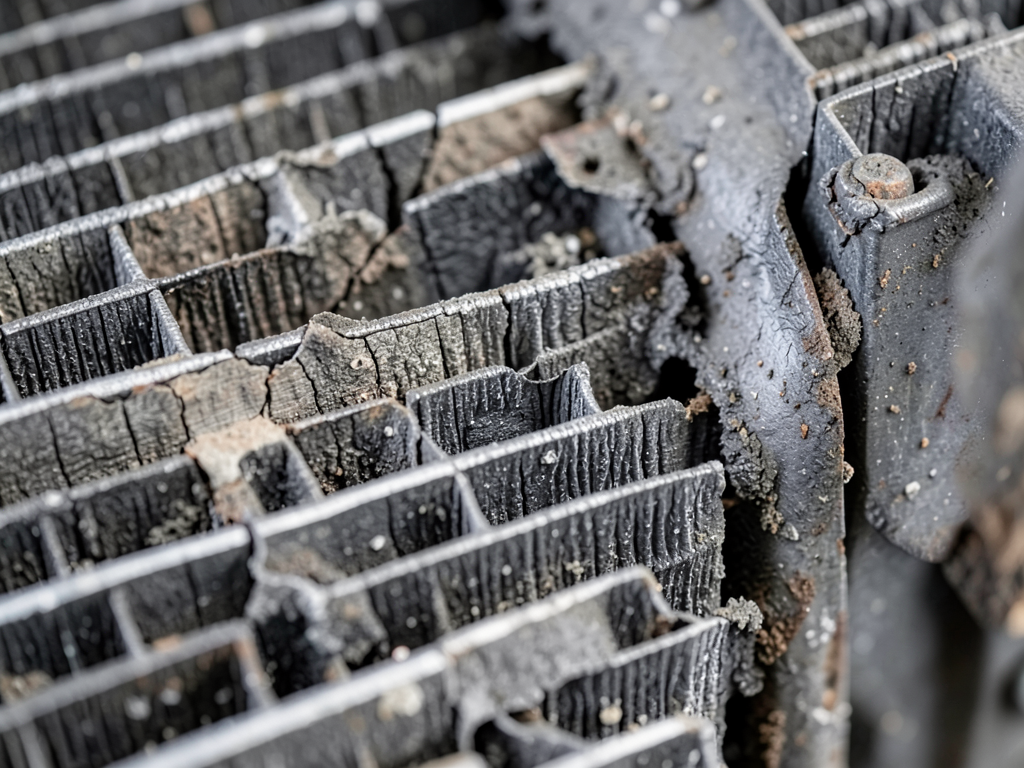
Several furnace problems can cause carbon monoxide to leak into your Wauwatosa home. A cracked heat exchanger is the most common culprit. The heat exchanger is a metal chamber that separates combustion gases from your indoor air. Over time corrosion or metal fatigue can create cracks that let CO escape. Wauwatosa’s older housing stock built in the 1950s and 1960s often has original heat exchangers nearing the end of their service life.
Blocked or corroded flue pipes are another major cause. Snow and ice buildup during Wauwatosa’s lake effect storms can block vents. Animals nesting in vents or deteriorating vent connections also cause backdrafting where CO flows back into the home instead of venting outside. A malfunctioning pilot light or thermocouple can cause incomplete combustion leading to higher CO production. Finally a furnace that is too large or too small for your home’s heating load can cause short cycling and incomplete combustion.
Recognizing the Symptoms of Carbon Monoxide Poisoning
CO poisoning symptoms mimic the flu. Early signs include headache dizziness nausea and fatigue. As exposure continues symptoms worsen to confusion chest pain and loss of coordination. The key difference from the flu is that CO symptoms improve when you leave the house and return when you come back inside. Pets often show symptoms first since they are smaller and more sensitive to CO.
Your furnace itself can show warning signs. Soot streaks around the furnace or on vents indicate incomplete combustion. A yellow or flickering burner flame instead of a steady blue flame suggests problems. Excessive moisture on windows or walls can indicate backdrafting. If you notice any of these signs turn off your furnace and call a professional immediately. Bay View Heat Pump Installers for Year Round Comfort and Efficiency.
How to Test Your Milwaukee Home for CO Leaks
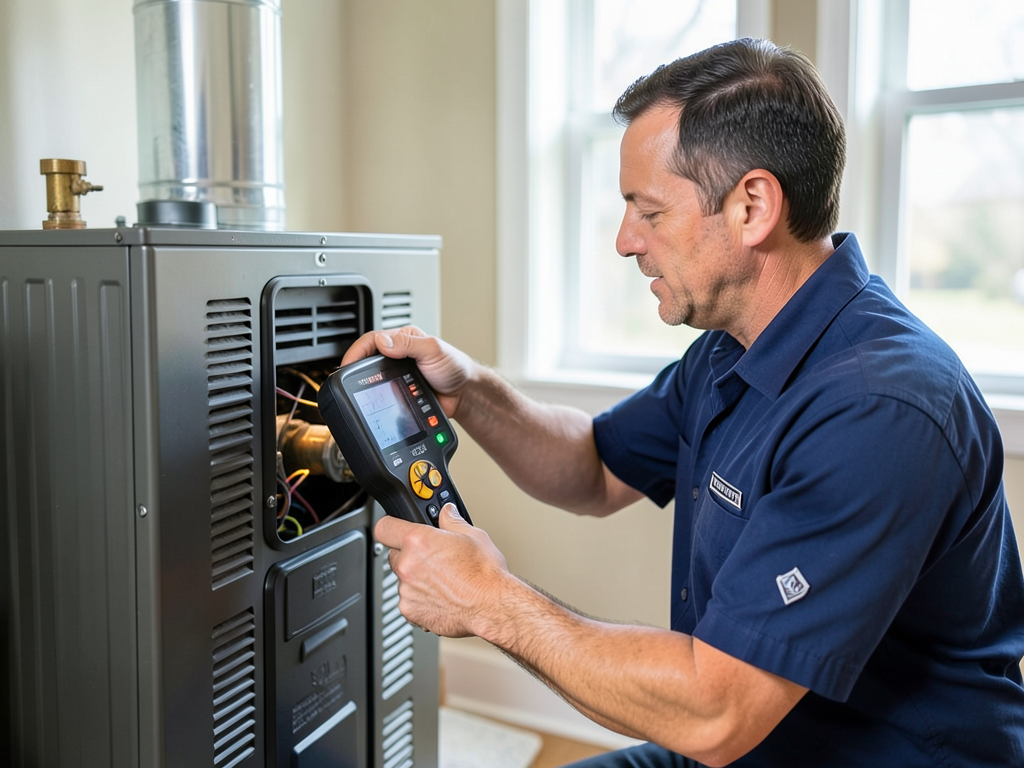
Professional testing is the only reliable way to detect CO leaks. A certified HVAC technician uses a combustion analyzer to measure CO levels in flue gases and around the furnace. The analyzer detects CO in parts per million and can identify whether your furnace is operating safely. In Wauwatosa homes with basements the technician will also test for backdrafting conditions that can occur when powerful exhaust fans compete with your furnace for air. Professional Duct Cleaning for Better Air Quality in Menomonee Falls.
Home CO detectors are essential but they are not foolproof. Standard UL 2034 detectors are designed to sound only at high CO levels that pose immediate danger. They may not detect low-level chronic exposure that can cause long-term health effects. For complete protection use both professional testing and properly placed CO detectors.
Essential Prevention: Maintenance and CO Detectors
Annual furnace maintenance is your best defense against CO leaks. A professional tune-up includes inspecting the heat exchanger for cracks testing combustion efficiency and checking all safety controls. The technician will also clean burners adjust gas pressure and verify proper venting. In Wauwatosa’s climate where furnaces run for six to seven months per year this annual checkup is critical. The Most Trusted AC Maintenance Experts in West Allis.
CO detectors should be installed on every level of your home including the basement. Place them near sleeping areas and within fifteen feet of fuel-burning appliances. Test detectors monthly and replace batteries every six months. CO detectors have a limited lifespan usually five to seven years. Replace them according to the manufacturer’s instructions even if they appear to be working.
Hardwired detectors with battery backup offer the most reliable protection. Interconnected detectors that all sound when one detects CO provide the fastest warning throughout your home. Some newer models include digital displays that show CO levels in real time allowing you to spot problems before they become dangerous.
Emergency Protocol: What to Do if Your Alarm Goes Off
If your CO alarm sounds immediate action can save lives. Get everyone outside to fresh air right away. Do not waste time opening windows or trying to find the source. Call 911 and report a possible CO emergency. Do not re-enter your home until emergency responders declare it safe. If anyone shows symptoms of CO poisoning especially children or elderly people seek immediate medical attention.
After the emergency contact your HVAC company to inspect and repair the source of the CO. Do not use your furnace again until it has been professionally serviced. In Wauwatosa’s freezing winters a malfunctioning furnace can be more than an inconvenience it can be deadly if it produces CO while you sleep.
Milwaukee-Specific Safety Considerations
Wauwatosa’s climate creates unique furnace safety challenges. Our extended heating season means furnaces run longer and experience more wear. The lake effect snow and ice can block exterior vents causing dangerous backdrafting. Many Wauwatosa homes built in the mid-20th century have original furnaces with heat exchangers that have been expanding and contracting for over fifty years.
Wisconsin state law requires CO detectors in all residential buildings with fuel-burning appliances. Wauwatosa follows these requirements but local building inspectors recommend additional detectors in homes with attached garages since vehicle exhaust can also produce CO. The city’s building code also requires proper venting for high-efficiency furnaces which produce cooler exhaust gases that can create condensation and corrosion in older vent systems.
Many Wauwatosa homes have basements where furnaces are installed. Basements can accumulate CO if there is poor ventilation or if laundry dryers or water heaters compete for combustion air. The clay-heavy soil common in Wauwatosa can also contribute to moisture problems that accelerate furnace corrosion. Professional inspection can identify these local risk factors specific to your home. HVAC Inspection.
CO Detector Comparison Table
| Detector Type | Power Source | Lifespan | Best For |
|---|---|---|---|
| Battery Only | AA or 9V batteries | 5-7 years | Easy installation anywhere |
| Hardwired with Battery Backup | AC power with 9V backup | 7-10 years | Whole home protection |
| Digital Display | Battery or hardwired | 5-7 years | Monitoring low-level CO |
| Smart Wi-Fi | Hardwired or battery | 7-10 years | Remote monitoring alerts |
Professional Maintenance Checklist
- Inspect heat exchanger for cracks or corrosion
- Test combustion efficiency and CO levels
- Check and clean burners
- Inspect and clear flue pipe and venting
- Test all safety controls and limit switches
- Check gas pressure and manifold pressure
- Inspect and clean flame sensor
- Verify proper airflow and filter condition
- Test thermostat operation
- Check for gas leaks with electronic detector
Frequently Asked Questions
How often should I replace my CO detector?
CO detectors should be replaced every five to seven years depending on the model. Check the manufacturing date on the back of your detector. Even if it appears to be working properly the sensors degrade over time and may not detect CO at dangerous levels.
Can I smell carbon monoxide?
No carbon monoxide is completely odorless. You cannot see it taste it or smell it. This is why it is called the “silent killer.” Some people confuse the smell of natural gas with CO but natural gas has an added odorant for leak detection while CO has no odor at all.
Should I get my furnace inspected if it is working fine?
Yes annual inspections are essential even for furnaces that seem to be working properly. Many CO problems develop gradually and are not noticeable until they become dangerous. A professional inspection can catch small issues before they become life-threatening emergencies.
What should I do if my CO detector goes off but I feel fine?
Get outside immediately and call 911. CO can cause serious harm before you feel symptoms especially during sleep. Emergency responders have equipment to measure CO levels and determine if your home is safe. Do not ignore the alarm even if everyone feels okay.
Take Action Today
Carbon monoxide safety is not something to leave to chance. If you live in Wauwatosa or anywhere in the greater Milwaukee area and have not had your furnace inspected recently call Elite Heating & Cooling Milwaukee at (414) 375-7888. Our certified technicians will perform a complete safety inspection including combustion analysis and heat exchanger examination. We serve Wauwatosa West Allis and all surrounding communities with 24/7 emergency service when you need it most. HVAC West Allis.
Do not wait for your CO alarm to sound. Schedule your furnace safety inspection today and protect your family from the silent killer. Your peace of mind is worth the call.
Wisconsin Department of Health Services CO Information
EPA Guide to Combustion Appliances
{
“@context”: “https://schema.org”,
“@type”: “BlogPosting”,
“headline”: “Beyond the Alarm — Understanding How Your Furnace Impacts Carbon Monoxide Safety in Wauwatosa”,
“description”: “Learn how Wauwatosa furnaces create carbon monoxide risks and how to protect your family with proper maintenance and detectors.”,
“wordCount”: 1558,
“datePublished”: “2026-05-05T11:44:00.000Z”,
“dateModified”: “2026-05-05T11:44:00.000Z”,
“inLanguage”: “en-US”,
“mainEntityOfPage”: {
“@type”: “WebPage”,
“@id”: “https://eliteheatingandcoolingmilwaukee.com”
},
“publisher”: {
“@type”: “LocalBusiness”,
“name”: “Elite Heating and Cooling Milwaukee”,
“url”: “https://eliteheatingandcoolingmilwaukee.com”
},
“author”: {
“@type”: “Organization”,
“name”: “Elite Heating and Cooling Milwaukee”,
“url”: “https://eliteheatingandcoolingmilwaukee.com”
},
“image”: {
“@type”: “ImageObject”,
“url”: “https://eliteheatingandcoolingmilwaukee.com/wp-content/uploads/2026/03/beyond-the-alarm-understanding-how-your-furnace-im-1.png”
}
}
{
“@context”: “https://schema.org”,
“@type”: “HVACBusiness”,
“name”: “Elite Heating and Cooling Milwaukee”,
“url”: “https://eliteheatingandcoolingmilwaukee.com”,
“address”: {
“@type”: “PostalAddress”,
“addressLocality”: “Milwaukee”
},
“areaServed”: {
“@type”: “City”,
“name”: “Milwaukee”
}
}
{
“@context”: “https://schema.org”,
“@type”: “FAQPage”,
“mainEntity”: [
{
“@type”: “Question”,
“name”: “What is Carbon Monoxide and Why is it the ‘Silent Killer’?”,
“acceptedAnswer”: {
“@type”: “Answer”,
“text”: “Carbon monoxide forms when fuels like natural gas propane or oil burn incompletely. In Wauwatosa’s older homes with aging furnaces incomplete combustion is a real risk. CO displaces oxygen in your blood and can cause brain damage or death in minutes. According to the Wisconsin Department of Health Services over 500 Wisconsin residents visit emergency rooms each year for CO poisoning. Most incidents occur during the heating season when furnaces run constantly.”
}
},
{
“@type”: “Question”,
“name”: “How often should I replace my CO detector?”,
“acceptedAnswer”: {
“@type”: “Answer”,
“text”: “CO detectors should be replaced every five to seven years depending on the model. Check the manufacturing date on the back of your detector. Even if it appears to be working properly the sensors degrade over time and may not detect CO at dangerous levels.”
}
},
{
“@type”: “Question”,
“name”: “Can I smell carbon monoxide?”,
“acceptedAnswer”: {
“@type”: “Answer”,
“text”: “No carbon monoxide is completely odorless. You cannot see it taste it or smell it. This is why it is called the \”silent killer.\” Some people confuse the smell of natural gas with CO but natural gas has an added odorant for leak detection while CO has no odor at all.”
}
},
{
“@type”: “Question”,
“name”: “Should I get my furnace inspected if it is working fine?”,
“acceptedAnswer”: {
“@type”: “Answer”,
“text”: “Yes annual inspections are essential even for furnaces that seem to be working properly. Many CO problems develop gradually and are not noticeable until they become dangerous. A professional inspection can catch small issues before they become life-threatening emergencies.”
}
},
{
“@type”: “Question”,
“name”: “What should I do if my CO detector goes off but I feel fine?”,
“acceptedAnswer”: {
“@type”: “Answer”,
“text”: “Get outside immediately and call 911. CO can cause serious harm before you feel symptoms especially during sleep. Emergency responders have equipment to measure CO levels and determine if your home is safe. Do not ignore the alarm even if everyone feels okay.”
}
}
]
}
{
“@context”: “https://schema.org”,
“@type”: “BreadcrumbList”,
“itemListElement”: [
{
“@type”: “ListItem”,
“position”: 1,
“name”: “Home”,
“item”: “https://eliteheatingandcoolingmilwaukee.com”
},
{
“@type”: “ListItem”,
“position”: 2,
“name”: “Blog”,
“item”: “https://eliteheatingandcoolingmilwaukee.com/blog”
},
{
“@type”: “ListItem”,
“position”: 3,
“name”: “Beyond the Alarm — Understanding How Your Furnace Impacts Carbon Monoxide Safety in Wauwatosa”
}
]
}
{
“@context”: “https://schema.org”,
“@type”: “Service”,
“serviceType”: “HVAC”,
“provider”: {
“@type”: “LocalBusiness”,
“name”: “Elite Heating and Cooling Milwaukee”,
“url”: “https://eliteheatingandcoolingmilwaukee.com”
},
“areaServed”: {
“@type”: “City”,
“name”: “Milwaukee”
},
“description”: “Learn how Wauwatosa furnaces create carbon monoxide risks and how to protect your family with proper maintenance and detectors.”
}