
Why Your West Allis Sunroom Needs the Right Mini Split Brand
Your sunroom in West Allis deserves year-round comfort but Wisconsin’s climate poses unique challenges. The brutal winter winds coming off Lake Michigan and the high humidity of our summers demand heating and cooling equipment that can handle extreme conditions. When comparing Daikin and Mitsubishi mini splits you need to look beyond basic specifications to understand how each brand performs when temperatures plummet below zero. Bay View Heat Pump Installers for Year Round Comfort and Efficiency.
Both Daikin and Mitsubishi build premium Japanese-engineered systems but their approaches to cold climate performance differ significantly. Understanding these differences helps you make the right choice for your sunroom whether it is a three-season addition that needs winter upgrades or a fully insulated year-round space.. Read more about Why High Tech HVAC Systems in New Berlin Need Dedicated Surge Protection.
Milwaukee homeowners face specific challenges that affect mini split performance. The freeze-thaw cycles common to our area can stress outdoor units while the high humidity requires excellent dehumidification capabilities. Your choice between these two brands impacts not just comfort but also long-term reliability and energy costs.. Read more about What Milwaukee Homeowners Need to Know About the Switch to R-454B Refrigerant.
Comparing Cold Climate Performance: Hyper-Heat vs Aurora
Wisconsin winters test heating equipment like nowhere else in the continental United States. When comparing Daikin and Mitsubishi for your West Allis sunroom the most critical factor is how each brand handles sub-zero temperatures.
Mitsubishi’s Hyper-Heat technology represents the industry benchmark for cold climate performance. Their H2i systems maintain full heating capacity down to -13°F and continue providing heat at temperatures as low as -22°F. This technology uses enhanced compressor systems and specialized refrigerant flow control to extract heat from frigid outdoor air when other systems would shut down completely.
Daikin’s Aurora series offers solid cold climate performance but with different engineering. Their low-ambient heating systems maintain capacity down to -4°F and provide backup heat down to -20°F. While these numbers seem close the practical difference becomes clear during extended polar vortex events when West Allis experiences multiple days below zero.
For a sunroom application this performance difference matters significantly. Sunrooms typically have more glass exposure and less insulation than the main house. During severe cold snaps a Mitsubishi Hyper-Heat system maintains consistent temperatures while a Daikin Aurora system might struggle to keep up requiring supplemental electric resistance heat that drives up energy costs.. Read more about How to Claim Local Energy Rebates for HVAC Upgrades in Oconomowoc.
The table below compares key cold climate specifications for both brands’ premium cold-weather series:
| Specification | Mitsubishi Hyper-Heat | Daikin Aurora |
|---|---|---|
| Full Capacity Temperature | -13°F | -4°F |
| Minimum Operating Temperature | -22°F | -20°F | Defrost Cycle Efficiency | 30% faster | Standard |
| Heating Capacity Retention at 5°F | 100% | 85% |
Energy Efficiency: SEER2 and HSPF2 Ratings
Modern mini splits use SEER2 and HSPF2 ratings which provide more accurate efficiency measurements than the older SEER and HSPF standards. Both Daikin and Mitsubishi offer high-efficiency models but their engineering approaches differ.
Mitsubishi’s premium systems achieve up to 33.0 SEER2 and 15.0 HSPF2 in ideal conditions. Their variable-speed compressors adjust precisely to heating and cooling demands reducing energy waste. The company’s focus on inverter technology means their systems rarely run at full power instead maintaining optimal efficiency through continuous modulation. Focus on Energy rebates.
Daikin counters with systems reaching 30.5 SEER2 and 13.5 HSPF2. Their swing compressor technology provides smooth operation and their intelligent defrosting reduces energy consumption during winter months. Daikin emphasizes system integration with their whole-home VRF solutions though their single-zone mini splits remain competitive.
For a West Allis sunroom the efficiency difference translates to modest annual savings with Mitsubishi systems typically using 8-12% less electricity than comparable Daikin models. Over a ten-year period this difference can offset the higher initial equipment cost of Mitsubishi systems particularly in homes with heavy sunroom usage.
Current utility rebates through Focus on Energy often favor higher-efficiency equipment. Both brands qualify for incentives but Mitsubishi’s superior ratings sometimes qualify for additional rebates making the total installed cost more competitive than the equipment price alone suggests.
Air Quality Features for Milwaukee’s Climate
Milwaukee’s high humidity and pollen seasons create specific air quality challenges that affect mini split performance. Both brands offer advanced filtration but their approaches differ significantly.
Mitsubishi’s Nano Platinum filter captures particles down to 0.3 microns including most pollen and mold spores common to Wisconsin. Their systems also feature plasma quad filtration that reduces odors and some viruses. The filters last up to ten years requiring only occasional cleaning rather than replacement. Professional Duct Cleaning for Better Air Quality in Menomonee Falls.
Daikin’s Flash Streamer technology uses a photocatalytic filter combined with a streamer discharge unit to break down allergens and odors. Their titanium apatite filter captures smaller particles than standard filters and the system includes a moisture removal function that helps control humidity levels during muggy Wisconsin summers.
For sunrooms with large glass areas and potential moisture issues from plants or humidity Daikin’s moisture removal capabilities provide an advantage. However Mitsubishi’s longer-lasting filters reduce maintenance costs over the system lifetime which matters for hard-to-reach sunroom installations. The Most Trusted AC Maintenance Experts in West Allis.
Both systems offer ventilation options and smart controls but Mitsubishi’s 3D i-see Sensor provides more precise occupancy detection adjusting airflow based on room usage patterns. This feature proves valuable in sunrooms that might be used sporadically throughout the day.
Warranty and Service Considerations in Milwaukee
Warranty terms often determine long-term ownership costs but require careful attention to installation requirements. Both brands offer strong warranties but with different conditions.
Mitsubishi provides a 12-year parts warranty when installed by a Diamond Contractor. This extended coverage requires registration within ninety days of installation and annual professional maintenance. The warranty covers compressor failures and major component replacements which can save thousands in repair costs over the system lifetime.
Daikin offers a 12-year parts warranty through their Comfort Pro network with similar registration and maintenance requirements. Their warranty includes coverage for inverter boards and control systems which some competitors exclude. However Daikin’s warranty requires more frequent professional inspections than Mitsubishi’s program. HVAC Inspection.
In Milwaukee’s climate both warranties prove valuable as extreme temperature swings and humidity stress HVAC components. The key difference lies in service network density. Milwaukee has more Diamond Contractors than Daikin Comfort Pros meaning faster emergency service response times for Mitsubishi systems.
Local parts availability also affects service quality. Both brands stock common parts in Milwaukee warehouses but Mitsubishi’s larger market share means more technicians stock their components reducing wait times for repairs.
Installation Costs and Local Factors
Installation costs for mini splits in West Allis depend on several factors beyond the equipment price. Labor rates in Milwaukee typically run 15-20% higher than national averages due to the specialized skills required for cold climate installations.
Focus on Energy rebates currently offer up to $2,500 for high-efficiency mini split installations in Wisconsin. Both brands qualify but the rebate amount depends on the system’s HSPF2 rating. Mitsubishi’s superior efficiency ratings often qualify for maximum rebates reducing the effective installed cost.
Federal tax credits under Section 25C provide additional savings of up to 30% of installation costs with caps of $2,000 for heat pumps. These credits apply to both brands when the systems meet minimum efficiency requirements which all current premium models satisfy. Federal tax credits.
Older homes in West Allis particularly those built before 1980 may require electrical panel upgrades to accommodate mini split installations. This additional cost ranges from $1,500 to $3,000 depending on the home’s existing electrical service. Both brands require similar electrical capacity but Mitsubishi’s systems sometimes offer more flexible voltage options reducing upgrade needs.
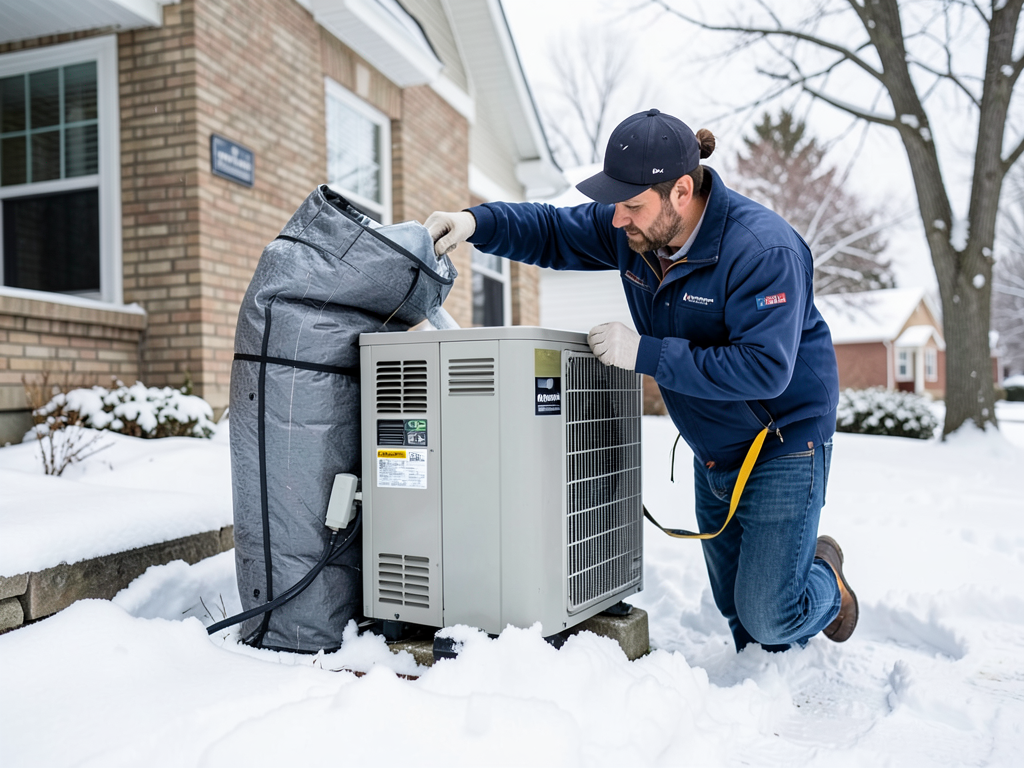
Outdoor unit placement affects installation complexity. Milwaukee’s heavy snowfall requires elevated mounting or protective covers. Mitsubishi’s outdoor units typically include better snow protection as standard equipment while Daikin often charges extra for these features.
Making the Right Choice for Your West Allis Sunroom
Your specific sunroom usage patterns and home characteristics should drive the brand decision. Consider these scenarios when choosing between Daikin and Mitsubishi.
For year-round sunroom use in West Allis Mitsubishi’s superior cold climate performance provides better value. The ability to maintain comfortable temperatures during polar vortex events without supplemental heating justifies the higher initial cost. The longer warranty and better service network availability also favor Mitsubishi for primary living spaces.
For seasonal sunroom use or three-season rooms Daikin’s solid performance at lower temperatures often provides adequate heating capacity at a lower price point. Their moisture removal capabilities excel in humid summer conditions making them ideal for sunrooms used primarily during spring and fall.
Consider your home’s electrical capacity and existing HVAC system. If your electrical panel needs upgrading Mitsubishi’s flexible voltage options might reduce installation costs. If you have an existing Daikin system in your home maintaining brand consistency simplifies controls and potentially reduces service costs.
Both brands offer excellent reliability when properly installed. The key differentiator becomes local support availability and the installer’s experience with sunroom applications. Choose an HVAC contractor familiar with Milwaukee’s specific climate challenges rather than focusing solely on equipment brand.
For West Allis residents the decision often comes down to finding the right contractor rather than obsessing over minor efficiency differences between brands. A skilled installer familiar with local building codes and climate conditions will maximize whichever system you choose. Finding the Best Central Air Conditioning Installation in Brookfield.
Ready to upgrade your sunroom with reliable year-round comfort? Call Elite Heating & Cooling Milwaukee at (414) 375-7888 for a free consultation and learn which system fits your specific needs and budget.
Frequently Asked Questions
Which mini split brand performs better in Milwaukee winters?
Mitsubishi’s Hyper-Heat technology outperforms Daikin’s Aurora series in extreme cold maintaining full heating capacity at lower temperatures and providing more reliable operation during polar vortex events common to West Allis.
How much do mini split installations cost in West Allis?
Installation costs range from $4,500 to $8,500 depending on system size and home requirements. Focus on Energy rebates and federal tax credits can reduce costs by up to $4,500 making high-efficiency systems more affordable.
Do I need permits for mini split installation in Milwaukee?
Yes Milwaukee County requires electrical and mechanical permits for mini split installations. A qualified HVAC contractor handles permit acquisition and ensures compliance with local building codes specific to sunroom applications.
You may also find this helpful. How to Keep Your New Home Office in Menomonee Falls Comfortable All Day.
You may also find this helpful. Why Your Windows Are Always Foggy and How Your HVAC System Can Solve the Problem.
{
“@context”: “https://schema.org”,
“@type”: “BlogPosting”,
“headline”: “Comparing Daikin and Mitsubishi Mini Splits for Your West Allis Sunroom”,
“description”: “Which mini split brand performs better in Milwaukee winters? Compare Daikin Aurora vs Mitsubishi Hyper-Heat for your West Allis sunroom.”,
“wordCount”: 1688,
“datePublished”: “2026-05-27T12:04:00.000Z”,
“dateModified”: “2026-05-27T12:04:00.000Z”,
“inLanguage”: “en-US”,
“mainEntityOfPage”: {
“@type”: “WebPage”,
“@id”: “https://eliteheatingandcoolingmilwaukee.com”
},
“publisher”: {
“@type”: “LocalBusiness”,
“name”: “Elite Heating and Cooling Milwaukee”,
“url”: “https://eliteheatingandcoolingmilwaukee.com”
},
“author”: {
“@type”: “Organization”,
“name”: “Elite Heating and Cooling Milwaukee”,
“url”: “https://eliteheatingandcoolingmilwaukee.com”
},
“image”: {
“@type”: “ImageObject”,
“url”: “https://eliteheatingandcoolingmilwaukee.com/wp-content/uploads/2026/03/comparing-daikin-and-mitsubishi-mini-splits-for-yo-1.png”
}
}
{
“@context”: “https://schema.org”,
“@type”: “HVACBusiness”,
“name”: “Elite Heating and Cooling Milwaukee”,
“url”: “https://eliteheatingandcoolingmilwaukee.com”,
“address”: {
“@type”: “PostalAddress”,
“addressLocality”: “Milwaukee”
},
“areaServed”: {
“@type”: “City”,
“name”: “Milwaukee”
}
}
{
“@context”: “https://schema.org”,
“@type”: “FAQPage”,
“mainEntity”: [
{
“@type”: “Question”,
“name”: “Which mini split brand performs better in Milwaukee winters?”,
“acceptedAnswer”: {
“@type”: “Answer”,
“text”: “Mitsubishi’s Hyper-Heat technology outperforms Daikin’s Aurora series in extreme cold maintaining full heating capacity at lower temperatures and providing more reliable operation during polar vortex events common to West Allis.”
}
},
{
“@type”: “Question”,
“name”: “How much do mini split installations cost in West Allis?”,
“acceptedAnswer”: {
“@type”: “Answer”,
“text”: “Installation costs range from $4,500 to $8,500 depending on system size and home requirements. Focus on Energy rebates and federal tax credits can reduce costs by up to $4,500 making high-efficiency systems more affordable.”
}
},
{
“@type”: “Question”,
“name”: “Do I need permits for mini split installation in Milwaukee?”,
“acceptedAnswer”: {
“@type”: “Answer”,
“text”: “Yes Milwaukee County requires electrical and mechanical permits for mini split installations. A qualified HVAC contractor handles permit acquisition and ensures compliance with local building codes specific to sunroom applications.”
}
}
]
}
{
“@context”: “https://schema.org”,
“@type”: “BreadcrumbList”,
“itemListElement”: [
{
“@type”: “ListItem”,
“position”: 1,
“name”: “Home”,
“item”: “https://eliteheatingandcoolingmilwaukee.com”
},
{
“@type”: “ListItem”,
“position”: 2,
“name”: “Blog”,
“item”: “https://eliteheatingandcoolingmilwaukee.com/blog”
},
{
“@type”: “ListItem”,
“position”: 3,
“name”: “Comparing Daikin and Mitsubishi Mini Splits for Your West Allis Sunroom”
}
]
}
{
“@context”: “https://schema.org”,
“@type”: “Service”,
“serviceType”: “HVAC”,
“provider”: {
“@type”: “LocalBusiness”,
“name”: “Elite Heating and Cooling Milwaukee”,
“url”: “https://eliteheatingandcoolingmilwaukee.com”
},
“areaServed”: {
“@type”: “City”,
“name”: “Milwaukee”
},
“description”: “Which mini split brand performs better in Milwaukee winters? Compare Daikin Aurora vs Mitsubishi Hyper-Heat for your West Allis sunroom.”
}