
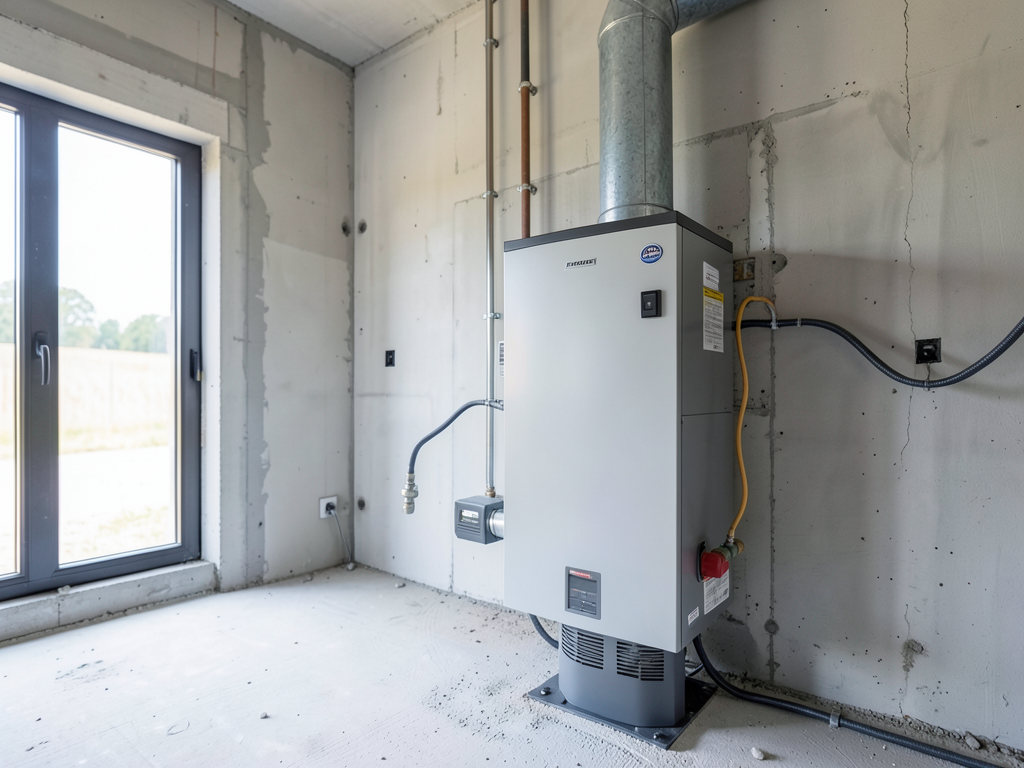
Comparing Electric Furnaces and Natural Gas Heating for New Builds in Hales Corners
Building a new home in Hales Corners means making critical decisions about your heating system before winter arrives. The choice between electric furnaces and natural gas heating affects not just your upfront construction costs but also your comfort during those harsh Milwaukee winters when temperatures can drop below zero for weeks at a time. We Energies official website.
Electric furnaces offer simplicity and safety while natural gas systems provide powerful heat at lower operating costs. Understanding how each system performs in our specific climate zone helps you avoid costly mistakes and ensures your family stays warm when those polar vortex events hit Southeast Wisconsin.
Understanding Milwaukee’s Winter Heating Demands
Hales Corners sits in USDA Plant Hardiness Zone 5b where winter design temperatures reach -10°F. This means your heating system must maintain indoor comfort when outdoor conditions become extreme. The area experiences lake effect snow from nearby Lake Michigan creating additional moisture and wind chill factors that increase heating loads.
Local building codes require new construction to meet specific insulation standards and heating capacity calculations. A properly sized system prevents both underheating during cold snaps and excessive cycling that wastes energy. Most Hales Corners homes need between 60,000 and 100,000 BTU per hour of heating capacity depending on square footage and insulation levels.. Read more about How an Energy Recovery Ventilator Improves Air Quality in Newer Grafton Homes.
Upfront Costs vs Long-Term Operating Expenses
Electric furnaces typically cost $2,500 to $4,000 for the unit plus $1,000 to $2,500 for installation. Natural gas furnaces range from $3,000 to $6,000 for the equipment with installation costs of $2,000 to $4,000. The higher installation cost for gas reflects the need for proper venting and gas line connections.
Operating costs tell a different story. Natural gas currently averages $1.10 to $1.50 per therm in the Milwaukee area while electricity costs approximately $0.14 to $0.16 per kilowatt-hour. A typical 2,000 square foot home in Hales Corners uses about 600 therms of natural gas annually compared to 20,000 kilowatt-hours for electric resistance heating.. Read more about Everything You Need to Know About New SEER2 Efficiency Standards in Hales Corners.
| Cost Factor | Electric Furnace | Natural Gas Furnace |
|---|---|---|
| Unit Price Range | $2,500 – $4,000 | $3,000 – $6,000 |
| Installation Cost | $1,000 – $2,500 | $2,000 – $4,000 |
| Annual Operating Cost | $2,800 – $3,200 | $660 – $900 |
| 15-Year Total Cost | $47,500 – $54,000 | $20,900 – $27,000 |
Energy Efficiency and Performance in Sub-Zero Weather
Electric furnaces convert nearly 100% of electricity into heat making them extremely efficient at the point of use. However they struggle during extreme cold when heating demands peak. A standard electric furnace produces about 3,400 BTUs per kilowatt-hour while natural gas furnaces with 95% efficiency ratings deliver approximately 95,000 BTUs per therm.
During polar vortex events when temperatures remain below zero for extended periods electric systems work continuously without cycling off. This constant operation drives up electricity consumption dramatically. Natural gas furnaces maintain better temperature stability and recover from temperature setbacks more quickly.
Modern high-efficiency gas furnaces include features like variable speed blowers and two-stage burners that adjust output based on demand. These systems maintain more consistent temperatures and operate more quietly than single-stage electric units.
Local Utility Analysis: We Energies Rate Structures
We Energies serves Hales Corners with both electric and natural gas service. Current residential electric rates average $0.15 per kilowatt-hour with seasonal variations. Natural gas rates fluctuate more dramatically based on supply and demand with winter prices typically 30% to 50% higher than summer rates. AC Service Germantown.
We Energies offers budget billing programs that average your annual usage into equal monthly payments. This helps manage the higher winter heating costs but does not reduce the total annual expense. The utility also provides energy efficiency rebates for high-efficiency equipment installations.
Time-of-use electric rates are not widely available for residential customers in Milwaukee County. This means electric heating costs remain constant regardless of when you use the energy. Natural gas customers benefit from off-peak pricing during warmer months when they use gas for water heating or cooking.
Installation Requirements and Infrastructure Considerations
Electric furnace installation requires a dedicated 240-volt circuit with proper amperage based on the unit size. Most residential electric furnaces need between 60 and 80 amps of service. Your electrical panel must have sufficient capacity and the home must have properly sized wiring to handle the load.
Natural gas installation involves running gas lines from the meter to the furnace location. This requires proper pipe sizing based on BTU demand and distance from the meter. Venting must comply with local codes using either metal flue pipes or PVC for high-efficiency condensing units.
Hales Corners homes typically have access to both utilities though some properties near the edges of the community may require longer gas line runs. Electric-only homes can be converted to gas but this involves significant additional costs for line installation and may not be practical in all locations.
Indoor Air Quality and Safety Considerations
Electric furnaces produce no combustion byproducts eliminating concerns about carbon monoxide production. They also do not create moisture during operation which can help prevent humidity issues in tightly sealed modern homes. However electric units can dry indoor air more than gas systems since they do not add water vapor through combustion.
Natural gas systems require proper venting to remove combustion gases safely. Modern high-efficiency units use sealed combustion and direct vent technology to prevent backdrafting. Annual maintenance includes checking heat exchangers for cracks that could allow carbon monoxide leakage. The Most Trusted AC Maintenance Experts in West Allis.
Both systems benefit from proper air filtration and regular duct cleaning. Gas furnaces often include humidifiers that add moisture during winter when indoor air becomes dry from heating. Electric systems may require separate humidifiers to maintain comfortable humidity levels. Professional Duct Cleaning for Better Air Quality in Menomonee Falls.
Maintenance Requirements and System Longevity
Electric furnaces have minimal moving parts and require little maintenance beyond filter changes every one to three months. The heating elements and blower motor can last 20 to 30 years with basic care. There are no burners to clean or heat exchangers to inspect annually.
Natural gas furnaces need annual professional maintenance including burner cleaning heat exchanger inspection and gas pressure adjustment. The average lifespan ranges from 15 to 20 years though high-quality units with proper maintenance can last longer. Replacement parts for gas systems are widely available and generally less expensive than electric components. HVAC Inspection.
Electric systems have fewer failure points but when issues occur they often require complete element replacement. Gas systems may need more frequent service calls but individual components can be repaired or replaced as needed extending overall system life.
Environmental Impact and Sustainability
Electric heating produces no direct emissions at the home but the environmental impact depends on how the electricity is generated. Wisconsin’s energy mix includes coal natural gas nuclear and renewable sources. Electric furnaces shift the pollution from your home to the power plant but may increase overall energy consumption.
Natural gas is a fossil fuel that produces carbon dioxide when burned. However modern high-efficiency furnaces minimize waste and produce fewer emissions than older equipment. The direct combustion in your home means no transmission losses unlike electricity that travels through power lines.
Both systems can be paired with renewable energy. Solar panels can offset electric heating costs while biogas or renewable natural gas options are emerging for gas customers. Heat pumps offer an alternative that moves heat rather than creating it but may struggle during extreme cold without supplemental heating.
Dual-Fuel Systems as a Middle Ground
Dual-fuel or hybrid systems combine a heat pump with a gas furnace to optimize efficiency across temperature ranges. The heat pump handles heating and cooling when temperatures are moderate while the gas furnace takes over during extreme cold. This configuration can reduce operating costs compared to either system alone.
In Hales Corners climate a dual-fuel system might use the heat pump down to about 30°F then switch to gas when efficiency drops. This provides the environmental benefits of electric operation during mild weather while maintaining the reliability of gas during polar vortex events.
Installation costs for dual-fuel systems range from $8,000 to $12,000 but the energy savings can offset the higher upfront investment within five to seven years depending on energy prices and usage patterns.
The Verdict: What We Recommend for Hales Corners New Builds
For most new construction in Hales Corners natural gas heating provides the best combination of performance and operating cost. The area’s cold climate and current utility rates make gas the more economical choice over the system’s lifetime. Natural gas furnaces handle extreme cold better and recover from temperature setbacks more quickly than electric units.
Electric furnaces make sense for homes without gas access or where installation costs would be prohibitive. They also work well in highly efficient homes with excellent insulation where heating demands are lower. Some homeowners choose electric for the simplicity and elimination of combustion concerns.
Consider your specific situation including construction budget utility availability and long-term plans. A home you plan to occupy for many years benefits more from the lower operating costs of gas while a property you might sell soon might justify the lower upfront cost of electric.
Before making your final decision consult with a local HVAC professional who can perform a detailed heat load calculation and provide specific quotes based on your home’s design and your utility rates.
Frequently Asked Questions
Which system costs less to operate in Hales Corners?
Natural gas heating costs significantly less to operate than electric resistance heating in Hales Corners. Based on current utility rates gas heating costs approximately $660 to $900 annually compared to $2,800 to $3,200 for electric heating for a typical home. The difference becomes even more pronounced during extreme cold when electric systems run continuously.
Can I switch from electric to gas heating later?
Yes you can convert from electric to gas heating but it involves substantial costs. You will need to run gas lines from the street to your home install proper venting and potentially upgrade your electrical service if keeping the electric system as backup. Conversion costs typically range from $3,000 to $8,000 depending on your home’s configuration and distance from existing gas lines.
How do heat pumps compare to electric furnaces?
Heat pumps are much more efficient than electric resistance furnaces because they move heat rather than creating it. Modern cold-climate heat pumps can operate efficiently down to about 0°F but may need supplemental heating during extreme cold. In Hales Corners climate a heat pump could reduce heating costs by 30% to 50% compared to an electric furnace but may struggle during polar vortex events without backup heat.
Ready to Make Your Heating Decision?
Choosing between electric and gas heating is a significant decision that affects your comfort and budget for years to come. The team at Elite Heating & Cooling Milwaukee understands the unique heating challenges faced by Hales Corners homeowners and can help you evaluate your specific needs.
Our NATE-certified technicians will assess your new construction plans perform detailed heat load calculations and provide clear recommendations based on your budget and performance requirements. We service all of Hales Corners and surrounding areas including Greendale and Franklin. Bay View Heat Pump Installers for Year Round Comfort and Efficiency.
Call us today at (414) 375-7888 to schedule your free heating consultation. Do not wait until winter arrives to discover your heating system cannot keep up with Wisconsin’s demanding climate. For more information, visit U.S. Department of Energy heating systems guide.
{
“@context”: “https://schema.org”,
“@type”: “BlogPosting”,
“headline”: “Comparing Electric Furnaces and Natural Gas Heating for New Builds in Hales Corners”,
“description”: “Compare electric furnaces and natural gas heating for new homes in Hales Corners. Learn about costs, efficiency, and which system works best for Milwaukee winters.”,
“wordCount”: 1910,
“datePublished”: “2026-04-15T07:32:00.000Z”,
“dateModified”: “2026-04-15T07:32:00.000Z”,
“inLanguage”: “en-US”,
“mainEntityOfPage”: {
“@type”: “WebPage”,
“@id”: “https://eliteheatingandcoolingmilwaukee.com”
},
“publisher”: {
“@type”: “LocalBusiness”,
“name”: “Elite Heating and Cooling Milwaukee”,
“url”: “https://eliteheatingandcoolingmilwaukee.com”
},
“author”: {
“@type”: “Organization”,
“name”: “Elite Heating and Cooling Milwaukee”,
“url”: “https://eliteheatingandcoolingmilwaukee.com”
},
“image”: {
“@type”: “ImageObject”,
“url”: “https://eliteheatingandcoolingmilwaukee.com/wp-content/uploads/2026/03/comparing-electric-furnaces-and-natural-gas-heatin-1.png”
}
}
{
“@context”: “https://schema.org”,
“@type”: “HVACBusiness”,
“name”: “Elite Heating and Cooling Milwaukee”,
“url”: “https://eliteheatingandcoolingmilwaukee.com”,
“address”: {
“@type”: “PostalAddress”,
“addressLocality”: “Milwaukee”
},
“areaServed”: {
“@type”: “City”,
“name”: “Milwaukee”
}
}
{
“@context”: “https://schema.org”,
“@type”: “FAQPage”,
“mainEntity”: [
{
“@type”: “Question”,
“name”: “Which system costs less to operate in Hales Corners?”,
“acceptedAnswer”: {
“@type”: “Answer”,
“text”: “Natural gas heating costs significantly less to operate than electric resistance heating in Hales Corners. Based on current utility rates gas heating costs approximately $660 to $900 annually compared to $2,800 to $3,200 for electric heating for a typical home. The difference becomes even more pronounced during extreme cold when electric systems run continuously.”
}
},
{
“@type”: “Question”,
“name”: “Can I switch from electric to gas heating later?”,
“acceptedAnswer”: {
“@type”: “Answer”,
“text”: “Yes you can convert from electric to gas heating but it involves substantial costs. You will need to run gas lines from the street to your home install proper venting and potentially upgrade your electrical service if keeping the electric system as backup. Conversion costs typically range from $3,000 to $8,000 depending on your home’s configuration and distance from existing gas lines.”
}
},
{
“@type”: “Question”,
“name”: “How do heat pumps compare to electric furnaces?”,
“acceptedAnswer”: {
“@type”: “Answer”,
“text”: “Heat pumps are much more efficient than electric resistance furnaces because they move heat rather than creating it. Modern cold-climate heat pumps can operate efficiently down to about 0°F but may need supplemental heating during extreme cold. In Hales Corners climate a heat pump could reduce heating costs by 30% to 50% compared to an electric furnace but may struggle during polar vortex events without backup heat.”
}
},
{
“@type”: “Question”,
“name”: “Ready to Make Your Heating Decision?”,
“acceptedAnswer”: {
“@type”: “Answer”,
“text”: “Choosing between electric and gas heating is a significant decision that affects your comfort and budget for years to come. The team at Elite Heating & Cooling Milwaukee understands the unique heating challenges faced by Hales Corners homeowners and can help you evaluate your specific needs.”
}
}
]
}
{
“@context”: “https://schema.org”,
“@type”: “BreadcrumbList”,
“itemListElement”: [
{
“@type”: “ListItem”,
“position”: 1,
“name”: “Home”,
“item”: “https://eliteheatingandcoolingmilwaukee.com”
},
{
“@type”: “ListItem”,
“position”: 2,
“name”: “Blog”,
“item”: “https://eliteheatingandcoolingmilwaukee.com/blog”
},
{
“@type”: “ListItem”,
“position”: 3,
“name”: “Comparing Electric Furnaces and Natural Gas Heating for New Builds in Hales Corners”
}
]
}
{
“@context”: “https://schema.org”,
“@type”: “Service”,
“serviceType”: “HVAC”,
“provider”: {
“@type”: “LocalBusiness”,
“name”: “Elite Heating and Cooling Milwaukee”,
“url”: “https://eliteheatingandcoolingmilwaukee.com”
},
“areaServed”: {
“@type”: “City”,
“name”: “Milwaukee”
},
“description”: “Compare electric furnaces and natural gas heating for new homes in Hales Corners. Learn about costs, efficiency, and which system works best for Milwaukee winters.”
}