
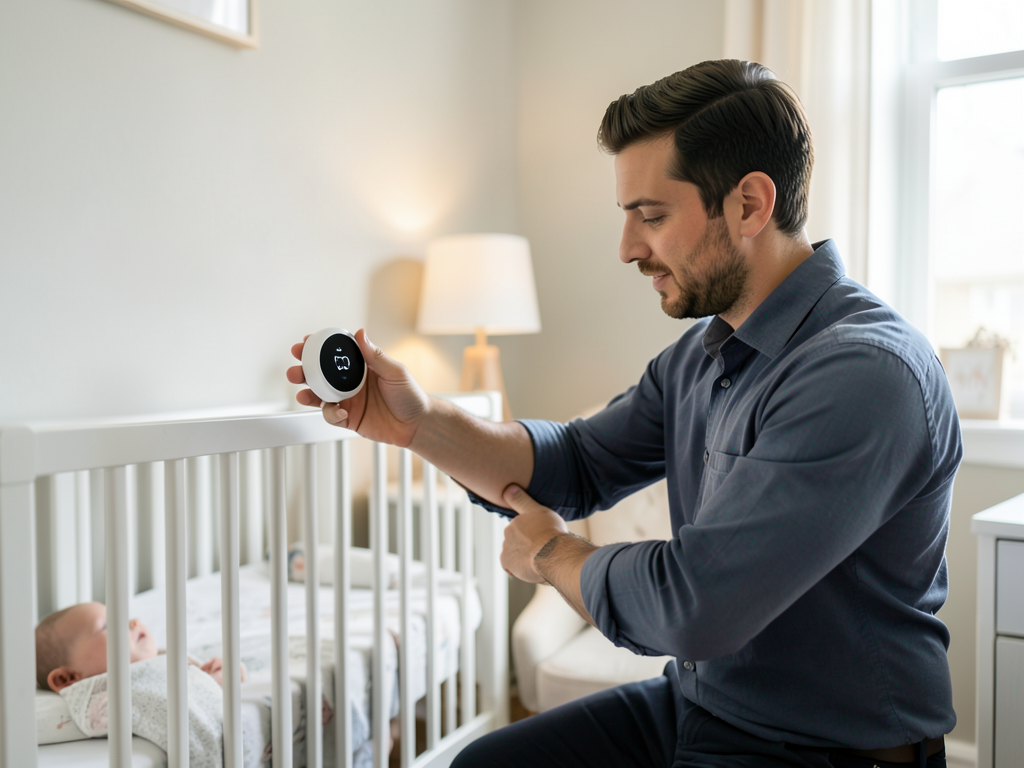
Creating the Perfect Sleeping Temperature for Your New Baby in Fox Point
The safe nursery temperature for your newborn matters more than most parents realize. In Fox Point’s climate where winter temperatures can plunge below zero and summer humidity climbs above 80% the challenge becomes keeping that perfect 68-72°F range year-round. This guide combines pediatric safety recommendations with practical HVAC solutions specific to Milwaukee’s weather patterns and home construction. Bay View Heat Pump Installers for Year Round Comfort and Efficiency.
Why Nursery Temperature Directly Impacts Your Baby’s Health
Overheating ranks as a significant risk factor for Sudden Infant Death Syndrome according to the American Academy of Pediatrics. Babies cannot regulate their body temperature as effectively as adults. When the nursery becomes too warm their bodies struggle to cool down. Conversely when temperatures drop too low infants burn extra calories trying to stay warm which disrupts sleep patterns and growth. American Academy of Pediatrics Safe Sleep Guidelines.
The ideal range sits between 68 and 72 degrees Fahrenheit. This temperature feels cool to adults but provides the optimal environment for infant sleep. At these temperatures babies can maintain stable core body temperatures without excessive sweating or shivering.
Milwaukee’s Climate Creates Unique HVAC Challenges
Fox Point experiences some of Wisconsin’s most extreme temperature swings. Winter brings polar vortex events where temperatures can remain below zero for days. Summer delivers high humidity levels that make 75°F feel like 85°F. These conditions stress standard HVAC systems.
Older homes in Fox Point often feature original ductwork from the 1950s and 1960s. These systems were not designed for today’s tighter building envelopes or the humidity loads we now experience. Air distribution becomes uneven with some rooms feeling like saunas while others remain chilly.
Newer construction in developments near the lakefront faces different challenges. Modern homes trap more humidity inside due to better insulation. Without proper dehumidification systems moisture accumulates leading to condensation on windows and potential mold growth.
Beyond Temperature: The Critical Role of Humidity
Relative humidity between 30 and 50 percent creates the healthiest nursery environment. During Fox Point winters indoor humidity often drops below 20% as furnaces run constantly. This dry air irritates infant nasal passages and can lead to nosebleeds.. Read more about Why the Color of Your Furnace Flame Matters for Your Family’s Safety in West Allis.
Summer brings the opposite problem. Humidity levels above 60% promote dust mite growth and increase the risk of mold in poorly ventilated areas. Many parents focus solely on temperature while ignoring the equally important humidity factor. Focus on Energy HVAC Rebates.
Smart humidifiers with built-in hygrometers allow precise control. These devices automatically maintain target humidity levels. Some models include night lights and essential oil diffusers though fragrances should be avoided around newborns.
How to Tell if Your Baby is Too Hot or Too Cold
Checking your baby’s chest provides the most reliable temperature reading. If the chest feels warm and slightly damp your baby is likely too warm. Cool or cold hands and feet do not necessarily indicate a cold baby since extremities naturally run cooler.
Overheating signs include flushed cheeks rapid breathing sweating and restlessness. Lethargy or difficulty waking can indicate dangerous overheating requiring immediate cooling.
Signs of being too cold include cool chest and back mottled skin and increased fussiness. Shivering in infants is rare but can occur in extreme cold.
Smart HVAC Solutions for Consistent Nursery Climate
Zoned HVAC systems solve the temperature imbalance problem common in Fox Point homes. These systems use multiple thermostats and dampers to direct conditioned air where needed most. The nursery can maintain 70°F while the master bedroom stays at 68°F.. Read more about The Surprising Reason Your Thermostat Is Giving You the Wrong Temperature Reading.
Smart thermostats with remote sensors provide another solution. Place a sensor in the nursery rather than relying on the hallway thermostat. This ensures the nursery maintains the target temperature even when other rooms vary.
Ductless mini-split systems offer precise control for nurseries in homes without existing ductwork. These units heat and cool individual rooms without affecting the rest of the house. Installation requires only a small wall penetration for the refrigerant line.
Air Quality Considerations for Newborn Respiratory Health
Newborns breathe more air per pound of body weight than adults. This makes air quality crucial for their developing respiratory systems. High-efficiency air filters with MERV 13 ratings capture 90% of particles including pollen dust and some bacteria.
HEPA filtration provides even greater protection removing 99.97% of particles 0.3 microns or larger. These systems work best as part of a whole-house air purification strategy rather than portable units.
UV light systems installed in ductwork kill airborne bacteria and mold spores. While not essential for every home they provide extra protection in homes with allergy sufferers or during cold and flu season.
Preventing Drafts and Hot Spots in Older Fox Point Homes
Historic homes near the lakefront often suffer from drafty windows and poor insulation. These issues create temperature variations that make consistent nursery temperatures difficult. Single-pane windows can lose up to 30% of heating energy.
Weatherstripping and caulking around windows and doors reduces drafts. Thermal curtains provide an additional barrier against heat loss. For maximum efficiency consider window replacement with double or triple-pane units.
Floor vents located directly under windows create uncomfortable drafts. Redirecting airflow or using vent deflectors can solve this problem. Some homeowners install radiant floor heating for the most even temperature distribution.. Read more about How to Keep the Second Floor of Your Cudahy Cape Cod Cool All Summer Long.
Emergency Preparedness for HVAC Failures
Wisconsin winters demand backup heating plans especially with newborns. Portable electric space heaters can provide emergency warmth but require careful placement away from cribs and flammable materials. Never use unvented gas heaters in enclosed spaces.
During summer heat waves power outages create dangerous conditions. Battery-powered fans and cooling towels help manage heat. Consider a small generator to power essential medical equipment and a window air conditioner if outages are common in your area.
Annual HVAC maintenance prevents most emergency failures. Schedule fall furnace inspections and spring AC tune-ups before peak seasons. Technicians can identify worn parts before they cause system failures. The Most Trusted AC Maintenance Experts in West Allis.
Cost-Effective Solutions for Every Budget
| Solution | Initial Cost | Monthly Energy Impact | Best For |
|---|---|---|---|
| Smart thermostat with sensor | $200-300 | Minimal | DIY improvement |
| Zoned system upgrade | $2500-4000 | 10-15% reduction | Multi-room homes |
| Whole-house humidifier | $400-600 | $5-10/month | Winter dryness |
| Ductless mini-split | $3000-5000 | 15-20% reduction | Room additions |
Simple solutions often provide the best return on investment. A $30 digital thermometer with high-low memory records temperature variations throughout the night. This data helps identify problem areas before investing in expensive equipment.
Proper vent placement costs nothing but improves comfort significantly. Ensure nursery vents are not blocked by furniture or curtains. Clean vents annually to maintain proper airflow.
Professional Assessment: When to Call an HVAC Expert
Certain situations warrant professional evaluation. If the nursery consistently runs 3-4 degrees different from the thermostat location the system likely needs balancing. Rooms that feel stuffy or have condensation on windows indicate humidity problems requiring expert diagnosis. Professional Duct Cleaning for Better Air Quality in Menomonee Falls.
Homes over 20 years old benefit from professional duct inspection. Leaks in ductwork can waste 20-30% of heating and cooling energy. Sealed and insulated ducts improve both comfort and efficiency. HVAC Inspection.
New construction or major renovations present ideal opportunities to design optimal HVAC systems. Engineers can calculate precise heating and cooling loads ensuring proper equipment sizing.
Creating Your Nursery Climate Control Plan
Start with a simple thermometer in the nursery for one week. Record temperatures at bedtime and upon waking. Note any patterns like consistent overheating or cooling.
Check humidity levels using a $15 hygrometer. Target readings between 30 and 50 percent. If levels fall outside this range investigate causes like dry winter air or summer moisture intrusion.
Evaluate airflow by holding tissue near vents. Strong airflow indicates good system performance. Weak airflow suggests duct issues or dirty filters requiring attention.
Based on your findings prioritize solutions. Simple filter changes cost $10-20 and often solve comfort issues. More complex problems like uneven heating may require professional evaluation. Finding the Best Central Air Conditioning Installation in Brookfield.
Local Resources for Fox Point Parents
Fox Point’s proximity to Lake Michigan creates unique microclimate conditions. Homes within one mile of the lake experience more moderate temperatures but higher humidity levels. This affects HVAC sizing and equipment selection.
Local building codes require specific permits for HVAC modifications. The Village of Fox Point maintains strict standards for equipment efficiency and noise levels. Working with local contractors ensures compliance with these regulations.
Energy efficiency rebates through Focus on Energy can offset upgrade costs. High-efficiency furnaces and air conditioners qualify for incentives that reduce payback periods to 3-5 years in many cases.
Ready to create the perfect nursery environment for your newborn? Elite Heating & Cooling Milwaukee understands the unique challenges Fox Point families face. Our technicians live and work in the community. We know how to keep your baby comfortable through every Wisconsin season. Call us today at (414) 375-7888 for a free nursery climate assessment. Your baby deserves the safest most comfortable sleep environment possible.
Frequently Asked Questions
What is the ideal temperature for a newborn’s nursery?
The American Academy of Pediatrics recommends keeping the nursery between 68 and 72 degrees Fahrenheit for optimal infant sleep safety and comfort.
How can I tell if my baby is too hot while sleeping?
Check your baby’s chest and back. If they feel warm and slightly damp your baby is likely too hot. Other signs include flushed cheeks rapid breathing and sweating.
Should I use a space heater in my baby’s room?
Electric space heaters can provide emergency warmth but must be placed at least three feet from the crib and any flammable materials. Never use unvented gas heaters in enclosed spaces with infants.
You may also find this helpful. The Impact of Milwaukee’s Hard Water on Your Whole Home Humidifier.
{
“@context”: “https://schema.org”,
“@type”: “BlogPosting”,
“headline”: “Creating the Perfect Sleeping Temperature for Your New Baby in Fox Point”,
“description”: “Learn the safe nursery temperature for newborns in Fox Point and how to maintain it through Milwaukee’s extreme seasons with expert HVAC tips.”,
“wordCount”: 1604,
“datePublished”: “2026-05-09T08:37:00.000Z”,
“dateModified”: “2026-05-09T08:37:00.000Z”,
“inLanguage”: “en-US”,
“mainEntityOfPage”: {
“@type”: “WebPage”,
“@id”: “https://eliteheatingandcoolingmilwaukee.com”
},
“publisher”: {
“@type”: “LocalBusiness”,
“name”: “Elite Heating and Cooling Milwaukee”,
“url”: “https://eliteheatingandcoolingmilwaukee.com”
},
“author”: {
“@type”: “Organization”,
“name”: “Elite Heating and Cooling Milwaukee”,
“url”: “https://eliteheatingandcoolingmilwaukee.com”
},
“image”: {
“@type”: “ImageObject”,
“url”: “https://eliteheatingandcoolingmilwaukee.com/wp-content/uploads/2026/03/creating-the-perfect-sleeping-temperature-for-your-1.png”
}
}
{
“@context”: “https://schema.org”,
“@type”: “HVACBusiness”,
“name”: “Elite Heating and Cooling Milwaukee”,
“url”: “https://eliteheatingandcoolingmilwaukee.com”,
“address”: {
“@type”: “PostalAddress”,
“addressLocality”: “Milwaukee”
},
“areaServed”: {
“@type”: “City”,
“name”: “Milwaukee”
}
}
{
“@context”: “https://schema.org”,
“@type”: “FAQPage”,
“mainEntity”: [
{
“@type”: “Question”,
“name”: “What is the ideal temperature for a newborn’s nursery?”,
“acceptedAnswer”: {
“@type”: “Answer”,
“text”: “The American Academy of Pediatrics recommends keeping the nursery between 68 and 72 degrees Fahrenheit for optimal infant sleep safety and comfort.”
}
},
{
“@type”: “Question”,
“name”: “How can I tell if my baby is too hot while sleeping?”,
“acceptedAnswer”: {
“@type”: “Answer”,
“text”: “Check your baby’s chest and back. If they feel warm and slightly damp your baby is likely too hot. Other signs include flushed cheeks rapid breathing and sweating.”
}
},
{
“@type”: “Question”,
“name”: “Should I use a space heater in my baby’s room?”,
“acceptedAnswer”: {
“@type”: “Answer”,
“text”: “Electric space heaters can provide emergency warmth but must be placed at least three feet from the crib and any flammable materials. Never use unvented gas heaters in enclosed spaces with infants.”
}
}
]
}
{
“@context”: “https://schema.org”,
“@type”: “BreadcrumbList”,
“itemListElement”: [
{
“@type”: “ListItem”,
“position”: 1,
“name”: “Home”,
“item”: “https://eliteheatingandcoolingmilwaukee.com”
},
{
“@type”: “ListItem”,
“position”: 2,
“name”: “Blog”,
“item”: “https://eliteheatingandcoolingmilwaukee.com/blog”
},
{
“@type”: “ListItem”,
“position”: 3,
“name”: “Creating the Perfect Sleeping Temperature for Your New Baby in Fox Point”
}
]
}
{
“@context”: “https://schema.org”,
“@type”: “Service”,
“serviceType”: “HVAC”,
“provider”: {
“@type”: “LocalBusiness”,
“name”: “Elite Heating and Cooling Milwaukee”,
“url”: “https://eliteheatingandcoolingmilwaukee.com”
},
“areaServed”: {
“@type”: “City”,
“name”: “Milwaukee”
},
“description”: “Learn the safe nursery temperature for newborns in Fox Point and how to maintain it through Milwaukee’s extreme seasons with expert HVAC tips.”
}