
Fixing Uneven Heating Problems in Older Greendale Ranch Homes
Living in a classic Greendale ranch home comes with its own set of heating challenges. The long, horizontal layout that makes these homes so appealing also creates frustrating cold spots and uneven temperatures. You walk from a warm living room into a freezing bedroom and wonder what went wrong. The problem isn’t your comfort level—it’s your home’s design meeting Wisconsin’s harsh winters head-on.. Read more about Solving Hot and Cold Spots with Zoned HVAC Solutions in Fox Point.
Many Greendale ranch homes were built between the 1950s and 1970s when energy efficiency wasn’t a priority. These homes often have original ductwork that’s too small for today’s heating demands, poor insulation in exterior walls, and single-pane windows that let heat escape faster than your furnace can replace it. The result is a heating system that runs constantly but still leaves you shivering in certain rooms.. Read more about Knowing When to Stop Repairing an Old Furnace and Finally Replace It.
The good news is that you don’t have to accept uneven heating as part of ranch home living. With the right solutions—from simple fixes to complete system upgrades—you can achieve consistent comfort throughout your home without breaking the bank.. Read more about Why You Might Need a High Velocity HVAC System for Your Historic Home in Brewer’s Hill.
Understanding Why Ranch Homes Struggle with Even Heating
The fundamental issue with ranch-style homes is their horizontal spread. Unlike two-story homes where heat naturally rises to warm upper floors, ranch homes require heat to travel laterally through long duct runs. This creates several problems that compound during Wisconsin winters.
First, heat loss increases with distance. The farther your bedroom is from the furnace, the more heat escapes through the ductwork before it reaches you. In a typical Greendale ranch, bedrooms at the far end of the house might receive only 60-70% of the heat that enters the system near the furnace.
Second, many ranch homes have slab-on-grade construction. Without a basement to buffer temperature swings, your floor becomes a massive cold sink. Heat radiates downward into the concrete, making floors uncomfortably cold even when the air temperature feels adequate.. Read more about The Best Ways to Heat and Cool a Finished Basement in South Milwaukee.
Third, original ductwork was often undersized for modern heating demands. Builders in the 1950s and 1960s installed ducts based on minimal heating needs and lower fuel costs. Today’s expectation for consistent comfort throughout the home requires significantly more airflow than those original systems can provide.. Read more about How to Determine if Your Old Radiators Can Work with a Modern High Efficiency Boiler in Shorewood.
Common Problem Areas in Greendale Ranch Homes
Most ranch homeowners report similar trouble spots. The master bedroom at the back of the house typically runs 5-8 degrees cooler than the living room. Home offices or dens off the main hallway often feel drafty. Bathrooms, especially those on exterior walls, can be downright uncomfortable during January mornings.
Kitchens present another challenge. Large windows and exterior doors create significant heat loss, while the open layout allows cold air to flow freely into adjacent rooms. Many homeowners find themselves cooking in a sweatshirt during winter months.
The garage connection is another overlooked source of cold infiltration. Many Greendale ranches have attached garages with minimal insulation between the garage and living spaces. Cold air from the garage seeps into nearby rooms, creating cold zones that your furnace struggles to overcome.. Read more about How Proper Attic Insulation and Ventilation Protect Your Oak Creek HVAC.
Quick Fixes That Make an Immediate Difference
Before investing in major system upgrades, several simple improvements can dramatically improve your home’s heating performance. These solutions cost far less than a new furnace but can provide 50-70% of the comfort improvement you’re seeking.
Start with your air vents. Many ranch homes have furniture blocking floor registers or closed vents in unused rooms. This forces your system to work harder while creating pressure imbalances that reduce heat delivery to occupied spaces. Walk through your home and ensure every vent is open and unobstructed by furniture, rugs, or curtains.
Next check your air filter. A dirty filter restricts airflow, reducing your system’s ability to deliver heat to distant rooms. Replace your filter every 1-3 months during heating season. If you have pets or allergies, consider upgrading to a higher-quality filter that traps more particles without restricting airflow.
Seal air leaks around windows and doors using weatherstripping and caulk. Even small gaps can let in enough cold air to create noticeable temperature differences between rooms. Pay special attention to the bottom of exterior doors and around window frames where the original seals have deteriorated over decades. Bay View Heat Pump Installers for Year Round Comfort and Efficiency.
Add thermal curtains to large windows, especially those facing north or west. These heavy curtains create an insulating air pocket that reduces heat loss by 25-40%. During sunny winter days, open curtains to let solar heat in, then close them at dusk to trap that warmth inside.
Optimizing Your Existing System
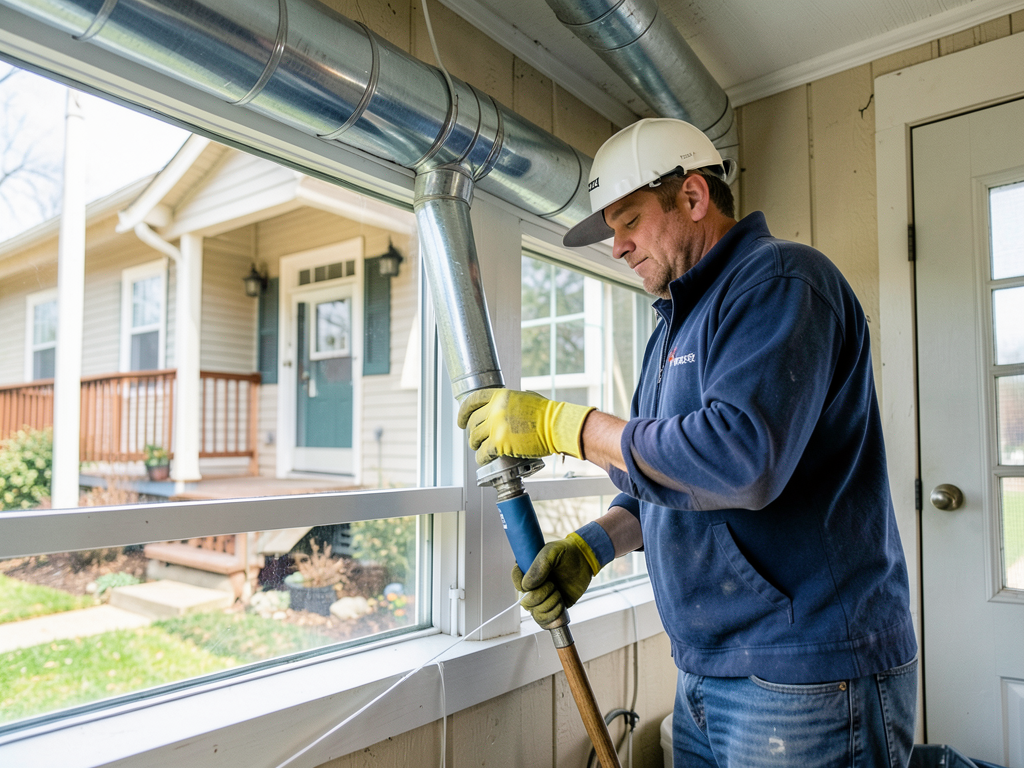
Sometimes the solution isn’t replacing your furnace but making your current system work more efficiently. A professional HVAC tune-up can improve performance by 15-25% through simple adjustments that most homeowners never consider. Professional Duct Cleaning for Better Air Quality in Menomonee Falls.
During a tune-up, technicians check and adjust your furnace’s burner and blower settings. Over time, these components drift from their optimal settings, reducing efficiency and heat output. A properly calibrated system delivers more heat to your rooms without running longer cycles.
Ductwork inspection often reveals hidden problems. Loose connections, crushed flex ducts, or disconnected sections can waste 20-30% of your heated air before it reaches your rooms. Technicians use specialized tools to measure airflow at each vent and identify restrictions that are robbing your comfort. HVAC Inspection.
Zone dampers represent another upgrade that works with your existing system. These motorized dampers install in your ductwork and allow you to direct more heat to problem areas while reducing flow to rooms that heat easily. For a typical Greendale ranch, installing dampers to boost heat to back bedrooms while reducing flow to the already-warm living room can eliminate most comfort complaints.
Advanced Solutions for Stubborn Cold Spots
When basic fixes don’t solve your heating problems, more comprehensive solutions become necessary. These options require greater investment but can transform your home’s comfort level and reduce energy bills by 20-40%.
Ductless mini-split systems offer targeted heating for problem areas without the expense of replacing your entire system. These wall-mounted units connect to an outdoor compressor and can heat individual rooms or zones independently. For a cold back bedroom, a mini-split might cost $3,000-4,000 installed but provides precise temperature control without affecting the rest of your home.
High-velocity HVAC systems represent a more comprehensive solution. These systems use small, flexible ducts that fit within existing wall cavities, eliminating the need for extensive remodeling. While installation costs $8,000-12,000 for a typical ranch, the improved airflow and even heating often justify the investment for homeowners planning to stay in their homes long-term.
Cold-climate heat pumps have improved dramatically in recent years. Modern units can extract heat from outdoor air even when temperatures drop below zero. For homes with electric heating or those looking to reduce gas dependency, a heat pump can provide both heating and cooling while cutting energy costs by 30-50% compared to electric resistance heating.
Insulation Upgrades That Pay for Themselves
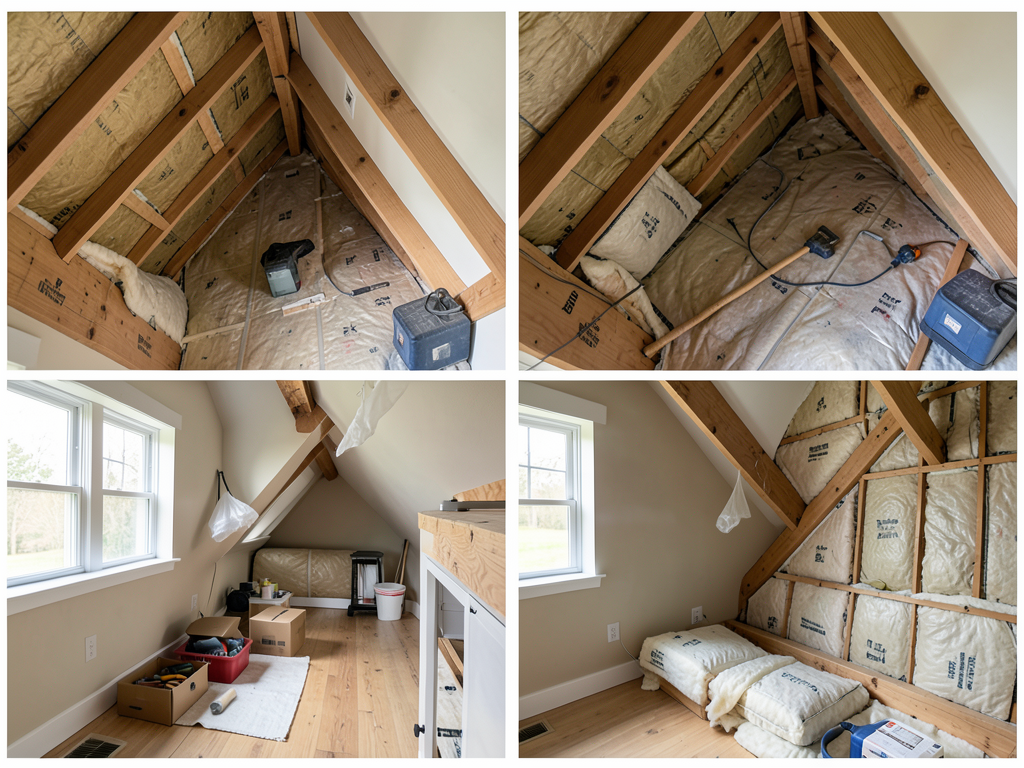
Your heating system can only do so much if your home’s building envelope is leaking heat. Many Greendale ranch homes have minimal wall insulation and attic insulation that’s inadequate by today’s standards. Upgrading insulation often provides the biggest comfort improvement per dollar spent.
Attic insulation is typically the highest-impact upgrade. Most ranch homes have only 3-6 inches of fiberglass insulation, providing an R-value of 9-19. Current Wisconsin building codes require R-49 to R-60 in attics. Adding blown-in cellulose or fiberglass to achieve these levels can reduce heat loss through your ceiling by 50-70%.
Wall insulation presents more challenges in existing homes but remains worthwhile. Injection foam or dense-pack cellulose can be installed through small holes drilled in exterior walls, adding R-13 to R-15 to previously uninsulated cavities. This upgrade costs $2,000-4,000 for a typical ranch but can reduce heating bills by 15-25% while eliminating cold wall surfaces that radiate discomfort.
Floor insulation makes a dramatic difference in slab-on-grade homes. Rigid foam insulation installed around the slab perimeter creates a thermal break that prevents cold from migrating up through your floors. While this requires foundation work, the comfort improvement—especially in rooms over slab areas—can be immediately noticeable.
Window and Door Replacements: When to Consider Them
Original single-pane windows in Greendale ranch homes are often the weakest link in your home’s thermal envelope. These windows have an R-value of about 1, compared to R-3 to R-7 for modern double-pane windows. Replacing all your windows is expensive, typically $8,000-15,000 for a ranch home, but the energy savings and comfort improvement can justify the investment.
Storm windows offer a more affordable alternative. Quality interior or exterior storm windows can reduce heat loss through existing windows by 40-50% at a fraction of replacement cost. For homeowners on a budget, installing storms on north-facing and large picture windows provides most of the benefit while leaving other windows for later replacement.
Entry doors often receive less attention than windows but can be equally problematic. Many ranch homes have original steel or wood doors with minimal insulation and deteriorated weatherstripping. Modern fiberglass or steel doors with proper insulation and weather seals can reduce heat loss by 60-80% compared to original doors while improving security and appearance.
Smart Thermostats and Zoning Systems
Technology offers new solutions for uneven heating problems that weren’t available when your home was built. Smart thermostats can learn your schedule and preferences, automatically adjusting temperatures to maximize comfort while minimizing energy waste.
Learning thermostats track which rooms you use at different times and can automatically adjust temperatures accordingly. For example, they might keep bedrooms cooler during the day when you’re in the living room, then warm them up an hour before bedtime. This targeted approach can reduce energy consumption by 10-15% while improving comfort.
Multi-zone systems take this concept further by allowing different temperatures in different areas of your home. While traditional zoning requires extensive ductwork modifications, wireless thermostat systems can now control individual room temperatures through smart vents that open and close automatically. These systems typically cost $2,000-4,000 installed but provide unprecedented control over your home’s comfort.
Remote sensors add another layer of intelligence. These battery-powered devices monitor temperature and humidity in different rooms, allowing your thermostat to make decisions based on conditions throughout your home rather than just where the thermostat is mounted. This prevents the common problem of overheating some rooms to keep others comfortable.
Milwaukee-Specific Climate Considerations
Heating a ranch home in Milwaukee presents unique challenges due to our climate. With design temperatures reaching -10°F and Lake Michigan’s influence creating high humidity levels, your heating system must handle extreme conditions that many HVAC guides don’t address.. Read more about How to Know if Your Milwaukee East Side Steam Boiler Needs Repair or Just a Simple Adjustment.
Milwaukee’s short, intense winter means your system needs to deliver maximum heat quickly. Unlike milder climates where gradual heating is acceptable, Wisconsin homes need to warm up fast when temperatures plummet. This requires properly sized equipment with adequate capacity for those polar vortex events that seem to hit every few years.
Lake effect snow and wind create additional challenges for ranch homes. The long, low profile of these houses provides more surface area for wind to create pressure differences that drive cold air infiltration. Proper air sealing becomes even more critical in coastal areas where winter winds are strongest.
Humidity control during winter often gets overlooked but significantly impacts comfort. Dry winter air makes you feel colder at the same temperature, leading to thermostat battles and higher energy bills. A whole-house humidifier integrated with your heating system can allow you to maintain comfort at lower temperatures while protecting wood furnishings and reducing static electricity.
Cost-Benefit Analysis of Major Upgrades
Understanding the return on investment for different heating solutions helps you make informed decisions about where to spend your money. Not every problem requires a $10,000 solution, and sometimes the most expensive option isn’t the most cost-effective.
| Improvement | Typical Cost | Energy Savings | Payback Period |
|---|---|---|---|
| Attic insulation upgrade | $1,500-2,500 | 15-25% | 2-4 years |
| Smart thermostat installation | $200-400 | 10-15% | 1-2 years |
| Zone damper system | $1,500-2,500 | 10-20% | 3-5 years |
| Ductless mini-split for problem room | $3,000-4,000 | 20-30% | 5-7 years |
| High-velocity HVAC system | $8,000-12,000 | 25-35% | 7-10 years |
| Complete furnace replacement | $4,000-7,000 | 15-25% | 5-8 years |
These figures assume Wisconsin energy prices and typical ranch home characteristics. Your actual savings will vary based on your home’s specific conditions and how aggressively you implement multiple improvements together.
Maintenance Tips for Optimal Performance
Even the best heating system will underperform without proper maintenance. Regular upkeep not only improves comfort but also extends equipment life and prevents costly emergency repairs during the coldest months. The Most Trusted AC Maintenance Experts in West Allis.
Professional maintenance should include checking and cleaning burners, inspecting heat exchangers for cracks, testing safety controls, and measuring airflow throughout your system. This annual service typically costs $100-200 but can identify problems before they cause system failure or create carbon monoxide hazards.
Between professional visits, homeowners can perform several maintenance tasks. Vacuum floor registers and cold air returns to remove dust buildup that restricts airflow. Check visible ductwork for disconnected joints or crushed sections, especially in unconditioned spaces like crawl spaces or attics. Listen for unusual noises that might indicate failing components.
Monitor your energy bills for unexplained increases, which often signal developing problems. A sudden 20% increase in heating costs without a corresponding weather change usually indicates efficiency issues that need professional attention. Early intervention prevents minor problems from becoming major expenses.
Working with HVAC Professionals
Choosing the right HVAC contractor makes a significant difference in both the process and outcome of your heating improvements. Look for contractors with specific experience in older homes and ranch-style layouts rather than those who primarily work on new construction.
Ask potential contractors about their experience with Milwaukee’s climate and building styles. A contractor who understands the specific challenges of slab-on-grade construction and the thermal characteristics of mid-century ranch homes will provide better recommendations than someone who treats every home the same.
Request a detailed assessment before any work begins. This should include measuring your home’s heat loss, evaluating your existing ductwork, and discussing your specific comfort concerns. Be wary of contractors who recommend replacement without this analysis—they might be solving the wrong problem.
Get multiple quotes for major work, but don’t make decisions based solely on price. The cheapest option often cuts corners on important details like proper sizing calculations or quality installation practices. Look for contractors who explain their recommendations clearly and provide written proposals with specific equipment details and warranty information.
Rebates and Incentives Available in Wisconsin
Several programs can help offset the cost of heating improvements in Wisconsin. These incentives change periodically, so check current availability before making investment decisions.
Focus on Energy, Wisconsin’s statewide energy efficiency program, offers rebates for high-efficiency furnaces, boilers, and heat pumps. These rebates typically range from $200-600 for qualifying equipment and can significantly reduce your upfront costs. The program also provides incentives for insulation upgrades and smart thermostats. Focus on Energy.
Utility companies like We Energies often offer additional rebates on top of Focus on Energy incentives. These might include bonus rebates for specific brands or higher-efficiency equipment. Combining utility and state rebates can reduce project costs by 15-25%.
Federal tax credits for energy-efficient home improvements can provide additional savings. While these credits change annually, they often apply to high-efficiency heating equipment, insulation, and certain smart home technologies. Consult with your tax advisor about current year availability and eligibility requirements.
Creating Your Personalized Heating Improvement Plan
Every ranch home has unique characteristics that influence which solutions will work best. Creating a systematic approach to identifying and addressing your specific problems helps you prioritize improvements and budget effectively.
Start by documenting your comfort issues. Note which rooms feel cold, when problems occur, and any patterns you observe. This information helps professionals diagnose underlying causes rather than just treating symptoms. Take temperature readings in different rooms with a simple thermometer to quantify the problem.
Consider your long-term plans for the home. If you’ll be moving within a few years, focus on improvements with quick payback periods like insulation and smart thermostats. If you plan to stay long-term, more comprehensive solutions like zoning systems or equipment replacement might make more sense.
Budget realistically for the improvements you need. While it’s tempting to tackle everything at once, phasing improvements allows you to learn what works best for your home and spread costs over time. Start with high-impact, low-cost solutions before moving to more expensive options.
Finally, understand that achieving perfect comfort in an older ranch home often requires a combination of solutions rather than a single silver bullet. The most successful projects typically combine system optimization, building envelope improvements, and targeted upgrades to address specific problem areas.
Frequently Asked Questions
Why is my master bedroom always colder than the living room?
Master bedrooms in ranch homes are often located at the far end of the house from the furnace, requiring heat to travel through the longest duct runs. These rooms also frequently have more exterior walls and larger windows, increasing heat loss. The combination of distance from the heat source and greater exposure to outdoor temperatures creates the temperature difference you’re experiencing.
Should I close vents in unused rooms to save energy?
Closing vents in unused rooms often creates more problems than it solves. It can cause pressure imbalances in your duct system, forcing your furnace to work harder and potentially damaging components. Instead, use a zoning system or smart vents that can direct heat where needed without completely closing off rooms.
How do I know if my furnace is properly sized for my home?
Proper sizing requires a Manual J heat loss calculation that considers your home’s construction, insulation levels, window areas, and local climate. Many older homes have furnaces that are oversized for their actual heating needs, which can cause short cycling and uneven heating. A professional assessment can determine if your current equipment is appropriately sized.
Can I add central air conditioning to my ranch home without major renovations?
Yes, several options exist for adding air conditioning to ranch homes without extensive remodeling. High-velocity systems use small ducts that fit within existing wall cavities. Ductless mini-splits provide cooling without any ductwork. Even traditional central air can often be added by running new ducts through attics or crawl spaces, depending on your home’s layout. Finding the Best Central Air Conditioning Installation in Brookfield.
What’s the most cost-effective way to improve heating in my ranch home?
Start with the basics: seal air leaks, add insulation to your attic, and ensure your existing system is properly maintained. These improvements typically cost $1,000-3,000 but can reduce heating costs by 15-30% while improving comfort. Only move to more expensive solutions like equipment replacement after these fundamental improvements are complete.
How long should my heating system last in a ranch home?
With proper maintenance, a gas furnace typically lasts 15-20 years, while a boiler can last 20-30 years. However, efficiency improvements in newer equipment often make replacement worthwhile before the old equipment fails completely. If your system is over 15 years old and you’re experiencing comfort issues, replacement might be more cost-effective than extensive repairs.
Will a new high-efficiency furnace solve my uneven heating problems?
Not necessarily. While a new furnace might be more efficient, it won’t fix underlying issues like inadequate ductwork, poor insulation, or air leaks. Many homeowners replace their furnace expecting comfort improvements only to discover the same cold spots persist. Address the building envelope and distribution system before or alongside equipment replacement.
How much can I save by improving my home’s insulation?
Adding proper attic insulation to a poorly insulated ranch home typically reduces heating costs by 15-25%. Wall insulation improvements can save an additional 10-15%. These savings vary based on your home’s current condition and local energy prices, but most insulation projects pay for themselves within 3-7 years through reduced utility bills.
Take Control of Your Home’s Comfort Today
Uneven heating in your Greendale ranch home isn’t something you have to accept. Whether you need simple fixes like air sealing and insulation or comprehensive solutions like zoning systems and equipment upgrades, the right approach can transform your comfort while reducing your energy bills.
Every home is different, and the most effective solution depends on your specific situation, budget, and comfort goals. That’s why professional assessment is so valuable—it helps you understand exactly what’s causing your problems and which solutions will provide the best return on your investment.
Don’t spend another winter shivering in your own home. Contact Elite Heating & Cooling Milwaukee today at (414) 375-7888 for a comprehensive heating assessment. Our experienced technicians understand the unique challenges of Milwaukee ranch homes and can recommend solutions that will keep you comfortable all winter long.
Call now to schedule your assessment and take the first step toward even, reliable heating throughout your entire home. Your comfort is our priority, and we’re ready to help you solve those frustrating cold spots once and for all.
Remember, proper heating isn’t just about comfort—it’s about protecting your home from frozen pipes, maintaining healthy humidity levels, and ensuring your family stays safe during Wisconsin’s harshest winter conditions. Let us help you achieve the comfort and peace of mind you deserve.
Elite Heating & Cooling Milwaukee: Your local experts in solving ranch home heating challenges. Call (414) 375-7888 today! For more information, visit U.S. Department of Energy.
You may also find this helpful. The Best Way to Combat Excessive Dust in Your Sherman Park Home Even After Cleaning Your Ducts.