
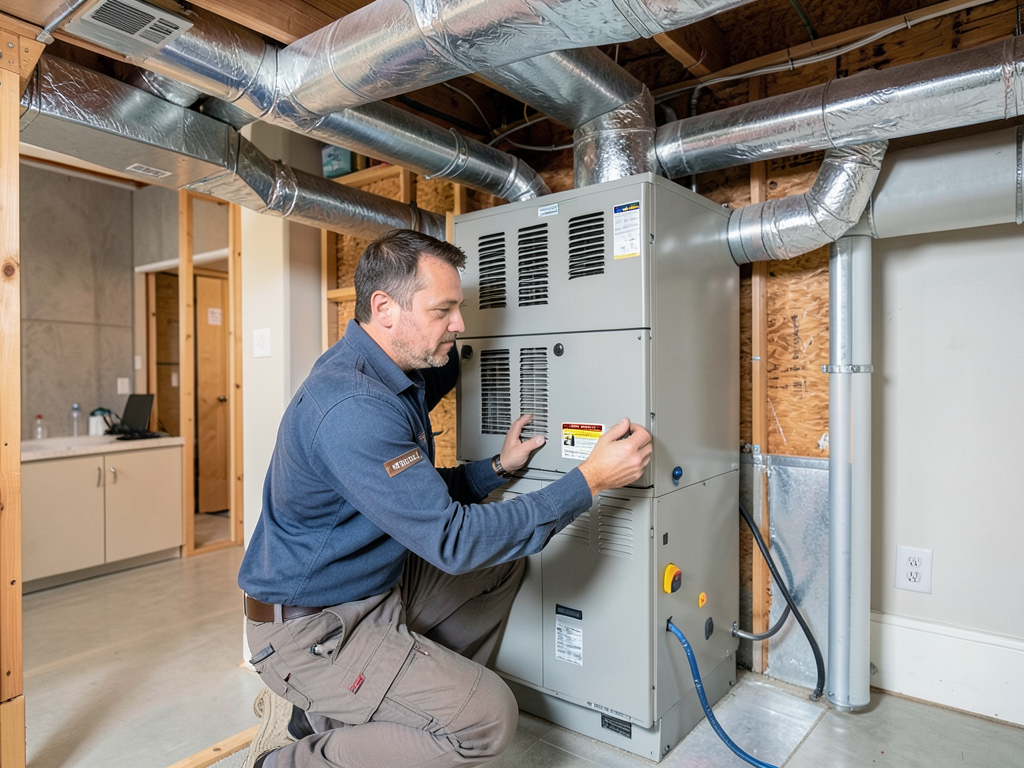
How an Energy Recovery Ventilator Improves Air Quality in Newer Grafton Homes
Newer homes in Grafton often trap stale air inside their tight building envelopes. While this construction improves energy efficiency it also creates indoor air quality challenges. An Energy Recovery Ventilator solves this problem by bringing in fresh outdoor air while recovering heat and moisture from the outgoing air stream. Energy Star certified equipment.
Grafton homeowners face unique air quality issues. The area’s humid continental climate means summers bring high humidity from Lake Michigan while winters deliver bone-dry air and extreme cold. Modern homes with excellent insulation and sealed windows prevent drafts but also trap pollutants dust allergens and excess moisture inside.. Read more about Why Your Windows Are Always Foggy and How Your HVAC System Can Solve the Problem.
An ERV works continuously to exchange indoor air with filtered outdoor air. During winter it captures heat from the warm indoor air before it exits the home. In summer it removes heat from incoming warm air. The system also transfers moisture between air streams which is critical for Wisconsin’s seasonal humidity swings.
Modern construction in Grafton often includes spray foam insulation and triple-pane windows. These improvements reduce energy bills but create air-tight environments where contaminants accumulate. An ERV provides the ventilation these homes need without sacrificing the energy efficiency gains from tight construction.
What is an ERV and How Does it Work in Wisconsin
An Energy Recovery Ventilator contains a heat exchanger core where stale indoor air and fresh outdoor air pass by each other without mixing. The core transfers heat and moisture between the two air streams. This process recovers 70-80% of the energy that would otherwise be lost through simple ventilation.. Read more about How a Whole House Ventilator Can Refresh the Stale Air in Your Tight New Construction Home in Hartland.
The system includes supply and exhaust fans that move air continuously. Supply air brings filtered outdoor air into living spaces. Exhaust air removes stale air from kitchens bathrooms and other high-moisture areas. The heat exchanger core handles the energy transfer between these air streams.
Wisconsin’s climate creates specific demands for ERV operation. Summer humidity requires the system to remove moisture from incoming air. Winter operation needs frost protection to prevent the heat exchanger from freezing when temperatures drop below zero. Modern ERVs include automatic controls that adjust operation based on outdoor conditions.
The technology differs from simple exhaust fans or open windows. ERVs filter incoming air remove pollutants and maintain consistent indoor temperatures. They operate continuously at low power rather than cycling on and off like traditional ventilation systems.
5 Key Benefits of Installing an ERV
Homeowners in Grafton experience multiple advantages from ERV installation. The systems address air quality energy efficiency and comfort concerns that affect daily living.
Improved Indoor Air Quality
Continuous fresh air exchange removes indoor pollutants that build up in sealed homes. These include volatile organic compounds from furniture and finishes carbon dioxide from breathing and excess moisture from cooking and showers. The system’s filters capture pollen dust and other airborne particles before they enter living spaces.
Newer Grafton homes often use low-VOC materials but still accumulate chemical pollutants over time. An ERV maintains healthy air quality without the energy waste of opening windows during extreme weather.
Humidity Control
Wisconsin summers bring high humidity that makes indoor air feel sticky and promotes mold growth. An ERV transfers moisture from incoming humid air to the drier exhaust air stream. This process reduces the load on air conditioning systems and maintains comfortable indoor humidity levels.
During winter the system works in reverse. It transfers moisture from exhaust air to incoming dry air preventing the overly dry conditions that cause static electricity and respiratory discomfort.
Heat Retention
Winter operation recovers heat that would be lost through simple ventilation. The heat exchanger transfers warmth from outgoing air to incoming cold air. This process can recover 70-80% of the heat energy that would otherwise escape.
The energy savings become significant during polar vortex events when outdoor temperatures drop below -10°F. An ERV prevents the furnace from working overtime to heat large volumes of cold outdoor air.
Reduced HVAC Strain
ERVs reduce the workload on heating and cooling systems by preconditioning incoming air. The system handles much of the initial heating or cooling before air reaches the furnace or air conditioner. This reduction in system cycling extends equipment life and reduces maintenance needs. The Most Trusted AC Maintenance Experts in West Allis.
Modern HVAC systems in Grafton homes often include high-efficiency furnaces and air conditioners. An ERV complements these systems by handling ventilation needs without creating additional heating or cooling loads.
Lower Energy Bills
The energy recovered by an ERV directly translates to utility savings. A typical Wisconsin home can save 15-20% on heating and cooling costs compared to exhaust-only ventilation. These savings offset the system’s operating cost which averages $5-10 per month.
Over a 15-year system life the energy savings often exceed the initial installation cost. Many homeowners find the improved comfort and air quality provide additional value beyond the financial return.
ERV vs HRV Which is Better for the Milwaukee Climate
Homeowners often confuse ERVs with Heat Recovery Ventilators. Both systems recover heat but only ERVs transfer moisture between air streams. This difference becomes critical in Wisconsin’s climate with its extreme seasonal humidity variations.
HRVs work well in dry climates or during winter-only operation. They recover heat efficiently but allow moisture to pass through unchanged. In Wisconsin summers this means bringing in humid outdoor air that increases cooling loads and indoor discomfort.
ERVs handle both sensible heat (temperature) and latent heat (moisture). During summer they remove humidity from incoming air. During winter they add moisture to dry incoming air. This dual capability makes ERVs more suitable for Wisconsin’s climate where humidity swings from 80% in summer to 20% in winter.
The moisture transfer also helps balance indoor humidity year-round. This prevents the condensation problems that occur when warm indoor air meets cold surfaces in winter. It also reduces the need for humidifiers or dehumidifiers that consume additional energy. Bay View Heat Pump Installers for Year Round Comfort and Efficiency.
For Grafton homes with modern construction the ERV’s humidity control becomes particularly valuable. Tight building envelopes trap moisture from daily activities. An ERV removes this excess moisture while recovering the energy it contains.
Installation and Maintenance What to Expect
Professional installation ensures ERV systems operate at peak efficiency. The process typically takes 4-6 hours for a standard single-family home. Installers mount the main unit in utility spaces like basements or attics connect ductwork to existing HVAC systems and install intake and exhaust vents through exterior walls. Professional Duct Cleaning for Better Air Quality in Menomonee Falls.
Wisconsin building codes require proper ventilation in new construction. An ERV installation must comply with local mechanical codes and obtain necessary permits. Professional installers handle these requirements and ensure the system meets all safety standards.
Maintenance needs are minimal compared to other HVAC equipment. The system requires annual filter changes and occasional core cleaning. Most homeowners can handle basic maintenance while scheduling professional service every 2-3 years. AC Service Germantown.
Filters typically need replacement every 6-12 months depending on indoor air quality and usage. The heat exchanger core may need cleaning every 2-3 years to maintain efficiency. These tasks cost significantly less than furnace or air conditioner maintenance.
System controls allow homeowners to adjust ventilation rates based on occupancy and outdoor conditions. Many ERVs include automatic high-humidity or high-CO2 sensors that increase ventilation when needed.
Focus on Energy Rebates and Financial Incentives
Wisconsin’s Focus on Energy program offers rebates for ERV installations. Current incentives can cover 30-50% of installation costs for qualifying systems. These rebates make ERVs more affordable for Grafton homeowners and improve the return on investment. Focus on Energy program.
The program requires installation by certified contractors and use of Energy Star certified equipment. Homeowners must submit proof of purchase and installation to receive rebates. Many HVAC companies handle rebate paperwork as part of their installation service.
Additional incentives may be available through local utilities like WE Energies. These programs often target new construction or major renovations where ventilation improvements provide the greatest energy savings.
Federal tax credits for energy-efficient home improvements may also apply to ERV installations. These credits can provide additional savings when filing annual tax returns.
The combination of rebates tax credits and energy savings often reduces the payback period to 3-5 years for ERV installations in Wisconsin homes.
Real-World Performance in Wisconsin Weather
ERVs must handle Wisconsin’s extreme temperature swings. Summer operation deals with 90°F days and high humidity from Lake Michigan. Winter operation faces -20°F temperatures and dry air masses from Canada.
Modern ERVs include frost protection that prevents core freezing during extreme cold. The system temporarily reduces ventilation rates or switches to exhaust-only mode when temperatures drop below safe operating levels. This protection prevents damage while maintaining some fresh air exchange.
Summer humidity control proves particularly important near Lake Michigan where outdoor air can exceed 80% relative humidity. An ERV removes this moisture before it enters the home reducing the air conditioner’s dehumidification load.
Spring and fall operation handles the transition between heating and cooling seasons. The system automatically adjusts to maintain comfort as outdoor conditions change rapidly during these months.
Many Grafton homeowners report their ERVs run continuously throughout the year with minimal adjustments. The automatic controls handle seasonal changes while maintaining consistent indoor air quality.
Frequently Asked Questions
How much does an ERV system cost in Grafton
Installation costs typically range from $2,500 to $4,500 depending on home size and complexity. This includes the ERV unit ductwork and professional installation. Focus on Energy rebates can reduce the net cost by 30-50%.
Will an ERV work with my existing HVAC system
Yes. ERVs integrate with most forced-air heating and cooling systems. The unit connects to existing ductwork or uses dedicated ventilation ducts. Professional installers ensure proper integration and system balancing.
How noisy are ERV systems
Modern ERVs operate at 20-40 decibels which is quieter than a refrigerator. The sound is similar to gentle air movement through vents. Most homeowners notice no operational noise in living spaces.
How long do ERV systems last
Quality ERV units typically last 15-20 years with proper maintenance. The heat exchanger core often lasts the full system life while fans and controls may need replacement after 10-15 years.
Can I install an ERV myself
Professional installation is strongly recommended. ERVs require proper ductwork sizing electrical connections and system balancing. DIY installation may void warranties and fail to meet building codes.
Making the Right Choice for Your Grafton Home
Newer homes in Grafton benefit significantly from ERV installation. The systems solve air quality problems created by tight construction while improving energy efficiency and comfort. The investment pays for itself through energy savings improved health and enhanced home value.
Consider your specific needs when evaluating ERV installation. Homes with allergy sufferers benefit from improved air filtration. Properties near Lake Michigan gain particular value from humidity control. Any modern home with excellent insulation will see energy savings from recovered heating and cooling.
Professional assessment helps determine the right system size and features for your home. Factors include square footage occupancy patterns and existing HVAC equipment. A qualified installer can recommend the best ERV model and provide accurate cost estimates including available rebates.
The decision to install an ERV ultimately improves your home’s livability while reducing energy costs. In Wisconsin’s challenging climate this investment provides year-round benefits that enhance comfort and protect your family’s health.
Take the Next Step Toward Better Indoor Air Quality
Elite Heating Cooling Milwaukee specializes in ERV installation for Grafton and surrounding communities. Our certified technicians understand Wisconsin’s unique climate challenges and can recommend the right system for your home. We handle everything from initial assessment through final installation and warranty service.
Call us today at (414) 375-7888 to schedule your free ERV consultation. We’ll evaluate your home’s ventilation needs explain available rebates and provide a detailed installation quote. Don’t let poor indoor air quality affect your family’s health and comfort any longer.
Visit our website to learn more about our ventilation solutions and other HVAC services. Join the many Grafton homeowners who have already discovered the benefits of professional ERV installation. Your family deserves clean fresh air year-round. For more information, visit EPA indoor air quality guidelines.
{
“@context”: “https://schema.org”,
“@type”: “BlogPosting”,
“headline”: “How an Energy Recovery Ventilator Improves Air Quality in Newer Grafton Homes”,
“description”: “Discover how ERVs improve indoor air quality in newer Grafton homes while reducing energy costs and maintaining comfort year-round.”,
“wordCount”: 2029,
“datePublished”: “2026-04-20T06:54:00.000Z”,
“dateModified”: “2026-04-20T06:54:00.000Z”,
“inLanguage”: “en-US”,
“mainEntityOfPage”: {
“@type”: “WebPage”,
“@id”: “https://eliteheatingandcoolingmilwaukee.com”
},
“publisher”: {
“@type”: “LocalBusiness”,
“name”: “Elite Heating and Cooling Milwaukee”,
“url”: “https://eliteheatingandcoolingmilwaukee.com”
},
“author”: {
“@type”: “Organization”,
“name”: “Elite Heating and Cooling Milwaukee”,
“url”: “https://eliteheatingandcoolingmilwaukee.com”
},
“image”: {
“@type”: “ImageObject”,
“url”: “https://eliteheatingandcoolingmilwaukee.com/wp-content/uploads/2026/03/how-an-energy-recovery-ventilator-improves-air-qua-1.png”
}
}
{
“@context”: “https://schema.org”,
“@type”: “HVACBusiness”,
“name”: “Elite Heating and Cooling Milwaukee”,
“url”: “https://eliteheatingandcoolingmilwaukee.com”,
“address”: {
“@type”: “PostalAddress”,
“addressLocality”: “Milwaukee”
},
“areaServed”: {
“@type”: “City”,
“name”: “Milwaukee”
}
}
{
“@context”: “https://schema.org”,
“@type”: “BreadcrumbList”,
“itemListElement”: [
{
“@type”: “ListItem”,
“position”: 1,
“name”: “Home”,
“item”: “https://eliteheatingandcoolingmilwaukee.com”
},
{
“@type”: “ListItem”,
“position”: 2,
“name”: “Blog”,
“item”: “https://eliteheatingandcoolingmilwaukee.com/blog”
},
{
“@type”: “ListItem”,
“position”: 3,
“name”: “How an Energy Recovery Ventilator Improves Air Quality in Newer Grafton Homes”
}
]
}
{
“@context”: “https://schema.org”,
“@type”: “Service”,
“serviceType”: “HVAC”,
“provider”: {
“@type”: “LocalBusiness”,
“name”: “Elite Heating and Cooling Milwaukee”,
“url”: “https://eliteheatingandcoolingmilwaukee.com”
},
“areaServed”: {
“@type”: “City”,
“name”: “Milwaukee”
},
“description”: “Discover how ERVs improve indoor air quality in newer Grafton homes while reducing energy costs and maintaining comfort year-round.”
}