
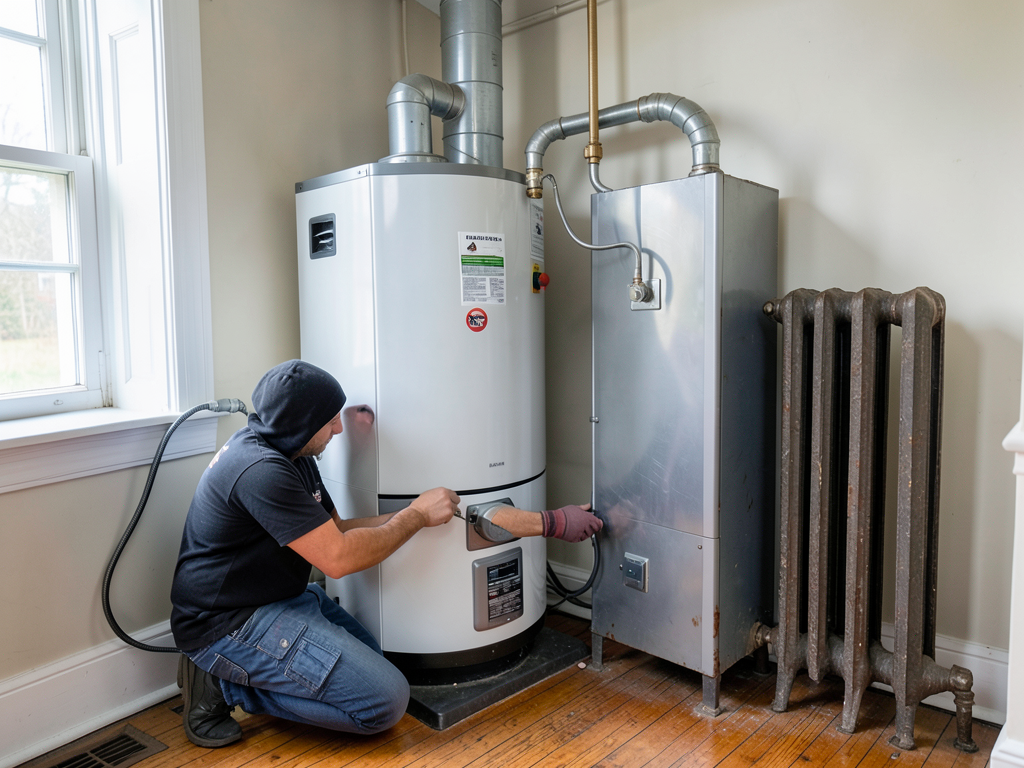
How to Determine if Your Old Radiators Can Work with a Modern High Efficiency Boiler in Shorewood
Your Shorewood home likely has beautiful old radiators that have kept you warm through decades of Wisconsin winters. Now you are wondering if those classic cast iron radiators can work with a new high-efficiency boiler. The good news is that in most cases they can. The combination of modern boiler technology and historic radiators often creates a heating system that is both efficient and comfortable.. Read more about Does Upgrading Your HVAC System Actually Increase the Resale Value of a Historic Concordia Home?.
Before you decide on a full system replacement you need to understand how these older radiators work with new technology. This guide will help you determine if your radiators are a good match for a modern boiler and what upgrades might be needed.. Read more about Can a Whole House Fan Replace Your AC During a Mild Shorewood Summer?.
Understanding Your Current Radiator System
Most Shorewood homes built before the 1950s have either steam or hot water radiator systems. Steam systems use one pipe to deliver steam and return condensate. Hot water systems use two pipes to circulate heated water through the radiators.
Cast iron radiators have a unique advantage. They store heat and continue radiating warmth even after the boiler shuts off. This thermal mass creates a gentle comfortable heat that many homeowners prefer over the quick on-off cycles of modern forced air systems.
Benefits of Pairing Old Radiators with New Boilers
Modern high-efficiency boilers offer several advantages when paired with your existing radiators. These include lower energy bills improved reliability and better temperature control.
High-efficiency condensing boilers can achieve efficiency ratings of ninety five percent or higher. This means they convert almost all the fuel they burn into usable heat. Your old radiators will actually help these boilers run even more efficiently because they operate at lower water temperatures than newer fin tube systems.
Thermal Mass Advantage
Your cast iron radiators act like heat batteries. They absorb heat when the boiler runs and release it slowly when the boiler cycles off. This creates more stable indoor temperatures and reduces the number of times your boiler needs to fire up during the day.
This thermal storage effect means your new high-efficiency boiler can run longer cycles at lower temperatures. This is exactly what these modern boilers are designed to do for maximum efficiency.
Comfort Benefits
Radiant heat from cast iron radiators warms objects and people directly rather than just heating the air. Many people describe this as a more comfortable and natural feeling heat compared to forced air systems that can create drafts and uneven temperatures.
Your radiators also provide silent operation. No blowers or fans means no noise and no dust being circulated through your home.
Critical Upgrades for Success
While your old radiators can work with a new boiler some upgrades are usually necessary. These improvements protect your new investment and ensure optimal performance.
System Flushing
Over decades radiators and pipes collect sludge and debris. This buildup can damage the heat exchanger in a new high-efficiency boiler. A thorough system flush removes this contamination before the new boiler is installed.
Professional flushing typically involves circulating cleaning chemicals through the system and then removing all the dirty water. This process can take several hours depending on your system size. Professional Duct Cleaning for Better Air Quality in Menomonee Falls.
Magnetic Dirt Separator
Modern high-efficiency boilers have very sensitive heat exchangers. Even small amounts of debris can cause problems. A magnetic dirt separator catches metallic particles that regular filters miss. EPA energy efficiency guidelines.
This device installs on the return line and continuously removes magnetite and other debris from your system water. It is a small investment that can prevent expensive repairs later.
Outdoor Reset Control
Wisconsin weather changes dramatically throughout the heating season. An outdoor reset control adjusts your boiler water temperature based on outdoor conditions. This prevents overheating on mild days and ensures adequate heat during cold snaps.
These controls can reduce your fuel consumption by ten to fifteen percent while improving comfort. They work especially well with cast iron radiators because the thermal mass smooths out temperature fluctuations.
Thermostatic Radiator Valves
TRVs allow you to control the temperature in individual rooms. This prevents overheating in sunrooms or bedrooms while ensuring adequate heat in bathrooms or north-facing rooms.
These valves replace the manual air vents on your radiators and automatically adjust water flow based on room temperature. They give you room-by-room control without the need for multiple heating zones.
Milwaukee Case Study: Historic Home Retrofit
A Shorewood Tudor home built in 1928 had its original steam radiator system and a forty-year-old boiler. The homeowner wanted to improve efficiency without losing the historic character of the home.
The project involved converting the steam system to hot water and installing a high-efficiency condensing boiler. The radiators were flushed and new thermostatic valves were added. An outdoor reset control and magnetic dirt separator completed the system.
The result was a thirty percent reduction in heating costs and improved comfort throughout the home. The radiators maintained their classic appearance while the new boiler reduced fuel consumption significantly.
Steam vs. Hot Water Considerations
If your home has steam radiators you have an additional decision to make. Steam systems can be converted to hot water but this requires some modifications.
Steam radiators have different internal passages than hot water radiators. They can usually be converted but may require slightly higher water temperatures to deliver the same heat output.
Conversion Process
Converting from steam to hot water involves adding a feed and expansion tank changing the air vents and modifying the piping to accommodate the different pressure and flow requirements. The boiler itself must be specifically rated for steam-to-water conversion.
This conversion typically adds five to ten thousand dollars to the project cost but often pays for itself through improved efficiency and reliability.
Cost Comparison: Boiler Only vs. Full System Replacement
Keeping your old radiators can save you significant money compared to a full system replacement. Here is a comparison of typical costs for a Shorewood home.
| Option | Estimated Cost Range | Key Benefits |
|---|---|---|
| High-Efficiency Boiler + Radiator Upgrades | $8,000 – $15,000 | Preserves historic radiators Lower cost than full replacement |
| Full System Replacement (Boiler + New Radiators) | $15,000 – $25,000 | New radiators throughout Home Updated piping |
| Boiler + Forced Air Conversion | $18,000 – $30,000 | Central air conditioning added Modern ductwork |
Most Shorewood homeowners find that upgrading their existing radiator system offers the best balance of cost efficiency and comfort.
Wisconsin Rebates and Incentives
Wisconsin offers several programs that can reduce the cost of upgrading to a high-efficiency boiler. Focus on Energy provides rebates for qualifying high-efficiency heating equipment. Focus on Energy Wisconsin.
These rebates typically range from three hundred to eight hundred dollars depending on the efficiency rating of the equipment you choose. Some utility companies also offer additional incentives for energy-efficient upgrades.
Common Concerns and Solutions
Homeowners often worry about specific issues when considering a new boiler for old radiators. Here are the most common concerns and their solutions.
Will My Radiators Get Hot Enough?
Modern high-efficiency boilers can produce water temperatures high enough for any radiator system. The key is proper system design and control. Outdoor reset controls ensure your radiators get hot enough on the coldest days while avoiding overheating during mild weather.
What About Leaks?
Old pipes can develop leaks over time. A professional inspection can identify any problem areas before the new boiler is installed. In many cases small leaks can be repaired without replacing entire sections of pipe. HVAC Inspection.
Will I Lose Heat During Power Outages?
Most modern boilers require electricity to operate. However you can add a small battery backup system that will keep your boiler running during short outages. This costs much less than a whole-house generator.
Maintenance Requirements
High-efficiency boilers require annual maintenance to maintain their efficiency and reliability. This includes cleaning the heat exchanger checking gas pressure and testing safety controls. The Most Trusted AC Maintenance Experts in West Allis.
Your old radiators need minimal maintenance beyond occasional bleeding to remove trapped air. The thermostatic valves may need adjustment from time to time but are generally reliable.
Making Your Decision
The decision to keep your old radiators or replace them depends on several factors. Consider these questions:
- Do you like the comfort of radiant heat?
- Are your radiators in good physical condition?
- Do you want to preserve the historic character of your home?
- Is your current system leaking or failing?
If you answered yes to most of these questions keeping your radiators with a new high-efficiency boiler is probably your best option.
Finding the Right Contractor
Not all HVAC contractors have experience with older radiator systems. Look for a contractor who understands both modern high-efficiency technology and historic heating systems.
Ask about their experience with similar projects in Shorewood and surrounding Milwaukee neighborhoods. Request references from homeowners with similar vintage homes. Bay View Heat Pump Installers for Year Round Comfort and Efficiency.
Frequently Asked Questions
Can I keep my old radiators when installing a new high-efficiency boiler?
Yes in most cases old cast iron radiators work very well with modern high-efficiency boilers. The key is proper system preparation including flushing and adding protective devices like magnetic dirt separators.
How much can I save on heating bills with a new high-efficiency boiler?
Most homeowners see twenty to thirty percent reductions in heating costs when upgrading from an old standard efficiency boiler to a new high-efficiency model. Your actual savings depend on your home’s insulation and local fuel costs.
Do I need to replace my radiators if I convert from steam to hot water?
No steam radiators can usually be converted to hot water operation. The conversion requires some modifications but the radiators themselves typically remain in place.
How long does a high-efficiency boiler last?
With proper maintenance a high-efficiency boiler typically lasts fifteen to twenty years. Annual professional maintenance is essential for reaching this lifespan.
Are there rebates available for high-efficiency boiler installations?
Yes Wisconsin Focus on Energy and many utility companies offer rebates for qualifying high-efficiency heating equipment. These rebates can reduce your installation cost by several hundred dollars.
Ready to Upgrade Your Shorewood Home’s Heating System?
Upgrading to a high-efficiency boiler while keeping your classic radiators is one of the smartest investments you can make in your Shorewood home. You will enjoy lower energy bills improved comfort and preserved historic character.
The experts at Elite Heating & Cooling Milwaukee understand the unique challenges of heating older homes in the Milwaukee area. We have helped countless Shorewood homeowners upgrade their heating systems while preserving the character of their homes.
Call us today at (414) 375-7888 to schedule a free evaluation of your existing system. We will show you exactly what upgrades are needed and provide a detailed quote for bringing your home into the twenty-first century while keeping its historic charm.
Don’t wait until your old boiler fails on the coldest night of the year. Contact Elite Heating & Cooling Milwaukee now and take the first step toward a more comfortable and efficient home.
{
“@context”: “https://schema.org”,
“@type”: “BlogPosting”,
“headline”: “How to Determine if Your Old Radiators Can Work with a Modern High Efficiency Boiler in Shorewood”,
“description”: “Discover if your Shorewood home’s vintage radiators can pair with modern high-efficiency boilers. Learn about compatibility, upgrades, and local Milwaukee HVAC solutions.”,
“wordCount”: 1832,
“datePublished”: “2026-05-02T07:51:00.000Z”,
“dateModified”: “2026-05-02T07:51:00.000Z”,
“inLanguage”: “en-US”,
“mainEntityOfPage”: {
“@type”: “WebPage”,
“@id”: “https://eliteheatingandcoolingmilwaukee.com”
},
“publisher”: {
“@type”: “LocalBusiness”,
“name”: “Elite Heating and Cooling Milwaukee”,
“url”: “https://eliteheatingandcoolingmilwaukee.com”
},
“author”: {
“@type”: “Organization”,
“name”: “Elite Heating and Cooling Milwaukee”,
“url”: “https://eliteheatingandcoolingmilwaukee.com”
},
“image”: {
“@type”: “ImageObject”,
“url”: “https://eliteheatingandcoolingmilwaukee.com/wp-content/uploads/2026/03/how-to-determine-if-your-old-radiators-can-work-wi-1.png”
}
}
{
“@context”: “https://schema.org”,
“@type”: “HVACBusiness”,
“name”: “Elite Heating and Cooling Milwaukee”,
“url”: “https://eliteheatingandcoolingmilwaukee.com”,
“address”: {
“@type”: “PostalAddress”,
“addressLocality”: “Milwaukee”
},
“areaServed”: {
“@type”: “City”,
“name”: “Milwaukee”
}
}
{
“@context”: “https://schema.org”,
“@type”: “FAQPage”,
“mainEntity”: [
{
“@type”: “Question”,
“name”: “Will My Radiators Get Hot Enough?”,
“acceptedAnswer”: {
“@type”: “Answer”,
“text”: “Modern high-efficiency boilers can produce water temperatures high enough for any radiator system. The key is proper system design and control. Outdoor reset controls ensure your radiators get hot enough on the coldest days while avoiding overheating during mild weather.”
}
},
{
“@type”: “Question”,
“name”: “What About Leaks?”,
“acceptedAnswer”: {
“@type”: “Answer”,
“text”: “Old pipes can develop leaks over time. A professional inspection can identify any problem areas before the new boiler is installed. In many cases small leaks can be repaired without replacing entire sections of pipe. HVAC Inspection.”
}
},
{
“@type”: “Question”,
“name”: “Will I Lose Heat During Power Outages?”,
“acceptedAnswer”: {
“@type”: “Answer”,
“text”: “Most modern boilers require electricity to operate. However you can add a small battery backup system that will keep your boiler running during short outages. This costs much less than a whole-house generator.”
}
},
{
“@type”: “Question”,
“name”: “Can I keep my old radiators when installing a new high-efficiency boiler?”,
“acceptedAnswer”: {
“@type”: “Answer”,
“text”: “Yes in most cases old cast iron radiators work very well with modern high-efficiency boilers. The key is proper system preparation including flushing and adding protective devices like magnetic dirt separators.”
}
},
{
“@type”: “Question”,
“name”: “How much can I save on heating bills with a new high-efficiency boiler?”,
“acceptedAnswer”: {
“@type”: “Answer”,
“text”: “Most homeowners see twenty to thirty percent reductions in heating costs when upgrading from an old standard efficiency boiler to a new high-efficiency model. Your actual savings depend on your home’s insulation and local fuel costs.”
}
},
{
“@type”: “Question”,
“name”: “Do I need to replace my radiators if I convert from steam to hot water?”,
“acceptedAnswer”: {
“@type”: “Answer”,
“text”: “No steam radiators can usually be converted to hot water operation. The conversion requires some modifications but the radiators themselves typically remain in place.”
}
},
{
“@type”: “Question”,
“name”: “How long does a high-efficiency boiler last?”,
“acceptedAnswer”: {
“@type”: “Answer”,
“text”: “With proper maintenance a high-efficiency boiler typically lasts fifteen to twenty years. Annual professional maintenance is essential for reaching this lifespan.”
}
},
{
“@type”: “Question”,
“name”: “Are there rebates available for high-efficiency boiler installations?”,
“acceptedAnswer”: {
“@type”: “Answer”,
“text”: “Yes Wisconsin Focus on Energy and many utility companies offer rebates for qualifying high-efficiency heating equipment. These rebates can reduce your installation cost by several hundred dollars.”
}
},
{
“@type”: “Question”,
“name”: “Ready to Upgrade Your Shorewood Home’s Heating System?”,
“acceptedAnswer”: {
“@type”: “Answer”,
“text”: “Upgrading to a high-efficiency boiler while keeping your classic radiators is one of the smartest investments you can make in your Shorewood home. You will enjoy lower energy bills improved comfort and preserved historic character.”
}
}
]
}
{
“@context”: “https://schema.org”,
“@type”: “BreadcrumbList”,
“itemListElement”: [
{
“@type”: “ListItem”,
“position”: 1,
“name”: “Home”,
“item”: “https://eliteheatingandcoolingmilwaukee.com”
},
{
“@type”: “ListItem”,
“position”: 2,
“name”: “Blog”,
“item”: “https://eliteheatingandcoolingmilwaukee.com/blog”
},
{
“@type”: “ListItem”,
“position”: 3,
“name”: “How to Determine if Your Old Radiators Can Work with a Modern High Efficiency Boiler in Shorewood”
}
]
}
{
“@context”: “https://schema.org”,
“@type”: “Service”,
“serviceType”: “HVAC”,
“provider”: {
“@type”: “LocalBusiness”,
“name”: “Elite Heating and Cooling Milwaukee”,
“url”: “https://eliteheatingandcoolingmilwaukee.com”
},
“areaServed”: {
“@type”: “City”,
“name”: “Milwaukee”
},
“description”: “Discover if your Shorewood home’s vintage radiators can pair with modern high-efficiency boilers. Learn about compatibility, upgrades, and local Milwaukee HVAC solutions.”
}