
How to Keep the Second Floor of Your Cudahy Cape Cod Cool All Summer Long
Your Cape Cod in Cudahy gets hot upstairs every summer. You are not imagining it. The unique architecture of these homes creates real physics problems that make the second floor unbearable when temperatures rise.
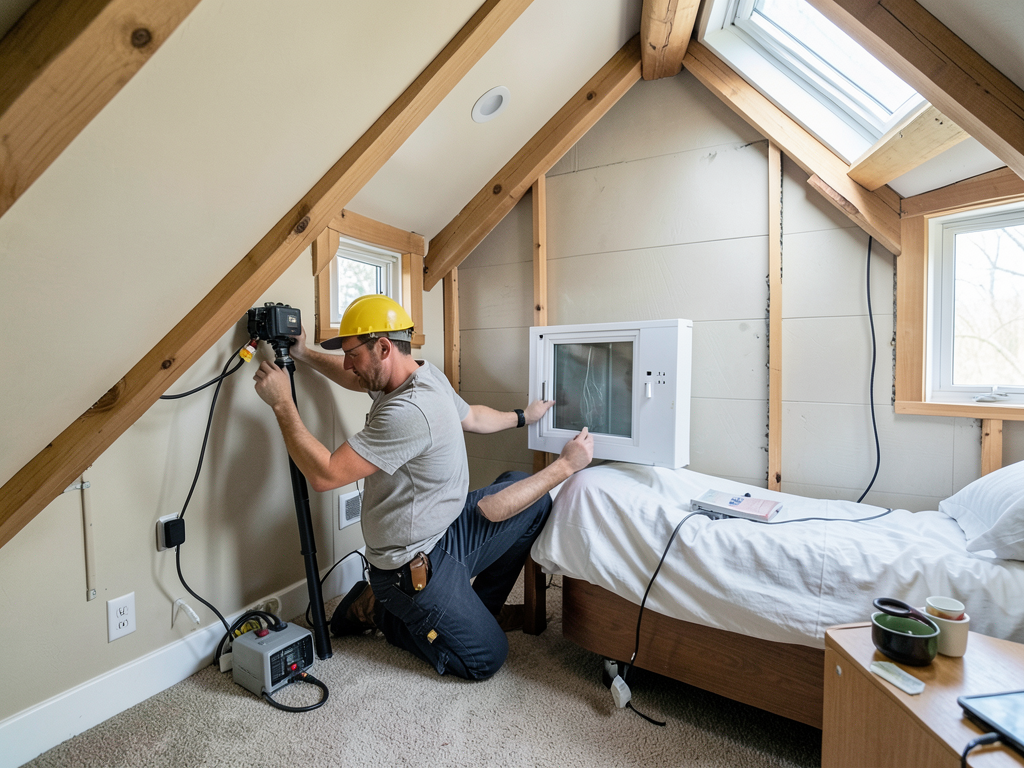
The main issue comes from heat rising. Your first floor stays relatively cool because cold air sinks. But upstairs in a Cape Cod the warm air has nowhere to go. The slanted ceilings trap heat against the roof. The small knee-wall attic spaces become ovens that radiate warmth down into your living area.
Milwaukee summers make this worse. Our high humidity means your air conditioner works twice as hard. The lake effect keeps moisture levels elevated even on mild days. Your Cape Cod was built for a different era when people accepted hot upstairs bedrooms as normal.
The good news is you have several proven solutions. Some focus on the building envelope itself. Others upgrade your cooling system. Many homeowners use a combination approach for the best results. Focus on Energy.
Why Cape Cod Second Floors Are Notoriously Hot
The stack effect causes most of the problem. Warm air naturally rises and escapes through any opening it can find. In your Cape Cod the warm air collects in the attic space above the second floor. This creates positive pressure that pushes warm air down through gaps around light fixtures, electrical outlets, and unfinished wall cavities. Bay View Heat Pump Installers for Year Round Comfort and Efficiency.
The knee walls present another major challenge. These short walls separate your living space from the unconditioned attic. In many Cudahy Cape Cods built before the 1980s these walls have minimal insulation. Some have none at all. The attic side of these walls can reach 120 degrees on a sunny summer day. That heat conducts directly into your bedroom.
Slanted ceilings compound the issue. The roof surface absorbs solar heat all day long. Standard insulation in these sloped areas often settles or was never installed to current standards. The result is a thermal bridge that allows outdoor heat to penetrate your living space.
Many older Cape Cods also suffer from inadequate return air pathways upstairs. Your central air system pushes cold air up the stairs but has no way to pull the warm air back down. This creates positive pressure upstairs that forces cooled air out through any available gap. Finding the Best Central Air Conditioning Installation in Brookfield.
Option 1: Ductless Mini-Split Systems
Ductless mini-splits represent the gold standard for cooling Cape Cod second floors. These systems eliminate the need for invasive ductwork in your finished spaces. The indoor unit mounts on the wall and connects to an outdoor compressor through a small refrigerant line.. Read more about Can Your Existing Ductwork Actually Handle a Modern High Efficiency AC Unit?.
The biggest advantage is zoning. You can cool your second floor independently from your first floor. This means you are not wasting energy cooling empty downstairs spaces at night. The system runs only when you need it upstairs.
Modern mini-splits offer excellent efficiency. Units with SEER2 ratings above 20 can cool your space while using less electricity than a standard window unit. The inverter technology adjusts compressor speed based on demand rather than cycling on and off.
Installation is minimally invasive. A three-inch hole through the wall handles the refrigerant lines and electrical connections. No demolition of finished walls or ceilings required. This preserves the character of your historic Cudahy home.
Most homeowners see cooling capacity between 9000 and 18000 BTUs for a typical Cape Cod second floor. Your exact needs depend on square footage insulation quality and sun exposure. A professional load calculation ensures proper sizing. We Energies.
Option 2: High-Velocity HVAC Systems
High-velocity systems work well when you want to integrate second floor cooling with your existing system. These use small flexible ducts that fit inside existing wall cavities. The supply vents are circular and much smaller than standard registers.
The key advantage is whole-house integration. You maintain a single thermostat and can balance temperatures between floors. The system can also provide heating in winter. This eliminates the need for separate cooling equipment.. Read more about Solving the Battle of the Thermostat in Your Milwaukee Duplex.
Installation requires less demolition than traditional ductwork. The main trunk line runs through an unfinished basement or attic. Small outlet boxes mount in your finished spaces. The process typically takes three to five days for a complete installation.
High-velocity systems move air at much higher speeds than conventional systems. This creates better air circulation and can help overcome the stack effect in your Cape Cod. The rapid air movement also improves humidity control which is crucial for Milwaukee summers.
Initial costs run higher than mini-splits but may be comparable when you factor in heating integration. The systems work especially well in homes with existing forced air heating since they use the same air handler.
Option 3: Attic Insulation and Ventilation Upgrades
Improving your building envelope often provides the biggest return on investment. Proper insulation and ventilation can reduce cooling loads by 30 percent or more. This means your existing system works less and your second floor stays cooler.
Start with the knee walls. Spray foam insulation provides the best results. Closed-cell spray foam creates an air seal and adds R-value in one step. This prevents the attic heat from conducting through the walls into your living space.
Attic ventilation plays a crucial role. Hot air needs a path to escape. Ridge vents work with soffit vents to create continuous airflow across the underside of your roof deck. This removes heat before it can radiate down into your second floor.
Radiant barriers installed in the attic can reflect up to 97 percent of radiant heat. These metallic foil sheets install under the roof deck. They work best in combination with proper insulation and ventilation.
Air sealing represents the most overlooked improvement. Every gap and crack in your second floor ceiling allows heat to enter. Professional air sealing targets these leaks around light fixtures, electrical boxes, and plumbing penetrations. This simple step can reduce heat gain significantly. Professional Duct Cleaning for Better Air Quality in Menomonee Falls.
Window treatments also matter. Reflective window film blocks solar heat gain through south and west facing windows. Cellular shades add insulation value and can reduce heat transfer by 40 percent or more.
Cost vs. Comfort: A Milwaukee Comparison
| Solution | Initial Cost Range | Energy Savings | Best For |
|---|---|---|---|
| Ductless Mini-Split | $3500 – $7000 | 20-40% | Targeted cooling, minimal construction |
| High-Velocity System | $8000 – $15000 | 25-35% | Whole-house integration |
| Envelope Upgrades | $2000 – $6000 | 30-50% | Maximum efficiency, DIY friendly |
| Window Units | $300 – $800 each | 0-15% | Budget solution, temporary |
Focus on Energy offers rebates for many HVAC improvements in Wisconsin. These can reduce your net cost by 20 to 40 percent. The program covers insulation upgrades, high-efficiency equipment, and air sealing projects.
Local utility rebates from We Energies can provide additional savings. Many mini-split installations qualify for instant rebates at the time of purchase. Check current programs before making your final decision.
Financing options make larger projects more affordable. Many HVAC companies offer 12 to 60 month plans with competitive rates. Some Focus on Energy projects qualify for zero interest loans through the state program.
Case Study: Cooling a Home in Bay View
The Johnson family in Bay View struggled with their 1940s Cape Cod for five summers. The second floor reached 85 degrees by noon even with the main AC running constantly. Their energy bills topped $400 monthly during July and August.
We installed a 15000 BTU mini-split system upstairs. The installation took one day. We also sealed air leaks and added insulation to the knee walls. Total project cost was $6200 after rebates.
Results exceeded expectations. The second floor now stays at 72 degrees even on 90 degree days. Energy bills dropped to $280 during peak months. The system paid for itself in three summers through energy savings and improved comfort.
The Johnsons also noticed better air quality. The mini-split includes advanced filtration that removes pollen and dust. Their son’s allergy symptoms improved significantly after installation.
Most importantly they can now sleep comfortably upstairs year round. The heat pump function provides efficient heating in winter too. They no longer need space heaters in the upstairs bedrooms.
Smart Zoning for Cape Cod Homes
Modern zoning systems can transform how your entire home handles temperature control. Smart thermostats learn your patterns and adjust automatically. They can cool your second floor before you arrive home and reduce cooling in empty spaces.
Motorized dampers installed in your existing ductwork allow for room by room control. This means you can direct more cooling to upstairs when needed without running the system at full capacity all day.
Wi-Fi enabled controls let you monitor and adjust temperatures from your phone. This proves especially useful for Cape Cod owners who work outside the home. You can ensure comfort before walking in the door.
Some advanced systems integrate with whole house fans. These pull cool evening air through your home and flush out the heat that built up during the day. This natural cooling can reduce air conditioning needs by 50 percent on milder days.
Humidity control remains crucial for Milwaukee summers. Many modern systems include dedicated dehumidification modes. These remove moisture without overcooling your space. This prevents that cold but clammy feeling that makes rooms uncomfortable.
Maintenance for Peak Performance
Regular maintenance keeps your cooling system running efficiently. Dirty filters reduce airflow by up to 30 percent. This forces your system to work harder and cool less effectively. Replace filters monthly during peak season. The Most Trusted AC Maintenance Experts in West Allis.
Annual professional tune ups catch small problems before they become major failures. Technicians check refrigerant levels, clean coils, and verify proper airflow. This prevents the surprise breakdowns that always seem to happen on the hottest days.
Outdoor units need clear space around them. Keep vegetation trimmed back at least two feet. This ensures proper airflow across the condenser coils. Dirty coils can reduce efficiency by 20 percent or more.
Check your ductwork for leaks. Even small gaps can waste 10 to 30 percent of your cooled air. Professional duct sealing uses mastic or specialized tape to close these leaks. This improves both comfort and efficiency.
Monitor your system’s performance. If upstairs temperatures rise or cooling cycles become longer than normal call for service. Early intervention prevents costly repairs and maintains comfort.
Making the Right Choice for Your Cudahy Cape Cod
Your decision depends on several factors. Budget plays a role but so does your long term plans. If you plan to stay in your home for five or more years investing in efficiency often makes financial sense.
Consider your home’s existing systems. If you have a relatively new furnace staying with your current system and adding targeted cooling often proves most cost effective. If your HVAC equipment is over 15 years old a complete system replacement might make more sense.
Your home’s construction matters too. Some Cape Cods have accessible attics that make envelope improvements easier. Others have finished spaces that limit modification options. A professional assessment helps identify the best approach for your specific situation.
Think about your lifestyle. Do you need cooling throughout the day or mainly at night? Are certain rooms more important than others? Understanding your usage patterns helps size equipment properly.
Don’t forget about noise levels. Some cooling solutions operate more quietly than others. If you are a light sleeper or have bedrooms near the outdoor unit this could influence your choice.. Read more about How Your Attic’s HVAC Setup Could Be Causing Those Dangerous Ice Dams in Glendale.
Frequently Asked Questions
Can I cool my second floor with just window units?
Window units work for temporary or budget solutions but have significant drawbacks. They are less efficient than permanent systems, create security concerns, and often look unsightly. They also cannot provide heating in winter. For long term comfort and efficiency a permanent solution proves more cost effective.
How long does a typical installation take?
Simple mini-split installations complete in one day. High-velocity systems take three to five days. Full envelope upgrades might span two to three weeks depending on the scope. Most projects cause minimal disruption to your daily routine.
Will I need permits for this work?
Most HVAC installations require permits in Cudahy and throughout Milwaukee County. This ensures the work meets local codes and passes inspection. Professional HVAC contractors handle permitting as part of the installation process. HVAC Inspection.
What about tax credits or rebates?
Federal tax credits can cover up to 30 percent of high efficiency HVAC equipment costs through 2032. Wisconsin Focus on Energy rebates vary by equipment type and efficiency level. Local utility rebates from We Energies provide additional savings. Total incentives can reduce costs by thousands of dollars.
How do I know what size system I need?
Proper sizing requires a Manual J load calculation. This considers your home’s square footage, insulation levels, window orientation, and local climate. Guessing leads to oversized or undersized equipment. Oversized units short cycle and provide poor humidity control. Undersized units run constantly and never achieve comfort.
Take Control of Your Upstairs Comfort
Living with a hot second floor in your Cudahy Cape Cod does not have to be your reality. Modern HVAC solutions offer efficient reliable cooling that transforms your upstairs into a comfortable living space.
The right solution depends on your specific home and needs. A professional assessment can identify the best approach for your situation. Many homeowners find that combining envelope improvements with efficient cooling equipment provides the best results.
Energy efficiency has become increasingly important as utility costs rise. High efficiency systems not only cool better but also reduce your monthly bills. Many solutions pay for themselves through energy savings within just a few years.
Your Cape Cod deserves to be comfortable year round. Stop accepting hot upstairs bedrooms as normal. Take the first step toward solving your cooling problems today.
Ready to transform your second floor from unbearable to comfortable? Call Elite Heating & Cooling Milwaukee at (414) 375-7888 for a free assessment. Our local experts understand the unique challenges of cooling Cape Cod homes in Cudahy and throughout Milwaukee. We will evaluate your specific situation and recommend the most effective solution for your home and budget. Do not wait for another sweltering summer night. Call now and take the first step toward year round comfort.
{
“@context”: “https://schema.org”,
“@type”: “BlogPosting”,
“headline”: “How to Keep the Second Floor of Your Cudahy Cape Cod Cool All Summer Long”,
“description”: “Struggling with a hot upstairs Cape Cod in Cudahy? Learn expert HVAC solutions for knee-wall insulation, ductless mini-splits, and Milwaukee-specific cooling strategies.”,
“wordCount”: 2381,
“datePublished”: “2026-05-11T09:15:00.000Z”,
“dateModified”: “2026-05-11T09:15:00.000Z”,
“inLanguage”: “en-US”,
“mainEntityOfPage”: {
“@type”: “WebPage”,
“@id”: “https://eliteheatingandcoolingmilwaukee.com”
},
“publisher”: {
“@type”: “LocalBusiness”,
“name”: “Elite Heating and Cooling Milwaukee”,
“url”: “https://eliteheatingandcoolingmilwaukee.com”
},
“author”: {
“@type”: “Organization”,
“name”: “Elite Heating and Cooling Milwaukee”,
“url”: “https://eliteheatingandcoolingmilwaukee.com”
},
“image”: {
“@type”: “ImageObject”,
“url”: “https://eliteheatingandcoolingmilwaukee.com/wp-content/uploads/2026/03/how-to-keep-the-second-floor-of-your-cudahy-cape-c-1.png”
}
}
{
“@context”: “https://schema.org”,
“@type”: “HVACBusiness”,
“name”: “Elite Heating and Cooling Milwaukee”,
“url”: “https://eliteheatingandcoolingmilwaukee.com”,
“address”: {
“@type”: “PostalAddress”,
“addressLocality”: “Milwaukee”
},
“areaServed”: {
“@type”: “City”,
“name”: “Milwaukee”
}
}
{
“@context”: “https://schema.org”,
“@type”: “FAQPage”,
“mainEntity”: [
{
“@type”: “Question”,
“name”: “Can I cool my second floor with just window units?”,
“acceptedAnswer”: {
“@type”: “Answer”,
“text”: “Window units work for temporary or budget solutions but have significant drawbacks. They are less efficient than permanent systems, create security concerns, and often look unsightly. They also cannot provide heating in winter. For long term comfort and efficiency a permanent solution proves more cost effective.”
}
},
{
“@type”: “Question”,
“name”: “How long does a typical installation take?”,
“acceptedAnswer”: {
“@type”: “Answer”,
“text”: “Simple mini-split installations complete in one day. High-velocity systems take three to five days. Full envelope upgrades might span two to three weeks depending on the scope. Most projects cause minimal disruption to your daily routine.”
}
},
{
“@type”: “Question”,
“name”: “Will I need permits for this work?”,
“acceptedAnswer”: {
“@type”: “Answer”,
“text”: “Most HVAC installations require permits in Cudahy and throughout Milwaukee County. This ensures the work meets local codes and passes inspection. Professional HVAC contractors handle permitting as part of the installation process. HVAC Inspection.”
}
},
{
“@type”: “Question”,
“name”: “What about tax credits or rebates?”,
“acceptedAnswer”: {
“@type”: “Answer”,
“text”: “Federal tax credits can cover up to 30 percent of high efficiency HVAC equipment costs through 2032. Wisconsin Focus on Energy rebates vary by equipment type and efficiency level. Local utility rebates from We Energies provide additional savings. Total incentives can reduce costs by thousands of dollars.”
}
},
{
“@type”: “Question”,
“name”: “How do I know what size system I need?”,
“acceptedAnswer”: {
“@type”: “Answer”,
“text”: “Proper sizing requires a Manual J load calculation. This considers your home’s square footage, insulation levels, window orientation, and local climate. Guessing leads to oversized or undersized equipment. Oversized units short cycle and provide poor humidity control. Undersized units run constantly and never achieve comfort.”
}
}
]
}
{
“@context”: “https://schema.org”,
“@type”: “BreadcrumbList”,
“itemListElement”: [
{
“@type”: “ListItem”,
“position”: 1,
“name”: “Home”,
“item”: “https://eliteheatingandcoolingmilwaukee.com”
},
{
“@type”: “ListItem”,
“position”: 2,
“name”: “Blog”,
“item”: “https://eliteheatingandcoolingmilwaukee.com/blog”
},
{
“@type”: “ListItem”,
“position”: 3,
“name”: “How to Keep the Second Floor of Your Cudahy Cape Cod Cool All Summer Long”
}
]
}
{
“@context”: “https://schema.org”,
“@type”: “Service”,
“serviceType”: “HVAC”,
“provider”: {
“@type”: “LocalBusiness”,
“name”: “Elite Heating and Cooling Milwaukee”,
“url”: “https://eliteheatingandcoolingmilwaukee.com”
},
“areaServed”: {
“@type”: “City”,
“name”: “Milwaukee”
},
“description”: “Struggling with a hot upstairs Cape Cod in Cudahy? Learn expert HVAC solutions for knee-wall insulation, ductless mini-splits, and Milwaukee-specific cooling strategies.”
}