
How to Size the Right Furnace for Your Large Multi Generation Home in Mequon
Finding the right furnace size for your large multi-generation home in Mequon requires more than just matching square footage to a BTU rating. Wisconsin’s climate zone 6 conditions demand precise calculations that account for extreme cold, high humidity, and the unique characteristics of multi-family living spaces. This guide walks you through the exact process to ensure your home stays warm without wasting energy or money. Finding the Best Central Air Conditioning Installation in Brookfield.
Understanding BTU Requirements for Multi-Generation Homes
Multi-generation homes in Mequon typically range from 3,000 to 5,000 square feet with multiple living zones, kitchens, and bathrooms. Each area generates heat differently based on occupancy, appliance use, and insulation quality. The basic formula starts with 30-40 BTUs per square foot for new construction, but older Mequon homes often need 45-50 BTUs per square foot due to less efficient insulation.
For example, a 4,000-square-foot multi-generation home built in the 1990s might need 180,000 BTUs total, while the same size new construction might only need 120,000 BTUs. This difference can mean thousands of dollars in energy costs over a furnace’s lifetime.. Read more about Why High Efficiency Furnaces Might Require Different Venting in Older West Allis Homes.
Climate Zone 6 Requirements for Mequon Homes
Mequon sits in Wisconsin’s climate zone 6, where winter design temperatures reach -10°F. This means your furnace must handle sustained cold snaps that can last weeks. The Department of Energy requires furnaces in this zone to achieve minimum 95% AFUE efficiency ratings to qualify for utility rebates. Department of Energy furnace efficiency guide.
Lake Michigan’s proximity creates unique challenges. Lake effect snow and wind can increase heat loss by 15-20% compared to inland areas. Homes near the lakefront in Mequon often need additional BTUs to compensate for this increased exposure.
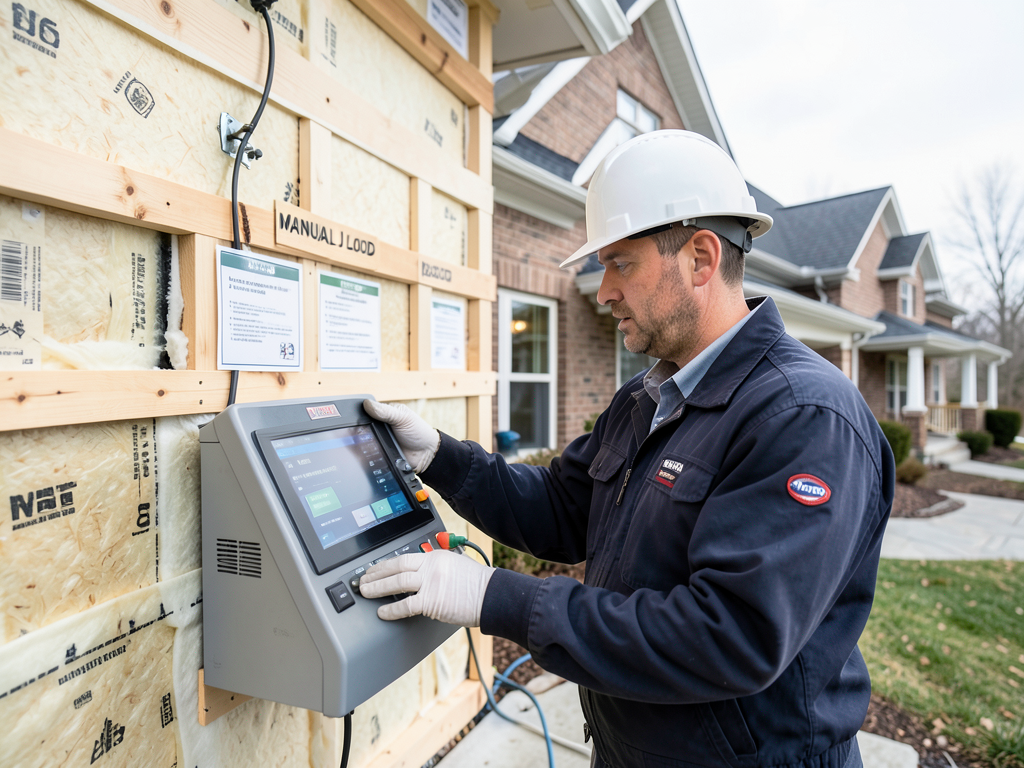
Manual J Load Calculation: The Professional Standard
The Manual J load calculation represents the only accurate method for sizing furnaces. This comprehensive assessment examines every factor affecting your home’s heating needs. Professional HVAC technicians measure wall construction, window types, ceiling heights, and existing insulation R-values. Professional Duct Cleaning for Better Air Quality in Menomonee Falls.
Key factors in Manual J calculations include:
- Square footage of conditioned space
- Ceiling heights and cathedral areas
- Window types and orientation
- Existing insulation levels
- Air infiltration rates
- Occupant loads and appliance heat gain
- Foundation type and basement conditions
Most Mequon multi-generation homes have complex layouts with finished basements, bonus rooms, and multiple heating zones. A proper Manual J calculation for these homes typically takes 2-3 hours and costs between $300-500. However, this investment prevents the much larger expense of installing an incorrectly sized furnace.. Read more about Choosing Between Ecobee and Nest Smart Thermostats for Your Mequon Smart Home.
BTU Calculation Table for Mequon Multi-Generation Homes
| Square Footage | Construction Year | BTUs Required (Climate Zone 6) |
|---|---|---|
| 3,000-3,500 | Pre-2000 | 135,000-157,500 |
| 3,000-3,500 | 2000-2010 | 105,000-122,500 |
| 3,000-3,500 | Post-2010 | 90,000-105,000 |
| 4,000-4,500 | Pre-2000 | 180,000-202,500 |
| 4,000-4,500 | 2000-2010 | 140,000-157,500 |
| 4,000-4,500 | Post-2010 | 120,000-135,000 |
| 5,000+ | Pre-2000 | 225,000+ |
| 5,000+ | 2000-2010 | 175,000+ |
| 5,000+ | Post-2010 | 150,000+ |
Impact of Mequon’s Housing Stock on Furnace Sizing
Mequon features a diverse housing stock ranging from historic estates to modern luxury homes. Each type presents unique challenges for furnace sizing. Older homes built before 1980 often have plaster walls with minimal insulation, requiring significantly more heating capacity than their newer counterparts.
Common Mequon home types and their typical requirements:
- 1970s-1980s split-levels: 35-40 BTUs per square foot due to aluminum windows and minimal wall insulation
- 1990s colonials: 30-35 BTUs per square foot with better insulation but still single-pane or early double-pane windows
- 2000s+ custom homes: 25-30 BTUs per square foot with modern insulation and high-efficiency windows
- Historic estates: 45-50 BTUs per square foot due to plaster construction and original windows
Many Mequon homes sit on clay-heavy soils that retain moisture. This creates additional challenges as damp basements and crawl spaces can affect heating efficiency and may require supplemental dehumidification during winter months.
High-Efficiency vs. Standard Efficiency Furnaces
High-efficiency condensing furnaces achieve 95-98% AFUE ratings compared to 80-85% for standard models. In Mequon’s climate, the higher upfront cost of condensing units typically pays for itself within 5-7 years through energy savings.
Key differences for multi-generation homes:
- Condensing furnaces produce cooler exhaust, allowing for PVC venting through side walls rather than requiring metal chimneys
- Modulating burners in high-efficiency units provide more precise temperature control across multiple zones
- Two-stage operation reduces temperature swings in large homes with varying occupancy patterns
- Variable-speed blowers improve air circulation and reduce hot and cold spots
For homes over 3,500 square feet, high-efficiency units often include zoning capabilities that allow different temperature settings for various areas. This becomes crucial in multi-generation homes where elderly residents might prefer warmer temperatures than younger family members.
Focus on Energy Rebates for Mequon Residents
Wisconsin’s Focus on Energy program offers substantial rebates for high-efficiency furnace installations. Mequon residents can receive up to $400 for furnaces with 95% AFUE ratings and up to $800 for units with 97% AFUE or higher. Focus on Energy Wisconsin rebates.
Additional incentives include:
- $50-100 for programmable thermostats when installed with qualifying furnaces
- Enhanced rebates for income-qualified households
- Utility-specific rebates through We Energies for Mequon residents
- Federal tax credits of up to $300 for qualifying high-efficiency equipment
These rebates can reduce the effective cost of a high-efficiency furnace by 15-25%, making the investment more attractive for large multi-generation homes where energy savings accumulate quickly.
Common Sizing Mistakes to Avoid
Many homeowners make critical errors when selecting furnace sizes. Understanding these pitfalls helps you avoid costly mistakes that lead to discomfort and wasted energy.
Most frequent sizing errors:
- Using square footage alone without considering insulation quality or climate zone
- Installing the same size as the previous furnace without verification
- Choosing oversized units that short-cycle and waste energy
- Ignoring the impact of finished basements on total heating load
- Overlooking the need for zoning in large multi-story homes
Short cycling occurs when furnaces are oversized and heat the space too quickly, causing the unit to shut off before properly circulating air. This leads to hot and cold spots, increased wear on components, and higher energy bills despite having a larger unit.. Read more about Dealing with Short Cycling Problems with Your Furnace in the Lower East Side.
Installation Considerations for Large Homes
Installing a furnace in a large multi-generation home requires careful planning beyond just selecting the right size. Ductwork modifications often become necessary to ensure proper air distribution across all living areas.
Critical installation factors:
- Duct sizing must accommodate the increased airflow requirements of larger units
- Return air pathways need assessment to prevent pressure imbalances
- Venting configurations must comply with local building codes for high-efficiency units
- Electrical service may need upgrades for modulating furnaces with variable-speed blowers
- Gas line sizing must support the higher BTU input of larger furnaces
Many Mequon homes built before 2000 require significant duct modifications to properly support modern high-efficiency furnaces. This additional work can add $2,000-5,000 to installation costs but proves essential for optimal performance.
Maintenance Requirements for Large Capacity Furnaces
Larger furnaces in multi-generation homes face unique maintenance challenges due to their increased complexity and usage patterns. Regular professional maintenance becomes even more critical to ensure reliability and efficiency. The Most Trusted AC Maintenance Experts in West Allis.
Essential maintenance tasks:
- Annual professional tune-ups including heat exchanger inspection
- Burner cleaning and adjustment for optimal combustion
- Blower motor lubrication and belt inspection
- Filter replacement every 1-3 months depending on household size
- Vent system inspection for blockages or deterioration
Large homes with multiple occupants generate more dust and debris, requiring more frequent filter changes. Homes with pets or family members with allergies may need HEPA filtration systems that add to the initial investment but improve indoor air quality significantly.
Cost Factors for Multi-Generation Home Furnaces
The total cost of installing a properly sized furnace in a large multi-generation home extends beyond the unit price. Understanding all cost components helps with accurate budgeting and prevents surprises during installation.
Cost breakdown typically includes:
- Furnace unit: $2,500-6,000 depending on size and efficiency
- Duct modifications: $2,000-5,000 for older homes
- Thermostat upgrades: $300-1,000 for smart zoning controls
- Permitting and inspection fees: $200-500
- Removal and disposal of old equipment: $300-600
- Installation labor: $1,500-3,000
Total project costs for a 4,000+ square foot multi-generation home typically range from $7,000-15,000. While this represents a significant investment, proper sizing and installation can reduce energy costs by $500-1,000 annually in Wisconsin’s climate.
Energy Efficiency and Operating Costs
The efficiency rating of your furnace directly impacts monthly operating costs, especially in Mequon’s long heating season. Understanding the relationship between efficiency, fuel costs, and usage patterns helps optimize your investment.
Annual operating cost comparison:
- 80% AFUE furnace: $1,800-2,500 per year
- 95% AFUE furnace: $1,400-1,900 per year
- 98% AFUE furnace: $1,300-1,800 per year
These estimates assume natural gas fuel at current Wisconsin prices and a 4,000-square-foot home. The 15-20% efficiency improvement from upgrading to high-efficiency equipment can save $400-700 annually, paying for the upgrade premium within 5-8 years.
Choosing the Right HVAC Contractor in Mequon
Selecting a qualified contractor proves as important as choosing the right furnace size. Mequon’s specific requirements demand contractors familiar with local building codes, climate conditions, and utility rebate programs.
Essential qualifications to verify:
- Wisconsin HVAC contractor license and proper insurance
- NATE certification for installation technicians
- Experience with multi-generation home installations
- Manual J calculation software and training
- Focus on Energy trade ally status
- Local references from Mequon homeowners
Reputable contractors provide detailed written estimates including Manual J calculations, equipment specifications, and warranty information. They should also explain the installation process, timeline, and any necessary home modifications before beginning work.
Smart Technology Integration
Modern furnaces offer smart technology integration that enhances comfort and efficiency in large multi-generation homes. These features become particularly valuable when managing different temperature preferences across various living areas.
Smart features worth considering:
- Wi-Fi enabled thermostats with remote monitoring
- Learning algorithms that adapt to occupancy patterns
- Voice control integration with smart home systems
- Energy usage tracking and reporting
- Maintenance alerts and filter replacement reminders
- Integration with whole-home humidifiers and air purifiers
Smart thermostats can reduce energy consumption by 10-15% through intelligent scheduling and remote adjustments. For large homes with varying occupancy throughout the day, this technology proves especially valuable.
Frequently Asked Questions
How long does a furnace installation take in a large Mequon home?
Most furnace installations in multi-generation homes require 1-2 days. Complex projects involving significant duct modifications or zoning system installations may take 3-4 days. Your contractor should provide a detailed timeline during the estimate process.
Can I install a larger furnace to ensure my home stays warm?
No. Oversized furnaces cause short cycling, which reduces efficiency, increases wear on components, and creates uncomfortable temperature swings. Proper sizing through Manual J calculations ensures optimal performance and comfort.
What size furnace do I need for a 4,500 square foot Mequon home built in 2005?
A 2005 home likely needs 140,000-160,000 BTUs depending on insulation quality, window types, and ceiling heights. A professional Manual J calculation provides the exact requirement rather than estimates.
Are there any Mequon-specific building codes I should know about?
Mequon follows Ozaukee County building codes with additional requirements for high-efficiency furnace venting and combustion air intake. Your contractor must pull proper permits and schedule inspections for compliance. HVAC Inspection.
Ready to Get Your Furnace Sized Correctly?
Don’t guess about your furnace size and risk paying too much for energy or dealing with comfort issues. Our NATE-certified technicians specialize in multi-generation home installations throughout Mequon and understand the unique challenges of Wisconsin’s climate zone 6.
We provide comprehensive Manual J load calculations, detailed written estimates, and expert installation backed by our satisfaction guarantee. Plus, we handle all Focus on Energy rebate paperwork to maximize your savings.
Call us today at (414) 375-7888 to schedule your free furnace sizing consultation. We’ll assess your home’s specific needs and recommend the perfect system for your multi-generation household.
Don’t wait until winter hits. Get your furnace sized right now and enjoy reliable comfort all season long.
You may also find this helpful. Comparing Goodman and Rheem Furnaces for Budget Friendly Reliability in Cudahy.
{
“@context”: “https://schema.org”,
“@type”: “BlogPosting”,
“headline”: “How to Size the Right Furnace for Your Large Multi Generation Home in Mequon”,
“description”: “Learn how to calculate the exact BTU needs for your large Mequon multi-generation home. Expert HVAC guide covering Manual J load calculations, Wisconsin climate factors, and Focus on Energy rebates.”,
“wordCount”: 1954,
“datePublished”: “2026-04-19T10:26:00.000Z”,
“dateModified”: “2026-04-19T10:26:00.000Z”,
“inLanguage”: “en-US”,
“mainEntityOfPage”: {
“@type”: “WebPage”,
“@id”: “https://eliteheatingandcoolingmilwaukee.com”
},
“publisher”: {
“@type”: “LocalBusiness”,
“name”: “Elite Heating and Cooling Milwaukee”,
“url”: “https://eliteheatingandcoolingmilwaukee.com”
},
“author”: {
“@type”: “Organization”,
“name”: “Elite Heating and Cooling Milwaukee”,
“url”: “https://eliteheatingandcoolingmilwaukee.com”
},
“image”: {
“@type”: “ImageObject”,
“url”: “https://eliteheatingandcoolingmilwaukee.com/wp-content/uploads/2026/03/how-to-size-the-right-furnace-for-your-large-multi-1.png”
}
}
{
“@context”: “https://schema.org”,
“@type”: “HVACBusiness”,
“name”: “Elite Heating and Cooling Milwaukee”,
“url”: “https://eliteheatingandcoolingmilwaukee.com”,
“address”: {
“@type”: “PostalAddress”,
“addressLocality”: “Milwaukee”
},
“areaServed”: {
“@type”: “City”,
“name”: “Milwaukee”
}
}
{
“@context”: “https://schema.org”,
“@type”: “FAQPage”,
“mainEntity”: [
{
“@type”: “Question”,
“name”: “How long does a furnace installation take in a large Mequon home?”,
“acceptedAnswer”: {
“@type”: “Answer”,
“text”: “Most furnace installations in multi-generation homes require 1-2 days. Complex projects involving significant duct modifications or zoning system installations may take 3-4 days. Your contractor should provide a detailed timeline during the estimate process.”
}
},
{
“@type”: “Question”,
“name”: “Can I install a larger furnace to ensure my home stays warm?”,
“acceptedAnswer”: {
“@type”: “Answer”,
“text”: “No. Oversized furnaces cause short cycling, which reduces efficiency, increases wear on components, and creates uncomfortable temperature swings. Proper sizing through Manual J calculations ensures optimal performance and comfort.”
}
},
{
“@type”: “Question”,
“name”: “What size furnace do I need for a 4,500 square foot Mequon home built in 2005?”,
“acceptedAnswer”: {
“@type”: “Answer”,
“text”: “A 2005 home likely needs 140,000-160,000 BTUs depending on insulation quality, window types, and ceiling heights. A professional Manual J calculation provides the exact requirement rather than estimates.”
}
},
{
“@type”: “Question”,
“name”: “Are there any Mequon-specific building codes I should know about?”,
“acceptedAnswer”: {
“@type”: “Answer”,
“text”: “Mequon follows Ozaukee County building codes with additional requirements for high-efficiency furnace venting and combustion air intake. Your contractor must pull proper permits and schedule inspections for compliance. HVAC Inspection.”
}
},
{
“@type”: “Question”,
“name”: “Ready to Get Your Furnace Sized Correctly?”,
“acceptedAnswer”: {
“@type”: “Answer”,
“text”: “Don’t guess about your furnace size and risk paying too much for energy or dealing with comfort issues. Our NATE-certified technicians specialize in multi-generation home installations throughout Mequon and understand the unique challenges of Wisconsin’s climate zone 6.”
}
}
]
}
{
“@context”: “https://schema.org”,
“@type”: “BreadcrumbList”,
“itemListElement”: [
{
“@type”: “ListItem”,
“position”: 1,
“name”: “Home”,
“item”: “https://eliteheatingandcoolingmilwaukee.com”
},
{
“@type”: “ListItem”,
“position”: 2,
“name”: “Blog”,
“item”: “https://eliteheatingandcoolingmilwaukee.com/blog”
},
{
“@type”: “ListItem”,
“position”: 3,
“name”: “How to Size the Right Furnace for Your Large Multi Generation Home in Mequon”
}
]
}
{
“@context”: “https://schema.org”,
“@type”: “Service”,
“serviceType”: “HVAC”,
“provider”: {
“@type”: “LocalBusiness”,
“name”: “Elite Heating and Cooling Milwaukee”,
“url”: “https://eliteheatingandcoolingmilwaukee.com”
},
“areaServed”: {
“@type”: “City”,
“name”: “Milwaukee”
},
“description”: “Learn how to calculate the exact BTU needs for your large Mequon multi-generation home. Expert HVAC guide covering Manual J load calculations, Wisconsin climate factors, and Focus on Energy rebates.”
}