
The Hidden Connection: How Your HVAC Ductwork Causes Ice Dams
Those massive icicles hanging from your Glendale roofline aren’t just a roofing problem. They’re often a symptom of heat escaping from your attic’s HVAC system. When ductwork runs through unconditioned attic spaces in Milwaukee’s climate zone 6, even small leaks can create a perfect storm for ice dam formation.
Milwaukee’s unique combination of lake-effect snow and extreme temperature swings creates conditions where a few degrees of extra heat in your attic can spell disaster. The physics are simple: warm air from leaky ducts heats your roof deck, snow melts from underneath, water runs down to the colder eaves, and refreezes into thick ice dams. This cycle repeats until you have massive ice formations that can damage shingles, gutters, and even allow water to back up under your roof covering.
Many Glendale homeowners focus solely on their roof’s condition when ice dams appear, but the real culprit might be hiding in plain sight above your ceiling. Ductwork installed in attics without proper sealing or insulation becomes a major heat source during winter. The stack effect pulls warm air through any available path, and unsealed duct joints provide the perfect escape route for conditioned air meant to heat your living spaces. Focus on Energy Wisconsin.
The Physics of an Ice Dam: Why Ductwork Matters
Understanding how heat moves through your home helps explain why HVAC ductwork is often the primary driver of ice dam formation. Heat naturally flows from warmer to cooler areas, and in winter, your heated living spaces want to share their warmth with the cold attic above. This process, called thermal bypass, occurs through any available pathway.
Standard attic ductwork typically carries air at temperatures between 120-140°F. When ducts leak even 10-15% of their air volume through small gaps or poorly sealed joints, that escaping warm air directly heats the attic space above it. Building science research shows that each cubic foot per minute (CFM) of duct leakage can raise attic temperatures by several degrees over the course of a winter.
The stack effect amplifies this problem in Milwaukee’s climate. Warm air inside your home rises naturally, creating positive pressure at the top of your living space. This pressure difference drives warm air through ceiling penetrations, attic hatches, and most critically, through ductwork running through unconditioned spaces. The result is a localized hot spot directly above your duct runs where snow melts first and most aggressively.
Wisconsin building codes require R-8 insulation for ductwork in unconditioned spaces, but many older Glendale homes were built when R-4 to R-6 was standard. Even with proper insulation, if the vapor barrier is compromised or the insulation has settled over decades, your ducts become inefficient heat exchangers rather than effective thermal barriers.
Common HVAC-Related Ice Dam Culprits
Several HVAC system configurations are particularly prone to causing ice dams in Milwaukee’s climate. Understanding these common issues helps you identify whether your system might be contributing to the problem.
Supply duct leaks represent the most frequent offender. When conditioned air escapes from supply ducts before reaching your rooms, it heats the attic space directly above the leak location. Since supply ducts typically run along the ridge of your home where the roof is steepest, this creates ideal conditions for snow melt exactly where it will cause the most damage.
Return air pathways through attics can be equally problematic. Many Glendale homes built in the 1960s and 1970s used attic-mounted air handlers with return ducts that pull cold attic air into the system. If these return ducts aren’t perfectly sealed, they can actually depressurize the attic slightly, drawing warm air from your living space through ceiling penetrations and into the attic.
High-efficiency furnaces with PVC intake and exhaust pipes create another ice dam risk factor. These pipes typically terminate near the roofline, and if not properly installed with correct pitch and clearance, they can direct warm exhaust gases onto the roof surface. In extreme cold, this creates localized melting that refreezes into ice dams.
Finally, the interaction between HVAC systems and attic ventilation plays a crucial role. Soffit vents are designed to draw cold air through the attic, but if your duct system is leaking warm air, these vents can actually pull that warm air from the attic space and distribute it across your roof deck, accelerating ice dam formation.
Symptoms of HVAC-Related Ice Dams
Recognizing the warning signs of HVAC-related ice dams helps you address problems before they cause major damage. Several symptoms indicate your heating system might be contributing to ice dam formation.
Uneven heating patterns throughout your home often signal duct problems that also cause ice dams. If certain rooms feel colder than others, especially rooms farthest from your furnace or air handler, your ducts might be leaking in the attic. These same leaks that prevent proper heating delivery also heat your attic space.
Higher than expected utility bills during winter months can indicate duct leakage. When your HVAC system loses 15-20% of its heated air to the attic, it must run longer to maintain temperatures, driving up energy costs. This wasted energy directly contributes to the attic heat that causes ice dams.
Ice formation patterns on your roof provide crucial diagnostic information. Ice dams that form specifically above duct runs, along ridge lines, or near furnace exhaust terminations strongly suggest HVAC-related causes rather than simple insulation problems. The ice typically appears in linear patterns following your duct layout.
Condensation on attic duct surfaces indicates inadequate insulation or vapor barrier failure. When warm duct surfaces contact cold attic air, moisture condenses on the duct exterior. This condensation not only reduces duct efficiency but also creates conditions where ice can form on the duct surface itself, eventually dripping onto your ceiling below.
Musty odors or visible mold in your attic often accompany HVAC-related ice dams. The warm, moist air escaping from ducts creates ideal conditions for mold growth on attic surfaces. This biological growth further degrades your attic’s thermal performance and can spread to other areas of your home.
Professional Solutions for Milwaukee Homeowners
Addressing HVAC-related ice dams requires a systematic approach that combines diagnostic testing with targeted remediation. Professional solutions focus on eliminating the heat sources while improving your home’s overall thermal performance. Professional Duct Cleaning for Better Air Quality in Menomonee Falls.
Aeroseal duct sealing represents the most effective solution for existing duct systems. This technology uses computer-controlled aerosol particles to seal leaks from the inside of your ductwork. The process pressurizes your duct system and injects sealant particles that collect at leak sites, creating an airtight seal. Aeroseal can reduce duct leakage by 90% or more, eliminating the primary heat source for ice dam formation.
R-8 duct insulation upgrades provide the thermal barrier your attic ducts need. Professional installation includes removing old insulation, inspecting for damage, and installing new R-8 rated fiberglass or foam insulation with proper vapor barriers. This upgrade alone can reduce heat transfer to your attic by 50% or more, significantly reducing ice dam risk.
Attic bypass sealing addresses all the pathways where warm air escapes into your attic, not just duct leaks. This comprehensive approach uses spray foam, caulk, and weatherstripping to seal gaps around light fixtures, plumbing penetrations, attic hatches, and other ceiling penetrations. By eliminating these bypasses, you prevent warm air from reaching your attic regardless of duct condition. Bay View Heat Pump Installers for Year Round Comfort and Efficiency.
Combustion air intake protection prevents furnace-related ice dam issues. High-efficiency furnaces require dedicated combustion air intake pipes that must be properly installed to prevent exhaust gases from contacting the roof surface. Professional installation includes proper pipe sizing, correct pitch for condensation drainage, and adequate clearance from roof surfaces.
Whole-house pressure testing, often called blower door testing, identifies all air leakage pathways in your home. This diagnostic procedure depressurizes your home and measures air infiltration rates, helping technicians locate hidden leaks that contribute to ice dam formation. The test typically reveals 30-50% more leakage than visual inspection alone. HVAC Inspection.
DIY vs. Professional Intervention
While some ice dam prevention measures can be DIY projects, HVAC-related causes require professional expertise. Understanding the limitations of DIY approaches helps you make informed decisions about when to call in experts.
DIY insulation addition seems straightforward but often creates more problems than it solves. Adding fiberglass batts over existing attic ducts without proper vapor barriers can trap moisture, leading to condensation on duct surfaces. This condensation can freeze in extreme cold, creating ice that damages both your ducts and ceiling below.
Improper duct sealing using standard duct tape actually accelerates deterioration. Regular duct tape fails within months in attic conditions, and the adhesive can break down into particles that clog your HVAC system. Professional mastic sealants and Aeroseal technology provide lasting solutions that DIY products cannot match.
Roof raking and ice melting cables address symptoms rather than causes. While these methods can prevent immediate damage, they don’t solve the underlying heat loss problem. Moreover, aggressive roof raking can damage shingles and create new leak pathways that worsen ice dam problems.
Professional intervention becomes essential when dealing with combustion appliances. Any work around furnace intake or exhaust pipes requires knowledge of local building codes and proper venting requirements. Incorrect modifications can create dangerous carbon monoxide risks or void your furnace warranty.
Data from Focus on Energy Wisconsin shows that professional duct sealing and insulation upgrades typically pay for themselves within 3-5 years through energy savings alone. When you factor in the cost of ice dam damage prevention, the return on investment improves significantly.
Milwaukee-Specific Considerations
Glendale’s location in Milwaukee’s metropolitan area subjects homes to specific climate challenges that affect ice dam formation and HVAC performance. Understanding these local factors helps you make better decisions about prevention and remediation.
Lake-effect snow patterns unique to Glendale and other Milwaukee suburbs create heavier snow loads than areas just a few miles inland. This increased snow depth means more water available for ice dam formation when heat escapes from your attic. The combination of heavy snow and warm attic air creates ideal conditions for rapid ice dam growth.
Milwaukee’s temperature fluctuations during winter months, often swinging 30-40 degrees in a single day, stress building materials and create freeze-thaw cycles that accelerate ice dam damage. These cycles are particularly hard on older homes in historic Glendale neighborhoods where original ductwork may not meet current insulation standards.
Wisconsin’s building code requirements for Zone 6 climate (which includes Glendale) mandate specific R-value minimums for both attic insulation and ductwork. Current codes require R-49 minimum for attic insulation and R-8 for ductwork in unconditioned spaces. Many homes built before 2000 fall short of these requirements, creating ice dam vulnerabilities.
The clay-heavy soils common in Glendale and surrounding Milwaukee suburbs contribute to foundation issues that can affect your HVAC system’s performance. Foundation settling can create gaps around duct penetrations, while basement dampness can increase humidity levels that exacerbate condensation problems in your attic.
Local utility programs through Focus on Energy Wisconsin offer rebates for duct sealing and insulation upgrades that specifically address ice dam prevention. These programs recognize the connection between energy efficiency and ice dam prevention, offering financial incentives for comprehensive solutions.
Post-Ice Dam HVAC Safety Checklist
If you’ve already experienced ice dam formation, your HVAC system may have sustained damage that requires immediate attention. This safety checklist helps you identify potential problems before they cause further issues.
Inspect your attic for water staining or active leaks around duct runs. Water entering through ice dams often travels along duct surfaces before dripping onto your ceiling. Look for discoloration, sagging insulation, or active dripping that indicates water intrusion.
Check your furnace’s combustion air intake for ice blockage. When ice dams form near furnace vents, they can block combustion air intake pipes, causing your furnace to shut down or operate inefficiently. Clear any visible ice and ensure proper pipe clearance from roof surfaces.
Examine duct insulation for moisture damage. Water from ice dams can saturate duct insulation, reducing its R-value and creating conditions for mold growth. Compromised insulation should be replaced immediately to restore thermal performance.
Test your carbon monoxide detectors if you suspect ice dam-related furnace problems. Blocked combustion air intakes can cause incomplete combustion, potentially creating dangerous carbon monoxide levels in your home.
Schedule a professional HVAC inspection to assess any damage to your heating system. Water intrusion into ductwork can damage internal components, while ice blockage of vents can stress your furnace’s heat exchanger.
Document all damage with photos for insurance purposes. Many homeowners’ insurance policies cover ice dam damage, but you need proper documentation to support your claim.
Prevention Through Professional Maintenance
Regular HVAC maintenance plays a crucial role in preventing ice dam formation. Professional tune-ups can identify and address potential problems before they create ice dam conditions. The Most Trusted AC Maintenance Experts in West Allis.
Annual duct inspection should include pressure testing to measure leakage rates. This testing reveals problems that visual inspection cannot detect, allowing for targeted repairs before they contribute to ice dam formation. EPA HVAC Systems Guide.
Seasonal filter changes maintain proper airflow through your HVAC system. Restricted airflow can cause your furnace to run longer cycles, increasing the heat available to escape into your attic through any available pathway.
Thermostat calibration ensures your heating system operates efficiently. An improperly calibrated thermostat can cause your furnace to overheat your home, increasing the temperature differential that drives heat into your attic.
Professional attic inspections during routine maintenance can identify developing ice dam risks. Technicians can spot insulation settling, vapor barrier damage, or duct deterioration before they create major problems.
Regular gutter cleaning prevents ice dam formation at the eaves. While this doesn’t address HVAC-related causes, it removes one pathway for ice dam development and ensures proper water drainage when snow does melt.
Cost Factors and Investment Considerations
Understanding the costs associated with ice dam prevention helps you make informed decisions about which solutions to pursue. Several factors influence the total investment required.
Duct sealing costs vary based on your home’s size and the extent of leakage. Average whole-house duct sealing projects range from $1,500 to $3,500, with Aeroseal technology typically costing more upfront but providing superior long-term results.
Attic insulation upgrades represent a significant investment, typically ranging from $2,000 to $5,000 depending on your home’s size and existing conditions. However, these upgrades often qualify for utility rebates that can offset 20-30% of the cost.
Professional attic bypass sealing costs depend on the number of penetration points in your home. A typical whole-house bypass sealing project ranges from $800 to $2,000 and addresses all the hidden pathways where warm air escapes into your attic.
High-efficiency furnace upgrades with proper venting can cost $4,000 to $8,000 but eliminate many ice dam risk factors associated with older equipment. These systems include features like sealed combustion chambers that prevent exhaust gases from contacting roof surfaces.
When evaluating costs, consider the potential expense of ice dam damage. Roof repairs from ice dam damage typically range from $2,000 to $10,000, while interior water damage repairs can exceed $15,000 in severe cases. Prevention costs often represent a fraction of potential damage expenses.
Energy Efficiency and Ice Dam Prevention
The connection between energy efficiency and ice dam prevention creates a compelling case for comprehensive HVAC upgrades. Many solutions that prevent ice dams also improve your home’s overall energy performance.
Duct sealing improvements typically reduce heating costs by 15-25% while simultaneously eliminating the primary heat source for ice dam formation. This dual benefit means your investment pays for itself through energy savings while protecting your home from ice damage.
Attic insulation upgrades improve both heating and cooling efficiency. While the winter benefits include ice dam prevention, summer benefits include reduced cooling costs and improved comfort. The year-round performance improvement enhances the return on your investment.
High-efficiency HVAC equipment with proper installation eliminates many of the conditions that cause ice dams. Modern furnaces with sealed combustion chambers and properly sized ductwork operate more efficiently while reducing the heat available to escape into your attic.
Whole-house energy audits, often available through utility programs, identify all the pathways where your home loses energy. These audits typically reveal ice dam risk factors along with other efficiency opportunities, allowing you to address multiple problems with comprehensive solutions.
The synergy between energy efficiency and ice dam prevention means that solutions often provide benefits beyond the immediate problem. By addressing the root causes of ice dams through energy-efficient upgrades, you improve your home’s comfort, reduce utility costs, and protect your investment from winter damage.
Local Building Code Compliance
Milwaukee and Wisconsin building codes contain specific requirements that affect ice dam prevention and HVAC system performance. Understanding these requirements helps ensure your solutions meet current standards.
Wisconsin Uniform Dwelling Code (UDC) Chapter 23 covers HVAC system requirements, including duct insulation standards and combustion air provisions. Current codes require R-8 minimum insulation for ductwork in unconditioned spaces and specific combustion air intake sizing based on your furnace’s BTU rating.
City of Milwaukee HVAC permitting requirements mandate professional installation for most duct modifications and furnace replacements. These permits ensure work meets current code requirements and passes inspection for safety and efficiency.
Attic ventilation requirements specified in building codes affect ice dam prevention strategies. Current standards require 1 square foot of net free ventilation area for every 300 square feet of attic floor space, with specific placement requirements for intake and exhaust vents.
High-efficiency furnace venting requirements include minimum clearances from roof surfaces and specific pipe materials for different vent configurations. Improper venting can create localized roof heating that contributes to ice dam formation.
Energy code compliance inspections verify that insulation levels and air sealing meet current requirements. These inspections can identify ice dam risk factors before they cause problems, particularly in new construction or major renovation projects.
Professional HVAC contractors familiar with local codes can ensure your ice dam prevention solutions meet all applicable requirements while maximizing effectiveness. This code compliance protects your investment and ensures safe, efficient operation.
Long-Term Protection Strategies
Comprehensive ice dam prevention requires a long-term strategy that addresses both immediate problems and future risks. This approach combines professional solutions with ongoing maintenance and monitoring.
Annual HVAC system inspections should include duct leakage testing and insulation condition assessment. These inspections can identify developing problems before they create ice dam conditions, allowing for proactive repairs rather than emergency responses.
Attic condition monitoring helps you track changes that might affect ice dam risk. Look for signs of moisture intrusion, insulation settling, or duct deterioration that could increase heat transfer to your attic space.
Roof maintenance, including proper snow removal when necessary, complements HVAC-based prevention strategies. While not addressing the root cause, careful snow removal can prevent ice dam formation during particularly severe weather conditions.
Smart thermostat integration allows for better control of your heating system’s operation. Programmable thermostats can maintain more consistent temperatures, reducing the temperature differentials that drive heat into your attic.
Humidity control throughout your home affects ice dam formation indirectly. High indoor humidity levels increase the moisture available for condensation on cold duct surfaces, potentially creating ice formation within your attic space.
Professional energy assessments every 3-5 years can identify changes in your home’s performance that might affect ice dam risk. Building envelope changes, equipment upgrades, or lifestyle changes can all impact your home’s ice dam vulnerability.
By implementing a comprehensive long-term strategy, you create multiple layers of protection against ice dam formation while improving your home’s overall performance and efficiency.
Emergency Response Procedures
Even with preventive measures in place, severe weather conditions can sometimes overwhelm your ice dam defenses. Having an emergency response plan helps you minimize damage when ice dams do form.
Emergency contact information should be readily available. Keep your HVAC contractor’s phone number (414-375-7888 for Elite Heating & Cooling) and your insurance company’s claims line easily accessible for quick response when problems arise.
Emergency repair kits can help you address minor ice dam issues before they cause major damage. Include items like roof rakes, calcium chloride ice melt (not rock salt), and temporary roof patching materials for emergency repairs.
Water damage response procedures should be established before problems occur. Know how to shut off your main water supply, where your emergency water shutoff valves are located, and how to contact water damage restoration professionals if needed.
Insurance claim preparation involves documenting your home’s condition and any preventive measures you’ve implemented. Photos of your attic, ductwork, and roof condition before problems occur can support your claims if damage does happen.
Emergency heating system backup plans ensure you can maintain safe temperatures if your primary system fails due to ice dam-related problems. Consider portable heaters or backup heating sources for extreme situations.
Communication plans should include notifying neighbors about your ice dam prevention efforts. In closely spaced suburban neighborhoods like Glendale, your prevention measures can affect adjacent properties, and coordinated efforts often prove more effective.
Professional emergency services availability varies by company and season. Establish relationships with contractors who offer 24/7 emergency service before you need them, ensuring help is available when severe weather strikes. AC Service Germantown.
Cost-Benefit Analysis of Prevention
Investing in ice dam prevention through HVAC improvements requires evaluating the costs against potential benefits and avoided damages. This analysis helps you make informed decisions about which solutions to pursue.
Direct cost savings from energy efficiency improvements often offset a significant portion of prevention costs. Duct sealing typically pays for itself through energy savings within 3-5 years, while also providing ice dam prevention benefits.
Ice dam damage costs vary widely but can be substantial. Roof repairs from ice dam damage typically range from $2,000 to $10,000, while interior water damage repairs can exceed $15,000 in severe cases. Prevention costs are often a fraction of potential damage expenses.
Insurance premium considerations may affect your decision. Some insurance companies offer premium discounts for homes with documented ice dam prevention measures, potentially offsetting prevention costs over time.
Property value impacts should be considered. Homes with documented energy efficiency improvements and ice dam prevention measures may command higher resale values and appeal to energy-conscious buyers.
Quality of life benefits, while harder to quantify, represent real value. Preventing ice dams eliminates the stress and disruption of winter emergencies, improves home comfort, and protects your family’s health by preventing mold growth and water damage.
Environmental benefits from improved energy efficiency align with many homeowners’ values. Reducing energy consumption through ice dam prevention contributes to lower carbon emissions and reduced resource consumption.
When viewed comprehensively, the benefits of ice dam prevention through HVAC improvements often significantly outweigh the costs, particularly when considering the multiple ways these improvements benefit your home and family.
Frequently Asked Questions
How can I tell if my HVAC system is causing ice dams?
Look for ice formation patterns that follow your duct layout, uneven heating in your home, higher winter utility bills, and condensation on attic duct surfaces. Professional duct leakage testing can confirm if your system is contributing to ice dam formation.
How much does professional duct sealing cost?
Professional duct sealing typically costs between $1,500 and $3,500 for a whole-house system, depending on your home’s size and the extent of leakage. Aeroseal technology, while more expensive upfront, provides superior long-term results.
Can I prevent ice dams by just adding more attic insulation?
Adding insulation alone often doesn’t solve HVAC-related ice dams because it doesn’t address the heat source. Leaky ducts can overwhelm additional insulation by continuously heating your attic space. Professional sealing and insulation upgrades work together for best results.
How long does it take to see results from ice dam prevention measures?
You may notice immediate improvements in home comfort and energy bills, but ice dam prevention results typically become evident during the first winter after improvements. Professional solutions like duct sealing can reduce ice dam risk by 80-90% when properly implemented.
Are there any rebates available for ice dam prevention in Glendale?
Yes, Focus on Energy Wisconsin offers rebates for duct sealing, insulation upgrades, and HVAC improvements that prevent ice dams. These rebates can cover 20-30% of improvement costs. Your HVAC contractor can help you identify available incentives.
Should I remove snow from my roof to prevent ice dams?
While snow removal can help prevent ice dams, it addresses symptoms rather than causes. If your HVAC system is causing ice dams, snow removal provides only temporary relief. Professional duct sealing and insulation upgrades provide permanent solutions.
How often should I have my HVAC system inspected for ice dam prevention?
Annual HVAC inspections should include duct leakage testing and insulation condition assessment. Professional attic inspections every 2-3 years can identify developing problems before they create ice dam conditions.
Can ice dams damage my furnace or air handler?
Yes, ice dams can block combustion air intakes on high-efficiency furnaces, causing system shutdowns or inefficient operation. Water from ice dams can also damage attic-mounted air handlers. Professional inspection after ice dam formation is recommended.
What’s the difference between ice dams and regular roof leaks?
Ice dams form when snow melts from underneath due to warm attic air, then refreezes at the colder eaves. Regular roof leaks typically occur from damaged shingles, flashing problems, or other roof component failures. Ice dams can cause both types of leaks.
How do I know if water from ice dams has entered my ductwork?
Signs include musty odors when your HVAC system runs, visible water staining around ceiling registers, reduced airflow from affected ducts, and mold growth in your attic near duct runs. Professional inspection can confirm if water has entered your ductwork.
Is ice dam prevention covered by homeowners insurance?
Insurance typically covers damage caused by ice dams but not preventive measures. However, some insurers offer premium discounts for homes with documented ice dam prevention measures. Check with your insurance provider about available discounts.
How do I find a qualified HVAC contractor for ice dam prevention?
Look for contractors with NATE certification, experience with duct sealing and insulation, and familiarity with Milwaukee’s climate and building codes. Ask about their experience with ice dam prevention specifically and request references from local customers.
Can ice dams affect my indoor air quality?
Yes, ice dams can lead to mold growth in your attic and ductwork, which can affect indoor air quality. Water intrusion into ducts can also create conditions for bacterial growth. Professional inspection and remediation may be necessary if you suspect air quality issues.
What should I do if I already have ice dams forming?
Avoid using sharp tools to remove ice, as this can damage your roof. Use calcium chloride ice melt products specifically designed for roofs. For severe ice dams, contact a professional ice dam removal service. Also, schedule an HVAC inspection to address underlying causes.
How do geothermal or other alternative heating systems affect ice dam formation?
Geothermal and other alternative systems can still contribute to ice dam formation if they use ductwork in unconditioned spaces. The heat transfer principles remain the same regardless of the heat source. Proper duct sealing and insulation are essential for all HVAC systems.
Take Action Today to Prevent Ice Dam Damage
Ice dams caused by HVAC system problems can lead to thousands of dollars in damage to your Glendale home. The good news is that professional solutions exist that address the root causes while improving your home’s energy efficiency and comfort.
Don’t wait for the next severe winter storm to discover whether your attic’s HVAC setup is creating ice dam risks. Elite Heating & Cooling Milwaukee offers comprehensive inspections that identify HVAC-related ice dam causes and provide targeted solutions specific to your home’s needs.
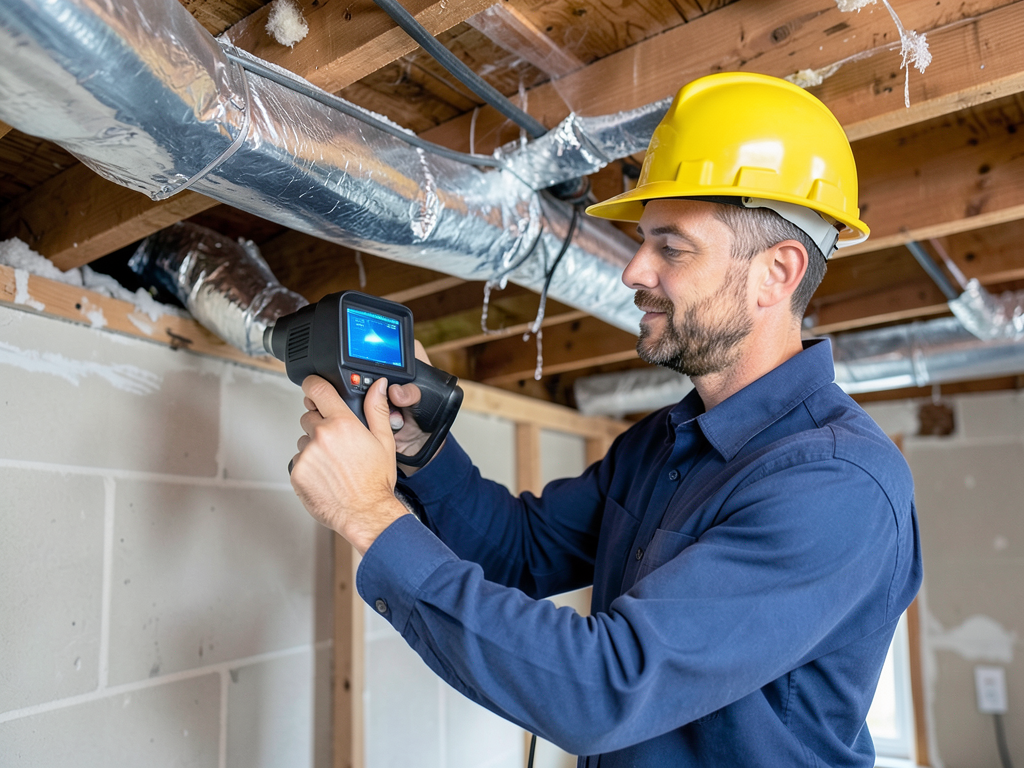
Our experienced technicians understand the unique challenges that Milwaukee’s climate creates for Glendale homeowners. We use advanced diagnostic tools like blower door testing and thermal imaging to identify hidden problems that contribute to ice dam formation. Our solutions include professional duct sealing, R-8 insulation upgrades, and attic bypass sealing that address the root causes of ice dam formation.
Call Elite Heating & Cooling Milwaukee today at (414) 375-7888 to schedule your comprehensive ice dam prevention assessment. Our team will evaluate your HVAC system’s contribution to ice dam risk and provide a detailed plan for eliminating these problems while improving your home’s energy efficiency.
Don’t let another winter pass with the risk of ice dam damage hanging over your home. Take action now to protect your investment and enjoy worry-free winters in your Glendale home. Contact Elite Heating & Cooling Milwaukee today and let our expertise work for you. For more information, visit National Renewable Energy Laboratory Duct Sealing Research.
{
“@context”: “https://schema.org”,
“@type”: “BlogPosting”,
“headline”: “How Your Attic’s HVAC Setup Could Be Causing Those Dangerous Ice Dams in Glendale”,
“description”: “Learn how duct leaks and poor attic insulation in Glendale homes create ice dams. Discover Milwaukee-specific solutions from Elite Heating & Cooling.”,
“wordCount”: 4757,
“datePublished”: “2026-05-18T08:25:00.000Z”,
“dateModified”: “2026-05-18T08:25:00.000Z”,
“inLanguage”: “en-US”,
“mainEntityOfPage”: {
“@type”: “WebPage”,
“@id”: “https://eliteheatingandcoolingmilwaukee.com”
},
“publisher”: {
“@type”: “LocalBusiness”,
“name”: “Elite Heating and Cooling Milwaukee”,
“url”: “https://eliteheatingandcoolingmilwaukee.com”
},
“author”: {
“@type”: “Organization”,
“name”: “Elite Heating and Cooling Milwaukee”,
“url”: “https://eliteheatingandcoolingmilwaukee.com”
},
“image”: {
“@type”: “ImageObject”,
“url”: “https://eliteheatingandcoolingmilwaukee.com/wp-content/uploads/2026/03/how-your-attic-s-hvac-setup-could-be-causing-those-1.png”
}
}
{
“@context”: “https://schema.org”,
“@type”: “HVACBusiness”,
“name”: “Elite Heating and Cooling Milwaukee”,
“url”: “https://eliteheatingandcoolingmilwaukee.com”,
“address”: {
“@type”: “PostalAddress”,
“addressLocality”: “Milwaukee”
},
“areaServed”: {
“@type”: “City”,
“name”: “Milwaukee”
}
}
{
“@context”: “https://schema.org”,
“@type”: “FAQPage”,
“mainEntity”: [
{
“@type”: “Question”,
“name”: “How can I tell if my HVAC system is causing ice dams?”,
“acceptedAnswer”: {
“@type”: “Answer”,
“text”: “Look for ice formation patterns that follow your duct layout, uneven heating in your home, higher winter utility bills, and condensation on attic duct surfaces. Professional duct leakage testing can confirm if your system is contributing to ice dam formation.”
}
},
{
“@type”: “Question”,
“name”: “How much does professional duct sealing cost?”,
“acceptedAnswer”: {
“@type”: “Answer”,
“text”: “Professional duct sealing typically costs between $1,500 and $3,500 for a whole-house system, depending on your home’s size and the extent of leakage. Aeroseal technology, while more expensive upfront, provides superior long-term results.”
}
},
{
“@type”: “Question”,
“name”: “How long does it take to see results from ice dam prevention measures?”,
“acceptedAnswer”: {
“@type”: “Answer”,
“text”: “You may notice immediate improvements in home comfort and energy bills, but ice dam prevention results typically become evident during the first winter after improvements. Professional solutions like duct sealing can reduce ice dam risk by 80-90% when properly implemented.”
}
},
{
“@type”: “Question”,
“name”: “Are there any rebates available for ice dam prevention in Glendale?”,
“acceptedAnswer”: {
“@type”: “Answer”,
“text”: “Yes, Focus on Energy Wisconsin offers rebates for duct sealing, insulation upgrades, and HVAC improvements that prevent ice dams. These rebates can cover 20-30% of improvement costs. Your HVAC contractor can help you identify available incentives.”
}
},
{
“@type”: “Question”,
“name”: “Should I remove snow from my roof to prevent ice dams?”,
“acceptedAnswer”: {
“@type”: “Answer”,
“text”: “While snow removal can help prevent ice dams, it addresses symptoms rather than causes. If your HVAC system is causing ice dams, snow removal provides only temporary relief. Professional duct sealing and insulation upgrades provide permanent solutions.”
}
},
{
“@type”: “Question”,
“name”: “How often should I have my HVAC system inspected for ice dam prevention?”,
“acceptedAnswer”: {
“@type”: “Answer”,
“text”: “Annual HVAC inspections should include duct leakage testing and insulation condition assessment. Professional attic inspections every 2-3 years can identify developing problems before they create ice dam conditions.”
}
},
{
“@type”: “Question”,
“name”: “Can ice dams damage my furnace or air handler?”,
“acceptedAnswer”: {
“@type”: “Answer”,
“text”: “Yes, ice dams can block combustion air intakes on high-efficiency furnaces, causing system shutdowns or inefficient operation. Water from ice dams can also damage attic-mounted air handlers. Professional inspection after ice dam formation is recommended.”
}
},
{
“@type”: “Question”,
“name”: “What’s the difference between ice dams and regular roof leaks?”,
“acceptedAnswer”: {
“@type”: “Answer”,
“text”: “Ice dams form when snow melts from underneath due to warm attic air, then refreezes at the colder eaves. Regular roof leaks typically occur from damaged shingles, flashing problems, or other roof component failures. Ice dams can cause both types of leaks.”
}
},
{
“@type”: “Question”,
“name”: “How do I know if water from ice dams has entered my ductwork?”,
“acceptedAnswer”: {
“@type”: “Answer”,
“text”: “Signs include musty odors when your HVAC system runs, visible water staining around ceiling registers, reduced airflow from affected ducts, and mold growth in your attic near duct runs. Professional inspection can confirm if water has entered your ductwork.”
}
},
{
“@type”: “Question”,
“name”: “Is ice dam prevention covered by homeowners insurance?”,
“acceptedAnswer”: {
“@type”: “Answer”,
“text”: “Insurance typically covers damage caused by ice dams but not preventive measures. However, some insurers offer premium discounts for homes with documented ice dam prevention measures. Check with your insurance provider about available discounts.”
}
},
{
“@type”: “Question”,
“name”: “How do I find a qualified HVAC contractor for ice dam prevention?”,
“acceptedAnswer”: {
“@type”: “Answer”,
“text”: “Look for contractors with NATE certification, experience with duct sealing and insulation, and familiarity with Milwaukee’s climate and building codes. Ask about their experience with ice dam prevention specifically and request references from local customers.”
}
},
{
“@type”: “Question”,
“name”: “Can ice dams affect my indoor air quality?”,
“acceptedAnswer”: {
“@type”: “Answer”,
“text”: “Yes, ice dams can lead to mold growth in your attic and ductwork, which can affect indoor air quality. Water intrusion into ducts can also create conditions for bacterial growth. Professional inspection and remediation may be necessary if you suspect air quality issues.”
}
},
{
“@type”: “Question”,
“name”: “What should I do if I already have ice dams forming?”,
“acceptedAnswer”: {
“@type”: “Answer”,
“text”: “Avoid using sharp tools to remove ice, as this can damage your roof. Use calcium chloride ice melt products specifically designed for roofs. For severe ice dams, contact a professional ice dam removal service. Also, schedule an HVAC inspection to address underlying causes.”
}
},
{
“@type”: “Question”,
“name”: “How do geothermal or other alternative heating systems affect ice dam formation?”,
“acceptedAnswer”: {
“@type”: “Answer”,
“text”: “Geothermal and other alternative systems can still contribute to ice dam formation if they use ductwork in unconditioned spaces. The heat transfer principles remain the same regardless of the heat source. Proper duct sealing and insulation are essential for all HVAC systems.”
}
}
]
}
{
“@context”: “https://schema.org”,
“@type”: “BreadcrumbList”,
“itemListElement”: [
{
“@type”: “ListItem”,
“position”: 1,
“name”: “Home”,
“item”: “https://eliteheatingandcoolingmilwaukee.com”
},
{
“@type”: “ListItem”,
“position”: 2,
“name”: “Blog”,
“item”: “https://eliteheatingandcoolingmilwaukee.com/blog”
},
{
“@type”: “ListItem”,
“position”: 3,
“name”: “How Your Attic’s HVAC Setup Could Be Causing Those Dangerous Ice Dams in Glendale”
}
]
}
{
“@context”: “https://schema.org”,
“@type”: “Service”,
“serviceType”: “HVAC”,
“provider”: {
“@type”: “LocalBusiness”,
“name”: “Elite Heating and Cooling Milwaukee”,
“url”: “https://eliteheatingandcoolingmilwaukee.com”
},
“areaServed”: {
“@type”: “City”,
“name”: “Milwaukee”
},
“description”: “Learn how duct leaks and poor attic insulation in Glendale homes create ice dams. Discover Milwaukee-specific solutions from Elite Heating & Cooling.”
}