
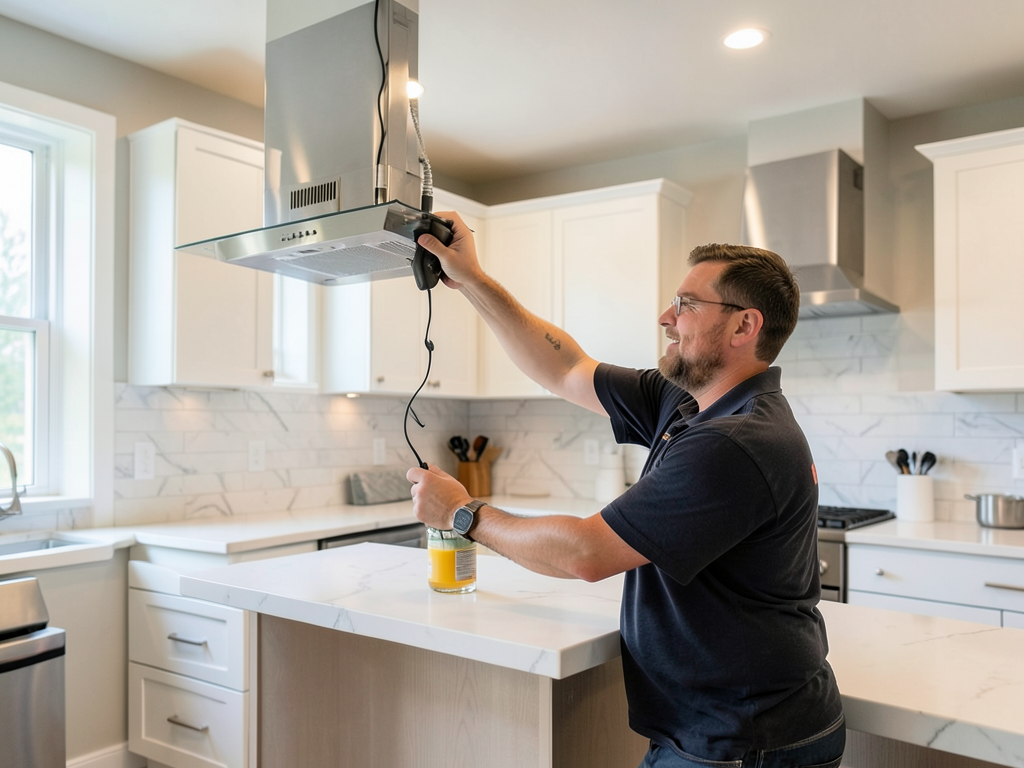
Understanding Wisconsin HVAC Codes for Kitchens
Kitchen remodels in Brookfield often focus on cabinets, countertops, and appliances. Many homeowners overlook the mechanical systems that keep their home comfortable. Wisconsin building codes require specific ventilation standards for kitchens that directly impact your HVAC system’s performance. Wisconsin HVAC licensing requirements.
The Wisconsin Uniform Dwelling Code (UDC) sets minimum requirements for kitchen ventilation. These rules exist to protect indoor air quality and prevent dangerous backdrafting. When you install a new range hood or move walls during your remodel, you trigger code requirements that affect your furnace, water heater, and air conditioner.
Milwaukee’s Department of Neighborhood Services enforces these codes. They require permits for any work that changes ductwork, adds ventilation equipment, or alters the home’s heating and cooling capacity. Understanding these requirements before starting your project saves time and prevents costly mistakes. City of Milwaukee Development Center.
Brookfield homes built before 2000 often have undersized ductwork for modern kitchen appliances. The older systems cannot handle the heat output from professional-grade ranges and ovens. This creates comfort issues and can strain your HVAC equipment beyond its design limits. Professional Duct Cleaning for Better Air Quality in Menomonee Falls.
[north-image-placeholder-1]
Range Hoods and Ventilation: CFM Requirements
Cubic Feet per Minute (CFM) measures how much air your range hood moves. Higher BTU cooking appliances require more powerful ventilation. Gas ranges need different calculations than electric cooktops because they produce combustion byproducts.
For gas ranges under 60,000 BTU total, you need 100 CFM per 10,000 BTU. A 48,000 BTU range requires at least 400 CFM ventilation. Electric ranges use a different formula based on the width of the cooking surface. Both types must meet minimum ventilation rates regardless of fuel type.
When your range hood exceeds 400 CFM, Wisconsin code requires make-up air systems. This prevents your powerful exhaust from creating negative pressure in your home. Without make-up air, your furnace and water heater can backdraft, pulling carbon monoxide into living spaces.
Professional range hoods often exceed 1,000 CFM. These systems need dedicated make-up air dampers that automatically open when the hood activates. The make-up air must be tempered to prevent cold drafts in winter or hot air in summer.
Gas vs Electric Ventilation Requirements
| Cooking Appliance Type | Minimum CFM Required | Make-up Air Required |
|---|---|---|
| Gas Range Under 60,000 BTU | 100 CFM per 10,000 BTU | Above 400 CFM |
| Electric Range | 100 CFM per 12 inches width | Above 400 CFM |
| Professional Gas Range | 100 CFM per 10,000 BTU | Always Required |
| Induction Cooktop | Minimum 250 CFM | Above 400 CFM |
The Make-up Air Necessity
Make-up air systems replace the air your range hood exhausts. When you remove air from your home, negative pressure builds up. This pressure difference can pull dangerous gases from combustion appliances back into your living space.
Water heaters, furnaces, and gas fireplaces rely on proper venting. They use natural draft to expel combustion gases through chimneys or vents. When your kitchen exhaust creates negative pressure, these appliances cannot vent properly. Carbon monoxide can enter your home instead of exiting through the vent.
Make-up air dampers solve this problem. These motorized dampers open when your range hood turns on. They allow fresh air to enter your home, balancing the air being exhausted. The system must be properly sized to match your range hood’s CFM rating.
Wisconsin winters make make-up air especially important. Cold air entering through a make-up air system can create uncomfortable drafts. Professional installations include tempering coils or electric heaters to warm the incoming air before it enters your kitchen.
Brookfield’s climate requires careful make-up air design. The system must handle both heating and cooling seasons. Summer make-up air should be filtered and possibly conditioned to prevent bringing in humid outdoor air.
Make-up Air System Components
- Fresh air intake duct with damper
- Motorized damper control connected to range hood
- Tempering device (electric heater or hot water coil)
- Air filter to clean incoming air
- Diffuser to distribute air evenly
Ductwork Relocation and Register Placement
Kitchen remodels often involve moving walls and changing room layouts. These changes affect your HVAC system’s ability to distribute air properly. Supply registers and return vents must be positioned to maintain balanced airflow throughout your home.
Removing walls can create large open spaces that overwhelm your existing ductwork. A small kitchen with separate dining area might have adequate heating and cooling. Combine them into one large space and your system may struggle to maintain comfortable temperatures.
Kitchen islands create special challenges for HVAC design. Traditional floor registers cannot be placed under islands. Toe-kick heaters provide an elegant solution. These compact units install in the cabinet base and provide targeted heating or cooling where needed.
Brookfield homes often have finished basements with kitchen expansions. Moving HVAC equipment to basement utility rooms affects duct routing. Longer duct runs increase static pressure and reduce system efficiency. Your furnace or air handler may need upgrades to handle the additional resistance.
Window placement in new kitchen designs affects heat gain and loss. Large south-facing windows can overwhelm your cooling system in summer. North-facing windows reduce solar heat gain but increase heating loads in winter. Your HVAC contractor should recalculate loads when you change window locations.
Common Ductwork Issues in Kitchen Remodels
- Undersized ducts for new range hood requirements
- Blocked return air paths from new cabinetry
- Disconnected ducts during wall removal
- Improperly sealed duct joints causing air leakage
- Lack of dedicated ventilation for kitchen island cooktops
Load Calculations (Manual J)
Manual J calculations determine the heating and cooling capacity your home needs. These calculations consider insulation levels, window areas, orientation, and internal heat gains from appliances. When you remodel your kitchen, these factors often change significantly.
Adding windows or removing walls during your kitchen remodel affects heat transfer. Large windows increase solar heat gain in summer and heat loss in winter. Open floor plans create bigger spaces that require more conditioning. Your existing HVAC system may no longer match your home’s actual requirements.
Professional-grade cooking appliances add substantial heat loads. Commercial-style ranges and ovens produce more heat than standard residential units. This extra heat must be accounted for in your cooling calculations. Your air conditioner may need to be larger to handle the additional sensible heat gain.
Brookfield’s climate makes accurate load calculations critical. Wisconsin winters demand reliable heating capacity. Summer humidity requires proper cooling equipment sizing. An oversized system short cycles, reducing efficiency and comfort. An undersized system runs constantly, increasing energy costs and wear.
Manual J calculations also determine proper ductwork sizing. The calculations specify how much air each room needs for comfort. Your contractor uses this information to design duct runs that deliver the right amount of conditioned air to every space.
Heat Gain Sources in Modern Kitchens
| Heat Source | Typical BTU/hr | Impact on Cooling Load |
|---|---|---|
| Professional Gas Range | 40,000 – 60,000 | High |
| Double Electric Oven | 10,000 – 15,000 | Medium |
| Refrigerator | 1,200 – 2,000 | Low |
| Dishwasher | 1,000 – 1,500 | Low |
| Lighting (LED) | 300 – 500 | Very Low |
Permitting Process in Milwaukee
Milwaukee requires permits for most HVAC work associated with kitchen remodels. The permit process ensures your project meets safety codes and building standards. Skipping permits can result in fines, inspection failures, and problems when selling your home. HVAC Inspection.
The City of Milwaukee Development Center handles HVAC permits. You need separate permits for mechanical work, electrical changes, and plumbing modifications. Your contractor should pull these permits as part of the project scope. DIY work still requires permits and inspections.
Permit applications require detailed plans showing ductwork locations, equipment specifications, and ventilation calculations. The city reviews these plans to ensure compliance with Wisconsin codes. They may request additional information or modifications before issuing permits.
Inspections occur at specific project stages. Rough-in inspections happen before walls are closed. Final inspections verify all work meets code requirements. Missing inspections can delay your project and require costly rework.
Permit fees vary based on project scope. Simple ventilation changes cost less than complete system replacements. The fees support code enforcement and public safety programs. Factor these costs into your remodeling budget.
Milwaukee HVAC Permit Requirements
- Detailed mechanical plans showing new equipment and ductwork
- Manual J load calculations for any system modifications
- Manufacturer specifications for all new equipment
- Ventilation calculations for range hoods and make-up air systems
- Proof of Wisconsin HVAC contractor licensing
Working with licensed HVAC contractors familiar with Milwaukee codes streamlines the permit process. They understand local requirements and can navigate the approval process efficiently. This expertise prevents delays and ensures your project meets all safety standards.
[north-image-placeholder-2]
Indoor Air Quality During Kitchen Demolition
Kitchen demolition creates significant dust and debris. This particulate matter can overwhelm your HVAC system’s filtration and spread throughout your home. Proper containment and temporary protection keep your existing system running efficiently during construction.
Older Brookfield homes built before 1980 may contain asbestos in flooring, ceiling textures, or duct insulation. Lead paint was common in homes built before 1978. Disturbing these materials requires special handling and disposal procedures. Your contractor should test for hazardous materials before demolition begins.
HEPA filtration systems help control construction dust. These portable units capture fine particles that standard filters miss. They protect your HVAC equipment and maintain indoor air quality during the remodel. Some contractors use temporary barriers and negative pressure to contain dust in the work area.
Gas line modifications require licensed plumbers or HVAC technicians. Moving or adding gas lines for new kitchen layouts must meet strict safety codes. Improper gas work creates explosion and carbon monoxide hazards. Always use qualified professionals for gas-related modifications.
Electrical work for new kitchen appliances must meet current code requirements. Dedicated circuits for major appliances prevent overloads and ensure reliable operation. GFCI protection is required for all kitchen countertop outlets. Your electrical contractor should coordinate with HVAC work to avoid conflicts.
Construction Phase Protection Checklist
- Cover existing HVAC vents to prevent dust entry
- Change air filters frequently during construction
- Use HEPA air scrubbers in work areas
- Seal off construction zones with plastic barriers
- Schedule HVAC work after major demolition completes
Gas Line Piping for Kitchen Ranges
Gas line modifications often accompany kitchen remodels. Moving your range to a new location requires extending or rerouting gas piping. Wisconsin code has specific requirements for gas line sizing, materials, and installation methods.
Gas pipe sizing depends on the total BTU load and pipe length. Longer runs require larger diameter pipes to maintain adequate pressure. Professional calculations ensure your new range receives proper gas flow. Undersized pipes cause poor appliance performance and safety hazards.
Black iron pipe remains the standard for gas lines in Wisconsin. Flexible connectors connect appliances to the rigid piping. All joints must be properly sealed and tested for leaks. Pressure testing verifies the integrity of the entire gas system before use.
Gas shut-off valves must be accessible and clearly marked. Code requires shut-off valves within six feet of each appliance. This allows quick gas isolation for maintenance or emergencies. Your contractor should verify all valves operate properly and are properly labeled. The Most Trusted AC Maintenance Experts in West Allis.
Brookfield’s older homes may have outdated gas systems. Galvanized steel pipes corrode over time and can develop dangerous leaks. Your remodel provides an opportunity to upgrade old gas lines. Modern black iron piping offers better durability and safety.
Gas Line Sizing Guidelines
| Appliance BTU Rating | Minimum Pipe Size (1 ft length) | Maximum Pipe Length |
|---|---|---|
| Up to 35,000 BTU | 1/2 inch | 30 feet |
| 35,000 – 65,000 BTU | 3/4 inch | 50 feet |
| 65,000 – 120,000 BTU | 1 inch | 75 feet |
| 120,000+ BTU | 1-1/4 inch | 100 feet |
Choosing the Right HVAC Contractor
Kitchen remodels require specialized HVAC knowledge. Not all contractors understand the unique challenges of kitchen ventilation and make-up air systems. Choose professionals with specific experience in kitchen remodeling projects.
Wisconsin requires HVAC contractors to hold state licenses. Verify your contractor’s license status through the Wisconsin Department of Safety and Professional Services. Licensed contractors carry proper insurance and follow state codes and standards. AC Service Germantown.
Experience with local building codes matters. Milwaukee and Brookfield may have specific requirements beyond state codes. Contractors familiar with local jurisdictions navigate permit processes more efficiently. They understand common issues in area homes and know effective solutions.
References from past kitchen projects provide valuable insight. Ask to see examples of similar work they’ve completed. Contact previous clients about their experiences. Quality contractors welcome these questions and provide detailed portfolios of their work.
Communication skills are essential for successful projects. Your HVAC contractor should explain technical concepts in understandable terms. They should provide clear timelines, cost estimates, and project scopes. Good communication prevents misunderstandings and ensures your vision becomes reality.
Questions to Ask Your HVAC Contractor
- How many kitchen remodeling projects have you completed?
- Are you familiar with Milwaukee’s specific HVAC code requirements?
- Can you provide references from similar projects?
- Do you handle permit applications and inspections?
- What warranty do you offer on your work?
Cost Factors for HVAC Work in Kitchen Remodels
HVAC modifications during kitchen remodels vary significantly in cost. Simple ventilation upgrades might cost a few hundred dollars. Complete system replacements can exceed ten thousand dollars. Understanding cost factors helps you budget appropriately.
Range hood ventilation represents a common expense. Basic ducted hoods cost less than professional-grade systems with make-up air. Make-up air systems add significant costs but remain necessary for high-CFM ventilation. The complexity of your kitchen layout affects installation costs.
Ductwork modifications depend on your home’s existing system. Easy access through basements or crawl spaces reduces labor costs. Homes with finished areas above kitchens require more invasive work. The amount of new ductwork needed directly impacts material and labor expenses.
Equipment upgrades may be necessary if your existing system cannot handle new loads. Older furnaces and air conditioners may need replacement rather than modification. High-efficiency equipment costs more upfront but provides energy savings over time.
Permit fees add to your project costs. Milwaukee charges based on project scope and valuation. Your contractor should include permit costs in their proposals. Factor these fees into your overall remodeling budget.
Energy efficiency improvements can offset HVAC costs. High-efficiency equipment reduces utility bills. Proper insulation and air sealing improve overall home performance. These upgrades may qualify for rebates or tax incentives.
Energy Efficiency Considerations
Modern kitchen appliances offer significant energy efficiency improvements. ENERGY STAR certified refrigerators, dishwashers, and cooking equipment reduce electricity consumption. These savings can offset HVAC upgrade costs over time.
LED lighting has transformed kitchen energy use. Modern LED fixtures use a fraction of the electricity of older incandescent or halogen lights. This reduction in internal heat gain decreases cooling loads. Your air conditioner works less to maintain comfortable temperatures.
High-efficiency range hoods with variable speed controls save energy. These units operate at lower speeds for light cooking, using less electricity. They ramp up only when needed for heavy cooking tasks. This smart operation reduces energy consumption without sacrificing performance.
Smart thermostats optimize HVAC operation in remodeled kitchens. These devices learn your schedule and adjust temperatures automatically. They can account for kitchen heat gains from cooking and adjust other areas accordingly. Remote control via smartphone provides convenience and energy savings.
Proper insulation in new kitchen walls and ceilings improves overall efficiency. Modern insulation materials offer better thermal performance than older products. This improved envelope reduces both heating and cooling loads on your HVAC system.
Seasonal Considerations for Brookfield Homes
Brookfield’s climate creates unique HVAC challenges for kitchen remodels. Wisconsin winters bring sub-zero temperatures that stress heating systems. Summer humidity requires effective dehumidification. Your remodel should account for these seasonal factors.
Winter make-up air systems need heating elements to prevent cold drafts. Electric resistance heaters or hot water coils warm incoming air before it enters your kitchen. This tempering prevents uncomfortable cold spots near ventilation intakes.
Summer humidity control becomes critical with new kitchen layouts. Open floor plans can spread cooking moisture throughout your home. Your air conditioner must handle both temperature and humidity loads. Proper equipment sizing ensures effective moisture removal.
Spring and fall shoulder seasons create comfort challenges. These transition periods may require both heating and cooling on the same day. Zoning systems or ductless mini-splits provide flexibility for these variable conditions. They allow different areas to be conditioned independently.
Brookfield’s lake effect weather patterns affect HVAC performance. Lake Michigan influences temperature and humidity levels. Your system should handle rapid weather changes common to the area. Proper equipment selection ensures reliable operation through all seasons.
Future-Proofing Your Kitchen HVAC System
Kitchen technology continues to evolve rapidly. Smart appliances, induction cooking, and new ventilation technologies emerge regularly. Your HVAC system should accommodate future upgrades without major modifications.
Oversized ductwork provides flexibility for future changes. Larger ducts can handle increased airflow if you upgrade appliances later. This forward-thinking approach prevents costly rework when you update your kitchen in the future.
Electrical capacity planning prevents limitations. Install adequate circuits and panel space for future appliance additions. Smart home integration may require additional low-voltage wiring. Planning for these needs now saves money later.
Ventilation systems with expansion capability accommodate future changes. Install larger make-up air dampers than currently needed. Use ductwork that can handle higher CFM if you upgrade your range hood. These provisions make future modifications easier and less expensive.
Consider modular HVAC solutions that adapt to changing needs. Ductless mini-splits provide flexibility for kitchen additions or layout changes. They can be expanded without major renovations. This adaptability protects your investment as your needs evolve.
Maintenance Considerations for New Systems
New HVAC components require specific maintenance procedures. Range hood filters need regular cleaning to maintain efficiency. Make-up air filters require replacement schedules. Understanding these requirements ensures long-term performance.
Professional maintenance extends equipment life and maintains efficiency. Annual inspections identify potential issues before they become major problems. Clean burners, check gas pressures, and verify proper venting during these visits.
Filter replacement schedules depend on your specific system. Make-up air filters may need monthly replacement in dusty environments. Standard HVAC filters typically need changing every three months. More frequent changes may be necessary during construction or if you have pets.
Ventilation system balancing ensures proper operation. This process adjusts dampers and registers to deliver correct airflow to each space. Balanced systems provide even temperatures and optimal efficiency. Professional balancing may be necessary after major modifications.
Monitor your energy bills after HVAC modifications. Unexpected increases may indicate problems with your new system. Compare usage to previous periods accounting for weather variations. Address issues promptly to prevent energy waste and equipment damage.
[north-image-placeholder-3]
Getting Started with Your Kitchen HVAC Project
Successful kitchen remodels begin with proper planning. Start by consulting with HVAC professionals before finalizing your design. They can identify potential issues and suggest solutions that integrate with your vision.
Obtain multiple proposals from qualified contractors. Compare not just prices but approaches and experience levels. The cheapest option may cost more long-term if it doesn’t meet code requirements or provide adequate performance.
Schedule HVAC work to minimize conflicts with other trades. Coordinate with your general contractor to establish realistic timelines. HVAC modifications often require inspections before other work can proceed. Build these requirements into your project schedule.
Document all HVAC modifications for future reference. Keep permits, equipment manuals, and warranty information organized. This documentation helps with future maintenance and adds value when selling your home.
Prepare for temporary disruption during HVAC work. Your contractor should minimize downtime and maintain safe conditions. Discuss dust control, noise levels, and access requirements before work begins. Clear communication prevents misunderstandings and ensures smooth progress.
Ready to ensure your kitchen remodel doesn’t compromise your home’s comfort and safety? Elite Heating & Cooling Milwaukee specializes in kitchen HVAC modifications throughout Brookfield and the greater Milwaukee area. Our NATE-certified technicians understand Wisconsin codes and local building requirements. We provide comprehensive assessments, proper permitting, and expert installation to protect your investment. Call us today at (414) 375-7888 to schedule your kitchen HVAC consultation. Don’t let ventilation issues or improper make-up air systems create problems in your dream kitchen. Let our experienced team handle the technical details while you focus on creating the perfect space for your family.
{
“@context”: “https://schema.org”,
“@type”: “BlogPosting”,
“headline”: “How Your Dream Kitchen Remodel in Brookfield Could Unintentionally Break Your Current HVAC System”,
“description”: “Planning a kitchen remodel in Brookfield? Learn how new range hoods, ductwork changes, and Wisconsin HVAC codes can impact your heating and cooling system.”,
“wordCount”: 3333,
“datePublished”: “2026-06-16T08:32:00.000Z”,
“dateModified”: “2026-06-16T08:32:00.000Z”,
“inLanguage”: “en-US”,
“mainEntityOfPage”: {
“@type”: “WebPage”,
“@id”: “https://eliteheatingandcoolingmilwaukee.com”
},
“publisher”: {
“@type”: “LocalBusiness”,
“name”: “Elite Heating and Cooling Milwaukee”,
“url”: “https://eliteheatingandcoolingmilwaukee.com”
},
“author”: {
“@type”: “Organization”,
“name”: “Elite Heating and Cooling Milwaukee”,
“url”: “https://eliteheatingandcoolingmilwaukee.com”
},
“image”: {
“@type”: “ImageObject”,
“url”: “https://eliteheatingandcoolingmilwaukee.com/wp-content/uploads/2026/03/how-your-dream-kitchen-remodel-in-brookfield-could-1.png”
}
}
{
“@context”: “https://schema.org”,
“@type”: “HVACBusiness”,
“name”: “Elite Heating and Cooling Milwaukee”,
“url”: “https://eliteheatingandcoolingmilwaukee.com”,
“address”: {
“@type”: “PostalAddress”,
“addressLocality”: “Milwaukee”
},
“areaServed”: {
“@type”: “City”,
“name”: “Milwaukee”
}
}
{
“@context”: “https://schema.org”,
“@type”: “BreadcrumbList”,
“itemListElement”: [
{
“@type”: “ListItem”,
“position”: 1,
“name”: “Home”,
“item”: “https://eliteheatingandcoolingmilwaukee.com”
},
{
“@type”: “ListItem”,
“position”: 2,
“name”: “Blog”,
“item”: “https://eliteheatingandcoolingmilwaukee.com/blog”
},
{
“@type”: “ListItem”,
“position”: 3,
“name”: “How Your Dream Kitchen Remodel in Brookfield Could Unintentionally Break Your Current HVAC System”
}
]
}
{
“@context”: “https://schema.org”,
“@type”: “Service”,
“serviceType”: “HVAC”,
“provider”: {
“@type”: “LocalBusiness”,
“name”: “Elite Heating and Cooling Milwaukee”,
“url”: “https://eliteheatingandcoolingmilwaukee.com”
},
“areaServed”: {
“@type”: “City”,
“name”: “Milwaukee”
},
“description”: “Planning a kitchen remodel in Brookfield? Learn how new range hoods, ductwork changes, and Wisconsin HVAC codes can impact your heating and cooling system.”
}