
Understanding Hybrid Dual Fuel Systems for Wisconsin Winters
When winter temperatures in Grafton drop below zero the question isn’t just about staying warm. It’s about staying warm without breaking the bank. A hybrid dual fuel system pairs an electric heat pump with a natural gas furnace giving you the efficiency of a heat pump when it’s mild and the power of gas when it’s brutally cold.. Read more about Why a Manual J Load Calculation is the Only Way to Size a New Furnace in Brookfield.
This setup works because it automatically switches between the two energy sources based on outdoor temperature. Most systems switch around 30-40 degrees Fahrenheit. Above that the heat pump runs efficiently pulling heat from the air. Below that the gas furnace takes over delivering consistent warmth even when it’s -10 outside. Energy Star.
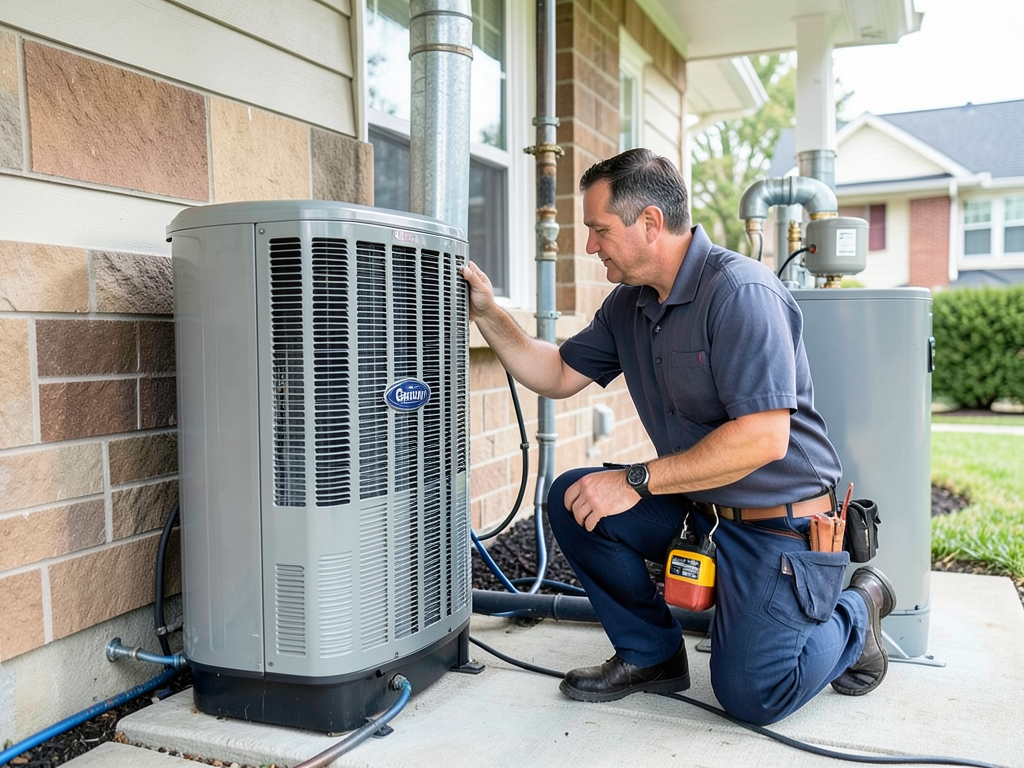
How Heat Pumps and Gas Furnaces Work Together
A heat pump doesn’t create heat like a furnace does. It moves heat from one place to another. In winter it extracts heat from outdoor air and moves it inside. In summer it reverses the process cooling your home.
The limitation? As outdoor temperatures drop the heat pump has less heat to move. That’s where the gas furnace becomes essential. When the heat pump’s efficiency drops below a certain point the system automatically switches to the furnace.
Modern cold-climate heat pumps can operate efficiently down to about -13 degrees Fahrenheit. But even these advanced units struggle to keep up when temperatures stay below zero for days. That’s why Grafton homeowners often choose the dual fuel approach.. Read more about What Milwaukee Homeowners Need to Know About the Switch to R-454B Refrigerant.
Milwaukee Weather Patterns That Affect Your Decision
Grafton sits in USDA Climate Zone 5 where winter temperatures regularly dip below zero. The area experiences lake effect snow from Lake Michigan creating heavy snowfalls and high humidity. These conditions matter because:
- High humidity means your heat pump works harder to move heat
- Snow accumulation can block outdoor units requiring proper installation height
- Extended sub-zero periods test the limits of electric heating
During polar vortex events temperatures can stay below zero for several days. A heat pump alone might run constantly but still struggle to maintain comfortable indoor temperatures. A gas furnace provides the backup power needed during these extreme conditions.
Cost Analysis: Installation vs Monthly Utility Bills
Initial installation costs for a hybrid system run higher than a single fuel system. You’re essentially buying two heating systems plus the controls to manage them. However the long-term savings can offset this premium.
Current We Energies rates show natural gas costs about 30-40% less per BTU than electricity for heating. During mild weather when the heat pump runs exclusively you save significantly. During extreme cold when the furnace runs you pay more but avoid the inefficiency of an overworked heat pump.
The break-even point depends on your home’s insulation, local utility rates, and how many mild vs extreme cold days your area experiences annually. Most Grafton homeowners see full return on investment within 5-7 years through utility savings.
Performance Comparison: Heat Pump vs Dual Fuel vs Gas Furnace
| System Type | Efficiency Range | Best Temperature Range | Initial Cost |
|---|---|---|---|
| Heat Pump Only | 200-300% (COP 2-3) | 20-50°F | $$ |
| Dual Fuel System | 200-300% (heat pump) / 95% (furnace) | 30-50°F (heat pump) / below 30°F (furnace) | $$$ |
| Gas Furnace Only | 95-98% | Any temperature | $$ |
| Cold Climate Heat Pump | 200-250% (down to -13°F) | -13°F to 50°F | $$$ |
Wisconsin-Specific Incentives and Rebates
Wisconsin offers several programs that make hybrid systems more affordable. Focus on Energy provides rebates for high-efficiency HVAC equipment. Current incentives include: Focus on Energy.
- Up to $500 for qualifying air source heat pumps
- Additional $200-400 for systems with smart thermostats
- Federal tax credits up to $2,000 for qualifying heat pump installations
These incentives can reduce your net installation cost by $1,000-2,000. The exact amount depends on the specific equipment you choose and whether it meets the efficiency requirements for each program.
We Energies also offers time-of-use rates that can further reduce operating costs if you’re willing to shift some heating to off-peak hours.
Maintenance Requirements for Hybrid Systems
A hybrid system requires maintenance for both the heat pump and furnace components. This means twice the maintenance of a single system but not necessarily twice the cost. The Most Trusted AC Maintenance Experts in West Allis.
Annual maintenance should include:
- Heat pump coil cleaning and refrigerant level check
- Furnace burner inspection and cleaning
- Thermostat calibration and control testing
- Electrical connection inspection for both units
Many homeowners schedule this maintenance in the fall before heating season begins. Some HVAC companies offer maintenance plans that cover both systems under one agreement.
Carbon Footprint Comparison in Grafton
Environmental impact depends on your utility’s energy mix and how much you use each fuel source. Wisconsin’s electric grid still relies heavily on coal and natural gas for power generation.
A hybrid system typically produces less carbon than a gas furnace alone because the heat pump handles most heating during mild weather when it’s most efficient. During extreme cold when the furnace runs it’s operating at peak efficiency anyway.
Over a typical Grafton winter a hybrid system might use 60-70% electricity and 30-40% natural gas. This split results in approximately 15-25% lower carbon emissions compared to a gas furnace alone.
Making the Right Choice for Your Grafton Home
The decision comes down to your priorities. If you want maximum efficiency during mild weather and reliable performance during extreme cold a hybrid system makes sense. If you prefer simplicity and lower upfront costs a high-efficiency gas furnace might be better.
Consider these factors:
- How important is energy cost savings vs. simplicity?
- Do you experience frequent power outages that could affect an all-electric system?
- How long do you plan to stay in your current home?
- What’s your budget for initial installation?
Most Grafton homeowners who choose hybrid systems value the peace of mind that comes with having both electric and gas heating options. They also appreciate the long-term utility savings even with the higher initial investment.
Installation Considerations for Grafton Homes
Older homes in Grafton may need electrical panel upgrades to support a heat pump. Most heat pumps require a dedicated 240-volt circuit. Homes built before 1980 often need this upgrade.
Outdoor unit placement matters in snowy areas. Units should be installed on elevated pads or platforms to prevent snow accumulation. Some homeowners build simple shelters to protect units from drifting snow.
Ductwork compatibility is another consideration. Heat pumps typically require larger ducts than gas furnaces because they move more air at lower temperatures. Your HVAC contractor should evaluate your existing ductwork during the planning phase.
Frequently Asked Questions
How does a hybrid system know when to switch between heat pump and furnace?
The system uses an outdoor temperature sensor that triggers the switch when temperatures drop below the set point, typically 30-40 degrees Fahrenheit. This switch point can be adjusted based on your preferences and utility rates.
Can a hybrid system also cool my home in summer?
Yes. The heat pump component provides air conditioning during summer months. The gas furnace blower helps distribute cool air through your ductwork when the heat pump is in cooling mode.
What’s the expected lifespan of a hybrid system?
Heat pumps typically last 12-15 years while gas furnaces can last 15-20 years. Since these components are used less intensively in a hybrid system, you might see longer lifespans than with single-fuel systems.
Will a hybrid system work during a power outage?
No. Both the heat pump and furnace require electricity to operate. If power outages are common in your area you might consider a whole-house generator or sticking with a traditional gas furnace.
How much can I really save with a hybrid system?
Most Grafton homeowners save 20-30% on annual heating costs compared to a standard gas furnace. Actual savings depend on your home’s insulation, local utility rates, and how many mild vs. extreme cold days occur each winter.
- Evaluate Your Current System
Have a professional assess your existing equipment’s efficiency and identify any comfort issues or hot/cold spots in your home. Professional Duct Cleaning for Better Air Quality in Menomonee Falls.
- Calculate Your Heating Needs
Determine your home’s heating load to ensure any new system is properly sized. An oversized system wastes energy and an undersized system won’t keep you comfortable.
- Compare Fuel Costs
Look at your past year’s utility bills to understand your current heating costs. Factor in projected rate increases for both electricity and natural gas.
- Review Available Incentives
Check current Focus on Energy rebates and federal tax credits. These can significantly reduce your net installation cost.
- Get Multiple Quotes
Have at least two qualified HVAC contractors evaluate your home and provide detailed proposals including equipment specifications and estimated operating costs.
Ready to Upgrade Your Grafton Home’s Heating System?
Choosing the right heating system affects your comfort, energy bills, and home value for years to come. A hybrid dual fuel system offers the best of both worlds for Wisconsin’s challenging climate but it’s not the right choice for everyone.
Our experienced technicians understand Grafton’s specific heating challenges. We’ll evaluate your home’s needs, explain your options clearly, and help you make the best choice for your situation. No high-pressure sales, just honest advice from local experts who understand Wisconsin winters.
Call us today at (414) 375-7888 to schedule your free heating system consultation. We’ll show you exactly how a hybrid system would work in your home and provide a detailed cost analysis so you can make an informed decision.
{
“@context”: “https://schema.org”,
“@type”: “BlogPosting”,
“headline”: “Is a Hybrid Dual Fuel System the Best Middle Ground for Grafton Homeowners?”,
“description”: “Compare hybrid dual fuel systems vs heat pumps for Grafton homes. See if this combo beats cold Wisconsin winters while saving on energy costs.”,
“wordCount”: 1558,
“datePublished”: “2026-05-12T09:59:00.000Z”,
“dateModified”: “2026-05-12T09:59:00.000Z”,
“inLanguage”: “en-US”,
“mainEntityOfPage”: {
“@type”: “WebPage”,
“@id”: “https://eliteheatingandcoolingmilwaukee.com”
},
“publisher”: {
“@type”: “LocalBusiness”,
“name”: “Elite Heating and Cooling Milwaukee”,
“url”: “https://eliteheatingandcoolingmilwaukee.com”
},
“author”: {
“@type”: “Organization”,
“name”: “Elite Heating and Cooling Milwaukee”,
“url”: “https://eliteheatingandcoolingmilwaukee.com”
},
“image”: {
“@type”: “ImageObject”,
“url”: “https://eliteheatingandcoolingmilwaukee.com/wp-content/uploads/2026/03/is-a-hybrid-dual-fuel-system-the-best-middle-groun-1.png”
}
}
{
“@context”: “https://schema.org”,
“@type”: “HVACBusiness”,
“name”: “Elite Heating and Cooling Milwaukee”,
“url”: “https://eliteheatingandcoolingmilwaukee.com”,
“address”: {
“@type”: “PostalAddress”,
“addressLocality”: “Milwaukee”
},
“areaServed”: {
“@type”: “City”,
“name”: “Milwaukee”
}
}
{
“@context”: “https://schema.org”,
“@type”: “FAQPage”,
“mainEntity”: [
{
“@type”: “Question”,
“name”: “How does a hybrid system know when to switch between heat pump and furnace?”,
“acceptedAnswer”: {
“@type”: “Answer”,
“text”: “The system uses an outdoor temperature sensor that triggers the switch when temperatures drop below the set point, typically 30-40 degrees Fahrenheit. This switch point can be adjusted based on your preferences and utility rates.”
}
},
{
“@type”: “Question”,
“name”: “Can a hybrid system also cool my home in summer?”,
“acceptedAnswer”: {
“@type”: “Answer”,
“text”: “Yes. The heat pump component provides air conditioning during summer months. The gas furnace blower helps distribute cool air through your ductwork when the heat pump is in cooling mode.”
}
},
{
“@type”: “Question”,
“name”: “What’s the expected lifespan of a hybrid system?”,
“acceptedAnswer”: {
“@type”: “Answer”,
“text”: “Heat pumps typically last 12-15 years while gas furnaces can last 15-20 years. Since these components are used less intensively in a hybrid system, you might see longer lifespans than with single-fuel systems.”
}
},
{
“@type”: “Question”,
“name”: “Will a hybrid system work during a power outage?”,
“acceptedAnswer”: {
“@type”: “Answer”,
“text”: “No. Both the heat pump and furnace require electricity to operate. If power outages are common in your area you might consider a whole-house generator or sticking with a traditional gas furnace.”
}
},
{
“@type”: “Question”,
“name”: “How much can I really save with a hybrid system?”,
“acceptedAnswer”: {
“@type”: “Answer”,
“text”: “Most Grafton homeowners save 20-30% on annual heating costs compared to a standard gas furnace. Actual savings depend on your home’s insulation, local utility rates, and how many mild vs. extreme cold days occur each winter.”
}
},
{
“@type”: “Question”,
“name”: “Ready to Upgrade Your Grafton Home’s Heating System?”,
“acceptedAnswer”: {
“@type”: “Answer”,
“text”: “Choosing the right heating system affects your comfort, energy bills, and home value for years to come. A hybrid dual fuel system offers the best of both worlds for Wisconsin’s challenging climate but it’s not the right choice for everyone.”
}
}
]
}
{
“@context”: “https://schema.org”,
“@type”: “HowTo”,
“name”: “Choosing Your Heating System”,
“step”: [
{
“@type”: “HowToStep”,
“position”: 1,
“name”: “Evaluate Your Current System”,
“text”: “Have a professional assess your existing equipment’s efficiency and identify any comfort issues or hot/cold spots in your home. Professional Duct Cleaning for Better Air Quality in Menomonee Falls.”
},
{
“@type”: “HowToStep”,
“position”: 2,
“name”: “Calculate Your Heating Needs”,
“text”: “Determine your home’s heating load to ensure any new system is properly sized. An oversized system wastes energy and an undersized system won’t keep you comfortable.”
},
{
“@type”: “HowToStep”,
“position”: 3,
“name”: “Compare Fuel Costs”,
“text”: “Look at your past year’s utility bills to understand your current heating costs. Factor in projected rate increases for both electricity and natural gas.”
},
{
“@type”: “HowToStep”,
“position”: 4,
“name”: “Review Available Incentives”,
“text”: “Check current Focus on Energy rebates and federal tax credits. These can significantly reduce your net installation cost.”
},
{
“@type”: “HowToStep”,
“position”: 5,
“name”: “Get Multiple Quotes”,
“text”: “Have at least two qualified HVAC contractors evaluate your home and provide detailed proposals including equipment specifications and estimated operating costs.”
}
],
“image”: “https://eliteheatingandcoolingmilwaukee.com/wp-content/uploads/2026/03/is-a-hybrid-dual-fuel-system-the-best-middle-groun-1.png”
}
{
“@context”: “https://schema.org”,
“@type”: “BreadcrumbList”,
“itemListElement”: [
{
“@type”: “ListItem”,
“position”: 1,
“name”: “Home”,
“item”: “https://eliteheatingandcoolingmilwaukee.com”
},
{
“@type”: “ListItem”,
“position”: 2,
“name”: “Blog”,
“item”: “https://eliteheatingandcoolingmilwaukee.com/blog”
},
{
“@type”: “ListItem”,
“position”: 3,
“name”: “Is a Hybrid Dual Fuel System the Best Middle Ground for Grafton Homeowners?”
}
]
}
{
“@context”: “https://schema.org”,
“@type”: “Service”,
“serviceType”: “HVAC”,
“provider”: {
“@type”: “LocalBusiness”,
“name”: “Elite Heating and Cooling Milwaukee”,
“url”: “https://eliteheatingandcoolingmilwaukee.com”
},
“areaServed”: {
“@type”: “City”,
“name”: “Milwaukee”
},
“description”: “Compare hybrid dual fuel systems vs heat pumps for Grafton homes. See if this combo beats cold Wisconsin winters while saving on energy costs.”
}