
Why Construction Dust Threatens Your Wauwatosa HVAC System
Renovating your Wauwatosa home creates excitement about new spaces but also unleashes a hidden enemy: construction dust. Drywall dust acts like microscopic sandpaper that infiltrates your HVAC system and causes expensive damage. This fine particulate matter bypasses standard air filters and coats critical components like evaporator coils blower motors and heat exchangers.. Read more about Does Upgrading Your HVAC System Actually Increase the Resale Value of a Historic Concordia Home?.
In Wauwatosa’s older homes especially those built before 1980 drywall dust mixes with plaster particles creating a particularly abrasive compound. The problem intensifies during Wisconsin’s humid summers when moisture causes dust to clump and stick to surfaces. Once inside your system this buildup reduces efficiency increases energy consumption and can lead to complete system failure.
The financial impact hits hard. A single renovation project can reduce your HVAC efficiency by 15-20% leading to higher utility bills. More concerning replacing damaged components like blower motors costs $400-800 while a new evaporator coil runs $1,200-1,800. Professional duct cleaning after construction averages $300-500 but severe contamination might require complete ductwork replacement at $3,000-8,000. Professional Duct Cleaning for Better Air Quality in Menomonee Falls.
Pre-Renovation Protection Steps for Your Wauwatosa Home
Before the first hammer swings take these critical steps to shield your HVAC system. Start by shutting down your system completely. Running the HVAC during active construction continuously circulates dust throughout your home and into the equipment.
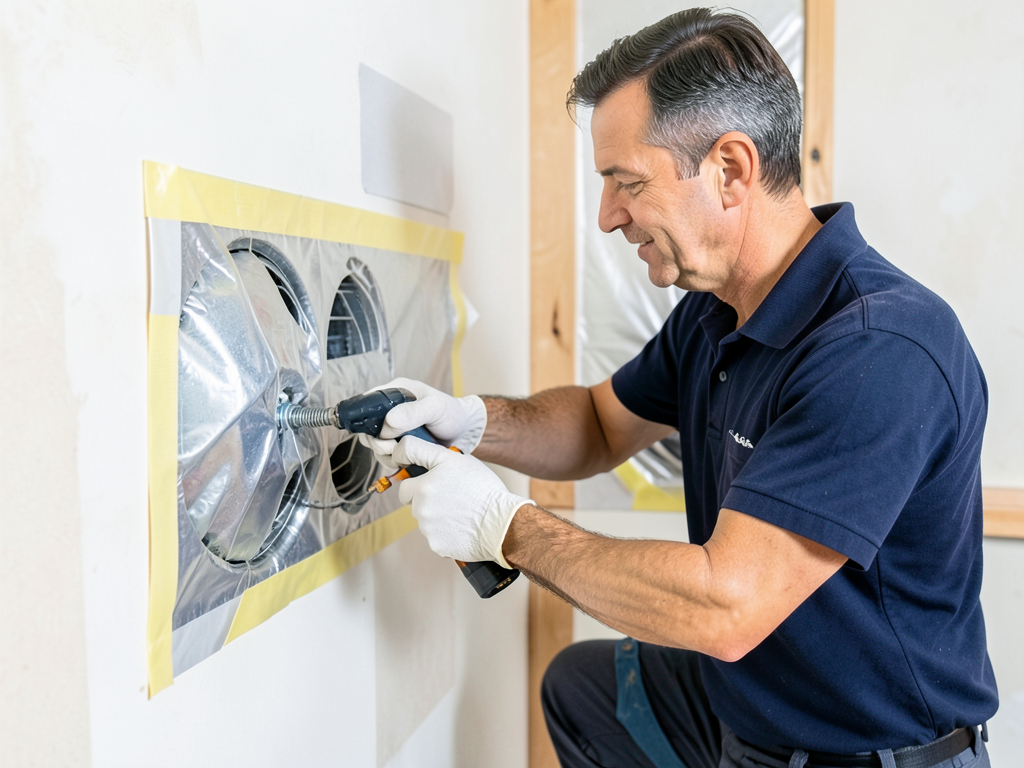
Next seal all supply and return vents with plastic sheeting and painter’s tape. Use 2-3 mil plastic and tape the edges thoroughly. This prevents dust from entering ductwork while maintaining system pressure. Never seal all vents completely as this creates dangerous pressure imbalances that can damage your blower motor.. Read more about Safe Landscaping Near Your AC Unit to Prevent Overheating in Your Wauwatosa Yard.
Create designated construction zones using plastic sheeting and zip walls. This containment strategy keeps dust localized and reduces the area you need to protect. For Wauwatosa homes with open floor plans consider temporary walls to isolate work areas.
Change your air filter to a MERV 11-13 rated filter before construction begins. Standard MERV 8 filters cannot capture drywall dust particles which range from 0.5 to 20 microns. Higher-rated filters catch more debris but restrict airflow so monitor your system closely.
Choosing the Right Filtration for Renovation Protection
Standard residential HVAC filters typically rate MERV 8 or lower. During construction you need MERV 11-13 filters which capture 85-95% of particles between 3-10 microns. Drywall dust particles fall within this range making these filters essential.
Here’s how different MERV ratings perform during construction:
| Filter Rating | Dust Capture Efficiency | Airflow Impact | Best Use |
|---|---|---|---|
| MERV 8 | 30-40% | Minimal | Normal operation |
| MERV 11 | 85-90% | Slight | Light construction |
| MERV 13 | 90-95% | Moderate | Heavy drywall work |
| MERV 14-16 | 95-99% | Significant | Hospital/clean room |
Check your filter every 3-4 days during construction. Construction dust loads are 10-50 times heavier than normal household dust. A filter that lasts 90 days normally might need replacement in 2-3 weeks during renovation.
Consider temporary HEPA filtration units for rooms under active construction. These portable units capture 99.97% of particles 0.3 microns or larger. Place them near cutting and sanding operations to capture dust at the source. EPA Duct Cleaning Guidelines.
Managing Airflow During Wisconsin’s Seasonal Challenges
Wauwatosa’s climate creates unique HVAC protection challenges during different seasons. Summer renovations face high humidity which causes dust to stick to surfaces and promotes mold growth in ductwork. Winter projects must balance dust control against the need for heating.
During summer construction maintain indoor humidity between 40-50% using dehumidifiers. This prevents dust from becoming sticky and reduces static electricity that attracts particles to surfaces. Monitor outdoor humidity levels and adjust your strategy accordingly.
Winter protection requires different tactics. Never completely shut down your heating system in sub-zero temperatures. Instead use the ‘Fan Only’ setting to circulate air without running the furnace. This maintains minimal airflow while preventing dust from being pulled through the heat exchanger.
Spring and fall offer the best conditions for HVAC protection. Moderate temperatures allow you to shut down systems completely without risking frozen pipes or uncomfortable indoor conditions. Take advantage of these shoulder seasons for major dust-producing work.. Read more about Why High Tech HVAC Systems in New Berlin Need Dedicated Surge Protection.
Outdoor Unit Protection During Exterior Work
Don’t forget your outdoor condenser unit during siding replacement or exterior painting. Wauwatosa’s many ranch-style homes from the 1960s-1970s often need exterior updates that create significant debris. Protect your condenser with a breathable mesh cover that allows airflow while blocking debris.
Never use plastic sheeting directly on the unit as this traps moisture and heat. Instead use commercial-grade condenser covers or build a simple wooden frame with hardware cloth. This protects the delicate aluminum fins from impact damage.
Keep vegetation trimmed at least 24 inches from the unit. Wauwatosa’s mature trees drop leaves pollen and seeds that can clog condenser coils. During construction this organic debris mixes with construction dust creating a paste that reduces efficiency by up to 30%.
Post-Renovation HVAC Recovery Checklist
After construction ends your HVAC system needs thorough recovery. Don’t assume everything is fine just because your system runs. Construction dust creates hidden problems that manifest months later.
Start with a complete system inspection. Check for visible dust accumulation on blower wheels coils and inside ductwork. Even with protection some dust infiltration is inevitable. Look for dust patterns around vents and registers which indicate contamination. Bay View Heat Pump Installers for Year Round Comfort and Efficiency.
Replace all filters even if they appear clean. Construction dust creates microscopic buildup that reduces efficiency. Install new MERV 11-13 filters and monitor them for the first month. If they load quickly you may need professional duct cleaning.
Clean or replace supply and return registers. Remove them and wash in warm soapy water. This eliminates dust that settled during construction and prevents it from being recirculated.
Consider professional coil cleaning especially if your system ran during construction. Evaporator coils are particularly vulnerable because condensate makes dust sticky. Professional cleaning restores efficiency and prevents long-term damage.
Professional Duct Cleaning: When It’s Necessary
Visible dust around vents or registers indicates contamination throughout your ductwork. In Wauwatosa’s older homes with plaster walls this dust often contains asbestos fibers if the plaster dates before 1980. Professional testing becomes essential.
Strong musty odors when your system runs suggest mold growth in ductwork. Construction creates perfect conditions for mold when moisture combines with organic dust. Professional remediation costs $500-2,000 depending on contamination extent.
Reduced airflow from certain vents indicates blockages in specific duct runs. This often occurs when dust settles in low points or where duct configurations change. Professional cleaning uses negative air pressure to remove these accumulations.
Schedule cleaning within 30 days after construction ends. This timing captures dust before it bonds permanently to duct surfaces. Most reputable companies offer before and after photos so you can verify the work.
Cost-Benefit Analysis of Protection vs. Replacement
Investing in HVAC protection during renovation costs $200-500 for materials and your time. Compare this to potential damages: blower motor replacement $400-800 evaporator coil $1,200-1,800 or complete system failure requiring $5,000-8,000 replacement.
Energy costs tell another story. A contaminated system runs 15-20% less efficiently. For a typical Wauwatosa home this means $25-40 monthly in wasted energy or $300-480 annually. Protection pays for itself in 1-2 years through efficiency alone.
Warranty implications matter too. Most manufacturers void warranties for contamination damage. If construction dust causes failure and you lack documentation of protection coverage disappears. Keep photos and receipts of your protection efforts.
Time costs factor heavily. A system failure during Wisconsin’s January polar vortex means emergency service calls at premium rates plus potential water pipe freezing damage. Protection prevents these cascading failures. AC Service Germantown.
Special Considerations for Wauwatosa’s Housing Stock
Wauwatosa features diverse architectural styles each with unique HVAC protection needs. The city’s many 1920s-1940s bungalows often have plaster walls that create ultra-fine dust when cut or sanded. This dust penetrates standard filters and coats internal components.
Mid-century ranches common in the north side frequently have under-slab ductwork. Construction vibration can dislodge dust from these ducts creating contamination that appears months later. These homes benefit from extra sealing and post-construction inspection. HVAC Inspection.
Newer construction in areas like the Medical College corridor often features high-efficiency systems with sensitive electronic controls. These systems detect even minor contamination and may shut down to protect components. Protection becomes critical for maintaining operation.
Historic districts require additional considerations. Renovation in these areas must comply with preservation guidelines while protecting modern HVAC systems. Work with contractors familiar with both historic preservation and HVAC protection.. Read more about The Best Ways to Heat and Cool a Finished Attic in Your Historic Milwaukee Home.
Smart Technology for Construction Protection
Modern smart thermostats offer construction protection features traditional thermostats lack. Models from Ecobee and Nest include air quality sensors that detect construction dust levels. These systems can automatically adjust fan speed or shut down when contamination reaches dangerous levels.
Air quality monitors placed near construction zones provide real-time feedback on dust levels. When readings spike you know to increase filtration or adjust work practices. Some monitors integrate with smart home systems to trigger air purifiers automatically.
Camera systems allow remote monitoring of HVAC components during construction. Check blower compartments and coil surfaces without entering contaminated areas. This prevents exposure while ensuring protection measures remain intact.
Mobile apps from major HVAC manufacturers provide maintenance alerts specific to your system. During construction these apps can remind you to check filters or schedule professional inspection based on your system’s actual run time and conditions. The Most Trusted AC Maintenance Experts in West Allis.
Working with Contractors on HVAC Protection
Professional contractors should include HVAC protection in their renovation plans. Ask about their dust control methods before hiring. Reputable firms use HEPA vacuums containment barriers and schedule dust-producing work to minimize system exposure.. Read more about What You Need to Know About HVAC Permits and Codes Before Starting Your Remodel in Mukwonago.
Request a written HVAC protection plan. This should detail how they’ll seal vents manage airflow and clean up after dusty work. Include provisions for accessing your system if issues arise during construction.
Schedule dusty work during moderate weather when you can shut down your system completely. Coordinate with your HVAC technician to ensure proper system shutdown and restart procedures.
Document everything. Take photos of your system before construction begins. This establishes baseline conditions and helps resolve any disputes about damage causation. Keep all protection materials receipts and work schedules.
Local Building Code Considerations
Wauwatosa follows Wisconsin Uniform Dwelling Code requirements for HVAC protection during renovations. While specific dust protection isn’t mandated proper system isolation prevents code violations related to air quality and system operation.
Permits often require HVAC inspection before and after major renovations. Document your protection efforts for these inspections. Showing proactive protection demonstrates responsible renovation practices.
Energy efficiency upgrades may be required when replacing HVAC components. If construction damage necessitates replacement ensure new equipment meets current efficiency standards. This often provides long-term savings that offset initial costs.
Local HVAC contractors understand Wauwatosa’s specific requirements. They can advise on code compliance while recommending protection strategies that work in local housing stock and climate conditions.
Emergency Response During Construction
Despite best efforts emergencies happen. Your system makes unusual noises or stops working during construction. Know how to respond quickly to prevent further damage.
Shut down the system immediately if you hear grinding squealing or rattling noises. These indicate debris contact with moving parts. Don’t restart until a technician inspects the system.
If your system won’t start check the air filter first. Construction dust can clog filters in hours rather than months. Replace with a clean filter and try again. If problems persist call for service.
Monitor system performance closely during the first month after construction. Reduced heating or cooling capacity unusual cycling or strange odors indicate contamination problems requiring professional attention.
Keep emergency contact information readily available. Store it in your phone and post it near your thermostat. Quick access to professional help prevents minor issues from becoming major failures.
Long-Term Benefits of Proper Protection
Protecting your HVAC system during renovation extends equipment life by 3-5 years. Construction damage accelerates wear on all components. Prevention maintains the system you invested in rather than forcing premature replacement.
Energy efficiency remains consistent when systems stay clean. A protected system maintains its designed efficiency while contaminated systems work harder to achieve the same results. This translates to lower utility bills for years after construction ends.
Indoor air quality improves dramatically with proper protection. Construction dust contains chemicals allergens and particulates that affect respiratory health. Clean systems filter these contaminants rather than circulating them through your home.
Peace of mind represents the ultimate benefit. Knowing your HVAC system remains protected allows you to focus on your renovation’s exciting aspects rather than worrying about mechanical failures. This confidence makes the entire project more enjoyable.
Frequently Asked Questions
Can I run my HVAC system during construction if I use high-quality filters?
Running your system during construction risks contamination even with MERV 13 filters. Construction dust loads exceed normal conditions by 10-50 times. While high-quality filters help they cannot eliminate all risk. The safest approach involves shutting down during active dust-producing work and using portable filtration instead.
How long should I wait to use my HVAC system after construction ends?
Wait at least 24-48 hours after completing dusty work before restarting your system. This allows settled dust to be removed through cleaning rather than being drawn into your HVAC equipment. During this time use portable fans and open windows when weather permits to improve air circulation.
What’s the difference between MERV and HEPA filtration for construction protection?
MERV filters fit standard HVAC systems and range from 1-16 in efficiency. MERV 11-13 provides good construction protection while maintaining system airflow. HEPA filters remove 99.97% of particles but require special housings and significantly reduce airflow. Use HEPA portable units for source capture rather than whole-house filtration during construction.
Should I get professional duct cleaning after every renovation?
Not every renovation requires professional duct cleaning. If you sealed vents properly used containment barriers and kept your system off during dusty work simple filter changes and register cleaning may suffice. Professional cleaning becomes necessary when you see visible dust around vents smell musty odors or experience reduced airflow from certain rooms.
How can I tell if construction dust damaged my HVAC system?
Signs of construction dust damage include unusual noises from the blower motor reduced heating or cooling capacity higher than normal energy bills and visible dust accumulation on coils or inside the unit. If your system exhibits any of these symptoms after renovation professional inspection can determine if damage occurred and what repairs are needed.
Take Action to Protect Your Investment
Your HVAC system represents a significant investment in your Wauwatosa home’s comfort and efficiency. Construction dust threatens this investment but proper protection strategies prevent costly damage. The small time and material investment in protection saves thousands in potential repairs and extends your system’s useful life.
Don’t wait until problems arise. Start your HVAC protection plan before your renovation begins. Gather materials seal your system and establish dust control protocols with your contractors. This proactive approach ensures your renovation creates the beautiful home you envision without the hidden costs of HVAC damage.
Need professional guidance on HVAC protection during your Wauwatosa renovation? Our experienced technicians understand local construction challenges and can help you develop a comprehensive protection strategy. We serve Wauwatosa and all surrounding Milwaukee communities with emergency service available 24/7.
Call Elite Heating & Cooling Milwaukee today at (414) 375-7888 to schedule your HVAC protection consultation. Don’t let construction dust damage your system and ruin your renovation experience. Protect your investment and enjoy worry-free home improvement.
Visit our website to learn more about our comprehensive HVAC services and read reviews from satisfied Wauwatosa homeowners who trusted us with their system protection needs. Your comfort and peace of mind matter to us. For more information, visit ASHRAE HVAC Standards. For more information, visit NAHB Remodeling Impact Report.
You may also find this helpful. How Your Dream Kitchen Remodel in Brookfield Could Unintentionally Break Your Current HVAC System.
{
“@context”: “https://schema.org”,
“@type”: “BlogPosting”,
“headline”: “Protecting Your HVAC System from Drywall Dust During a Wauwatosa Home Remodel”,
“description”: “Learn how to protect your HVAC system from drywall dust during Wauwatosa home renovations. Discover proven strategies to prevent costly damage and maintain efficiency.”,
“wordCount”: 2613,
“datePublished”: “2026-05-29T15:09:00.000Z”,
“dateModified”: “2026-05-29T15:09:00.000Z”,
“inLanguage”: “en-US”,
“mainEntityOfPage”: {
“@type”: “WebPage”,
“@id”: “https://eliteheatingandcoolingmilwaukee.com”
},
“publisher”: {
“@type”: “LocalBusiness”,
“name”: “Elite Heating and Cooling Milwaukee”,
“url”: “https://eliteheatingandcoolingmilwaukee.com”
},
“author”: {
“@type”: “Organization”,
“name”: “Elite Heating and Cooling Milwaukee”,
“url”: “https://eliteheatingandcoolingmilwaukee.com”
},
“image”: {
“@type”: “ImageObject”,
“url”: “https://eliteheatingandcoolingmilwaukee.com/wp-content/uploads/2026/03/protecting-your-hvac-system-from-drywall-dust-duri-1.png”
}
}
{
“@context”: “https://schema.org”,
“@type”: “HVACBusiness”,
“name”: “Elite Heating and Cooling Milwaukee”,
“url”: “https://eliteheatingandcoolingmilwaukee.com”,
“address”: {
“@type”: “PostalAddress”,
“addressLocality”: “Milwaukee”
},
“areaServed”: {
“@type”: “City”,
“name”: “Milwaukee”
}
}
{
“@context”: “https://schema.org”,
“@type”: “FAQPage”,
“mainEntity”: [
{
“@type”: “Question”,
“name”: “Can I run my HVAC system during construction if I use high-quality filters?”,
“acceptedAnswer”: {
“@type”: “Answer”,
“text”: “Running your system during construction risks contamination even with MERV 13 filters. Construction dust loads exceed normal conditions by 10-50 times. While high-quality filters help they cannot eliminate all risk. The safest approach involves shutting down during active dust-producing work and using portable filtration instead.”
}
},
{
“@type”: “Question”,
“name”: “How long should I wait to use my HVAC system after construction ends?”,
“acceptedAnswer”: {
“@type”: “Answer”,
“text”: “Wait at least 24-48 hours after completing dusty work before restarting your system. This allows settled dust to be removed through cleaning rather than being drawn into your HVAC equipment. During this time use portable fans and open windows when weather permits to improve air circulation.”
}
},
{
“@type”: “Question”,
“name”: “What’s the difference between MERV and HEPA filtration for construction protection?”,
“acceptedAnswer”: {
“@type”: “Answer”,
“text”: “MERV filters fit standard HVAC systems and range from 1-16 in efficiency. MERV 11-13 provides good construction protection while maintaining system airflow. HEPA filters remove 99.97% of particles but require special housings and significantly reduce airflow. Use HEPA portable units for source capture rather than whole-house filtration during construction.”
}
},
{
“@type”: “Question”,
“name”: “Should I get professional duct cleaning after every renovation?”,
“acceptedAnswer”: {
“@type”: “Answer”,
“text”: “Not every renovation requires professional duct cleaning. If you sealed vents properly used containment barriers and kept your system off during dusty work simple filter changes and register cleaning may suffice. Professional cleaning becomes necessary when you see visible dust around vents smell musty odors or experience reduced airflow from certain rooms.”
}
},
{
“@type”: “Question”,
“name”: “How can I tell if construction dust damaged my HVAC system?”,
“acceptedAnswer”: {
“@type”: “Answer”,
“text”: “Signs of construction dust damage include unusual noises from the blower motor reduced heating or cooling capacity higher than normal energy bills and visible dust accumulation on coils or inside the unit. If your system exhibits any of these symptoms after renovation professional inspection can determine if damage occurred and what repairs are needed.”
}
}
]
}
{
“@context”: “https://schema.org”,
“@type”: “BreadcrumbList”,
“itemListElement”: [
{
“@type”: “ListItem”,
“position”: 1,
“name”: “Home”,
“item”: “https://eliteheatingandcoolingmilwaukee.com”
},
{
“@type”: “ListItem”,
“position”: 2,
“name”: “Blog”,
“item”: “https://eliteheatingandcoolingmilwaukee.com/blog”
},
{
“@type”: “ListItem”,
“position”: 3,
“name”: “Protecting Your HVAC System from Drywall Dust During a Wauwatosa Home Remodel”
}
]
}
{
“@context”: “https://schema.org”,
“@type”: “Service”,
“serviceType”: “HVAC”,
“provider”: {
“@type”: “LocalBusiness”,
“name”: “Elite Heating and Cooling Milwaukee”,
“url”: “https://eliteheatingandcoolingmilwaukee.com”
},
“areaServed”: {
“@type”: “City”,
“name”: “Milwaukee”
},
“description”: “Learn how to protect your HVAC system from drywall dust during Wauwatosa home renovations. Discover proven strategies to prevent costly damage and maintain efficiency.”
}