
Solving Hot and Cold Spots with Zoned HVAC Solutions in Fox Point
Living in a multi-story home in Fox Point means enjoying beautiful architecture and spacious living areas. It also means dealing with the frustrating reality of uneven temperatures. You might find yourself shivering upstairs while the main floor feels like a sauna. This common comfort problem stems from the basic physics of heating and cooling large homes with traditional single-zone systems. Warm air rises and cool air sinks, creating natural temperature stratification that standard HVAC systems struggle to overcome.
Zoned HVAC systems solve this problem by dividing your home into separate temperature-controlled areas. Each zone has its own thermostat and motorized dampers that direct conditioned air exactly where it’s needed. Instead of heating or cooling your entire house to one temperature, you can maintain perfect comfort in every room regardless of its location or exposure to sunlight.
How Zoned HVAC Systems Work in Fox Point Homes
The technology behind zoned HVAC systems relies on several key components working together. Motorized dampers install inside your existing ductwork at strategic locations. These dampers open and close automatically based on signals from individual zone thermostats. When one zone needs heating or cooling, the system activates only that zone’s damper while keeping others closed.
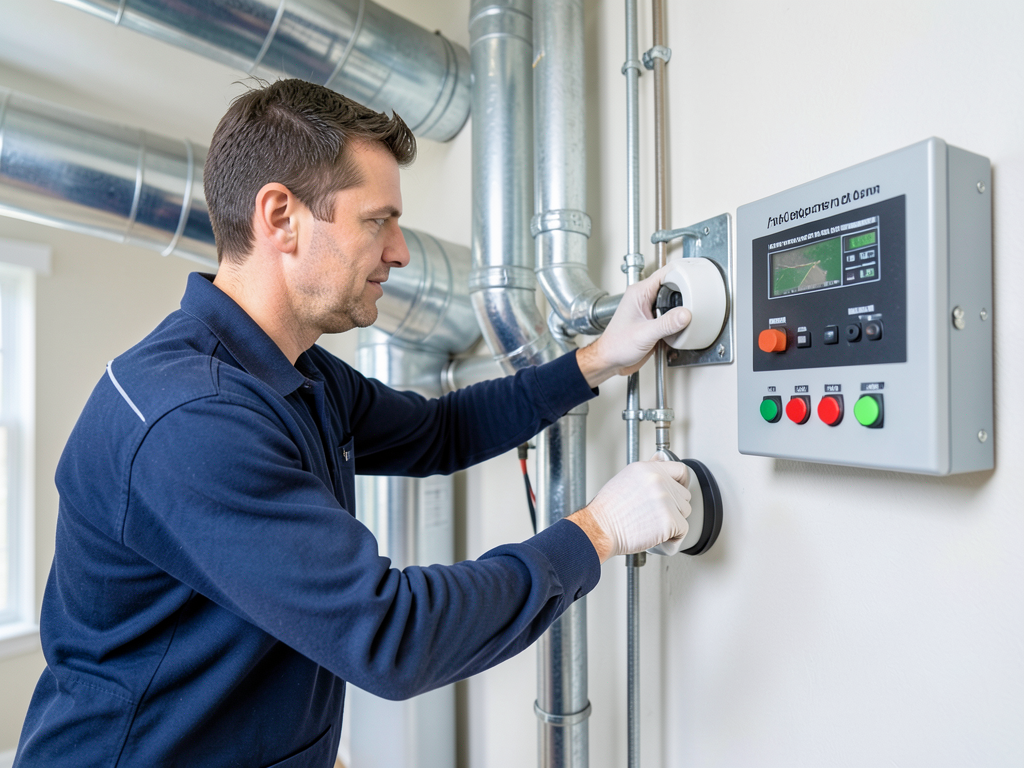
A zone control panel serves as the system’s brain, coordinating the operation of multiple zones simultaneously. This panel communicates with each thermostat and manages the dampers to prevent pressure imbalances in your ductwork. Without proper pressure management, closing too many dampers could strain your furnace or air conditioner.
Smart thermostats provide the user interface for each zone. Modern zoning systems often integrate with popular smart home platforms, allowing you to control temperatures from your phone and create automated schedules for different areas of your home. Some systems even learn your patterns and adjust automatically based on occupancy sensors.
Variable-speed air handlers and multi-stage furnaces work best with zoning systems. These high-efficiency units can modulate their output to match the reduced heating or cooling load when only one or two zones are active. This capability not only improves comfort but also reduces energy consumption and extends equipment life. Energy Star HVAC efficiency standards.
Benefits of Zoned HVAC for North Shore Milwaukee Homes
Energy efficiency represents one of the biggest advantages of zoned HVAC systems. By heating or cooling only occupied areas, you can reduce your utility bills by 20-30% compared to traditional single-zone systems. This savings becomes even more significant in Wisconsin’s climate, where heating demands can last six months or more.
Individual comfort control eliminates family arguments over thermostat settings. Each person can set their preferred temperature in their bedroom or office without affecting other areas of the home. This feature proves especially valuable in homes with different occupancy patterns throughout the day.
Extended equipment life results from reduced runtime hours. When your system doesn’t have to heat or cool your entire house every time it runs, components experience less wear and tear. This benefit translates to fewer repairs and longer replacement intervals for your furnace and air conditioner.
Improved indoor air quality comes from better airflow management. Zoning systems can direct more air to areas that need filtration or humidity control while reducing airflow to less-used spaces. This targeted approach helps maintain consistent air quality throughout your home.
Why Fox Point Architecture Benefits from Zoning
Fox Point’s housing stock includes many large Colonial and Tudor-style homes built between the 1920s and 1950s. These homes typically feature multiple stories, high ceilings, and compartmentalized room layouts that create ideal conditions for temperature imbalances. The original ductwork in these homes often wasn’t designed for modern comfort expectations.
Multi-story homes experience significant temperature differences between floors. Heat naturally rises, so second-floor bedrooms can be 8-10 degrees warmer than first-floor living areas during summer. In winter, the opposite problem occurs as warm air stratifies near ceilings while floors remain cold.
Large windows common in historic Fox Point homes create additional challenges. South-facing windows can heat rooms dramatically on sunny winter days, while the same windows become heat drains during cold nights. Zoning allows you to compensate for these solar gains without overcooling the rest of your home.
Finished basements in Fox Point homes often remain cold and damp due to their below-grade location. Traditional HVAC systems struggle to provide adequate heating to these spaces without making upstairs areas uncomfortably warm. Zoning solves this problem by creating a dedicated basement zone with its own temperature control.
Our Custom Zoning Design and Installation Process
We begin every zoning project with a comprehensive home assessment. Our technicians evaluate your existing ductwork layout, measure temperature variations throughout your home, and analyze your current HVAC system’s capacity. This assessment helps us determine the optimal number of zones and their boundaries.
Ductwork modification often proves necessary for effective zoning. We install motorized dampers at key junctions and may need to add bypass ducts to maintain proper system pressure. In some cases, we recommend duct resizing or replacement to ensure adequate airflow to all zones.
Zone control panel installation requires careful planning to integrate with your existing HVAC equipment. We mount the panel in an accessible location and connect it to your furnace, air conditioner, and thermostats. Programming the control logic ensures smooth operation and prevents system conflicts.
Thermostat installation and configuration complete the system. We mount smart thermostats in each zone at optimal locations away from direct sunlight and drafts. The programming phase involves setting up schedules, temperature limits, and emergency overrides to match your family’s lifestyle.
System testing and calibration verify proper operation before we consider the job complete. We run the system through various scenarios to ensure dampers operate correctly, temperature sensors read accurately, and all zones maintain their set points. This testing phase often reveals opportunities for fine-tuning to maximize comfort and efficiency.
Energy Efficiency and Cost Savings Analysis
Zoning systems can reduce heating and cooling costs by 20-30% compared to traditional single-zone systems. The savings come from several factors: reduced runtime hours, more efficient equipment operation, and elimination of energy waste in unoccupied areas. In a typical Fox Point home, this translates to annual savings of $300-600 depending on home size and usage patterns.
Focus on Energy Wisconsin offers rebates for high-efficiency HVAC equipment and smart thermostats. When combined with zoning upgrades, these rebates can offset 15-25% of the installation cost. Our team handles all rebate paperwork to ensure you receive maximum available incentives. Focus on Energy Wisconsin rebates.
Equipment longevity improvements provide additional long-term savings. By reducing the total runtime hours of your furnace and air conditioner, zoning systems can extend equipment life by 2-4 years. This extension means delaying the $8,000-15,000 replacement cost for your HVAC system.
Utility companies often offer time-of-use rate programs that reward off-peak energy consumption. Zoning systems make it easier to shift heating and cooling loads to lower-cost periods by allowing you to condition only the areas you’re using during peak hours.
Comparing Zoning to Other Solutions
Installing a second HVAC system represents an alternative to zoning for multi-story homes. However, this approach typically costs 40-60% more than zoning an existing system and requires significant space for additional equipment. Zoning provides similar comfort benefits at a lower initial investment.
Ductless mini-split systems offer another zoning-like solution but work best for room additions or homes without existing ductwork. These systems require multiple outdoor units and indoor heads, creating a different aesthetic and maintenance profile than traditional zoning. The Most Trusted AC Maintenance Experts in West Allis.
Smart thermostats alone cannot solve hot and cold spots since they control only a single zone. While these devices can improve overall system efficiency, they cannot address the fundamental problem of uneven temperatures in multi-story or large homes.
Manual balancing dampers provide basic zoning but require manual adjustment and cannot respond to changing conditions throughout the day. Automated zoning systems offer superior convenience and effectiveness by continuously optimizing airflow based on real-time temperature readings.
Common Zoning Configurations for Fox Point Homes
Two-zone systems represent the most common configuration for Fox Point homes. These systems typically separate upstairs from downstairs areas, addressing the most significant temperature differences in multi-story homes. This setup works well for homes up to 2,500 square feet.
Three-zone systems add a basement zone to the upstairs/downstairs configuration. This setup proves ideal for homes with finished basements that see regular use. The third zone allows independent temperature control for the cooler basement area without affecting comfort upstairs.
Four or more zones become necessary for larger homes or those with complex layouts. Common configurations include separating master suites, home offices, or sunrooms into their own zones. These setups provide maximum control but require more sophisticated control panels and careful ductwork design.
Open-concept homes present unique zoning challenges since large connected spaces resist traditional zone boundaries. In these cases, we often recommend using smart vents or creating zones based on exposure to sunlight rather than physical room divisions.
Maintenance and Troubleshooting for Zoned Systems
Regular maintenance keeps zoned HVAC systems operating efficiently. Annual professional inspections should include damper operation testing, thermostat calibration, and control panel diagnostics. These checks help identify potential issues before they cause comfort problems. Professional Duct Cleaning for Better Air Quality in Menomonee Falls.
Common issues include stuck dampers, failed thermostats, or control panel malfunctions. Most problems manifest as specific zones not maintaining temperature or the system failing to respond to thermostat changes. Our technicians can diagnose and repair these issues quickly due to the modular nature of zoned systems.
Battery replacement in wireless thermostats represents a simple but important maintenance task. Most smart thermostats use batteries that last 1-2 years, and dead batteries prevent zone control. We recommend checking batteries during seasonal maintenance visits.
Software updates for smart thermostats and control panels can improve system performance and add new features. Our team can handle these updates during maintenance visits to ensure your system always runs the latest, most efficient software versions.
Frequently Asked Questions
Will zoning work with my existing HVAC equipment?
Most modern furnaces and air conditioners can accommodate zoning systems. However, older equipment may require upgrades to variable-speed blowers or multi-stage operation for optimal performance. Our assessment determines your system’s compatibility and any necessary modifications.
How long does zoning installation take?
Typical zoning installations require 1-2 days depending on system complexity. Two-zone systems for average homes usually complete in one day, while larger or more complex installations may require additional time for ductwork modifications and control programming.
What is the cost of a zoned HVAC system in Fox Point?
Two-zone systems typically range from $3,500-6,000, while three-zone systems cost $5,000-8,000. These prices include all components, installation labor, and programming. Larger or more complex systems may cost more depending on your home’s specific requirements.
Can I add zoning to a home without ductwork?
Traditional zoning requires existing ductwork, but ductless mini-split systems offer a similar zoning benefit for homes without ducts. These systems use multiple indoor units connected to a single outdoor compressor, providing independent temperature control for different areas.
Ready to Eliminate Hot and Cold Spots?
Don’t let uneven temperatures ruin your home comfort another season. Our experienced technicians understand the unique challenges of Fox Point’s historic homes and can design a zoning system that solves your specific comfort problems. We offer free assessments to evaluate your home’s needs and provide detailed recommendations.
Call Elite Heating & Cooling Milwaukee today at (414) 375-7888 to schedule your free zoning consultation. Our team will show you how zoned HVAC can transform your home’s comfort while reducing your energy bills. We serve Fox Point and all surrounding North Shore communities with professional, reliable service you can trust. Bay View Heat Pump Installers for Year Round Comfort and Efficiency.
Take control of your home’s comfort today. One call solves it all.