
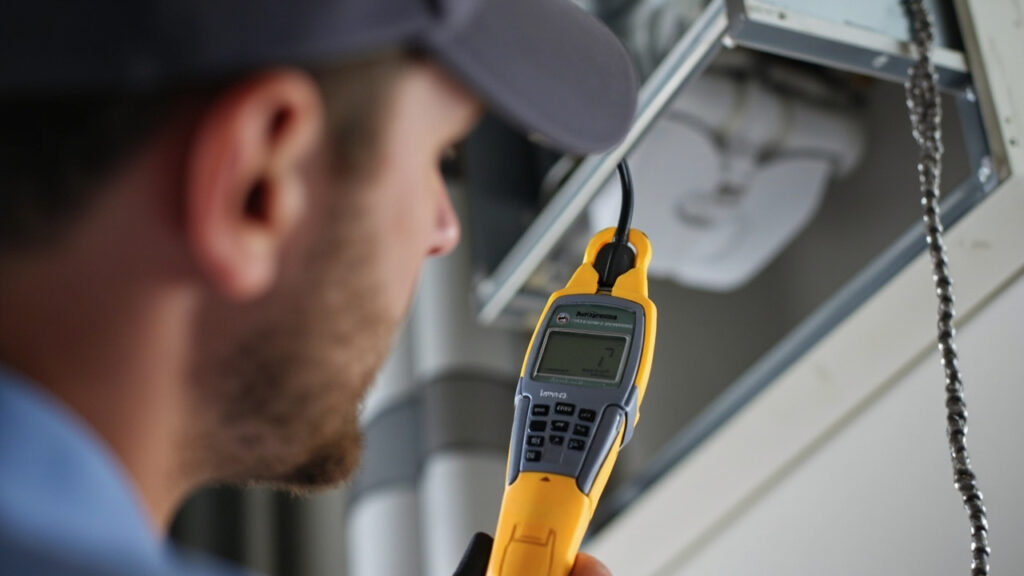
Solving Temperature Imbalances Between Floors in Your New Berlin Home
Temperature imbalances between floors create discomfort and waste energy. Your upstairs bedrooms feel like saunas while downstairs living spaces stay chilly. This common problem plagues many New Berlin homes especially those with split-level designs or two-story layouts. Understanding why these imbalances occur helps you find the right solution.. Read more about How to Size the Right Furnace for Your Large Multi Generation Home in Mequon.
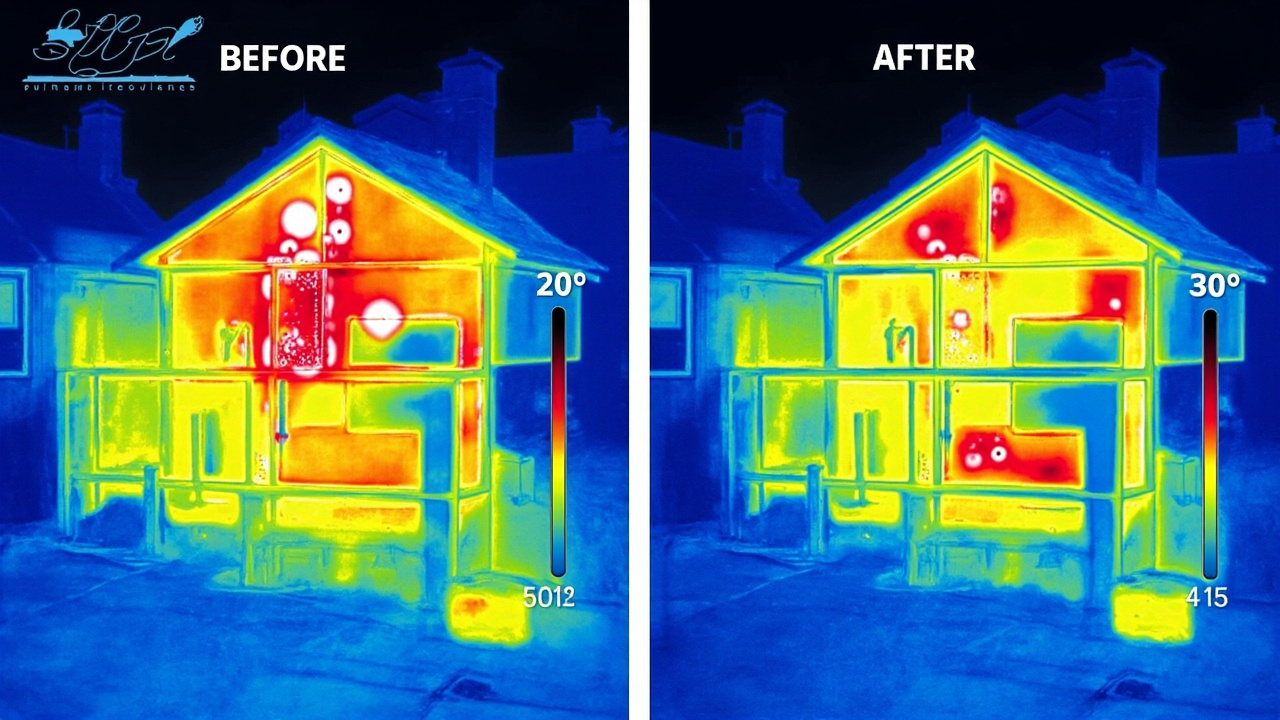
Why Your New Berlin Home Has Hot and Cold Spots
Several factors cause temperature differences between floors. Heat rises naturally so upper levels often become warmer than lower ones. This effect intensifies during Milwaukee winters when your heating system works overtime. The physics of warm air rising creates a natural temperature gradient in your home.. Read more about Fixing Uneven Heating Problems in Older Greendale Ranch Homes.
Older homes in New Berlin built before modern building codes often lack proper insulation. Heat escapes through walls ceilings and floors creating cold spots. Drafty windows and doors compound these issues. Many homes from the 1960s and 1970s have minimal attic insulation leading to significant heat loss.. Read more about Solving Hot and Cold Spots with Zoned HVAC Solutions in Fox Point.
Your HVAC system itself might contribute to the problem. Improperly sized equipment cannot distribute air evenly throughout your home. Ductwork design flaws create pressure imbalances. Some rooms receive too much airflow while others get too little. These issues become more pronounced in larger homes common in suburban New Berlin.. Read more about How Proper Attic Insulation and Ventilation Protect Your Oak Creek HVAC.
Common Culprits From Ductwork to Insulation
Ductwork problems rank among the top causes of uneven heating. Leaks in your duct system allow conditioned air to escape before reaching its destination. Poorly sealed joints and disconnected sections waste energy. You might be heating your attic or crawl space instead of your living areas.. Read more about Why You Might Need a High Velocity HVAC System for Your Historic Home in Brewer’s Hill.
Blocked or crushed ducts restrict airflow. Furniture placement sometimes crushes flexible ducts running through floor cavities. Rodents can damage ductwork in attics and basements. Even small obstructions significantly impact system performance.. Read more about The Best Ways to Heat and Cool a Finished Basement in South Milwaukee.
Insufficient return air pathways create pressure imbalances. Your HVAC system needs proper return airflow to function correctly. Without adequate returns some rooms become pressurized while others develop negative pressure. This imbalance forces conditioned air to escape through cracks and gaps.
Single-zone systems struggle with multi-level homes. One thermostat cannot accurately control temperatures throughout different floors. The thermostat location often does not represent conditions in other areas of your home. This mismatch leads to overheating some spaces while others remain cold.
Quick DIY Troubleshooting for Homeowners
Start with simple checks before calling professionals. These steps often resolve minor temperature imbalances and help you identify more serious issues.
Check all supply vents throughout your home. Make sure none are closed or blocked by furniture. Even partially closed vents disrupt system balance. Walk through each room and verify airflow from every vent.
Inspect your air filter. Dirty filters restrict airflow reducing system efficiency. Replace filters every one to three months depending on your home conditions. Homes with pets or allergy sufferers need more frequent changes.
Adjust damper handles in your ductwork. Many homes have manual dampers that control airflow to different areas. The handles indicate the damper position. Parallel to the duct means open perpendicular means closed. Experiment with different settings to balance temperatures.
Check attic insulation levels. Wisconsin building codes require R-49 to R-60 insulation in attics. Older homes often have much less. You can add insulation yourself or hire professionals. Focus on areas where you notice temperature differences.
Seal air leaks around windows doors and electrical outlets. Use weatherstripping caulk or spray foam to close gaps. These simple fixes reduce drafts and improve comfort. Pay special attention to areas where you feel cold air entering.
Professional HVAC Solutions for Consistent Comfort
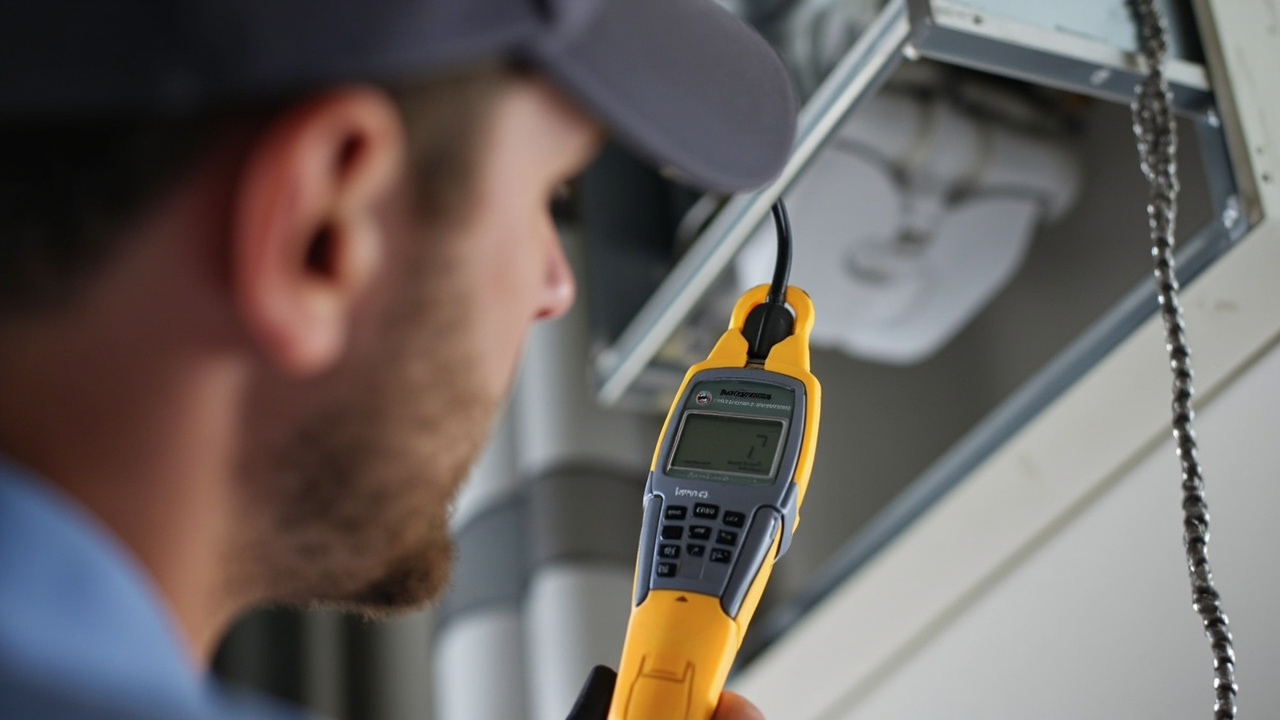
When DIY fixes fail professional solutions provide lasting results. HVAC contractors use specialized tools to diagnose and correct temperature imbalances. These services address root causes rather than symptoms.
HVAC Zoning Systems and Smart Thermostats
Zoning systems divide your home into separate temperature control areas. Each zone has its own thermostat and dampers. This setup allows different temperatures on different floors. You can keep bedrooms cooler at night while maintaining comfortable temperatures downstairs.
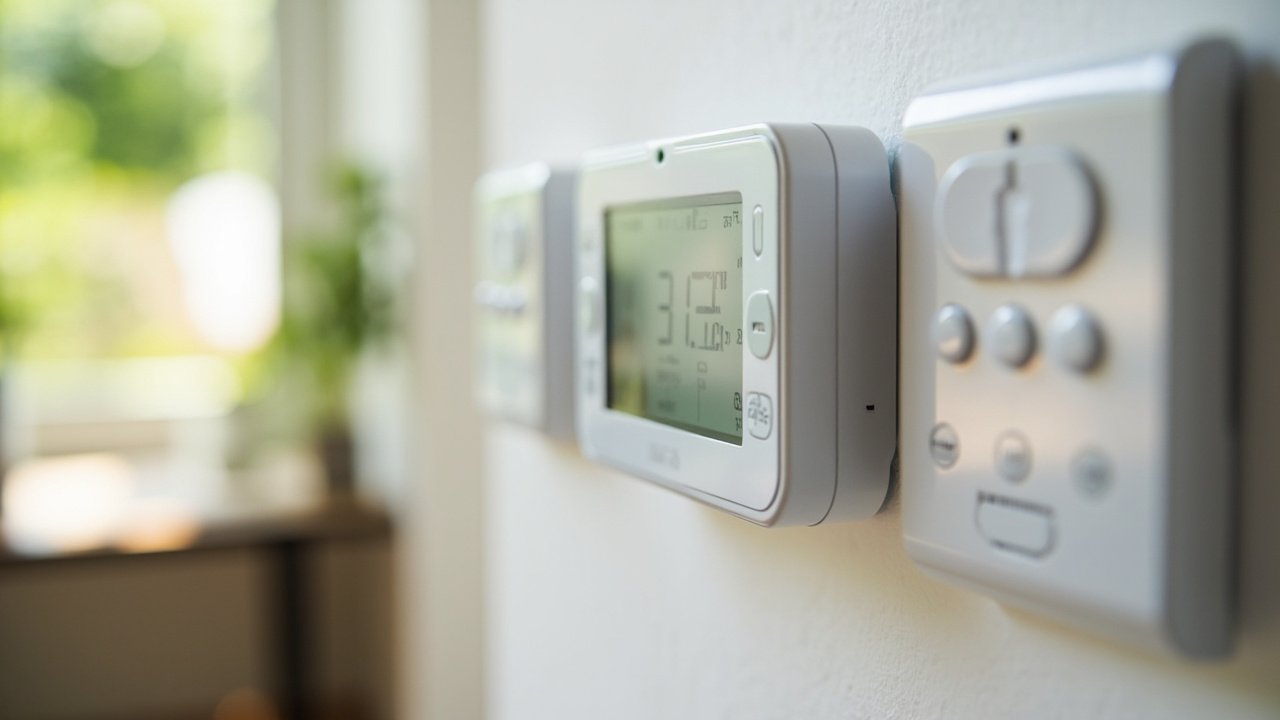
Smart thermostats with remote sensors provide better temperature control. These devices measure conditions in multiple locations. They adjust heating and cooling based on actual conditions throughout your home. Some models learn your schedule and preferences automatically.
Variable speed equipment improves comfort and efficiency. Traditional systems run at full capacity or not at all. Variable speed units adjust output to match demand. This capability provides more consistent temperatures and better humidity control.. Read more about Why Variable Speed Furnaces Are Better for Large Homes in Brookfield.
Duct Repair and Sealing Services
Professional duct sealing eliminates leaks and improves efficiency. Technicians use specialized equipment to find and seal leaks. They can access hard to reach areas in attics and crawl spaces. Sealed ducts deliver more conditioned air to living spaces.
Duct cleaning removes debris that restricts airflow. Dust pollen and other particles accumulate in ductwork over time. Clean ducts improve air quality and system performance. This service often reveals damage requiring repair.
Duct replacement becomes necessary for severely damaged systems. Old ductwork deteriorates and loses efficiency. Modern materials provide better insulation and airflow. Replacement also allows redesigning the system for improved performance.
High-Efficiency Upgrades for Older Milwaukee Homes
Older New Berlin homes benefit from modern high-efficiency equipment. Today’s furnaces and air conditioners use less energy while providing better comfort. They often include features specifically designed for older homes with unique challenges.. Read more about Knowing When to Stop Repairing an Old Furnace and Finally Replace It.
High-efficiency furnaces extract more heat from fuel reducing energy waste. They also produce less condensation which helps prevent moisture problems common in older homes. Many models include variable speed blowers for better airflow distribution.
Heat pumps provide both heating and cooling in one system. Modern cold climate heat pumps work efficiently even during Wisconsin winters. They offer excellent efficiency and can reduce utility bills significantly.
Boilers provide steady comfortable heat without the airflow issues of forced air systems. They work well in older homes with existing radiator systems. Modern high-efficiency boilers use less fuel while providing consistent warmth.
The Impact of Milwaukee’s Climate on Your Heating System
Milwaukee’s climate creates unique challenges for home heating. Lake effect weather patterns bring sudden temperature changes and high humidity. These conditions stress HVAC systems and create comfort issues.
Wisconsin winters demand reliable heating systems. Temperatures regularly drop below zero during polar vortex events. Your system must handle extreme cold while maintaining consistent temperatures throughout your home.
High humidity during summer months affects cooling performance. Excess moisture makes rooms feel warmer than actual temperature. Proper dehumidification becomes essential for comfort. Many New Berlin homes need whole house dehumidifiers.
Rapid temperature swings common in Wisconsin stress HVAC equipment. Systems must adjust quickly to changing conditions. This cycling reduces efficiency and increases wear. Modern equipment handles these demands better than older units.
Seasonal transitions create additional challenges. Spring and fall weather often requires both heating and cooling in the same day. Systems must adapt quickly to these changes. Proper maintenance ensures reliable operation during these transition periods.
When to Call a Milwaukee HVAC Professional
Some problems require professional diagnosis and repair. Knowing when to call for help saves time and prevents further damage. Professional technicians bring expertise and specialized tools to solve complex issues.
Call for help when you notice unusual noises from your HVAC system. Banging clanging or whistling sounds indicate mechanical problems. These issues rarely resolve themselves and often worsen over time.
Contact a professional if certain rooms never reach comfortable temperatures. Persistent hot or cold spots suggest system design flaws or equipment problems. Professional diagnosis identifies the specific causes and recommends solutions.
Schedule service when your energy bills increase unexpectedly. Rising costs often indicate declining system efficiency. A professional inspection can identify causes and recommend improvements.
Seek help for frequent system cycling or short running times. These symptoms suggest control problems or equipment issues. Short cycling reduces efficiency and increases wear on components.
Professional maintenance prevents many problems before they start. Annual tune ups keep systems running efficiently and identify developing issues. This proactive approach extends equipment life and maintains comfort.
Cost-Benefit Analysis of Common Solutions
Understanding costs helps you make informed decisions about HVAC improvements. Different solutions offer varying returns on investment. Consider both immediate costs and long-term savings.
Duct sealing typically costs between $500 and $2000 depending on home size and duct condition. This investment often pays for itself through energy savings within two to three years. Sealed ducts also improve indoor air quality.
Zoning systems require larger upfront investments of $2500 to $5000. However they provide significant comfort improvements and energy savings. Homes with large temperature differences between floors benefit most from zoning.
Smart thermostats cost $200 to $500 plus installation. These devices offer quick payback through energy savings and improved comfort. Many utility companies offer rebates for smart thermostat installation.
Complete system replacement costs $5000 to $15000 depending on equipment and home size. While expensive new systems offer the best efficiency and comfort. They also eliminate ongoing repair costs for aging equipment.
Insulation improvements cost $1000 to $4000 for typical homes. Adding attic insulation provides excellent return on investment. Many utility rebates help offset these costs.
Milwaukee Focus on Energy Rebates and Incentives
Wisconsin residents can access significant rebates for energy efficient improvements. Focus on Energy offers programs specifically designed for HVAC upgrades. These incentives make improvements more affordable.
Furnace and air conditioner replacements often qualify for $200 to $400 rebates. High efficiency equipment with SEER ratings above 16 typically receives larger rebates. Boilers and heat pumps also qualify for various incentives.
Duct sealing and insulation improvements qualify for additional rebates. Many homeowners combine multiple improvements to maximize savings. Professional contractors help navigate rebate requirements and paperwork.
Utility companies often provide their own incentives beyond Focus on Energy. WE Energies offers various programs for energy efficient upgrades. These programs change periodically so check current offerings before starting projects.
Federal tax credits may also apply to certain improvements. Energy efficient equipment and insulation often qualify for tax benefits. Consult tax professionals for current eligibility requirements.
Local programs sometimes offer additional incentives. Check with your municipality about available programs. Some areas provide low interest financing for energy improvements.
Seasonal Maintenance Checklist for Wisconsin Homes
Regular maintenance keeps your HVAC system running efficiently. Seasonal checklists help you stay on schedule and prevent problems. These tasks prepare your system for Wisconsin’s changing seasons.
Fall maintenance prepares heating systems for winter. Replace air filters clean vents and check thermostat operation. Schedule professional furnace inspection before cold weather arrives. This timing ensures reliable operation during peak heating season.
Spring maintenance readies cooling systems for summer. Clean outdoor condenser units remove debris from indoor coils. Check refrigerant levels and test system operation. Early maintenance prevents breakdowns during hot weather.. Read more about Protecting Your Outdoor AC Unit from Cottonwood Clogs in Elm Grove.
Monthly tasks include checking and replacing air filters. Inspect visible ductwork for damage or disconnections. Listen for unusual noises during system operation. These simple checks catch problems early.
Annual professional maintenance provides thorough system inspection. Technicians check electrical connections test safety controls and measure system performance. They also identify developing issues before they cause failures.
Winter preparation includes sealing air leaks and adding insulation where needed. Check weatherstripping around doors and windows. These improvements reduce heating costs and improve comfort.
Comparing HVAC Solutions for Multi-Level Homes
Different solutions work better for different situations. Understanding your options helps you choose the right approach. Consider your home’s specific characteristics and your comfort priorities.
Table 1: Comparison of HVAC Solutions for Temperature Imbalances
| Solution | Cost Range | Best For | ROI Timeline |
|---|---|---|---|
| Duct Sealing | $500 – $2000 | Leaky ductwork | 2-3 years |
| Smart Thermostat | $200 – $500 | Basic control issues | 1-2 years |
| Zoning System | $2500 – $5000 | Multi-level homes | 3-5 years |
| System Replacement | $5000 – $15000 | Aging equipment | 5-10 years |
| Attic Insulation | $1000 – $4000 | Heat loss issues | 2-4 years |
Table 2: DIY vs Professional Solutions
| Issue | DIY Solution | Professional Solution | When to Choose |
|---|---|---|---|
| Closed vents | Open all vents | System diagnosis | DIY first |
| Dirty filter | Replace filter | System cleaning | DIY first |
| Minor leaks | Seal visible gaps | Duct sealing | DIY if accessible |
| Temperature imbalance | Adjust dampers | Zoning installation | Professional if DIY fails |
| System failure | Not applicable | Emergency repair | Always professional |
Energy Efficiency and Environmental Impact
Efficient HVAC systems benefit both your wallet and the environment. Reducing energy consumption lowers utility bills and decreases carbon emissions. Modern high-efficiency equipment makes significant environmental improvements.
High-efficiency furnaces use less fuel while providing the same comfort. A furnace with 95% efficiency wastes only 5% of fuel compared to 20% waste for older units. This improvement reduces both costs and emissions.
Smart controls optimize system operation reducing unnecessary energy use. These devices learn your schedule and adjust automatically. They also provide detailed energy usage information helping you make informed decisions.
Proper maintenance keeps systems running at peak efficiency. Dirty filters and poorly maintained equipment use more energy. Regular tune ups ensure optimal performance throughout the system’s life.
Insulation improvements reduce overall energy consumption. Better insulated homes need less heating and cooling. This reduction provides year round benefits and improves comfort.
Choosing environmentally friendly refrigerants helps protect the atmosphere. Modern systems use refrigerants with lower global warming potential. Proper handling prevents harmful releases during service and replacement.
Future Trends in Home Comfort Technology
HVAC technology continues to evolve improving comfort and efficiency. New developments offer solutions for temperature imbalance problems. Understanding these trends helps you plan future improvements.
Internet connected systems provide remote monitoring and control. These devices alert you to problems before they cause failures. They also allow adjustments from anywhere using smartphone apps.
Artificial intelligence improves system optimization. Smart systems learn from your behavior and environmental conditions. They make automatic adjustments for optimal comfort and efficiency.
Integrated home systems coordinate all climate control functions. These platforms manage heating cooling and ventilation as a unified system. They provide better overall performance than separate controls.
Geothermal systems offer extremely high efficiency for suitable properties. These systems use stable ground temperatures for heating and cooling. While expensive they provide excellent long term performance.
Solar powered HVAC systems reduce grid dependence. Solar panels can power heat pumps and other efficient equipment. Battery storage allows operation during power outages.
Frequently Asked Questions
Why is my upstairs so much warmer than downstairs?
Heat rises naturally creating temperature differences between floors. Poor insulation inadequate return air and single zone systems worsen this effect. Zoning systems and proper duct design solve most upstairs overheating problems.
How much does it cost to fix uneven heating?
Costs vary widely depending on the cause and solution. Simple fixes like duct sealing cost $500 to $2000 while complete system replacement runs $5000 to $15000. Most homeowners spend $1000 to $3000 for effective solutions.
Can I install a zoning system in my existing home?
Yes most homes can be retrofitted with zoning systems. The process involves adding dampers thermostats and control wiring. Professional installation ensures proper operation and integration with your existing equipment.
How often should I replace my air filter?
Replace standard filters every one to three months. Homes with pets allergies or smokers need more frequent changes. Check filters monthly and replace when dirty. Clean filters improve both comfort and efficiency.
What size HVAC system do I need?
Proper sizing requires a professional load calculation considering your home’s size insulation windows and climate. Oversized systems short cycle reducing efficiency and comfort. Undersized units cannot maintain temperatures on extreme days.
Are smart thermostats worth the investment?
Smart thermostats typically pay for themselves within two years through energy savings. They provide better comfort through remote sensors and learning capabilities. Many utility rebates reduce the initial cost making them even more attractive.
Take Control of Your Home Comfort Today
Temperature imbalances between floors create daily discomfort and waste energy. You do not have to accept these conditions as normal. Solutions exist for every budget and situation.
Start with simple DIY checks to identify obvious problems. Replace filters adjust dampers and seal air leaks. These steps often provide immediate improvements at minimal cost.
If problems persist professional diagnosis identifies specific causes and solutions. HVAC contractors use specialized tools to measure system performance and find hidden issues. They recommend targeted improvements based on your home’s unique characteristics.
Consider your long term comfort and efficiency goals when planning improvements. Some solutions provide quick payback while others offer better long term value. Professional guidance helps you make informed decisions.
Take action now to improve your home comfort. Contact a qualified HVAC professional for a comprehensive evaluation. They will assess your system identify problems and recommend solutions tailored to your needs.
Elite Heating & Cooling Milwaukee specializes in solving temperature imbalance issues throughout New Berlin and surrounding areas. Our experienced technicians understand the unique challenges of Wisconsin homes. We provide honest assessments and effective solutions that deliver lasting comfort.
Call us today at [phone number] or visit our website to schedule your comfort evaluation. Do not let another season pass with uncomfortable temperature imbalances. Your perfect home comfort solution is just a phone call away.
Elite Heating & Cooling Milwaukee serves New Berlin West Allis and all of greater Milwaukee. We are committed to keeping your home comfortable year round through expert service and quality solutions.
Experience the Elite difference. Call now and take the first step toward perfect home comfort.
You may also find this helpful. Comparing Air Purifiers and Air Scrubbers for Better Indoor Air in West Allis.