
The Best Ways to Heat and Cool a Finished Basement in South Milwaukee
Finished basements in South Milwaukee face unique challenges. The combination of Wisconsin’s harsh winters and humid summers creates specific demands for basement climate control. You need solutions that handle both the deep freeze and the moisture that comes with living near Lake Michigan.
Why South Milwaukee Basements Need Special HVAC Attention
South Milwaukee’s location creates a perfect storm for basement climate issues. The clay-heavy soil common in this area retains moisture. This leads to higher humidity levels in basements even during winter months. Add in the stack effect where warm air rises through your home and you get cold floors and uncomfortable spaces below ground level. Bay View Heat Pump Installers for Year Round Comfort and Efficiency.
The Wisconsin climate throws everything at your basement. Summer brings 80% humidity days that make your finished space feel damp. Winter delivers sub-zero temperatures that can freeze pipes and create cold spots. Your HVAC system needs to handle both extremes while managing moisture levels.
Top 5 HVAC Solutions for Your Finished Basement
Ductless Mini-Split Systems
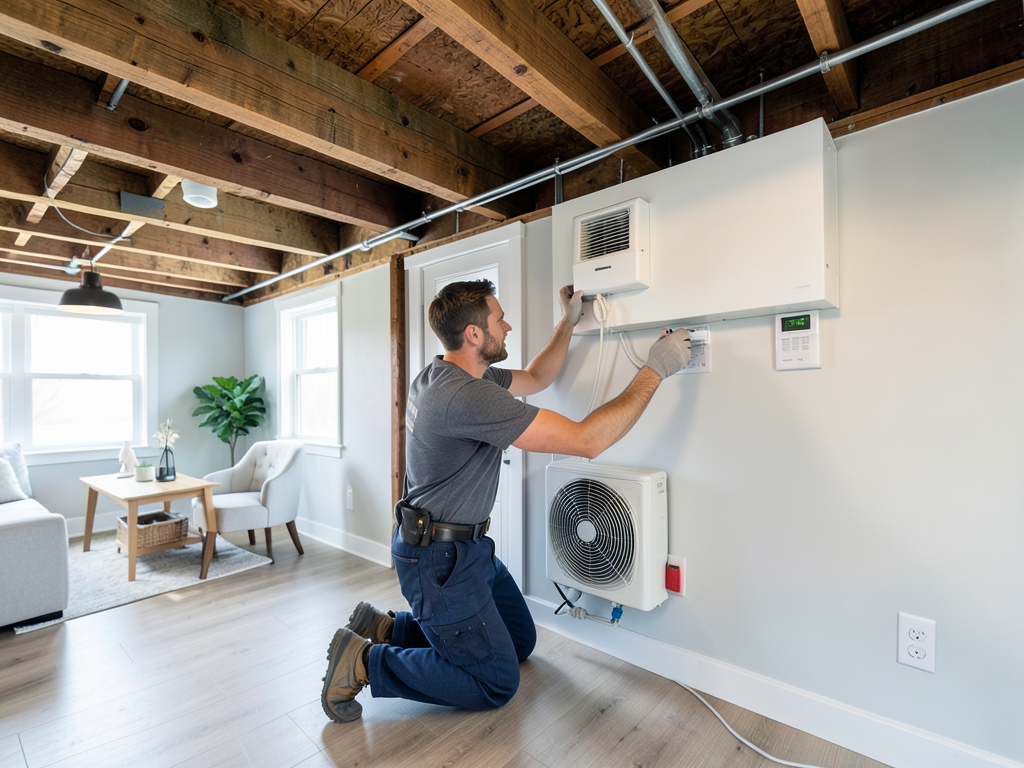
Ductless mini-splits represent the gold standard for basement heating and cooling. These systems consist of an outdoor compressor and one or more indoor air handlers. You mount the indoor units on walls or ceilings without needing ductwork.
The benefits are clear. Mini-splits provide zoned heating and cooling so you can set different temperatures for your basement versus upstairs. They operate at 20-30 SEER2 efficiency ratings which means lower energy bills. Installation takes 1-2 days and causes minimal disruption to your finished space.
In South Milwaukee’s climate, mini-splits excel because they provide both heating and cooling in one unit. Modern cold-climate models can heat effectively even when outdoor temperatures drop below zero. The built-in dehumidification helps combat the moisture issues common in local basements.
Extending Existing Ductwork
Extending your home’s existing ductwork into the basement offers a lower upfront cost option. This approach works when your current HVAC system has enough capacity to handle the additional square footage.
The process involves running new supply and return ducts from your main system to the basement. You need to consider ceiling height since ducts require space. In older South Milwaukee homes with 7-8 foot basement ceilings this can be challenging.
The main advantage is using your existing system so you don’t have multiple thermostats to manage. However, you may experience uneven heating since basements naturally stay cooler than upper floors. You also need to ensure proper return air flow to prevent negative pressure issues.
Electric Baseboard or Wall Heaters
Electric resistance heating provides a simple solution for basement heating. Baseboard heaters install along walls and plug directly into your electrical system. Wall-mounted units offer a more compact option for tight spaces.. Read more about Selecting the Right Gas or Electric Heater for Your Muskego Garage.
These systems shine in their simplicity. No ductwork required and installation takes hours not days. You can add units gradually as your budget allows. They work well for occasional basement use like home offices or guest rooms.
The downside is operating cost. Electric resistance heating costs more to run than heat pumps or gas furnaces. You also need a separate cooling solution since these only provide heat. In South Milwaukee’s climate this means adding window units or a portable AC for summer months. EPA Indoor Air Quality Basics.
Hydronic Radiant Floor Heating
Radiant floor heating transforms your basement experience. This system pumps hot water through tubes installed under your flooring. The heat radiates upward warming the entire space evenly.
The comfort level is unmatched. No cold spots or drafts. The floor stays warm underfoot which is perfect for South Milwaukee’s chilly winters. You can install it under tile, laminate, or engineered hardwood.
Installation requires removing existing flooring and adding insulation underneath. This makes it best suited for basement finishing projects. You need a boiler or water heater capable of supplying the system. While expensive upfront, radiant heat operates efficiently and adds value to your home.
Dedicated Basement Heat Pumps
Standalone heat pump systems designed specifically for basements offer another option. These compact units handle the unique load characteristics of subterranean spaces.
Heat pumps move heat rather than generate it, making them more efficient than electric resistance heating. Modern units work in cold climates, though you may need supplemental heat during polar vortex events common in Wisconsin.
The key advantage is dedicated climate control for your basement without affecting upstairs temperatures. This prevents the common problem of overheating upper floors when trying to warm a cold basement.
Managing Humidity: The Silent Requirement
Heating and cooling alone won’t solve your basement comfort issues. South Milwaukee’s high humidity creates moisture problems that affect air quality and comfort.
Basements naturally collect moisture from the surrounding soil. Add in daily activities like laundry and showers and humidity levels can soar above 70%. This leads to musty odors, mold growth, and that damp feeling even when temperatures are comfortable.
A dedicated basement dehumidifier works with your HVAC system to maintain proper humidity between 40-60%. This protects your investment in finished space and improves air quality. Some mini-split systems include dehumidification modes, but standalone units often prove more effective for persistent moisture issues.
Cost Comparison and Energy Efficiency
Understanding the cost factors helps you make the right choice for your budget and needs. Here’s how different options compare:
| System Type | Initial Cost Range | Operating Cost | Installation Time |
|---|---|---|---|
| Ductless Mini-Split | $3,500 – $7,000 | Low | 1-2 days |
| Duct Extension | $2,000 – $4,500 | Medium | 2-4 days |
| Electric Baseboard | $500 – $1,500 | High | 1 day |
| Radiant Floor | $8,000 – $15,000 | Low-Medium | 3-5 days |
| Basement Heat Pump | $4,000 – $6,000 | Low-Medium | 1-2 days |
Energy efficiency varies significantly between options. Mini-splits and heat pumps offer the best efficiency with SEER2 ratings up to 30. Electric resistance heating converts nearly 100% of electricity to heat but electricity costs more than other fuel sources. Radiant floor systems operate efficiently once installed but have high upfront costs.
Milwaukee Building Codes and Permit Requirements
Before starting any basement HVAC project in South Milwaukee, you need to understand local requirements. The Wisconsin Uniform Dwelling Code (UDC) sets minimum standards for heating and ventilation in finished spaces.
Basement bedrooms require emergency egress windows that meet specific size requirements. Your HVAC installation must provide adequate ventilation and meet combustion air requirements if you have gas appliances. Local permits ensure your installation meets safety standards and passes inspection. HVAC Inspection.
South Milwaukee follows Milwaukee County regulations for HVAC work. Most basement HVAC installations require permits regardless of the system type. Working with a licensed contractor familiar with local codes prevents costly mistakes and ensures your system operates safely.
Making the Right Choice for Your Basement
The best system depends on your specific situation. Consider these factors when making your decision:
- Usage frequency: Daily use justifies higher upfront costs for efficient systems. Occasional use might work with simpler electric heating.
- Existing HVAC capacity: If your current system struggles to heat upper floors, adding basement load could overload it.
- Finished vs unfinished: Installing during finishing allows for options like radiant floor that require floor removal.
- Moisture levels: High humidity basements need systems with strong dehumidification or dedicated dehumidifiers.
- Budget constraints: Electric baseboard offers lowest upfront cost but highest operating costs over time.
For most South Milwaukee homeowners, ductless mini-splits provide the best balance of comfort, efficiency, and installation flexibility. They handle our climate extremes while managing humidity and operating quietly in living spaces.
Professional Installation Matters
Proper sizing and installation determines system performance and longevity. A system too small won’t heat your space adequately. One too large cycles on and off frequently, reducing efficiency and comfort.
Professional load calculations consider your basement’s insulation, window area, and local climate factors. In South Milwaukee, this means accounting for lake effect temperatures and humidity levels that differ from inland areas. Professional Duct Cleaning for Better Air Quality in Menomonee Falls.
Proper installation also includes ensuring adequate return air, proper refrigerant charging, and correct condensate drainage. These details affect system efficiency and prevent problems like frozen coils or water damage.
Frequently Asked Questions
How much does it cost to heat and cool a finished basement in South Milwaukee?
Costs vary by system type. Ductless mini-splits typically cost $3,500-$7,000 installed. Electric baseboard heating costs $500-$1,500 but has higher monthly operating costs. Radiant floor heating ranges from $8,000-$15,000 but provides superior comfort.
Do I need a permit for basement HVAC installation in South Milwaukee?
Yes, most basement HVAC installations require permits in South Milwaukee. The Wisconsin UDC mandates permits for new heating and cooling systems. Working without permits can result in fines and complications when selling your home.
What size HVAC system do I need for my basement?
System size depends on your basement’s square footage, insulation levels, and local climate factors. A professional Manual J load calculation determines the exact BTU requirements. In South Milwaukee, most basements need 12,000-18,000 BTU for adequate heating and cooling.
Can I use my existing furnace to heat my finished basement?
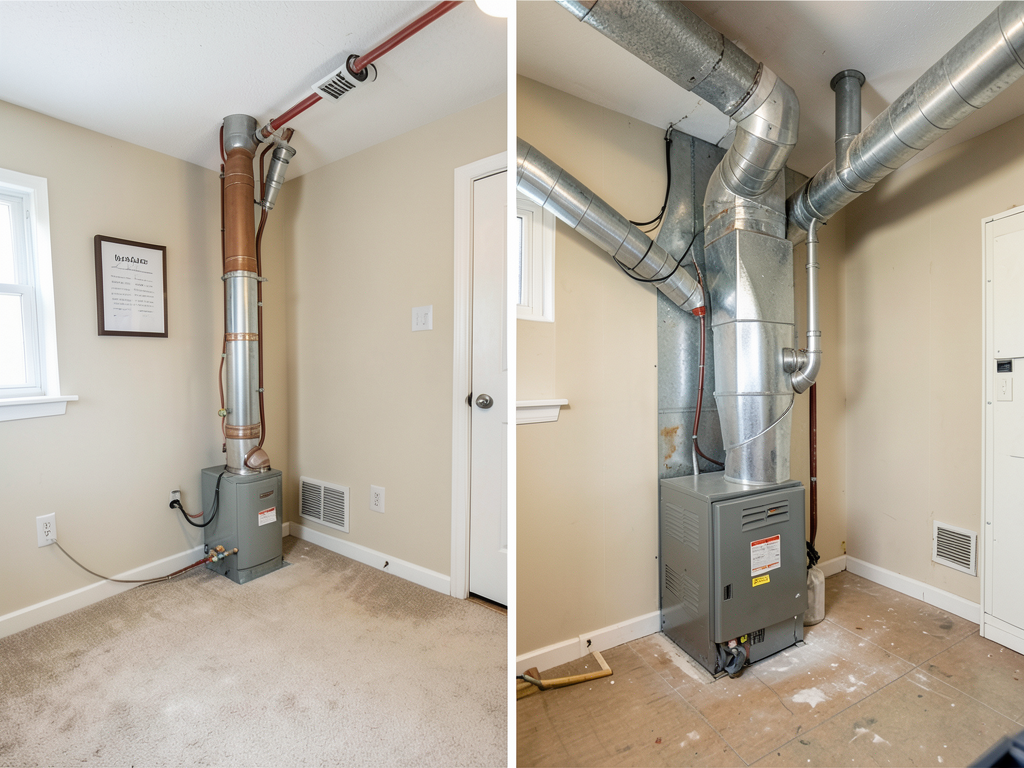
You can extend existing ductwork if your current system has enough capacity. However, many older systems in South Milwaukee homes lack the capacity for additional basement load. A professional assessment determines if your system can handle the extra demand.
How do I control humidity in my finished basement?
Combine your HVAC system with a dedicated dehumidifier. Most basements need dehumidification even during winter months due to moisture from surrounding soil. Maintain humidity between 40-60% to prevent mold growth and musty odors.
Get Professional Help for Your Basement HVAC Project
Choosing the right basement heating and cooling system requires understanding your specific needs, local climate challenges, and building code requirements. The experts at Elite Heating & Cooling Milwaukee have served South Milwaukee and surrounding areas for years, helping homeowners create comfortable, efficient basement spaces.
Don’t let another Wisconsin winter make your basement unusable. Contact Elite Heating & Cooling Milwaukee today for a free consultation. We’ll assess your space, discuss your options, and provide a detailed quote for the system that best fits your needs and budget.
Call us now at (414) 375-7888 or visit our website to schedule your appointment. Your comfortable basement is just a phone call away. For more information, visit Department of Energy Heat Pump Guide.
You may also find this helpful. Comparing Trane and Lennox AC Units for the Humid Milwaukee Summers.
You may also find this helpful. Why Whole Home Dehumidifiers Are a Game Changer for Greenfield Summers.
You may also find this helpful. Comparing Daikin and Mitsubishi Mini Splits for Your West Allis Sunroom.