
What Makes a Communicating HVAC System Different
A communicating HVAC system works like a smart nervous system for your home. Unlike traditional systems that operate on simple on/off commands the components in a communicating system constantly talk to each other. The furnace the air conditioner and the thermostat share real-time data through a serial communication protocol. This creates a level of coordination that traditional 24V systems simply cannot match.. Read more about Why the Lake Effect Makes Your Thermostat Act So Strange in Shorewood and Whitefish Bay.
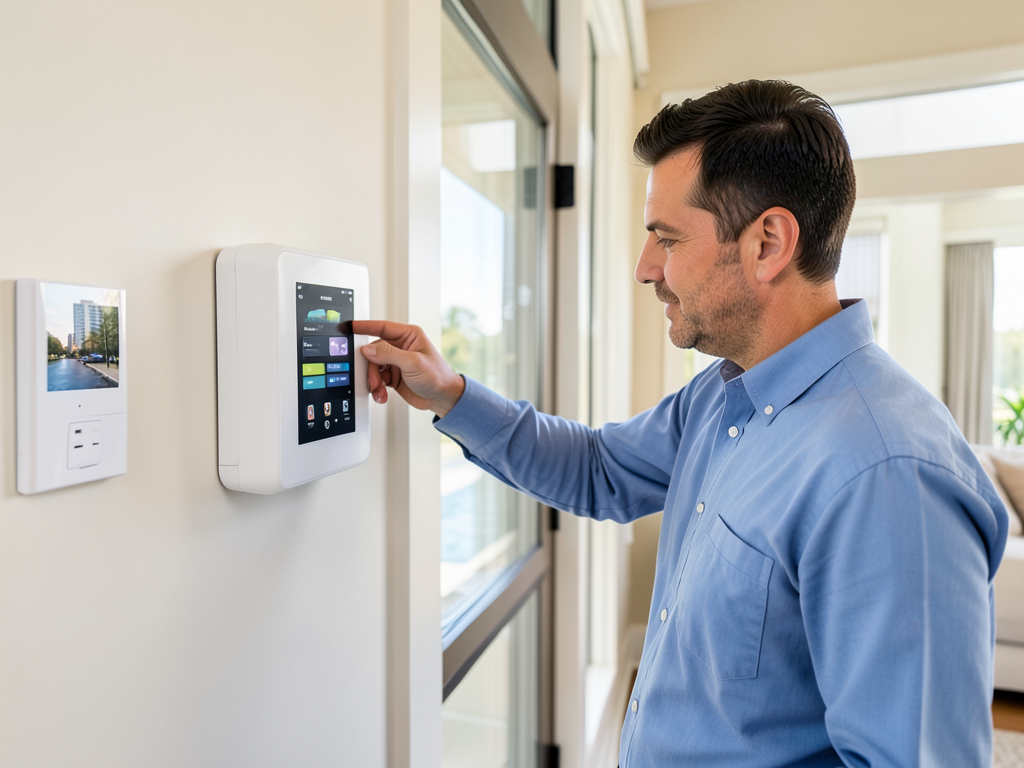
Traditional HVAC systems use basic analog signals to turn equipment on and off. A communicating system uses digital communication similar to how your smartphone connects to Wi-Fi. This allows the system to make micro-adjustments based on current conditions rather than just responding to temperature setpoints.
The Technology Behind the Communication
The core difference lies in the wiring and control architecture. A conventional system uses separate 24V wires for each function. A communicating system uses a single four-wire bus that carries all data between components. This serial communication allows for: EPA.
- Continuous monitoring of system performance
- Real-time adjustments to airflow and capacity
- Self-diagnostic capabilities that alert you to potential issues
- Integration with humidity and air quality sensors
The control board acts as the system’s brain processing data from multiple sensors. It can detect when your home needs 73 degrees versus 74 degrees and adjust accordingly. This level of precision helps maintain consistent comfort while optimizing energy use.
Key Components That Make It Work
Several specialized components work together in a communicating system. The smart thermostat serves as the user interface and primary data collector. It communicates with the furnace’s control board which manages the entire system’s operation.
Variable-speed blowers and compressors respond to the system’s commands rather than running at fixed speeds. This allows the system to deliver exactly the right amount of heating or cooling. Modulating gas valves can adjust flame intensity in 1% increments rather than just high and low.
Advanced sensors monitor temperature humidity and air quality throughout your home. These sensors feed data back to the control board which makes real-time adjustments. The system can detect when one room needs more attention than another and redistribute airflow accordingly.
Why This Matters for Bayside Luxury Homes
Bayside luxury homes often feature open floor plans large windows and high ceilings. These architectural elements create unique heating and cooling challenges. A communicating system excels at managing these complex spaces.
The system can detect hot spots near south-facing windows and cold spots near exterior walls. It automatically adjusts airflow to maintain consistent temperatures throughout your home. This means no more freezing basement bedrooms or sweltering upstairs offices.
Milwaukee’s climate presents additional challenges. Our winters bring sub-zero temperatures while summers bring high humidity. A communicating system handles both extremes efficiently. It can ramp up capacity during polar vortex events and provide superior dehumidification during muggy August days.
Performance Benefits You Can Feel
The most noticeable benefit is consistent comfort. Traditional systems create temperature swings as they cycle on and off. A communicating system maintains steady temperatures within one or two degrees of your setpoint.
Humidity control improves dramatically. The system can run the blower at lower speeds for longer periods. This allows it to remove more moisture from the air without overcooling your home. You will notice the difference on those sticky Milwaukee summer days.
Noise reduction is another major benefit. Variable-speed components operate much more quietly than traditional equipment. The system can run at whisper-quiet levels most of the time only ramping up when extreme conditions demand maximum capacity.
Energy Efficiency in the Midwest Climate
Communicating systems achieve higher efficiency ratings than conventional equipment. They can achieve SEER2 ratings above 20 and HSPF2 ratings above 10. This translates to significant energy savings especially in a climate with both heating and cooling demands.
The system’s ability to make micro-adjustments means it rarely operates at full capacity. It runs at the exact level needed to maintain comfort. This efficiency is particularly valuable in Bayside where luxury homes often have larger square footage to condition.
Many communicating systems qualify for Focus on Energy rebates in Wisconsin. These rebates can offset a significant portion of the premium cost. The energy savings combined with rebates can make the investment pay for itself within a few years. Focus on Energy.
Comparing Communicating vs. Traditional Systems
| Feature | Communicating System | Traditional System |
|---|---|---|
| Communication | Digital serial between all components | 24V analog on/off signals |
| Comfort Control | Continuous adjustment within 1-2° | Temperature swings of 4-6° |
| Humidity Management | Advanced dehumidification modes | Basic cooling-based dehumidification |
| Noise Level | Whisper-quiet operation | Noticeable cycling noise |
| Diagnostics | Real-time self-monitoring and alerts | Basic error codes only |
| Energy Use | Optimized for exact load | Fixed capacity operation |
Installation Considerations for Luxury Homes
Installing a communicating system requires specific expertise. The control board must be properly configured for your home’s unique characteristics. This includes factors like square footage ceiling height and window orientation.
Legacy ductwork may need modifications to handle the system’s advanced features. Variable-speed blowers require proper duct design to operate efficiently. The control board needs to know your home’s thermal characteristics to make accurate adjustments.
Professional load calculations become even more critical with communicating systems. The system relies on accurate data to make its micro-adjustments. An experienced HVAC contractor will perform detailed calculations considering factors like insulation levels and local climate patterns. Professional Duct Cleaning for Better Air Quality in Menomonee Falls.
Smart Home Integration
Communicating systems integrate seamlessly with modern smart home platforms. They can connect to Wi-Fi and be controlled through smartphone apps. This allows you to monitor and adjust your system from anywhere.
Many systems work with voice assistants like Amazon Alexa and Google Assistant. You can adjust temperatures check system status and receive maintenance alerts through simple voice commands. The system can also integrate with other smart devices like motorized blinds to optimize energy efficiency. The Most Trusted AC Maintenance Experts in West Allis.
Energy usage data becomes available in real-time. You can see exactly how much energy your system is using and when. This information helps you make informed decisions about temperature settings and usage patterns.
Maintenance and Longevity
The self-diagnostic features of communicating systems actually reduce maintenance needs. The system can detect when filters need changing or when performance drops. It alerts you before minor issues become major problems.
Remote diagnostics allow technicians to identify issues without a service call. They can often resolve problems through software updates or simple adjustments. This saves time and money compared to traditional troubleshooting methods. AC Service Germantown.
The advanced components in communicating systems often last longer than traditional equipment. They experience less wear and tear because they rarely operate at full capacity. The system’s ability to make precise adjustments reduces stress on all components.
Cost Considerations
Communicating systems typically cost 30-50% more than traditional systems. This premium reflects the advanced technology and sophisticated controls. However the total cost of ownership often favors communicating systems over time.
Energy savings can offset the higher initial cost within 3-5 years. The exact payback period depends on your home’s characteristics and local utility rates. Focus on Energy rebates can significantly reduce the upfront investment.
Consider the value of enhanced comfort and convenience. Luxury homeowners often prioritize these benefits over pure cost calculations. The ability to maintain perfect comfort while saving energy provides both tangible and intangible value.
Choosing the Right System for Your Bayside Home
Several manufacturers offer communicating systems including Carrier Trane Lennox and Bryant. Each uses proprietary communication protocols and control architectures. An experienced HVAC contractor can help you choose the right system for your specific needs.
Consider your home’s unique characteristics. Large open spaces high ceilings and extensive glass areas benefit most from communicating technology. Homes with complex zoning requirements also see significant advantages.
Think about your smart home goals. If you want seamless integration with other connected devices a communicating system provides the foundation. The advanced controls and connectivity options make future upgrades easier.
Is It Worth the Investment
For Bayside luxury homeowners the answer often depends on your priorities. If you value consistent comfort energy efficiency and smart home integration a communicating system delivers clear benefits. The technology has matured significantly making it more reliable and affordable than ever.
Consider the alternative. Traditional systems will continue to provide basic heating and cooling. However they cannot match the comfort precision or efficiency of communicating technology. As energy costs rise and smart home expectations grow the gap between these technologies will likely widen.
The decision ultimately comes down to your comfort expectations and budget. Many luxury homeowners find that the enhanced comfort and convenience justify the premium cost. The energy savings and potential rebates improve the long-term value proposition.
Making the Right Choice
Choosing a communicating HVAC system represents a significant investment in your home’s comfort and efficiency. The technology offers clear advantages for luxury homes in the Milwaukee area. From superior comfort control to smart home integration these systems provide benefits that traditional equipment cannot match.
Work with an experienced HVAC contractor who understands communicating technology. They can help you navigate the options and choose the right system for your specific needs. Professional installation ensures your system performs as designed providing years of reliable comfort.
The future of home comfort is communicating. As technology continues to advance these systems will become even more capable and efficient. For Bayside luxury homeowners investing in this technology now means enjoying the benefits of tomorrow’s comfort solutions today.
Frequently Asked Questions
How long does a communicating HVAC system last?
Most communicating systems last 15-20 years with proper maintenance. The advanced controls and variable-speed components often outlast traditional equipment. Regular professional maintenance helps maximize system lifespan.
Can I use my existing thermostat with a communicating system?
No. Communicating systems require proprietary smart thermostats designed for their specific communication protocols. These thermostats provide the interface needed for the system’s advanced features and diagnostics.
Are communicating systems compatible with existing ductwork?
Often yes but modifications may be needed. Variable-speed blowers require proper duct design to operate efficiently. An HVAC professional should evaluate your existing ductwork during the planning process.
What happens if the communication fails?
Most systems include fail-safe modes that allow basic heating and cooling to continue even if communication is lost. However you will lose the advanced features and efficiency benefits until the issue is resolved.
Do communicating systems require special maintenance?
They need the same basic maintenance as traditional systems plus occasional software updates. The self-diagnostic features can actually reduce maintenance needs by alerting you to issues early.
{
“@context”: “https://schema.org”,
“@type”: “BlogPosting”,
“headline”: “Why a Communicating HVAC System Is the Next Level of Comfort for Bayside Luxury Homes”,
“description”: “Discover how communicating HVAC systems transform comfort in Bayside luxury homes. Learn about smart technology benefits for Milwaukee’s climate.”,
“wordCount”: 1741,
“datePublished”: “2026-05-22T11:03:00.000Z”,
“dateModified”: “2026-05-22T11:03:00.000Z”,
“inLanguage”: “en-US”,
“mainEntityOfPage”: {
“@type”: “WebPage”,
“@id”: “https://eliteheatingandcoolingmilwaukee.com”
},
“publisher”: {
“@type”: “LocalBusiness”,
“name”: “Elite Heating and Cooling Milwaukee”,
“url”: “https://eliteheatingandcoolingmilwaukee.com”
},
“author”: {
“@type”: “Organization”,
“name”: “Elite Heating and Cooling Milwaukee”,
“url”: “https://eliteheatingandcoolingmilwaukee.com”
},
“image”: {
“@type”: “ImageObject”,
“url”: “https://eliteheatingandcoolingmilwaukee.com/wp-content/uploads/2026/03/why-a-communicating-hvac-system-is-the-next-level-1.png”
}
}
{
“@context”: “https://schema.org”,
“@type”: “HVACBusiness”,
“name”: “Elite Heating and Cooling Milwaukee”,
“url”: “https://eliteheatingandcoolingmilwaukee.com”,
“address”: {
“@type”: “PostalAddress”,
“addressLocality”: “Milwaukee”
},
“areaServed”: {
“@type”: “City”,
“name”: “Milwaukee”
}
}
{
“@context”: “https://schema.org”,
“@type”: “FAQPage”,
“mainEntity”: [
{
“@type”: “Question”,
“name”: “How long does a communicating HVAC system last?”,
“acceptedAnswer”: {
“@type”: “Answer”,
“text”: “Most communicating systems last 15-20 years with proper maintenance. The advanced controls and variable-speed components often outlast traditional equipment. Regular professional maintenance helps maximize system lifespan.”
}
},
{
“@type”: “Question”,
“name”: “Can I use my existing thermostat with a communicating system?”,
“acceptedAnswer”: {
“@type”: “Answer”,
“text”: “No. Communicating systems require proprietary smart thermostats designed for their specific communication protocols. These thermostats provide the interface needed for the system’s advanced features and diagnostics.”
}
},
{
“@type”: “Question”,
“name”: “Are communicating systems compatible with existing ductwork?”,
“acceptedAnswer”: {
“@type”: “Answer”,
“text”: “Often yes but modifications may be needed. Variable-speed blowers require proper duct design to operate efficiently. An HVAC professional should evaluate your existing ductwork during the planning process.”
}
},
{
“@type”: “Question”,
“name”: “What happens if the communication fails?”,
“acceptedAnswer”: {
“@type”: “Answer”,
“text”: “Most systems include fail-safe modes that allow basic heating and cooling to continue even if communication is lost. However you will lose the advanced features and efficiency benefits until the issue is resolved.”
}
},
{
“@type”: “Question”,
“name”: “Do communicating systems require special maintenance?”,
“acceptedAnswer”: {
“@type”: “Answer”,
“text”: “They need the same basic maintenance as traditional systems plus occasional software updates. The self-diagnostic features can actually reduce maintenance needs by alerting you to issues early.”
}
}
]
}
{
“@context”: “https://schema.org”,
“@type”: “BreadcrumbList”,
“itemListElement”: [
{
“@type”: “ListItem”,
“position”: 1,
“name”: “Home”,
“item”: “https://eliteheatingandcoolingmilwaukee.com”
},
{
“@type”: “ListItem”,
“position”: 2,
“name”: “Blog”,
“item”: “https://eliteheatingandcoolingmilwaukee.com/blog”
},
{
“@type”: “ListItem”,
“position”: 3,
“name”: “Why a Communicating HVAC System Is the Next Level of Comfort for Bayside Luxury Homes”
}
]
}
{
“@context”: “https://schema.org”,
“@type”: “Service”,
“serviceType”: “HVAC”,
“provider”: {
“@type”: “LocalBusiness”,
“name”: “Elite Heating and Cooling Milwaukee”,
“url”: “https://eliteheatingandcoolingmilwaukee.com”
},
“areaServed”: {
“@type”: “City”,
“name”: “Milwaukee”
},
“description”: “Discover how communicating HVAC systems transform comfort in Bayside luxury homes. Learn about smart technology benefits for Milwaukee’s climate.”
}