
Why the Color of Your Furnace Flame Matters for Your Family’s Safety in West Allis
If you see a yellow flame in your furnace instead of a crisp blue one you need to act fast. A yellow furnace flame signals incomplete combustion and creates a serious carbon monoxide risk for your family. This is not a minor issue. It is a warning that your heating system is not burning fuel safely.
West Allis homeowners face unique challenges during Wisconsin winters. When temperatures drop below zero a furnace failure can become life threatening within hours. That yellow flame you are seeing could be the first sign of a dangerous problem brewing inside your system. HVAC West Allis.
What Makes a Furnace Flame Turn Yellow
A healthy gas furnace produces a steady blue flame. The blue color comes from complete combustion where natural gas or propane burns efficiently with the right mix of oxygen and fuel. When that balance shifts the flame turns yellow orange or even red.
The yellow color means carbon particles are not burning completely. These particles glow yellow when heated creating that warning flame. This incomplete combustion wastes fuel and produces carbon monoxide a colorless odorless gas that can kill.
Common Causes of Yellow Furnace Flames in West Allis Homes
Several issues can cause your furnace flame to turn yellow. Here are the most frequent culprits we see in Milwaukee area homes:
- Dirty Burners
Over time burners collect dust dirt and soot. This buildup disrupts the gas flow creating an uneven flame that burns yellow instead of blue.
- Cracked Heat Exchanger
A damaged heat exchanger allows combustion gases to mix with indoor air. This creates yellow flames and releases carbon monoxide into your home.
- Blocked Air Vents
Restricted airflow starves the burner of oxygen. Without enough oxygen the gas cannot burn completely turning the flame yellow.
- Improper Gas Pressure
Too much or too little gas pressure throws off the combustion ratio. Both conditions create incomplete burning and yellow flames.
- High Humidity Levels
Milwaukee’s lake effect humidity can increase indoor moisture. This moisture interferes with combustion creating yellow flames especially in older homes.
Carbon Monoxide Poisoning Symptoms to Watch For
Carbon monoxide from a yellow flame can cause serious health problems. The symptoms often mimic the flu making detection difficult. Watch for these warning signs:
- Headache that worsens indoors
- Dizziness or confusion
- Nausea or vomiting
- Shortness of breath
- Blurred vision
- Loss of consciousness
Your home may also show signs of carbon monoxide presence. Look for excessive moisture on windows soot around vents or a stale stuffy feeling in rooms. Bay View Heat Pump Installers for Year Round Comfort and Efficiency.
Immediate Steps When You See a Yellow Flame
Time matters when you spot a yellow furnace flame. Follow these steps right away:
- Turn Off the Furnace
Switch your furnace off at the thermostat and the emergency shutoff switch.
- Ventilate Your Home
Open windows and doors to bring in fresh air. This helps clear any carbon monoxide that may have built up.
- Leave the House
Get everyone including pets outside immediately. Do not wait for symptoms to appear.
- Call for Emergency Service
Contact Elite Heating & Cooling Milwaukee at (414) 375-7888 for immediate furnace inspection. HVAC Inspection.
- Test Carbon Monoxide Detectors
Check that all CO detectors are working. Replace batteries if needed.
Why West Allis Homes Face Higher Risks
West Allis homes built between the 1950s and 1970s often have aging furnaces with heat exchangers near the end of their lifespan. The clay soil common in this area can cause foundation shifts that stress furnace components over time.
Many West Allis homes also have finished basements where furnaces operate in confined spaces. Poor ventilation in these areas can worsen combustion problems. The high humidity from Lake Michigan can also accelerate burner corrosion in older units.
Professional Inspection and Repair Process
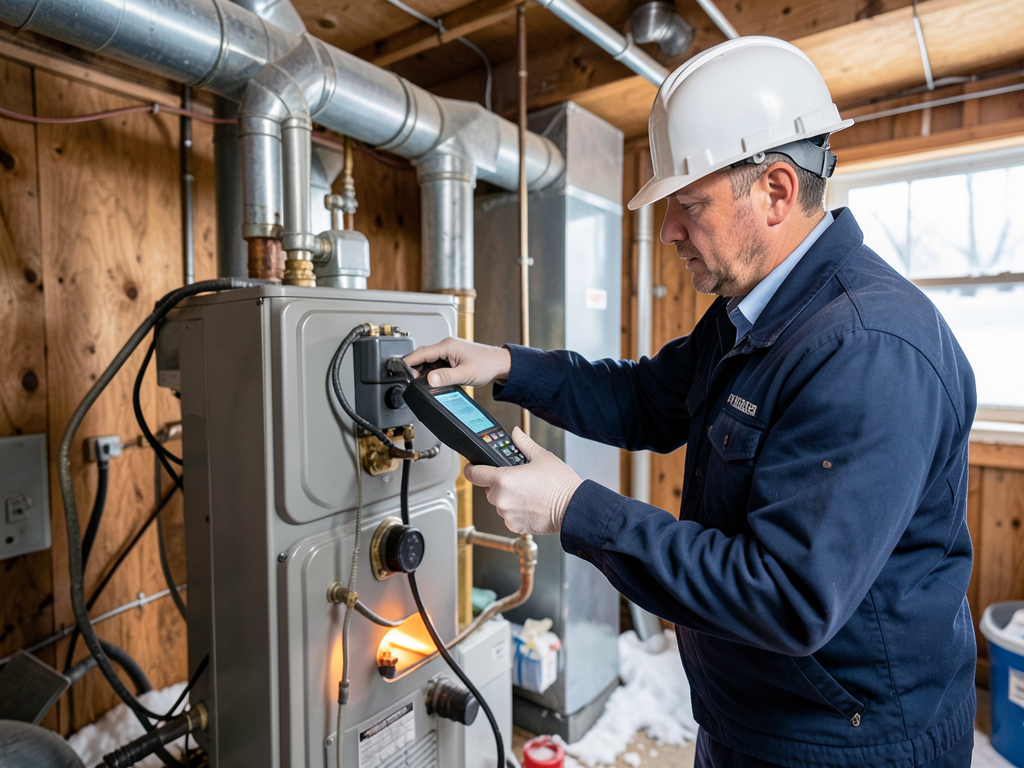
When our technicians arrive we follow a comprehensive inspection process:
| Inspection Step | What We Check | Safety Impact |
|---|---|---|
| Visual Flame Analysis | Flame color shape and stability | Identifies combustion issues immediately |
| Heat Exchanger Inspection | Cracks corrosion or damage | Detects carbon monoxide leak sources |
| Gas Pressure Testing | Input and manifold pressure levels | Ensures proper fuel air mixture |
| Burner Cleaning | Debris soot and corrosion removal | Restores complete combustion |
| Vent System Check | Blockages proper drafting | Prevents backdrafting of gases |
Prevention Through Regular Maintenance
Annual furnace maintenance prevents yellow flame problems before they start. Our comprehensive tune up includes: The Most Trusted AC Maintenance Experts in West Allis.
- Cleaning and adjusting burners for optimal combustion
- Inspecting heat exchangers with specialized cameras
- Testing carbon monoxide levels in flue gases
- Checking and calibrating gas pressure
- Cleaning flame sensors and checking ignition systems
- Testing safety controls and limit switches
Milwaukee winters demand reliable heating. A yellow flame today can become a complete system failure tomorrow. Regular maintenance costs far less than emergency repairs during a polar vortex. EPA guide to combustion appliances.
Carbon Monoxide Detector Placement Guide
Proper detector placement saves lives. Install CO detectors:
- On every level of your home
- Outside sleeping areas
- Near but not directly above fuel burning appliances
- At least 15 feet from furnaces to avoid false alarms
- In basements if your furnace is located there
Test detectors monthly and replace them every 5 to 7 years. Some newer models have end of life alerts that chirp when replacement is needed.
Cost Considerations for Repairs
The cost to fix a yellow flame varies based on the underlying problem. Simple burner cleaning typically costs between $150 and $300. Heat exchanger replacement runs $1500 to $3000 depending on your furnace model. Professional Duct Cleaning for Better Air Quality in Menomonee Falls.
Replacing an entire furnace costs $3000 to $7000 for standard efficiency models. High efficiency units cost more but save money through lower energy bills. The age and condition of your current system help determine the most cost effective solution.
Emergency repairs during winter often cost 20 to 30 percent more than scheduled service. Prevention through maintenance avoids these premium charges.
Local Building Code Requirements
Milwaukee County requires proper venting for all gas appliances. High efficiency furnaces must use PVC vent pipes that terminate at least 3 feet from any window or door.
Carbon monoxide detectors are mandatory in all Wisconsin homes with fuel burning appliances. The detectors must be hardwired with battery backup in new construction.
Our technicians ensure all repairs meet or exceed local code requirements. We handle permit applications when replacement work requires official inspection.
Warning Signs Beyond the Yellow Flame
Other symptoms often accompany yellow flames. Watch for:
- Unusual noises from your furnace
- Short cycling where the furnace turns on and off frequently
- Higher than normal utility bills
- Visible soot around vents or on walls
- Condensation on windows that persists
These signs indicate your furnace needs immediate attention even if the flame appears normal. Small problems become major failures quickly in winter.
When to Replace vs Repair
Age matters when deciding between repair and replacement. Furnaces over 15 years old often cost more to repair than replace. Consider replacement if:
- Repair costs exceed 50 percent of replacement cost
- Your furnace needs frequent repairs
- Energy bills keep rising despite maintenance
- The heat exchanger is cracked or severely corroded
Newer high efficiency furnaces can cut heating costs by 20 to 30 percent. The energy savings often offset the higher initial cost within 5 to 7 years.
Emergency Service Availability
Furnace problems rarely happen at convenient times. Elite Heating & Cooling Milwaukee offers 24/7 emergency service throughout West Allis and surrounding areas.
Our technicians arrive fully stocked to handle most repairs in a single visit. We prioritize safety issues like yellow flames and carbon monoxide risks above all other service calls.
Call (414) 375-7888 anytime day or night. We respond within two hours for emergency calls in most of Milwaukee County.
Protecting Your Family This Winter
Your family’s safety depends on a properly functioning furnace. A yellow flame is not a minor issue to ignore. It is a warning sign that demands immediate action.
Regular maintenance prevents most yellow flame problems. Our annual service plans include priority scheduling and discounted rates for repairs.
Do not wait for a complete system failure. If you see a yellow flame turn off your furnace and call us right away. Your family’s safety is worth the call.
Frequently Asked Questions
Why is my furnace flame yellow instead of blue?
A yellow flame means incomplete combustion. This happens when the gas air mixture is wrong due to dirty burners blocked vents or a cracked heat exchanger. The yellow color comes from glowing carbon particles that should burn completely.
Is a yellow furnace flame dangerous?
Yes. A yellow flame produces carbon monoxide and wastes fuel. It indicates your furnace is not operating safely. Turn it off immediately and call a professional.
How much does it cost to fix a yellow furnace flame?
Simple fixes like burner cleaning cost $150 to $300. Heat exchanger replacement runs $1500 to $3000. Complete furnace replacement costs $3000 to $7000. Emergency service adds premium charges.
How often should I have my furnace inspected?
Annual maintenance before heating season starts prevents most problems. Older furnaces may need twice yearly inspections. Regular maintenance extends system life and prevents emergency breakdowns.
What should I do if my carbon monoxide detector goes off?
Leave your home immediately. Call 911 from outside. Do not reenter until emergency responders say it is safe. Have your furnace inspected before using it again. For more information, visit CDC carbon monoxide poisoning information.
You may also find this helpful. Beyond the Alarm — Understanding How Your Furnace Impacts Carbon Monoxide Safety in Wauwatosa.
{
“@context”: “https://schema.org”,
“@type”: “BlogPosting”,
“headline”: “Why the Color of Your Furnace Flame Matters for Your Family’s Safety in West Allis”,
“description”: “A yellow furnace flame signals danger. Learn why incomplete combustion threatens your West Allis home and how to protect your family from carbon monoxide risks.”,
“wordCount”: 1584,
“datePublished”: “2026-05-23T09:46:00.000Z”,
“dateModified”: “2026-05-23T09:46:00.000Z”,
“inLanguage”: “en-US”,
“mainEntityOfPage”: {
“@type”: “WebPage”,
“@id”: “https://eliteheatingandcoolingmilwaukee.com”
},
“publisher”: {
“@type”: “LocalBusiness”,
“name”: “Elite Heating and Cooling Milwaukee”,
“url”: “https://eliteheatingandcoolingmilwaukee.com”
},
“author”: {
“@type”: “Organization”,
“name”: “Elite Heating and Cooling Milwaukee”,
“url”: “https://eliteheatingandcoolingmilwaukee.com”
},
“image”: {
“@type”: “ImageObject”,
“url”: “https://eliteheatingandcoolingmilwaukee.com/wp-content/uploads/2026/03/why-the-color-of-your-furnace-flame-matters-for-yo-1.png”
}
}
{
“@context”: “https://schema.org”,
“@type”: “HVACBusiness”,
“name”: “Elite Heating and Cooling Milwaukee”,
“url”: “https://eliteheatingandcoolingmilwaukee.com”,
“address”: {
“@type”: “PostalAddress”,
“addressLocality”: “Milwaukee”
},
“areaServed”: {
“@type”: “City”,
“name”: “Milwaukee”
}
}
{
“@context”: “https://schema.org”,
“@type”: “FAQPage”,
“mainEntity”: [
{
“@type”: “Question”,
“name”: “Why is my furnace flame yellow instead of blue?”,
“acceptedAnswer”: {
“@type”: “Answer”,
“text”: “A yellow flame means incomplete combustion. This happens when the gas air mixture is wrong due to dirty burners blocked vents or a cracked heat exchanger. The yellow color comes from glowing carbon particles that should burn completely.”
}
},
{
“@type”: “Question”,
“name”: “Is a yellow furnace flame dangerous?”,
“acceptedAnswer”: {
“@type”: “Answer”,
“text”: “Yes. A yellow flame produces carbon monoxide and wastes fuel. It indicates your furnace is not operating safely. Turn it off immediately and call a professional.”
}
},
{
“@type”: “Question”,
“name”: “How much does it cost to fix a yellow furnace flame?”,
“acceptedAnswer”: {
“@type”: “Answer”,
“text”: “Simple fixes like burner cleaning cost $150 to $300. Heat exchanger replacement runs $1500 to $3000. Complete furnace replacement costs $3000 to $7000. Emergency service adds premium charges.”
}
},
{
“@type”: “Question”,
“name”: “How often should I have my furnace inspected?”,
“acceptedAnswer”: {
“@type”: “Answer”,
“text”: “Annual maintenance before heating season starts prevents most problems. Older furnaces may need twice yearly inspections. Regular maintenance extends system life and prevents emergency breakdowns.”
}
},
{
“@type”: “Question”,
“name”: “What should I do if my carbon monoxide detector goes off?”,
“acceptedAnswer”: {
“@type”: “Answer”,
“text”: “Leave your home immediately. Call 911 from outside. Do not reenter until emergency responders say it is safe. Have your furnace inspected before using it again. For more information, visit CDC carbon monoxide poisoning information.”
}
}
]
}
{
“@context”: “https://schema.org”,
“@type”: “HowTo”,
“name”: “Diagnosing Yellow Furnace Flames”,
“step”: [
{
“@type”: “HowToStep”,
“position”: 1,
“name”: “Dirty Burners”,
“text”: “Over time burners collect dust dirt and soot. This buildup disrupts the gas flow creating an uneven flame that burns yellow instead of blue.”
},
{
“@type”: “HowToStep”,
“position”: 2,
“name”: “Cracked Heat Exchanger”,
“text”: “A damaged heat exchanger allows combustion gases to mix with indoor air. This creates yellow flames and releases carbon monoxide into your home.”
},
{
“@type”: “HowToStep”,
“position”: 3,
“name”: “Blocked Air Vents”,
“text”: “Restricted airflow starves the burner of oxygen. Without enough oxygen the gas cannot burn completely turning the flame yellow.”
},
{
“@type”: “HowToStep”,
“position”: 4,
“name”: “Improper Gas Pressure”,
“text”: “Too much or too little gas pressure throws off the combustion ratio. Both conditions create incomplete burning and yellow flames.”
},
{
“@type”: “HowToStep”,
“position”: 5,
“name”: “High Humidity Levels”,
“text”: “Milwaukee’s lake effect humidity can increase indoor moisture. This moisture interferes with combustion creating yellow flames especially in older homes.”
}
],
“image”: “https://eliteheatingandcoolingmilwaukee.com/wp-content/uploads/2026/03/why-the-color-of-your-furnace-flame-matters-for-yo-1.png”
}
{
“@context”: “https://schema.org”,
“@type”: “BreadcrumbList”,
“itemListElement”: [
{
“@type”: “ListItem”,
“position”: 1,
“name”: “Home”,
“item”: “https://eliteheatingandcoolingmilwaukee.com”
},
{
“@type”: “ListItem”,
“position”: 2,
“name”: “Blog”,
“item”: “https://eliteheatingandcoolingmilwaukee.com/blog”
},
{
“@type”: “ListItem”,
“position”: 3,
“name”: “Why the Color of Your Furnace Flame Matters for Your Family’s Safety in West Allis”
}
]
}
{
“@context”: “https://schema.org”,
“@type”: “Service”,
“serviceType”: “HVAC”,
“provider”: {
“@type”: “LocalBusiness”,
“name”: “Elite Heating and Cooling Milwaukee”,
“url”: “https://eliteheatingandcoolingmilwaukee.com”
},
“areaServed”: {
“@type”: “City”,
“name”: “Milwaukee”
},
“description”: “A yellow furnace flame signals danger. Learn why incomplete combustion threatens your West Allis home and how to protect your family from carbon monoxide risks.”
}