
Why Your Attic HVAC System Needs a Secondary Drain Pan Before Summer Hits in Franklin
Your air conditioner creates water every time it runs. In Franklin’s humid summers, that moisture adds up fast. When your AC sits in the attic, that water can become a disaster waiting to happen.. Read more about The Best Ways to Heat and Cool a Finished Attic in Your Historic Milwaukee Home.
Most homeowners don’t think about their AC until it stops cooling. But attic installations carry a hidden risk: a single clogged drain line can send gallons of water pouring through your ceiling before you even know there’s a problem.
A secondary drain pan acts as your last line of defense. It catches water when the primary system fails, protecting your home from thousands of dollars in damage.
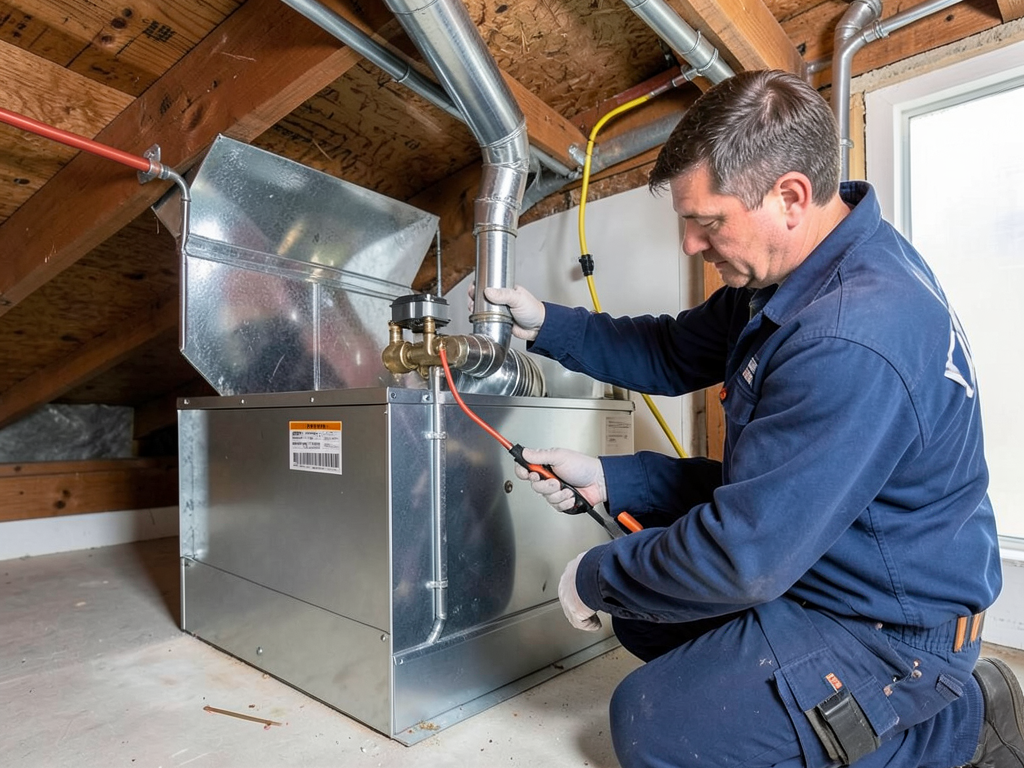
How Your AC Creates Water (And Why Franklin Homes Are at Risk)
Your air conditioner doesn’t just cool air—it dehumidifies it. Here’s what happens inside your system:
Warm, humid air from your home passes over the evaporator coil. This coil contains cold refrigerant that absorbs heat from the air. As the air cools, moisture condenses on the cold surface—just like water droplets form on a cold glass of lemonade on a hot day.
In Franklin’s climate, this process produces significant water. A typical 3-ton AC unit can generate 5-10 gallons of condensate on a humid summer day. That water needs somewhere to go.
The primary drain pan sits directly under the evaporator coil. A drain line carries water outside your home. But when that line clogs with algae, dirt, or debris, water backs up into the primary pan.
Most primary pans are made of galvanized steel or plastic. Steel pans rust through over time. Plastic pans crack from age and temperature changes. Once compromised, they can’t hold water.
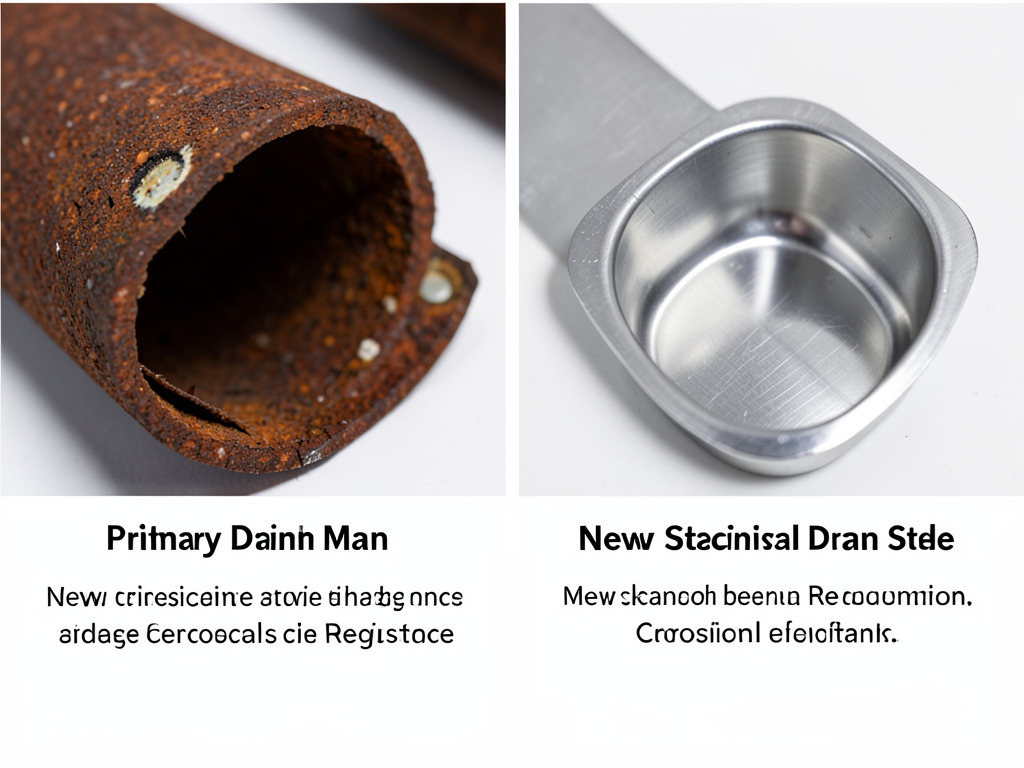
Primary vs. Secondary Drain Pans: Understanding the Two-Tier System
The primary drain pan handles normal operation. It’s built into the unit and designed for everyday condensate flow.
The secondary drain pan sits underneath the entire air handler. It’s your emergency backup system. Think of it like having both a main parachute and a reserve chute when skydiving.
Secondary pans are typically larger and made from heavier materials. Many are stainless steel or reinforced plastic designed to last 15-20 years. They include a built-in drain line that runs to a conspicuous location—often outside a window or near the front door.
Here’s the critical difference: The secondary pan should stay dry during normal operation. If you see water in it, that means your primary system has already failed.
Some secondary pans come with integrated float switches. These safety devices detect rising water and automatically shut off your AC before overflow occurs. It’s like having a circuit breaker for water damage.
3 Major Risks of Skipping a Secondary Pan
1. Costly Ceiling and Drywall Damage
Water follows gravity. When your attic AC leaks, that water travels through your ceiling materials. Drywall absorbs moisture like a sponge, causing it to sag, bubble, and eventually collapse.
Repair costs add up quickly:
- Drywall replacement: $400-800 per room
- Ceiling texture matching: $200-400
- Paint and finishing: $300-600
- Electrical repairs if fixtures get wet: $150-300
That’s $1,000-2,000 in repairs for what could have been prevented with a $200-300 secondary pan installation. EPA Mold Information.
2. Hidden Mold Growth and Indoor Air Quality
Franklin’s humid climate creates perfect conditions for mold when water damage occurs. Mold can start growing within 24-48 hours of water exposure.
Attic spaces often hide water damage for weeks or months. By the time you notice stains on your ceiling, mold may already be thriving in your insulation and ceiling materials.
Common mold types in water-damaged homes include:
- Stachybotrys (black mold)
- Aspergillus
- Penicillium
Mold remediation costs range from $500 for small areas to $6,000+ for whole-room contamination. The health impacts—respiratory issues, allergies, and other symptoms—can be even more costly.
3. Structural Integrity of Attic Joists
Water doesn’t just damage what you can see. Prolonged exposure weakens wooden structures in your attic.
Attic joists support your ceiling and roof. When they stay wet, they rot from the inside out. This process can take months, but the damage becomes permanent.
Signs of structural water damage include:
- Sagging ceilings
- Cracks in drywall corners
- Doors that won’t close properly
- Visible warping in ceiling joists
Structural repairs often cost $3,000-8,000 and require professional inspection to ensure your home remains safe. Professional Duct Cleaning for Better Air Quality in Menomonee Falls.
The Essential ‘Float Switch’ Add-on
A secondary drain pan works best when paired with a float switch. This simple device monitors water level in the secondary pan.
When water rises to a dangerous level, the float switch triggers your AC to shut down. It cuts power to the compressor, stopping condensate production immediately.
Common float switch types include:
- SS2 switches: Basic on/off control
- SS3 switches: Multiple level detection
- Electronic switches: Digital monitoring with alarm outputs
Installation typically takes 30-60 minutes and costs $150-250 including parts and labor. The switch connects to your thermostat wiring, so your AC won’t restart until the water issue is resolved.
Some advanced systems include Wi-Fi enabled switches that send alerts to your phone when they activate. This feature lets you call for service before returning home to find water damage. AC Service Germantown.
Milwaukee Building Codes and HVAC Standards
Wisconsin Uniform Dwelling Code (UDC) requires secondary drain pans for attic-mounted HVAC equipment in most jurisdictions. The code aims to prevent exactly the type of damage we’ve described.
Key requirements include:
- Secondary pans must be water-tight and corrosion-resistant
- Drain lines must terminate in visible locations
- Pans must be at least 1.5 inches deep
- Materials must withstand temperatures from -20°F to 150°F
Franklin and other Milwaukee suburbs often adopt these state standards with local amendments. Some areas require float switches on all new installations or replacements.
Building inspectors check for secondary pan compliance during final inspections. Missing this component can result in failed inspections and costly callbacks. HVAC Inspection.
Cost Comparison: Prevention vs. Repair
Secondary Pan Installation
- Basic stainless steel pan: $150-250
- Professional installation: $100-200
- Float switch addition: $150-250
- Total investment: $400-700
Water Damage Repair
- Minor ceiling damage: $1,000-2,000
- Moderate damage with mold: $2,500-5,000
- Major structural damage: $5,000-10,000
- Insurance deductible (typical): $1,000-2,500
The math is clear. A $500 investment prevents potential $5,000-10,000 in damages. Plus, you avoid the hassle of insurance claims, temporary housing during repairs, and the stress of unexpected home emergencies.
Maintenance Tips for Your Secondary Drain System
Even with a secondary pan installed, regular maintenance keeps your system working properly. The Most Trusted AC Maintenance Experts in West Allis.
Check the secondary pan every spring before cooling season. Look for:
- Standing water (indicates primary system failure)
- Rust spots or corrosion
- Cracks or damage to the pan
- Blocked drain line at the termination point
Clean the primary drain line annually. Pour a cup of white vinegar through the line every few months to prevent algae growth. This simple step prevents most clogs that lead to overflow.
Test your float switch annually. Pour water into the secondary pan and verify the AC shuts off. If it doesn’t, the switch needs replacement.
Consider scheduling professional maintenance in early spring. A technician can inspect all drain components, clean coils, and ensure your system is ready for Milwaukee’s humid summer months.
Don’t Wait Until It’s Too Late
Franklin homeowners know our summers bring humidity that pushes AC systems to their limits. Your attic HVAC installation needs protection before the first heat wave hits.
A secondary drain pan costs less than your insurance deductible. It prevents damage that could make parts of your home unlivable during repairs. Most importantly, it gives you peace of mind knowing your home is protected.
Installation takes just a few hours. Most homeowners schedule it during routine maintenance visits. The small investment now prevents major headaches later.
Call Elite Heating & Cooling Milwaukee at (414) 375-7888 to schedule your secondary drain pan installation. Our technicians serve Franklin and all surrounding Milwaukee communities with fast, reliable service. Bay View Heat Pump Installers for Year Round Comfort and Efficiency.
Don’t let a simple clog turn into a ceiling collapse. Protect your home before summer humidity arrives.
Frequently Asked Questions
How do I know if my attic AC already has a secondary drain pan?
Look in your attic around the air handler. A secondary pan is typically a large, shallow tray underneath the entire unit. It may have a separate drain line running to an outside wall or window. If you’re unsure, a professional inspection can verify your system’s protection level.
Can I install a secondary drain pan myself?
While DIY installation is possible, professional installation ensures proper sizing, sealing, and connection to your existing system. HVAC technicians also verify that float switches work correctly and that drain lines terminate in appropriate locations per code requirements.
How often should I check my secondary drain pan?
Check it annually before cooling season begins. Also inspect it if you notice any water stains on your ceiling or if your AC isn’t cooling properly. Regular checks help you catch problems before they cause damage.
Will a secondary drain pan affect my AC’s efficiency?
No. A properly installed secondary pan has no impact on your system’s cooling performance. It simply provides protection in case the primary drain system fails. For more information, visit IICRC Water Damage Restoration Standards.
{
“@context”: “https://schema.org”,
“@type”: “BlogPosting”,
“headline”: “Why Your Attic HVAC System Needs a Secondary Drain Pan Before Summer Hits in Franklin”,
“description”: “Prevent costly water damage in your Franklin home. Learn why attic AC systems need secondary drain pans before Milwaukee’s humid summer season.”,
“wordCount”: 1546,
“datePublished”: “2026-05-26T06:36:00.000Z”,
“dateModified”: “2026-05-26T06:36:00.000Z”,
“inLanguage”: “en-US”,
“mainEntityOfPage”: {
“@type”: “WebPage”,
“@id”: “https://eliteheatingandcoolingmilwaukee.com”
},
“publisher”: {
“@type”: “LocalBusiness”,
“name”: “Elite Heating and Cooling Milwaukee”,
“url”: “https://eliteheatingandcoolingmilwaukee.com”
},
“author”: {
“@type”: “Organization”,
“name”: “Elite Heating and Cooling Milwaukee”,
“url”: “https://eliteheatingandcoolingmilwaukee.com”
},
“image”: {
“@type”: “ImageObject”,
“url”: “https://eliteheatingandcoolingmilwaukee.com/wp-content/uploads/2026/03/why-your-attic-hvac-system-needs-a-secondary-drain-1.png”
}
}
{
“@context”: “https://schema.org”,
“@type”: “HVACBusiness”,
“name”: “Elite Heating and Cooling Milwaukee”,
“url”: “https://eliteheatingandcoolingmilwaukee.com”,
“address”: {
“@type”: “PostalAddress”,
“addressLocality”: “Milwaukee”
},
“areaServed”: {
“@type”: “City”,
“name”: “Milwaukee”
}
}
{
“@context”: “https://schema.org”,
“@type”: “FAQPage”,
“mainEntity”: [
{
“@type”: “Question”,
“name”: “How do I know if my attic AC already has a secondary drain pan?”,
“acceptedAnswer”: {
“@type”: “Answer”,
“text”: “Look in your attic around the air handler. A secondary pan is typically a large, shallow tray underneath the entire unit. It may have a separate drain line running to an outside wall or window. If you’re unsure, a professional inspection can verify your system’s protection level.”
}
},
{
“@type”: “Question”,
“name”: “Can I install a secondary drain pan myself?”,
“acceptedAnswer”: {
“@type”: “Answer”,
“text”: “While DIY installation is possible, professional installation ensures proper sizing, sealing, and connection to your existing system. HVAC technicians also verify that float switches work correctly and that drain lines terminate in appropriate locations per code requirements.”
}
},
{
“@type”: “Question”,
“name”: “Will a secondary drain pan affect my AC’s efficiency?”,
“acceptedAnswer”: {
“@type”: “Answer”,
“text”: “No. A properly installed secondary pan has no impact on your system’s cooling performance. It simply provides protection in case the primary drain system fails. For more information, visit IICRC Water Damage Restoration Standards.”
}
}
]
}
{
“@context”: “https://schema.org”,
“@type”: “BreadcrumbList”,
“itemListElement”: [
{
“@type”: “ListItem”,
“position”: 1,
“name”: “Home”,
“item”: “https://eliteheatingandcoolingmilwaukee.com”
},
{
“@type”: “ListItem”,
“position”: 2,
“name”: “Blog”,
“item”: “https://eliteheatingandcoolingmilwaukee.com/blog”
},
{
“@type”: “ListItem”,
“position”: 3,
“name”: “Why Your Attic HVAC System Needs a Secondary Drain Pan Before Summer Hits in Franklin”
}
]
}
{
“@context”: “https://schema.org”,
“@type”: “Service”,
“serviceType”: “HVAC”,
“provider”: {
“@type”: “LocalBusiness”,
“name”: “Elite Heating and Cooling Milwaukee”,
“url”: “https://eliteheatingandcoolingmilwaukee.com”
},
“areaServed”: {
“@type”: “City”,
“name”: “Milwaukee”
},
“description”: “Prevent costly water damage in your Franklin home. Learn why attic AC systems need secondary drain pans before Milwaukee’s humid summer season.”
}