
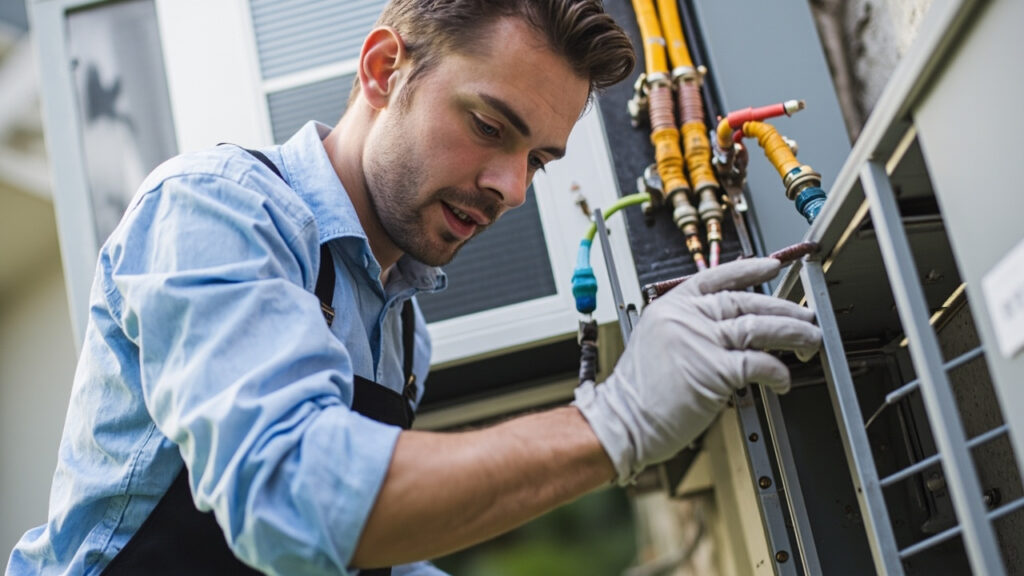
Why Your Lakefront Home in Port Washington Needs a Specialized Corrosion Resistant AC Unit
Your Port Washington lakefront home faces a hidden threat that most homeowners never consider until it’s too late. The combination of Lake Michigan’s salt spray, high humidity, and seasonal temperature swings creates a perfect storm for air conditioner corrosion that can destroy your cooling system years before its expected lifespan.
Lake Michigan’s influence extends far beyond beautiful sunsets and beach access. The moisture-laden air carries microscopic salt particles that settle on your outdoor AC unit’s coils and components. When combined with industrial pollutants common in southeastern Wisconsin and the road salt that coats everything during winter months, these elements create galvanic corrosion that eats away at your system from the outside in.. Read more about How to Properly Winterize Your Outdoor AC Unit in Thiensville Without Damaging It.
Most standard AC units aren’t designed to withstand this unique environmental assault. They work fine in inland areas but fail prematurely when exposed to the continuous moisture and salt exposure that Port Washington residents experience daily. The result is reduced efficiency, higher energy bills, and eventual system failure that leaves you without cooling during the hottest summer days.
How Lake Michigan Creates the Perfect Corrosion Environment
Lake Michigan’s massive surface area generates constant evaporation that creates a humid microclimate around Port Washington. This humidity doesn’t just make summer uncomfortable. It provides the moisture necessary for corrosion to occur continuously on metal surfaces.
The salt content in Lake Michigan varies by location and season but averages around 0.05% salinity. While this seems low compared to ocean water, it’s enough to cause significant damage over time. Salt particles become airborne through wave action and wind, traveling several miles inland before settling on surfaces.
Winter adds another layer of complexity. Road salt used to melt ice and snow creates a fine aerosol that can travel up to a quarter-mile from highways. Port Washington’s proximity to I-43 means your AC unit gets coated with this corrosive mixture every time you drive on treated roads.
Temperature fluctuations in our region create expansion and contraction cycles that accelerate corrosion. When metal heats up during summer operation and then cools rapidly during evening thunderstorms, microscopic cracks form in protective coatings. These cracks allow moisture and salt to penetrate deeper into the metal structure.
The Science Behind AC Corrosion in Coastal Environments
Understanding why standard AC units fail in Port Washington requires knowing about two main corrosion types that affect outdoor equipment. Formicary corrosion creates tiny pinholes in copper coils that are invisible to the naked eye but cause refrigerant leaks. Galvanic corrosion occurs when dissimilar metals in your AC system create electrical currents that accelerate metal breakdown.. Read more about What a Low Refrigerant Level Actually Means for Your Cooling System in Jackson Park.
Copper coils are particularly vulnerable to formicary corrosion. The thin walls of modern high-efficiency coils can develop microscopic tunnels that allow refrigerant to escape. Once this process starts, the leak typically worsens rapidly, requiring either expensive coil replacement or complete system replacement.
Galvanic corrosion happens when aluminum fins on condenser coils contact copper tubing. The electrical potential difference between these metals causes accelerated deterioration at their contact points. This process speeds up dramatically in the presence of salt and moisture, which act as electrolytes that facilitate the electrical current flow.
Industrial pollutants from Milwaukee’s manufacturing sector add another corrosion factor. Sulfur compounds and other chemicals in the air combine with moisture to form acids that eat through protective coatings. Port Washington’s position downwind from industrial areas means these pollutants reach your AC unit regularly.
Key Features That Make AC Units Corrosion Resistant
Corrosion resistant AC units incorporate several design elements that standard models lack. The most critical feature is the coil coating system. Coastal-grade units use specialized epoxy or phenolic coatings that create a barrier between metal surfaces and corrosive elements.
Blygold and Heresite are two leading coating manufacturers that HVAC companies use to protect coils. These coatings bond at the molecular level with metal surfaces, creating a flexible barrier that resists cracking during temperature changes. The best coatings maintain flexibility at temperatures from -40°F to 200°F, ensuring year-round protection.
Hardware selection makes a significant difference in corrosion resistance. Stainless steel bolts, screws, and mounting brackets resist rust much better than standard galvanized steel hardware. Some premium units use titanium-enhanced components that virtually eliminate corrosion concerns.
Fin design impacts corrosion resistance as well. Louvered fins provide better heat transfer but trap moisture and debris more easily than spiral or plate fins. Corrosion resistant units often use enhanced fin designs that promote water runoff while maintaining efficient heat exchange.
Cabinet construction matters for overall system protection. Galvanized steel cabinets with powder-coated finishes resist rust better than painted steel. Some manufacturers offer aluminum or composite cabinets that never rust, though these typically cost more upfront.
Comparing Top Corrosion Resistant AC Brands
Several manufacturers offer coastal-grade AC units specifically designed for harsh environments. Carrier’s WeatherShield series includes units with enhanced corrosion protection features. These units use proprietary Omniguard™ Total Corrosion Protection System that provides superior coil protection.
Trane offers the Hyperion™ series with coastal options that include enhanced coil coatings and stainless steel hardware. Their XL15i and XV20i models can be configured with coastal packages that add years to expected lifespan in corrosive environments.. Read more about Comparing Trane and Lennox AC Units for the Humid Milwaukee Summers.
Rheem and Ruud manufacture units with proprietary coatings that resist salt spray and industrial pollutants. Their Prestige Series includes models with enhanced protection suitable for lakefront properties. These units typically cost 15-20% more than standard models but offer significantly longer lifespans.
Lennox provides the Elite Series with coastal-grade options that include enhanced coil protection and upgraded hardware. Their units feature precision-engineered components that maintain efficiency even with protective coatings that slightly reduce heat transfer.
Goodman and Amana offer budget-friendly corrosion resistant options that provide basic protection without premium features. These units work well for homeowners who want some protection without the highest price tag.
Cost-Benefit Analysis for Port Washington Homeowners
The upfront cost difference between standard and corrosion resistant AC units typically ranges from $800 to $2,500 depending on size and features. However, this premium often pays for itself through extended equipment life and reduced maintenance costs.
Standard AC units in Port Washington environments typically last 8-12 years before requiring major repairs or replacement. Corrosion resistant units can last 15-20 years with proper maintenance. This extended lifespan means you might only need to purchase one corrosion resistant unit instead of two standard units over a 20-year period.
Energy efficiency also improves with corrosion resistant units. As standard units corrode, their efficiency drops by 2-3% annually. This means higher energy bills that compound over time. Corrosion resistant units maintain their rated efficiency much longer, saving $50-150 annually on cooling costs.
Repair frequency decreases significantly with corrosion resistant units. Standard units often need capacitor replacements, fan motor repairs, and coil cleaning every 2-3 years in harsh environments. Corrosion resistant units typically need these services every 4-5 years, reducing maintenance costs by 40-60%.
Property values can benefit from corrosion resistant installations. Home inspectors and potential buyers recognize the value of equipment designed for local conditions. This can translate to faster sales and better offers when you decide to sell your Port Washington home.
Milwaukee Area Installation Standards and Requirements
Installing corrosion resistant AC units in Port Washington requires understanding local building codes and manufacturer specifications. Wisconsin’s Uniform Dwelling Code mandates specific installation practices that affect corrosion resistance and system performance.
Proper mounting height prevents snow accumulation and water pooling around the unit. Milwaukee County requires outdoor units to be mounted at least 12 inches above grade on concrete pads or approved mounting systems. This elevation prevents moisture wicking and reduces exposure to ground-level salt and debris.
Electrical connections need special attention in corrosive environments. Sealed conduit systems and corrosion resistant connectors prevent moisture intrusion that can cause short circuits and equipment failure. Local codes require specific grounding methods that enhance system protection.
Clearance requirements ensure proper airflow and prevent debris accumulation. Milwaukee building codes specify minimum distances from walls, fences, and other structures. These clearances allow for adequate ventilation and make maintenance access easier.
Permitting requirements in Port Washington and surrounding areas include specific documentation for coastal-grade equipment. Contractors must provide manufacturer specifications and installation guidelines to ensure compliance with local regulations.
Maintenance Strategies for Maximum Corrosion Protection
Even the best corrosion resistant AC units need regular maintenance to achieve maximum lifespan. Professional coil cleaning should occur annually, typically in spring before cooling season begins. This cleaning removes salt deposits, industrial pollutants, and biological growth that can compromise protective coatings.
Coil cleaning methods vary by coating type. Some protective coatings require gentle cleaning with specialized solutions that won’t damage the protective layer. High-pressure washing can strip coatings from coils, reducing their effectiveness and potentially voiding warranties.
Electrical component inspection helps prevent corrosion-related failures. Terminals, contactors, and capacitors all contain metal parts that can corrode in harsh environments. Annual inspection and cleaning of these components prevents unexpected failures during peak cooling season.
Fan blade inspection and balancing ensure efficient operation. Corroded or unbalanced fan blades reduce airflow and increase energy consumption. They can also cause vibration that accelerates wear on other components.
Drain line maintenance prevents moisture-related issues inside your home. Algae growth and debris accumulation in condensate drain lines can cause water backup and potential water damage. Regular cleaning and treatment prevent these problems.
Local Case Studies: Success Stories in Port Washington
The Johnson family on Grand Avenue installed a Carrier WeatherShield unit three years ago after their previous standard unit failed after just six years. Their new unit shows no signs of corrosion despite being exposed to the same harsh conditions. Energy bills dropped by 18% and they haven’t needed any repairs since installation.
A commercial property on Wisconsin Street replaced three standard rooftop units with coastal-grade models from Trane. The property manager reports zero maintenance calls in the first two years compared to quarterly service calls on the previous units. The premium paid for the better units was recovered through reduced maintenance costs in less than three years.
The Miller residence near the marina upgraded to a Rheem Prestige Series unit after noticing corrosion on their five-year-old standard unit. The new unit includes enhanced coil protection and stainless steel hardware. Three years later, the unit looks like new and maintains the efficiency rating it had on installation day.
A local restaurant on Washington Street installed a coastal-grade unit to handle the additional stress from kitchen exhaust and grease particles. The specialized coating resists both salt and grease, maintaining efficiency in an environment that would quickly destroy a standard unit.
Environmental Factors Specific to Port Washington
Port Washington’s unique geography creates specific challenges for outdoor equipment. The breakwall and marina create wind patterns that concentrate salt spray in certain areas. Homes within a few blocks of the marina experience significantly higher corrosion rates than those further inland.
Winter weather patterns affect corrosion rates dramatically. Lake effect snow events bring moisture that combines with road salt to create highly corrosive conditions. The freeze-thaw cycles common in our region cause expansion and contraction that accelerates coating breakdown.
Summer humidity levels in Port Washington typically range from 65-85% during July and August. This constant moisture exposure means corrosion occurs year-round rather than just during cooling season. Units in inland areas like West Bend or Germantown experience less continuous exposure.
Industrial activity in the greater Milwaukee area creates air quality issues that affect equipment longevity. Sulfur dioxide and nitrogen oxides from manufacturing combine with moisture to form acids that accelerate corrosion. Port Washington’s position makes it susceptible to these pollutants.
Soil conditions around Port Washington can affect underground components. Clay soils retain moisture and can create corrosive conditions around buried refrigerant lines. Proper installation techniques and protective sleeves help prevent these issues.
Making the Right Choice for Your Home
Selecting the right corrosion resistant AC unit requires balancing several factors. Your specific location relative to the lake affects the level of protection needed. Homes within one block of the water need maximum protection, while those further inland might need less extensive features.
Budget considerations play a role in equipment selection. While premium units offer the best protection, mid-range coastal-grade units often provide adequate protection for most Port Washington homes. The key is avoiding standard units that will fail prematurely.
Energy efficiency ratings matter for long-term operating costs. Higher SEER ratings mean lower energy bills but often come with larger coils that might be more susceptible to certain types of corrosion. Finding the right balance between efficiency and durability is important.
Warranty coverage varies significantly between manufacturers and models. Some premium units offer 10-12 year warranties on all components when installed by certified contractors. These extended warranties provide peace of mind and protection against premature failures.
Professional installation quality affects long-term performance more than many homeowners realize. Even the best corrosion resistant unit will fail prematurely if installed incorrectly. Choosing experienced contractors who understand local conditions is crucial.
Frequently Asked Questions
How much longer do corrosion resistant units last in Port Washington?
Corrosion resistant units typically last 15-20 years in Port Washington conditions compared to 8-12 years for standard units. The exact lifespan depends on your specific location, maintenance quality, and environmental factors.
Are corrosion resistant units worth the extra cost?
Yes for most Port Washington homeowners. The extended lifespan, reduced maintenance costs, and improved energy efficiency typically provide return on investment within 3-5 years. Homes within one block of the lake benefit most from corrosion resistant units.
Can I add corrosion protection to my existing unit?
Some aftermarket coatings can be applied to existing units, but they don’t provide the same level of protection as factory-applied coatings. These treatments typically last 2-3 years and cost $300-600. For units over five years old, replacement often makes more financial sense.
What maintenance do corrosion resistant units need?
Annual professional cleaning and inspection is recommended. This includes coil cleaning with appropriate solutions, electrical component inspection, fan blade balancing, and drain line maintenance. Some units benefit from additional cleaning during peak summer months.
Will my homeowner’s insurance cover corrosion damage?
Most standard policies don’t cover corrosion damage as it’s considered normal wear and tear. However, some insurers offer equipment breakdown coverage that might cover premature failures. Check your specific policy for details.
Protect Your Investment with the Right Equipment
Your Port Washington lakefront home deserves equipment designed to handle the unique challenges of our environment. Standard AC units simply can’t withstand the constant assault of salt, moisture, and industrial pollutants that characterize life near Lake Michigan.
The investment in a quality corrosion resistant unit pays dividends through extended equipment life, reduced energy costs, and fewer repair headaches. While the upfront cost is higher, the total cost of ownership over 15-20 years is often lower than replacing standard units every 8-10 years.
Don’t wait until your current unit fails during a July heat wave to make this important decision. The best time to upgrade is during the off-season when you can take your time selecting the right equipment and scheduling installation at your convenience.
Contact Elite Heating & Cooling Milwaukee today to schedule a free consultation. Our experienced technicians understand the specific challenges that Port Washington homeowners face and can recommend the perfect corrosion resistant solution for your home and budget.
Call us at [PHONE_NUMBER] or visit our website to learn more about protecting your cooling system from the harsh effects of our unique lakeside environment. Your comfort and peace of mind are worth the investment in quality equipment designed for our specific conditions.