
Why Your Milwaukee Condo Association Might Limit Your AC Replacement Options
Living in a Milwaukee condo comes with specific advantages like shared maintenance responsibilities and urban convenience. However, when your air conditioning system needs replacement, you might discover that your options are more limited than you expected. Milwaukee condo associations enforce strict rules about HVAC replacements to protect building aesthetics, ensure resident comfort, and comply with local regulations.
Understanding these limitations before starting your replacement process can save you months of frustration, unexpected costs, and potential fines. This guide walks through the specific requirements you’ll face in Milwaukee’s condo communities.
Understanding Your HOA Bylaws and CC&Rs
Every Milwaukee condo association operates under Covenants, Conditions, and Restrictions (CC&Rs) that dictate what modifications you can make to your unit. These documents typically address HVAC systems in detail because air conditioning units affect multiple residents through noise, appearance, and building infrastructure.
Most Milwaukee HOAs require written approval before any HVAC replacement work begins. The approval process often includes submitting equipment specifications, contractor credentials, and installation plans. Some associations have pre-approved vendor lists that you must use, while others allow you to choose your own contractor as long as they meet specific insurance and licensing requirements.
Common restrictions include limitations on outdoor unit sizes, noise level requirements, and placement restrictions. Downtown Milwaukee condos near the Third Ward often have decibel limits as low as 65 dB to maintain quiet living conditions. Historic districts like the East Side may restrict units that alter the building’s exterior appearance.
Who Owns the Equipment? (Limited Common Elements vs. Unit Property)
Determining ownership of your HVAC system is crucial because it affects who pays for replacement and who controls the approval process. In Milwaukee condos, HVAC components can be classified as either unit property or limited common elements.
Unit property includes equipment entirely within your unit’s walls, such as air handlers and thermostats. You typically have full control over replacing these components. Limited common elements include equipment that serves your unit but is located in shared spaces, such as condenser units on the roof or exterior wall-mounted systems.
Many Milwaukee high-rises, particularly in the downtown area, have HVAC systems where the condenser is a limited common element. This means the condo association technically owns it and must approve any replacement, even though it only serves your unit. Some associations require all units to use the same equipment type for consistency and maintenance purposes.
City of Milwaukee HVAC Permit Requirements
Beyond HOA approval, Milwaukee requires specific permits for HVAC replacements. The City of Milwaukee Development Center mandates mechanical permits for any work involving refrigerant lines, electrical connections, or structural modifications.
For condo replacements, you’ll need to submit detailed plans showing how the new equipment integrates with existing building systems. This is particularly important in Milwaukee’s older buildings, where many were constructed before modern HVAC standards existed. The permitting process can take 2-4 weeks, and inspectors will verify that installations meet Wisconsin Uniform Dwelling Code requirements.
High-rise condos face additional scrutiny. Buildings over 50 feet tall require special inspections to ensure that equipment can be safely transported to upper floors. The Milwaukee Department of Neighborhood Services may require engineering calculations showing that roof-mounted units won’t exceed structural load limits.
Technical Challenges of Condo HVAC Replacements
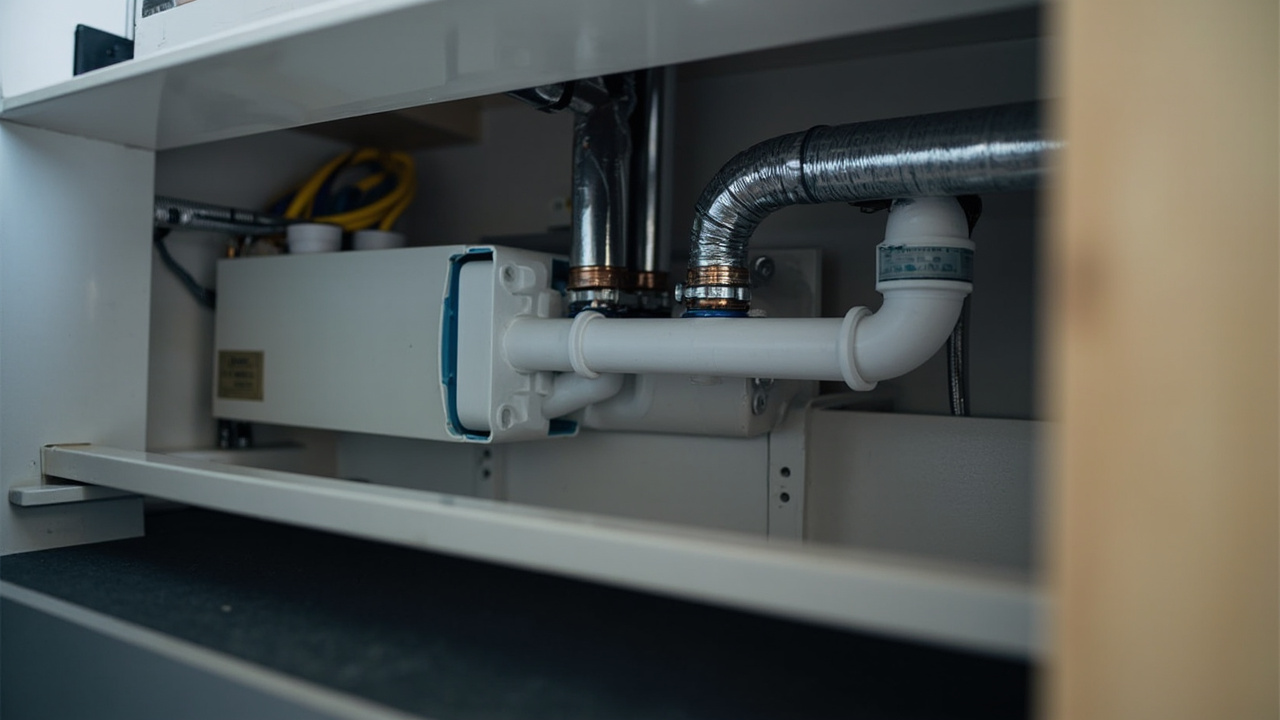
Condo HVAC replacements present unique technical challenges that single-family homes don’t face. Space constraints are often the biggest limitation. Many Milwaukee condos, especially in converted historic buildings, have extremely tight mechanical closets that cannot accommodate standard residential equipment.
Some buildings require specialized equipment like high-velocity systems that use smaller ductwork or ductless mini-splits that don’t need extensive routing. These alternatives often cost 20-30% more than traditional systems but may be your only viable option.
Crane Permits and Street Closures in Downtown Milwaukee
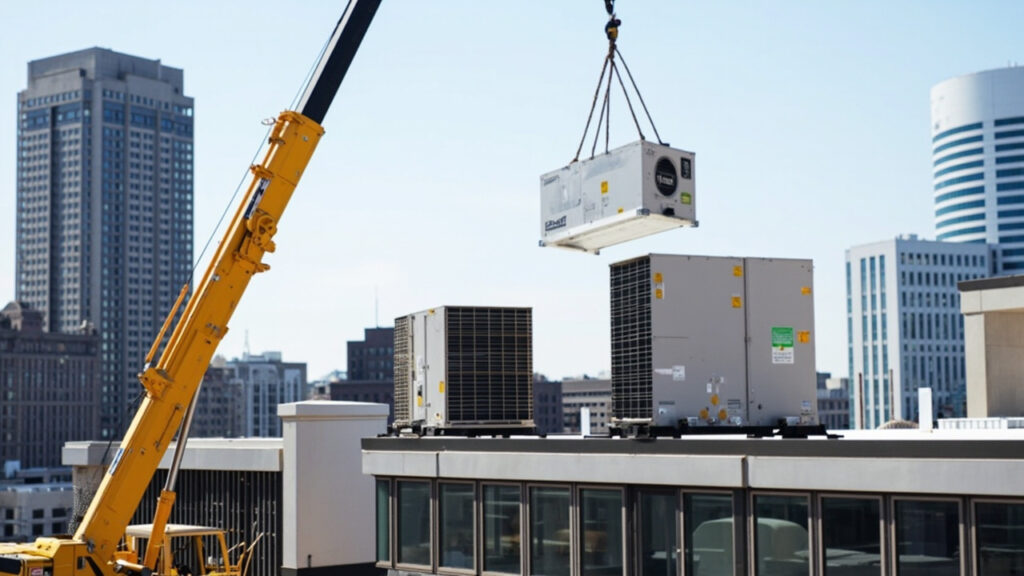
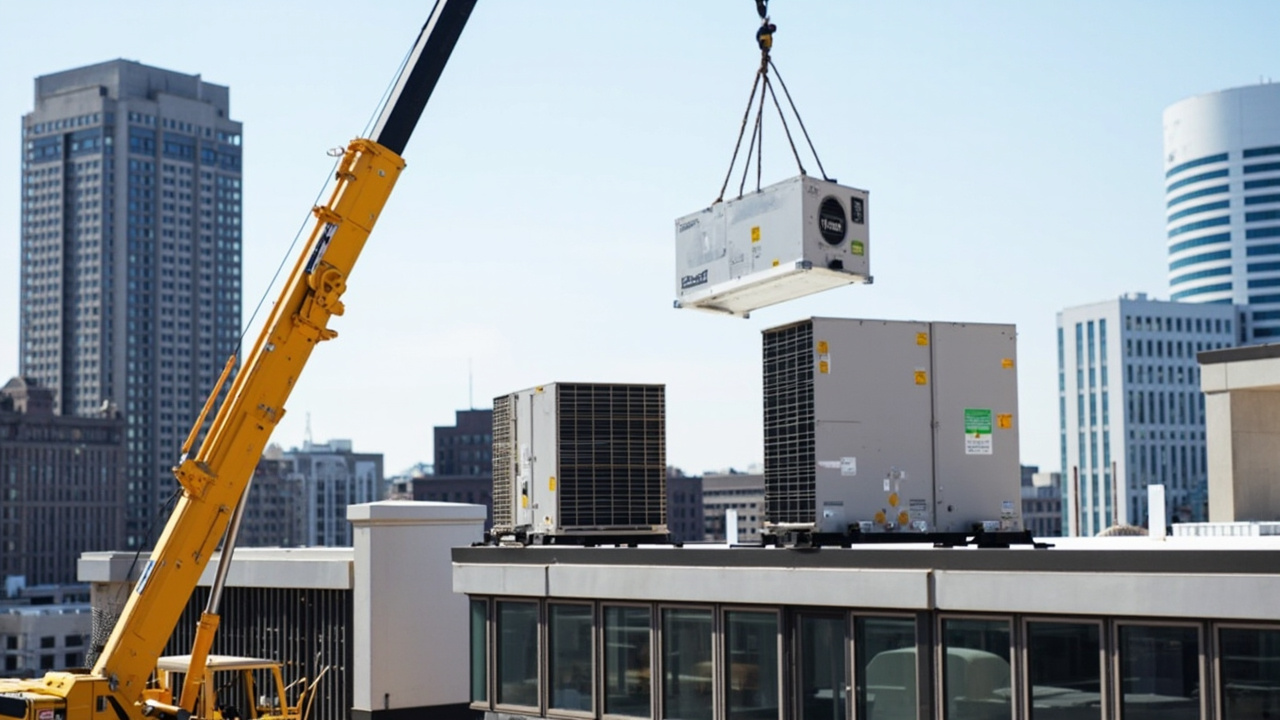
Replacing rooftop HVAC units in downtown Milwaukee often requires crane operations. The City of Milwaukee requires separate crane permits and may mandate street closures during installation. This process can take 4-6 weeks to coordinate and typically costs $2,000-$5,000 in additional fees.
Buildings in the Historic Third Ward or near Fiserv Forum face additional restrictions. The city may limit crane operations to specific hours to minimize traffic disruption, and some streets cannot be closed at all due to emergency vehicle access requirements. Your contractor must coordinate with the city’s traffic engineering department and provide detailed lift plans.
Weather adds another layer of complexity. Milwaukee’s lake-effect snow and high winds can ground crane operations for days, potentially delaying your project timeline significantly. Many associations require contingency plans for weather-related delays.
Space Constraints and Specialized Equipment (High-Velocity vs. Traditional)
Milwaukee’s older condo buildings often have mechanical rooms designed for much smaller equipment. A standard 3-ton AC unit might be 30 inches wide, but your closet might only have 24 inches of clearance. This forces you to either modify the space (which requires additional permits and HOA approval) or choose smaller, specialized equipment.
High-velocity systems use 2-inch flexible tubing instead of standard 6-inch ductwork, making them ideal for tight spaces. However, they typically cost 25-40% more than traditional systems and may not provide the same efficiency levels. Some Milwaukee HOAs actually require high-velocity systems in historic buildings to preserve original architecture.
Ductless mini-splits offer another solution for space-constrained condos. These systems don’t require ductwork at all, using wall-mounted indoor units connected to outdoor compressors. While they provide excellent zone control, some associations object to the appearance of multiple indoor units.
Step-by-Step Checklist for Milwaukee Condo Owners
Replacing your condo’s AC requires careful planning and multiple approvals. Here’s a timeline that many Milwaukee condo owners find helpful:
- Review HOA Documents – Request copies of CC&Rs, architectural guidelines, and any existing HVAC policies. Look for equipment restrictions, approval processes, and insurance requirements.
- Consult Your Association – Schedule a meeting with the property manager to discuss your plans. Some associations have pre-approval meetings where you can learn about specific requirements before investing in equipment selection.
- Select a Qualified Contractor – Choose a contractor familiar with Milwaukee condo regulations. They should have experience with your building type and understand local permit requirements.
- Obtain HOA Approval – Submit your equipment specifications, contractor credentials, and installation plans. Include noise level certifications and any required insurance documentation.
- Secure City Permits – Your contractor should handle mechanical permits, but you may need to be involved in scheduling inspections or providing access to restricted areas.
- Schedule Installation – Coordinate with your building management for elevator reservations, loading dock access, and any required building protection measures.
- Post-Installation Inspection – Schedule final inspections with both the city and your HOA. Some associations require documentation showing that the installation meets all guidelines.
This process typically takes 6-12 weeks from start to finish, not including equipment lead times which can be 2-8 weeks depending on the season.
Local Rebates and Incentives (Focus on Energy Wisconsin)
Wisconsin’s Focus on Energy program offers rebates for energy-efficient HVAC equipment, but condo-specific requirements can affect your eligibility. Many Milwaukee condos qualify for these programs, though the application process may require additional documentation.
For condo owners, Focus on Energy typically offers $200-$400 rebates for high-efficiency air conditioners with SEER ratings of 16 or higher. However, your HOA must approve the equipment before you can claim the rebate, and some associations restrict equipment that qualifies for these programs due to noise or aesthetic concerns.
WE Energies also offers rebates for condo HVAC replacements, with amounts varying based on equipment efficiency. These programs often require pre-approval and may have specific requirements for multi-family buildings. Your contractor should be familiar with both Focus on Energy and WE Energies programs to maximize your savings.
Frequently Asked Questions
Can my HOA really force me to use a specific AC brand or model?
Yes, many Milwaukee condo associations maintain approved equipment lists to ensure consistency across the building. This helps with maintenance, parts inventory, and overall building performance. While it limits your choices, using approved equipment often simplifies the approval process and may even reduce costs through volume purchasing agreements.
How long does the HOA approval process typically take?
Most Milwaukee condo associations require 2-4 weeks for HVAC approval, though some may take longer during busy seasons. Submitting complete documentation upfront can speed up the process. Some associations meet monthly, so timing your submission with their meeting schedule is important.
What happens if I install an AC unit without HOA approval?
Installing without approval can result in fines, forced removal of the equipment, and potential legal action. Some associations charge daily fines until violations are corrected. In extreme cases, you might be required to restore the original equipment at your own expense.
Do I need special insurance to replace my condo’s AC?
Most Milwaukee condo associations require contractors to carry specific insurance coverage, including general liability and workers’ compensation. Some also require an additional insured endorsement naming the association. Your contractor should provide a Certificate of Insurance (COI) before work begins.
Can I install a window AC unit instead of replacing the central system?
Most Milwaukee HOAs prohibit window units because they affect the building’s exterior appearance and can create security concerns. Some associations allow them temporarily during system failures but require their removal when permanent repairs are completed.

{
“@context”: “https://schema.org”,
“@type”: “BlogPosting”,
“headline”: “Why Your Milwaukee Condo Association Might Limit Your AC Replacement Options”,
“description”: “Understanding Milwaukee condo HVAC rules, HOA approvals, and city permits. Learn why your association limits AC replacements and how to navigate the process.”,
“wordCount”: 1527,
“datePublished”: “2026-05-15T13:02:00.000Z”,
“dateModified”: “2026-05-15T13:02:00.000Z”,
“inLanguage”: “en-US”,
“mainEntityOfPage”: {
“@type”: “WebPage”,
“@id”: “https://eliteheatingandcoolingmilwaukee.com”
},
“publisher”: {
“@type”: “LocalBusiness”,
“name”: “Elite Heating and Cooling Milwaukee”,
“url”: “https://eliteheatingandcoolingmilwaukee.com”
},
“author”: {
“@type”: “Organization”,
“name”: “Elite Heating and Cooling Milwaukee”,
“url”: “https://eliteheatingandcoolingmilwaukee.com”
},
“image”: {
“@type”: “ImageObject”,
“url”: “https://eliteheatingandcoolingmilwaukee.com/wp-content/uploads/2026/03/why-your-milwaukee-condo-association-might-limit-y-1.jpg”
}
}
{
“@context”: “https://schema.org”,
“@type”: “HVACBusiness”,
“name”: “Elite Heating and Cooling Milwaukee”,
“url”: “https://eliteheatingandcoolingmilwaukee.com”,
“address”: {
“@type”: “PostalAddress”,
“addressLocality”: “Milwaukee”
},
“areaServed”: {
“@type”: “City”,
“name”: “Milwaukee”
}
}
{
“@context”: “https://schema.org”,
“@type”: “FAQPage”,
“mainEntity”: [
{
“@type”: “Question”,
“name”: “Can my HOA really force me to use a specific AC brand or model?”,
“acceptedAnswer”: {
“@type”: “Answer”,
“text”: “Yes, many Milwaukee condo associations maintain approved equipment lists to ensure consistency across the building. This helps with maintenance, parts inventory, and overall building performance. While it limits your choices, using approved equipment often simplifies the approval process and may even reduce costs through volume purchasing agreements.”
}
},
{
“@type”: “Question”,
“name”: “How long does the HOA approval process typically take?”,
“acceptedAnswer”: {
“@type”: “Answer”,
“text”: “Most Milwaukee condo associations require 2-4 weeks for HVAC approval, though some may take longer during busy seasons. Submitting complete documentation upfront can speed up the process. Some associations meet monthly, so timing your submission with their meeting schedule is important.”
}
},
{
“@type”: “Question”,
“name”: “What happens if I install an AC unit without HOA approval?”,
“acceptedAnswer”: {
“@type”: “Answer”,
“text”: “Installing without approval can result in fines, forced removal of the equipment, and potential legal action. Some associations charge daily fines until violations are corrected. In extreme cases, you might be required to restore the original equipment at your own expense.”
}
},
{
“@type”: “Question”,
“name”: “Do I need special insurance to replace my condo’s AC?”,
“acceptedAnswer”: {
“@type”: “Answer”,
“text”: “Most Milwaukee condo associations require contractors to carry specific insurance coverage, including general liability and workers’ compensation. Some also require an additional insured endorsement naming the association. Your contractor should provide a Certificate of Insurance (COI) before work begins.”
}
},
{
“@type”: “Question”,
“name”: “Can I install a window AC unit instead of replacing the central system?”,
“acceptedAnswer”: {
“@type”: “Answer”,
“text”: “Most Milwaukee HOAs prohibit window units because they affect the building’s exterior appearance and can create security concerns. Some associations allow them temporarily during system failures but require their removal when permanent repairs are completed.”
}
}
]
}
{
“@context”: “https://schema.org”,
“@type”: “BreadcrumbList”,
“itemListElement”: [
{
“@type”: “ListItem”,
“position”: 1,
“name”: “Home”,
“item”: “https://eliteheatingandcoolingmilwaukee.com”
},
{
“@type”: “ListItem”,
“position”: 2,
“name”: “Blog”,
“item”: “https://eliteheatingandcoolingmilwaukee.com/blog”
},
{
“@type”: “ListItem”,
“position”: 3,
“name”: “Why Your Milwaukee Condo Association Might Limit Your AC Replacement Options”
}
]
}
{
“@context”: “https://schema.org”,
“@type”: “Service”,
“serviceType”: “HVAC”,
“provider”: {
“@type”: “LocalBusiness”,
“name”: “Elite Heating and Cooling Milwaukee”,
“url”: “https://eliteheatingandcoolingmilwaukee.com”
},
“areaServed”: {
“@type”: “City”,
“name”: “Milwaukee”
},
“description”: “Understanding Milwaukee condo HVAC rules, HOA approvals, and city permits. Learn why your association limits AC replacements and how to navigate the process.”
}