
A Local Snowbird’s Guide to Prepping Your HVAC Before Heading South for the Winter
Milwaukee winters can be brutal. Sub-zero temperatures, lake effect snow, and ice storms make leaving your home for months a nerve-wracking decision. Your HVAC system is your first line of defense against Milwaukee’s harsh winter weather. A few simple steps before you head south can save you thousands in potential damage and give you peace of mind while you’re enjoying warmer weather.. Read more about Protecting Your HVAC System from Rodent Damage During a Mequon Winter.
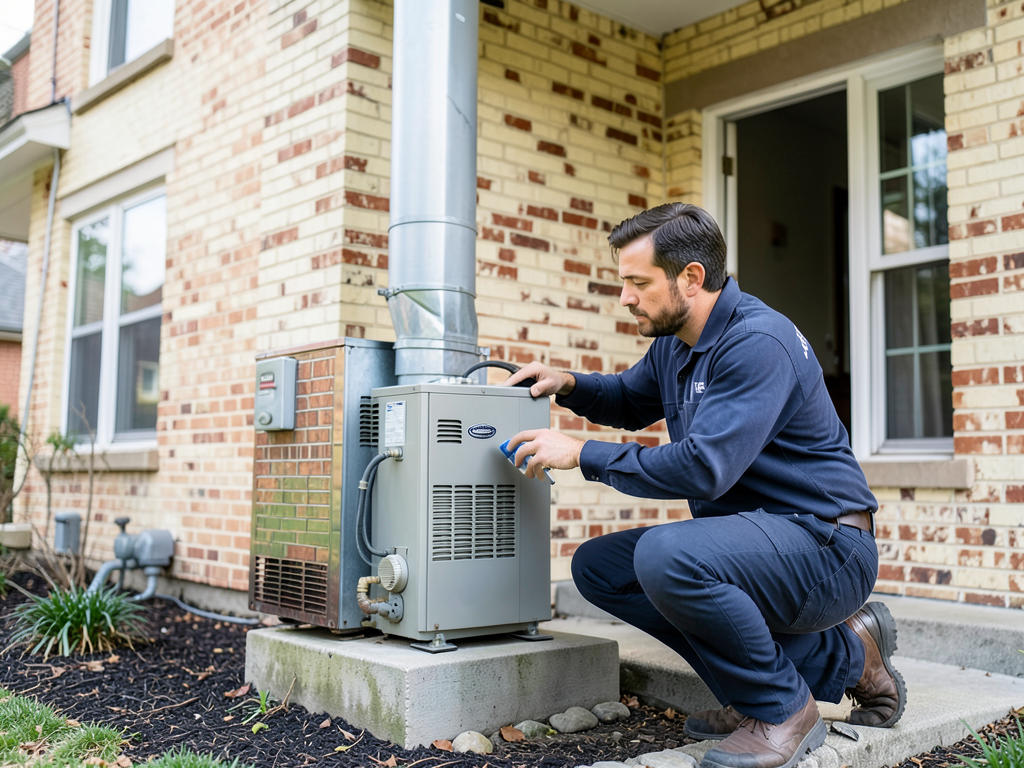
Why Winterizing Your Milwaukee Home Matters
Wisconsin winters are not just cold. They are dangerous for your home’s systems. When temperatures drop below zero, pipes can freeze within hours. Heat loss through poorly sealed windows or an inefficient furnace can drive up energy costs. Ice dams can form on your roof, causing water damage. For Milwaukee snowbirds, the risk is even higher because you are not there to catch problems early. Wisconsin Department of Safety and Professional Services.
According to the Wisconsin Department of Safety and Professional Services, the average low temperature in Milwaukee during January is 13°F. However, polar vortex events can push temperatures to -20°F or lower. Your home needs to be ready for the worst. Professional Duct Cleaning for Better Air Quality in Menomonee Falls.
1. Schedule a Professional HVAC Inspection
Before you leave, have a licensed HVAC technician inspect your system. This is not just a quick look. A full inspection includes checking the heat exchanger for cracks, testing the igniter, cleaning the burners, and verifying proper airflow. In older Milwaukee homes, especially those with original ductwork, blockages can reduce efficiency by up to 30%. HVAC Inspection.
Technicians should also check your thermostat calibration. A thermostat that reads incorrectly can cause your furnace to run too long or not enough. For snowbirds, consider installing a smart thermostat that you can monitor remotely. This allows you to adjust settings if a cold snap hits Milwaukee while you are away.
Elite Heating & Cooling Milwaukee recommends scheduling your inspection in early October. This gives you time to address any repairs before your departure in November or December.
2. Change Your Furnace Filter
A clean filter is critical when your furnace will run continuously for months. Replace your standard 1-inch filter with a high-efficiency pleated filter rated MERV 8 to MERV 11. These filters trap more dust and allergens, which is important in Milwaukee where lake effect moisture can increase indoor air quality issues.
If you have pets or live near a busy street in areas like Wauwatosa or Bay View, consider changing the filter again halfway through winter. A clogged filter forces your furnace to work harder, increasing the risk of a mid-season breakdown.
3. Protect Your Pipes from Freezing
Pipe bursts are the most common and expensive problem for snowbirds. When water freezes it expands. This pressure can crack pipes, leading to thousands of gallons of water damage. In Milwaukee, the frost line can reach 4 to 5 feet deep during extreme winters.. Read more about Protecting Your Expensive Hardwood Floors from Milwaukee Winter Cracking and Gapping.
Locate your main water shut-off valve before you leave. This is usually in the basement near the front of the house. Label it clearly. If a pipe does burst, you need to act fast.
Insulate pipes in unheated areas like basements, crawl spaces, and garages. Use foam pipe insulation sleeves. For extra protection in areas like Shorewood or Whitefish Bay where homes may have older plumbing, consider heat tape on vulnerable pipes.
Drain your outdoor spigots and shut off the indoor valve that supplies them. Even a small amount of water left in the line can freeze and crack the pipe.
4. Seal Your Home’s Envelope
Heat loss through drafts can make your furnace run constantly. Check windows and doors for air leaks. Use weatherstripping on movable parts and caulk on stationary cracks. Pay special attention to older Milwaukee homes in neighborhoods like Washington Heights or Enderis Park where original windows may not seal well.
Consider adding attic insulation if your home is more than 20 years old. The U.S. Department of Energy recommends R-49 to R-60 insulation in Wisconsin attics. Proper insulation keeps warm air inside and prevents ice dams on your roof. U.S. Department of Energy.
Close the fireplace damper if you have one. An open damper is like leaving a window open, letting warm air escape and cold air enter.
5. Clean Your Gutters and Prevent Ice Dams
Clogged gutters cause water to back up and freeze. This creates ice dams, which can force water under your shingles and into your home. In Milwaukee, where winter storms can drop several inches of snow, this is a serious risk.
Clean your gutters in late October or early November. Remove leaves, twigs, and debris. Ensure downspouts direct water at least 3 feet away from your foundation.
If your home has a low-pitched roof, common in mid-century ranches in West Allis, consider installing heat cables along the roof edge to prevent ice buildup. HVAC West Allis.
6. Set Your Thermostat Correctly
Many snowbirds think turning the heat down to 50°F saves money. This is risky in Milwaukee. Keep your thermostat at 55°F minimum. This temperature keeps your home warm enough to prevent frozen pipes but saves energy compared to 68°F.
Use a programmable or smart thermostat to maintain this temperature automatically. Some models send alerts if the temperature drops unexpectedly, which can signal a furnace problem.
7. Check Your Sump Pump
Milwaukee’s clay-heavy soil and high water table mean many homes rely on sump pumps. A failed sump pump can lead to basement flooding, especially during winter thaws or early spring rains.
Test your sump pump before you leave. Pour water into the pit to ensure it activates. Consider a battery backup in case of power outages, which are common during Milwaukee ice storms.
8. Adjust Your Humidifier Settings
Milwaukee winters are dry. Running a whole-home humidifier can protect wood floors, furniture, and your health. However, if you are away, you may want to turn it off to prevent mold growth in an empty home.
If you keep the humidifier on, set it to 30-40% relative humidity. Higher levels can cause condensation on windows, leading to mold.
Milwaukee Winterization Timeline
| Month | Task | Why It Matters |
|---|---|---|
| September | Schedule HVAC inspection | Avoid last-minute rush and ensure repairs are done |
| October | Change furnace filter, clean gutters | Prepare for consistent heating and prevent ice dams |
| November | Seal drafts, insulate pipes, set thermostat | Maximize efficiency and prevent freezing |
| December | Final walk-through, test sump pump | Confirm all systems are ready before departure |
Emergency Contacts and Resources
Before you leave, create an emergency contact list. Include your HVAC company, plumber, and a trusted neighbor. Give them a key or access code. The Most Trusted AC Maintenance Experts in West Allis.
Consider signing up for We Energies’ outage alerts. This way you will know if a storm knocks out power to your area.
For immediate HVAC emergencies, Elite Heating & Cooling Milwaukee offers 24/7 service. Call (414) 375-7888 if your furnace fails while you are away. AC Service Germantown.
Additional Energy Saving Tips
Unplug electronics and appliances to prevent phantom energy use. Use timers on a few lights to make your home look occupied. Close curtains and blinds to add an extra layer of insulation.
If you have a second refrigerator in the garage, unplug it. Milwaukee garages can get cold enough to affect the fridge’s efficiency.
Common Mistakes Snowbirds Make
Turning the heat completely off is the biggest mistake. Even with good insulation, a sudden cold snap can freeze pipes within hours.
Ignoring small leaks or strange noises from your HVAC system before you leave can lead to bigger problems. What sounds like a minor rattle could be a failing blower motor.
Skipping the gutter cleaning might seem like a time-saver, but the cost of ice dam repairs far outweighs the effort of cleaning them.
Milwaukee-Specific Considerations
Milwaukee’s lake effect snow can vary dramatically by neighborhood. Homes in Shorewood or Whitefish Bay may get heavier snow bands than those in Franklin or Oak Creek. This affects how quickly ice dams form and how much stress your roof endures.
Older homes in neighborhoods like Bay View or Walker’s Point often have steam or hot water radiators instead of forced air. These systems need their own winterization steps, like bleeding radiators to remove trapped air.
If your home has a boiler, ensure the pressure gauge reads between 12-15 psi. Low pressure can indicate a leak, which is dangerous in freezing weather.
Peace of Mind While You’re Away
Winterizing your HVAC system is not just about protecting your home. It is about protecting your peace of mind. Knowing your home is safe lets you enjoy your time in the sun without constant worry.
Elite Heating & Cooling Milwaukee has served the greater Milwaukee area for over 15 years. We understand the unique challenges of Wisconsin winters and the specific needs of snowbird homeowners. Our technicians are NATE-certified and familiar with all types of HVAC systems found in Milwaukee homes.
Don’t wait until the first frost. Call (414) 375-7888 today to schedule your pre-winter HVAC inspection. Let us help you leave with confidence and return to a warm, safe home.
Frequently Asked Questions
What temperature should I set my thermostat at when I’m away for the winter?
Set your thermostat to at least 55°F. This prevents frozen pipes while saving energy compared to normal living temperatures.
How often should I change my furnace filter before leaving for the winter?
Change your filter right before you leave. If you will be gone more than three months, consider changing it again halfway through winter.
Should I turn off my water main before leaving for the winter?
Turning off the main water supply is optional but recommended. If you do, open faucets to drain remaining water and prevent pressure buildup.
Can I leave my humidifier on while I’m away?
You can leave it on, but set it to 30-40% humidity to prevent condensation and mold growth in an empty home.
What should I do if my furnace stops working while I’m in Florida?
Have a trusted neighbor or property manager check your home. Call Elite Heating & Cooling Milwaukee at (414) 375-7888 for emergency repair service.
You may also find this helpful. Beyond the Alarm — Understanding How Your Furnace Impacts Carbon Monoxide Safety in Wauwatosa.
{
“@context”: “https://schema.org”,
“@type”: “BlogPosting”,
“headline”: “A Local Snowbird’s Guide to Prepping Your HVAC Before Heading South for the Winter”,
“description”: “Essential HVAC winterization tips for Milwaukee snowbirds. Learn how to protect your home from freeze damage and save energy while you’re away.”,
“wordCount”: 1701,
“datePublished”: “2026-06-07T10:51:00.000Z”,
“dateModified”: “2026-06-07T10:51:00.000Z”,
“inLanguage”: “en-US”,
“mainEntityOfPage”: {
“@type”: “WebPage”,
“@id”: “https://eliteheatingandcoolingmilwaukee.com”
},
“publisher”: {
“@type”: “LocalBusiness”,
“name”: “Elite Heating and Cooling Milwaukee”,
“url”: “https://eliteheatingandcoolingmilwaukee.com”
},
“author”: {
“@type”: “Organization”,
“name”: “Elite Heating and Cooling Milwaukee”,
“url”: “https://eliteheatingandcoolingmilwaukee.com”
},
“image”: {
“@type”: “ImageObject”,
“url”: “https://eliteheatingandcoolingmilwaukee.com/wp-content/uploads/2026/03/a-local-snowbird-s-guide-to-prepping-your-hvac-bef-1.png”
}
}
{
“@context”: “https://schema.org”,
“@type”: “HVACBusiness”,
“name”: “Elite Heating and Cooling Milwaukee”,
“url”: “https://eliteheatingandcoolingmilwaukee.com”,
“address”: {
“@type”: “PostalAddress”,
“addressLocality”: “Milwaukee”
},
“areaServed”: {
“@type”: “City”,
“name”: “Milwaukee”
}
}
{
“@context”: “https://schema.org”,
“@type”: “FAQPage”,
“mainEntity”: [
{
“@type”: “Question”,
“name”: “What temperature should I set my thermostat at when I’m away for the winter?”,
“acceptedAnswer”: {
“@type”: “Answer”,
“text”: “Set your thermostat to at least 55°F. This prevents frozen pipes while saving energy compared to normal living temperatures.”
}
},
{
“@type”: “Question”,
“name”: “How often should I change my furnace filter before leaving for the winter?”,
“acceptedAnswer”: {
“@type”: “Answer”,
“text”: “Change your filter right before you leave. If you will be gone more than three months, consider changing it again halfway through winter.”
}
},
{
“@type”: “Question”,
“name”: “Should I turn off my water main before leaving for the winter?”,
“acceptedAnswer”: {
“@type”: “Answer”,
“text”: “Turning off the main water supply is optional but recommended. If you do, open faucets to drain remaining water and prevent pressure buildup.”
}
},
{
“@type”: “Question”,
“name”: “Can I leave my humidifier on while I’m away?”,
“acceptedAnswer”: {
“@type”: “Answer”,
“text”: “You can leave it on, but set it to 30-40% humidity to prevent condensation and mold growth in an empty home.”
}
},
{
“@type”: “Question”,
“name”: “What should I do if my furnace stops working while I’m in Florida?”,
“acceptedAnswer”: {
“@type”: “Answer”,
“text”: “Have a trusted neighbor or property manager check your home. Call Elite Heating & Cooling Milwaukee at (414) 375-7888 for emergency repair service.”
}
}
]
}
{
“@context”: “https://schema.org”,
“@type”: “BreadcrumbList”,
“itemListElement”: [
{
“@type”: “ListItem”,
“position”: 1,
“name”: “Home”,
“item”: “https://eliteheatingandcoolingmilwaukee.com”
},
{
“@type”: “ListItem”,
“position”: 2,
“name”: “Blog”,
“item”: “https://eliteheatingandcoolingmilwaukee.com/blog”
},
{
“@type”: “ListItem”,
“position”: 3,
“name”: “A Local Snowbird’s Guide to Prepping Your HVAC Before Heading South for the Winter”
}
]
}
{
“@context”: “https://schema.org”,
“@type”: “Service”,
“serviceType”: “HVAC”,
“provider”: {
“@type”: “LocalBusiness”,
“name”: “Elite Heating and Cooling Milwaukee”,
“url”: “https://eliteheatingandcoolingmilwaukee.com”
},
“areaServed”: {
“@type”: “City”,
“name”: “Milwaukee”
},
“description”: “Essential HVAC winterization tips for Milwaukee snowbirds. Learn how to protect your home from freeze damage and save energy while you’re away.”
}