
Why High Efficiency Furnaces Might Require Different Venting in Older West Allis Homes
When homeowners in West Allis upgrade to a high efficiency furnace the venting system often becomes the most overlooked challenge. Many older homes in this area were built with standard efficiency units that vented through existing masonry chimneys. Those systems work differently than modern high efficiency models and switching between them is not always as simple as swapping out the furnace. HVAC West Allis.
High efficiency furnaces extract more heat from combustion gases which causes those gases to cool and condense into liquid before exiting the home. This condensation is acidic and can quickly destroy older metal or masonry venting. That is why these systems almost always require specialized plastic venting pipes that can handle the moisture and safely direct exhaust outside.. Read more about Is a Hybrid Dual Fuel System the Best Middle Ground for Grafton Homeowners?.
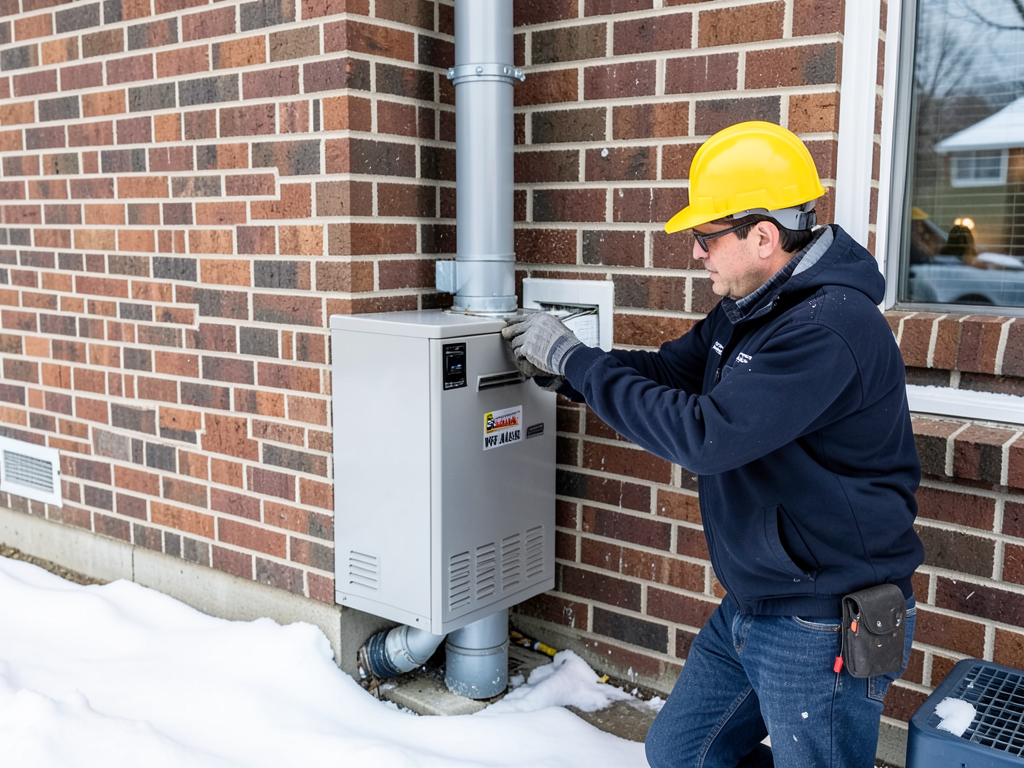
Beyond the material change the location and routing of vents also matters. Modern high efficiency units often vent horizontally through an exterior wall instead of vertically through a roof or chimney. This means the home’s structure, insulation, and even landscaping may need to be considered before installation begins.
West Allis homes built before the 1980s frequently have shared flues or unlined chimneys that cannot support the venting needs of today’s high efficiency systems. In those cases the chimney may need to be relined or a completely new vent route installed. Skipping this step risks dangerous backdrafting or carbon monoxide exposure.
Even homes with modern construction may have challenges if they sit on narrow lots or have limited exterior wall access. Vent pipes must maintain proper clearances from windows, doors, and air intakes to prevent exhaust from re-entering the home. These clearances are not optional and are enforced by both state and local codes.
Weather in West Allis adds another layer of complexity. Heavy snowfalls can block vent terminations near ground level and ice can form on exposed pipes during extreme cold snaps. Vent placement must account for these seasonal risks to keep the system running safely all winter long. Bay View Heat Pump Installers for Year Round Comfort and Efficiency.
Understanding these venting requirements before purchasing a new furnace can save homeowners from unexpected construction costs and ensure the system operates safely and efficiently. The right venting design protects both the investment in the new equipment and the health of everyone in the home.
Understanding Furnace Venting Categories and Their Requirements
Furnaces are classified by how they vent combustion gases and how efficiently they use fuel. These categories determine the type of vent pipe needed and the installation method required.
Category I furnaces are standard efficiency units that use a metal B-vent or chimney to exhaust gases. These systems rely on natural draft to carry warm gases upward and out of the home. The chimney must be tall enough and clear enough to maintain that draft even in cold weather.
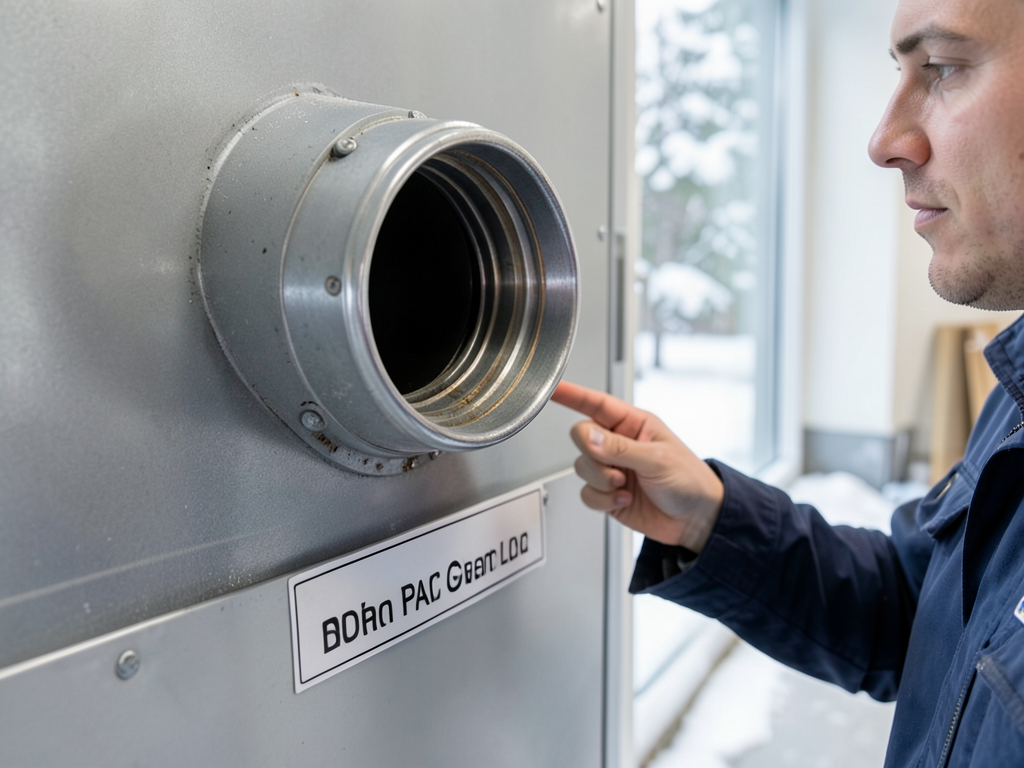
Category IV furnaces are high efficiency units that use sealed combustion and force exhaust through plastic pipes. These systems operate at lower exhaust temperatures so the gases do not rise on their own. A small fan pushes them through the vent to the outdoors.
The key difference is that Category IV systems produce acidic condensate during operation. That moisture must be collected and drained away safely. If it is allowed to sit in metal or masonry vents it will cause rapid corrosion and failure.
Category IV units also require specific vent pipe materials. PVC or CPVC plastic is used because it resists the acidic condensate and can handle the lower exhaust temperatures. Metal vents are not suitable unless they are specially coated for this purpose.
Vent routing also changes with efficiency. Category I systems often use a vertical route through the roof or an existing chimney. Category IV systems can vent horizontally through an exterior wall which may be easier in some home layouts but requires careful placement to avoid snow buildup and ice blockage.
Clearance requirements are stricter for Category IV systems. Vents must terminate at least twelve inches above the expected snow line and maintain specific distances from windows, doors, and air intakes. These rules prevent exhaust from re-entering the home and ensure safe operation year-round.
Understanding these differences helps homeowners and contractors choose the right venting approach for each home. The wrong choice can lead to system failure, costly repairs, or even dangerous carbon monoxide exposure.
Wisconsin State and Milwaukee Local Venting Codes
Wisconsin enforces strict venting requirements through the Uniform Dwelling Code and the Department of Safety and Professional Services. These codes set the baseline for safe and efficient furnace installation across the state. Wisconsin Department of Safety and Professional Services.
The City of Milwaukee adds its own local amendments to those state rules. For example the city requires a building permit for any furnace replacement that involves changes to the venting system. This ensures the work is inspected and meets both safety and energy efficiency standards.. Read more about Dealing with Drafts and High Energy Bills in a Cream City Brick Loft.
Milwaukee also enforces specific termination clearances for high efficiency furnace vents. The code requires vents to terminate at least four feet below, four feet horizontally from, or one foot above any door, window, or gravity air inlet. These distances prevent exhaust from being drawn back into the home.
Snow accumulation is a major concern in Wisconsin. The state UDC requires that vent terminations extend at least twelve inches above the highest anticipated snow level. In Milwaukee that often means placing vents higher than in other parts of the country to account for Lake Effect snow events.
Combustion air requirements also change with efficiency. High efficiency furnaces draw air directly from outside through a sealed pipe. This eliminates the need for a dedicated combustion air vent in most cases but the pipe must be properly sized and installed to prevent freezing or blockage.
Permit fees in Milwaukee vary by project scope but typically range from fifty to two hundred dollars for a furnace replacement with venting changes. The permit must be obtained before work begins and a final inspection is required to close it out. HVAC Inspection.
Inspectors check for proper pipe pitch, secure support, and correct termination clearances. They also verify that condensate drains are connected to an approved drain or pump and that no exhaust is leaking into the home.
Violating these codes can result in failed inspections, fines, and the need to redo work. More importantly it can create unsafe conditions that put the household at risk. Following the codes from the start ensures the system will operate safely and pass inspection the first time.
High Efficiency (90%+ AFUE) Venting Requirements
High efficiency furnaces with Annual Fuel Utilization Efficiency ratings of ninety percent or higher require specialized venting to handle cooler exhaust and acidic condensate. These systems almost always use plastic pipes instead of metal.
PVC or CPVC pipes are the standard materials for these vents. They resist corrosion from acidic moisture and can handle the lower exhaust temperatures produced by condensing units. The pipe size depends on the furnace input rating and the total vent length.
Most high efficiency furnaces use two pipes. One brings in combustion air from outside and the other exhausts flue gases. This sealed combustion design improves efficiency and prevents backdrafting. Some units use a concentric vent kit that combines both pipes into a single penetration through the wall.
Pipe pitch is critical for these systems. The International Fuel Gas Code requires a minimum slope of one quarter inch per foot back toward the furnace. This ensures condensate flows to the drain instead of pooling in the pipe where it can cause blockages or corrosion. National Fire Protection Association.
Termination clearances are strictly enforced. Vents must be at least twelve inches above the expected snow line and maintain specific distances from windows, doors, and air intakes. In West Allis that often means placing vents higher than in warmer climates to account for heavy snowfalls.
Maximum vent lengths depend on pipe diameter and the number of elbows used. A two inch pipe may be limited to thirty five feet while a three inch pipe can run up to seventy five feet. Each ninety degree elbow reduces the allowable length by five feet.
Condensate drainage must be handled properly. High efficiency furnaces produce up to one and a half gallons of water per hour during heating. That water must drain to a floor drain, utility sink, or condensate pump. It cannot be allowed to freeze or spill onto the floor.
Ice formation is a common problem in Wisconsin winters. Wind-driven snow can block vent terminations and ice can form on exposed pipes. Some installations include vent screens or bird guards to prevent blockages while still allowing proper airflow.
Following these requirements ensures the system operates safely and efficiently. Cutting corners on venting can lead to system failure, water damage, or dangerous carbon monoxide exposure.
Standard Efficiency (80% AFUE) Venting Requirements
Standard efficiency furnaces with eighty percent Annual Fuel Utilization Efficiency ratings vent through metal pipes or masonry chimneys. These systems produce hotter exhaust gases that rise naturally without the need for a fan.
B-Vent pipe is the most common material for these systems. It is a double wall metal pipe that insulates the exhaust gases and protects surrounding materials from heat. The pipe must be supported every four feet and secured with proper fittings.
Many older homes in West Allis were built with masonry chimneys that served standard efficiency furnaces. These chimneys often lack liners and may have cracks or gaps that allow exhaust to leak into the home. Relining the chimney with stainless steel or aluminum is often required before installing a new furnace.
Clearance requirements for B-Vent systems are less strict than for high efficiency units but still important. The pipe must maintain at least one inch of clearance from combustible materials and must not pass through floors or ceilings unless it is enclosed in a fire rated shaft.
Chimney height is critical for proper draft. The top of the chimney must extend at least three feet above the roof penetration and two feet higher than any part of the building within ten feet. This prevents downdrafts and ensures exhaust exits cleanly.
Shared flues are common in older multi-family homes but are not allowed for new furnace installations. Each appliance must have its own dedicated vent or be connected through an approved manifold. This prevents backdrafting and ensures each unit gets enough draft to operate safely.
Condensate is not an issue for standard efficiency units since the exhaust stays hot enough to remain in vapor form. However if the chimney is exposed to cold outdoor air the gases can cool and condense inside the pipe. This can cause corrosion over time especially in masonry chimneys.
Rain caps and proper flashing are important for B-Vent systems. They prevent water from entering the chimney while still allowing exhaust to escape. Damaged flashing can lead to roof leaks and water damage inside the home.
Regular inspection of the venting system helps catch problems early. Rusted pipes, cracked masonry, or blocked chimneys can all lead to dangerous carbon monoxide buildup. Annual maintenance should include a visual check of the entire venting path. The Most Trusted AC Maintenance Experts in West Allis.
Safety Checklist for Furnace Venting Systems
Carbon monoxide is odorless and colorless which makes it especially dangerous. A properly installed and maintained venting system is the first line of defense against CO exposure.
Every home with a fuel burning appliance should have at least one carbon monoxide detector. The device should be installed on every level of the home and near sleeping areas. Detectors should be tested monthly and replaced every five to seven years.
Backdrafting occurs when exhaust gases are drawn back into the home instead of exiting through the vent. This can happen if the vent is blocked, if the chimney is too short, or if other appliances create negative pressure in the home. Signs of backdrafting include soot around the vent, a yellow or flickering burner flame, or a sulfur smell near the furnace.
Blocked vents are a common cause of CO buildup. Snow, ice, leaves, or animal nests can all obstruct the vent opening. Regular inspection of the termination point helps ensure the system can breathe freely.
Cracks in the heat exchanger can allow exhaust gases to mix with indoor air. This is a serious safety issue that requires immediate attention. Symptoms include a clicking noise when the blower starts, a change in flame color, or visible cracks in the heat exchanger itself.
Improper pipe pitch can cause condensate to pool in the vent. Over time this can lead to corrosion, blockages, or even complete vent failure. The pipe should slope back toward the furnace at one quarter inch per foot to ensure proper drainage.
Vent pipes must be securely supported to prevent sagging or separation. Loose joints can allow exhaust to leak into the home. All connections should be sealed with approved cement or tape and checked for leaks with a smoke pencil or CO detector.
Combustion air is just as important as exhaust venting. High efficiency furnaces draw air from outside but standard efficiency units need indoor air for combustion. If the home is too tight or the air supply is blocked the furnace may backdraft or produce excess CO.
Annual maintenance by a licensed HVAC technician is the best way to ensure venting safety. The technician will check for blockages, test for CO, inspect the heat exchanger, and verify that all clearances and slopes meet code requirements.
Taking these steps protects the home and everyone in it from the dangers of carbon monoxide and ensures the furnace operates safely all winter long.
Milwaukee Winter Considerations for Furnace Venting
Milwaukee winters are known for heavy snow, ice storms, and extreme cold. These conditions can create unique challenges for furnace venting systems that must be addressed during installation and maintained throughout the season.
Snow accumulation is the most obvious concern. Vent terminations near ground level can become buried quickly during a major snowstorm. The code requires vents to extend at least twelve inches above the expected snow line but in some West Allis neighborhoods that may not be enough during record snowfalls.
Ice formation is another winter hazard. Wind-driven snow can melt on warm vent pipes and refreeze into a solid block of ice. This can completely seal the vent and cause the furnace to shut down or worse, backdraft into the home.
Freezing condensate drains are a common problem. If the drain line runs through a cold crawl space or unheated garage it can freeze solid and cause the furnace to shut off. Insulating the drain line or using a condensate pump with a built in heater can prevent this issue.
Wind patterns in Milwaukee can create downdrafts in chimneys and vents. A chimney that works fine in mild weather may backdraft during a strong north wind off Lake Michigan. Installing a wind directional cap or extending the chimney height can help mitigate this problem.
Short cycling can occur if the vent becomes partially blocked by snow or ice. The furnace may run for a few minutes then shut off as the pressure switch detects a problem. This can lead to uneven heating and higher energy bills.
Roof vents are not immune to winter issues. Ice dams can form around vent flashing and allow water to seep into the attic. Proper flashing and ice and water shield installation help prevent these leaks.
Regular snow removal around vent terminations is essential. After a heavy snowfall the area around the vent should be cleared to maintain proper airflow. A long handled broom or roof rake can be used to clear vents that are difficult to reach.
Emergency shutoff procedures should be known by all household members. If the furnace shuts down during extreme cold it may be due to a venting issue. Turning off the furnace and checking the vents for snow or ice can prevent further damage.
Installing a vent screen or guard can help prevent blockages while still allowing exhaust to escape. The screen must be designed for high temperature use and should not restrict airflow.
Taking these winter specific steps ensures the furnace continues to operate safely and efficiently even during the harshest Milwaukee weather.
Frequently Asked Questions
Can I use my existing chimney for a new high efficiency furnace?
Most existing chimneys are not suitable for high efficiency furnaces. These systems produce acidic condensate that can quickly destroy masonry or metal chimneys. A new plastic vent pipe or a properly lined chimney is usually required.
How far from a window does a furnace vent need to be?
The code requires vents to be at least four feet below, four feet horizontally from, or one foot above any window or door. This prevents exhaust from being drawn back into the home through openings.
What happens if my vent gets blocked by snow?
A blocked vent can cause the furnace to shut down or backdraft into the home. Snow should be cleared from around the vent after each heavy snowfall to maintain proper airflow and safe operation.
Do I need a permit to replace my furnace in Milwaukee?
Yes. Milwaukee requires a building permit for any furnace replacement that involves changes to the venting system. The permit ensures the work is inspected and meets local code requirements.
How often should furnace vents be inspected?
Vents should be inspected at least once a year as part of routine furnace maintenance. They should also be checked after any major storm or if the furnace is not operating properly.
Can I vent my high efficiency furnace through the roof?
Yes. High efficiency furnaces can be vented through the roof using approved plastic vent pipe. This may be necessary if sidewall venting is not practical due to clearance or snow concerns.
What is the best way to prevent ice buildup on vents?
Installing the vent termination at least twelve inches above the expected snow line and using a vent screen can help prevent ice buildup. Insulating exposed pipes also reduces the chance of freezing.
How do I know if my furnace is backdrafting?
Signs of backdrafting include soot around the vent, a yellow or flickering burner flame, a sulfur smell near the furnace, or carbon monoxide detector alarms. If you suspect backdrafting turn off the furnace and call a professional immediately. Professional Duct Cleaning for Better Air Quality in Menomonee Falls.
Comparing Venting Options for West Allis Homes
| Venting Type | Best For | Materials | Installation Complexity | Cost Range |
|---|---|---|---|---|
| Category IV (PVC) | High efficiency furnaces | PVC/CPVC plastic | Moderate to high | $800-$2,500 |
| B-Vent (Standard) | Standard efficiency furnaces | Double wall metal | Low to moderate | $400-$1,200 |
| Chimney Liner | Existing masonry chimneys | Stainless steel or aluminum | Moderate | $1,000-$3,000 |
| Concentric Vent | Limited wall penetrations | Combined PVC/CPVC | Moderate | $1,200-$2,800 |
Key Vent Termination Clearances
| Clearance Type | Required Distance | Purpose |
|---|---|---|
| Above snow line | 12 inches minimum | Prevent blockage |
| From windows/doors | 4 feet below or horizontal 1 foot above | Prevent exhaust entry |
| From air intakes | 4 feet below or horizontal 1 foot above | Prevent air contamination |
| From gas meters | 3 feet minimum | Prevent ignition source contact |
Take the Next Step Toward a Safe and Efficient Furnace
Understanding furnace venting requirements is essential for any homeowner in West Allis planning to upgrade their heating system. The right venting design protects your investment and ensures safe operation through even the harshest Wisconsin winters.
If you are considering a new furnace or have concerns about your current venting system now is the time to act. Elite Heating & Cooling Milwaukee has the local expertise to evaluate your home’s specific needs and design a venting solution that meets all code requirements.
Call us today at (414) 375-7888 to schedule a professional assessment. Our licensed technicians will inspect your current system explain your options and provide a clear plan for safe and efficient operation. Do not wait until winter arrives to address venting issues. Contact us now and keep your home warm and safe all season long.
Elite Heating & Cooling Milwaukee proudly serves West Allis and the surrounding Milwaukee metro area with expert HVAC services you can trust.
You may also find this helpful. Comparing Daikin and Mitsubishi Mini Splits for Your West Allis Sunroom.
{
“@context”: “https://schema.org”,
“@type”: “BlogPosting”,
“headline”: “Why High Efficiency Furnaces Might Require Different Venting in Older West Allis Homes”,
“description”: “Learn why high efficiency furnaces need special venting in West Allis homes. Discover local code requirements and safety tips for your HVAC upgrade.”,
“wordCount”: 3352,
“datePublished”: “2026-04-25T12:15:00.000Z”,
“dateModified”: “2026-04-25T12:15:00.000Z”,
“inLanguage”: “en-US”,
“mainEntityOfPage”: {
“@type”: “WebPage”,
“@id”: “https://eliteheatingandcoolingmilwaukee.com”
},
“publisher”: {
“@type”: “LocalBusiness”,
“name”: “Elite Heating and Cooling Milwaukee”,
“url”: “https://eliteheatingandcoolingmilwaukee.com”
},
“author”: {
“@type”: “Organization”,
“name”: “Elite Heating and Cooling Milwaukee”,
“url”: “https://eliteheatingandcoolingmilwaukee.com”
},
“image”: {
“@type”: “ImageObject”,
“url”: “https://eliteheatingandcoolingmilwaukee.com/wp-content/uploads/2026/03/why-high-efficiency-furnaces-might-require-differe-1.png”
}
}
{
“@context”: “https://schema.org”,
“@type”: “HVACBusiness”,
“name”: “Elite Heating and Cooling Milwaukee”,
“url”: “https://eliteheatingandcoolingmilwaukee.com”,
“address”: {
“@type”: “PostalAddress”,
“addressLocality”: “Milwaukee”
},
“areaServed”: {
“@type”: “City”,
“name”: “Milwaukee”
}
}
{
“@context”: “https://schema.org”,
“@type”: “FAQPage”,
“mainEntity”: [
{
“@type”: “Question”,
“name”: “Can I use my existing chimney for a new high efficiency furnace?”,
“acceptedAnswer”: {
“@type”: “Answer”,
“text”: “Most existing chimneys are not suitable for high efficiency furnaces. These systems produce acidic condensate that can quickly destroy masonry or metal chimneys. A new plastic vent pipe or a properly lined chimney is usually required.”
}
},
{
“@type”: “Question”,
“name”: “How far from a window does a furnace vent need to be?”,
“acceptedAnswer”: {
“@type”: “Answer”,
“text”: “The code requires vents to be at least four feet below, four feet horizontally from, or one foot above any window or door. This prevents exhaust from being drawn back into the home through openings.”
}
},
{
“@type”: “Question”,
“name”: “What happens if my vent gets blocked by snow?”,
“acceptedAnswer”: {
“@type”: “Answer”,
“text”: “A blocked vent can cause the furnace to shut down or backdraft into the home. Snow should be cleared from around the vent after each heavy snowfall to maintain proper airflow and safe operation.”
}
},
{
“@type”: “Question”,
“name”: “Do I need a permit to replace my furnace in Milwaukee?”,
“acceptedAnswer”: {
“@type”: “Answer”,
“text”: “Yes. Milwaukee requires a building permit for any furnace replacement that involves changes to the venting system. The permit ensures the work is inspected and meets local code requirements.”
}
},
{
“@type”: “Question”,
“name”: “How often should furnace vents be inspected?”,
“acceptedAnswer”: {
“@type”: “Answer”,
“text”: “Vents should be inspected at least once a year as part of routine furnace maintenance. They should also be checked after any major storm or if the furnace is not operating properly.”
}
},
{
“@type”: “Question”,
“name”: “Can I vent my high efficiency furnace through the roof?”,
“acceptedAnswer”: {
“@type”: “Answer”,
“text”: “Yes. High efficiency furnaces can be vented through the roof using approved plastic vent pipe. This may be necessary if sidewall venting is not practical due to clearance or snow concerns.”
}
},
{
“@type”: “Question”,
“name”: “What is the best way to prevent ice buildup on vents?”,
“acceptedAnswer”: {
“@type”: “Answer”,
“text”: “Installing the vent termination at least twelve inches above the expected snow line and using a vent screen can help prevent ice buildup. Insulating exposed pipes also reduces the chance of freezing.”
}
},
{
“@type”: “Question”,
“name”: “How do I know if my furnace is backdrafting?”,
“acceptedAnswer”: {
“@type”: “Answer”,
“text”: “Signs of backdrafting include soot around the vent, a yellow or flickering burner flame, a sulfur smell near the furnace, or carbon monoxide detector alarms. If you suspect backdrafting turn off the furnace and call a professional immediately. Professional Duct Cleaning for Better Air Quality in Menomonee Falls.”
}
}
]
}
{
“@context”: “https://schema.org”,
“@type”: “BreadcrumbList”,
“itemListElement”: [
{
“@type”: “ListItem”,
“position”: 1,
“name”: “Home”,
“item”: “https://eliteheatingandcoolingmilwaukee.com”
},
{
“@type”: “ListItem”,
“position”: 2,
“name”: “Blog”,
“item”: “https://eliteheatingandcoolingmilwaukee.com/blog”
},
{
“@type”: “ListItem”,
“position”: 3,
“name”: “Why High Efficiency Furnaces Might Require Different Venting in Older West Allis Homes”
}
]
}
{
“@context”: “https://schema.org”,
“@type”: “Service”,
“serviceType”: “HVAC”,
“provider”: {
“@type”: “LocalBusiness”,
“name”: “Elite Heating and Cooling Milwaukee”,
“url”: “https://eliteheatingandcoolingmilwaukee.com”
},
“areaServed”: {
“@type”: “City”,
“name”: “Milwaukee”
},
“description”: “Learn why high efficiency furnaces need special venting in West Allis homes. Discover local code requirements and safety tips for your HVAC upgrade.”
}