
Why Your Shorewood AC Is Actually Covered in Ice During a Heatwave
Seeing ice on your air conditioner when it is 90 degrees outside feels wrong. The unit is not malfunctioning in a mysterious way. It is telling you something is blocking the cooling process inside. In Shorewood and the rest of Milwaukee County this problem shows up every summer. The combination of high humidity and heavy pollen from Lake Michigan winds makes it worse here than in many other parts of the country.
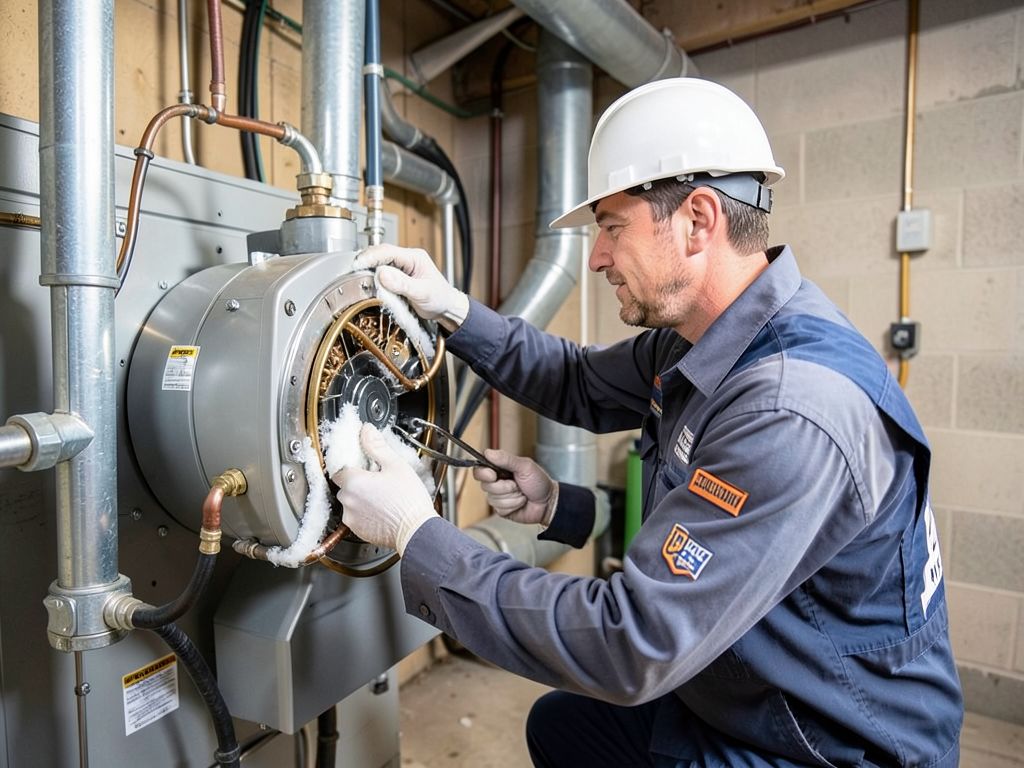
When the evaporator coil inside your AC gets too cold it freezes the moisture in the air. That frost builds up fast. The ice then blocks airflow and makes the problem worse. If you keep running the system you risk serious damage. This is not a problem you can ignore until the weather cools down.. Read more about Protecting Your HVAC System from Drywall Dust During a Wauwatosa Home Remodel.
What Happens When Ice Forms on Your AC
Your air conditioner moves heat from inside your home to the outside. It does this by blowing warm indoor air across a cold evaporator coil. If something stops enough air from reaching that coil the refrigerant inside gets colder than it should. When that happens water vapor in the air freezes on contact. Over time the ice grows until it covers the coil and sometimes the copper lines running to the outdoor unit.. Read more about How to Keep Your HVAC System Running Smoothly When You Own Multiple Pets in Tippecanoe.
Ice on the outside unit does not mean the problem is there. The real issue is almost always inside near the evaporator coil. In Shorewood homes the coil is often in a basement or utility closet. You might notice weak airflow from your vents before you see any ice. By the time ice is visible the system has already been struggling for hours.
Why Milwaukee Summers Make This Worse
Milwaukee’s summer climate stacks the deck against your AC. July and August bring dew points in the 60s and 70s. That means the air holds a lot of moisture. When your AC runs constantly to keep up with the heat that moisture turns to frost on a struggling coil. Add in cottonwood seeds and grass pollen that clog filters faster than in drier climates and you have a perfect recipe for freeze-ups.. Read more about Why a High Efficiency Air Filter Might Actually Be Damaging Your Greenfield HVAC System.
Older Shorewood homes with original ductwork also have more resistance to airflow. If the ducts are leaky or undersized the blower motor cannot move enough air across the coil. That restriction is enough to start the freezing cycle. Even if your system is newer the high humidity can still push it past its limits.
Immediate Steps to Take When You See Ice
Turn the thermostat to OFF. Do not just raise the temperature. You need the compressor to stop completely. Switch the fan setting to ON so the indoor blower keeps running. This moves warmer room air across the coil and speeds up thawing. Keep all vents open and remove anything blocking them.
Check your air filter. If it is dirty replace it. A clogged filter is the most common cause of restricted airflow. Let the ice melt completely before you try running the AC again. This can take anywhere from two hours to more than a day depending on how much ice built up. Do not try to chip the ice off. That can damage the coil fins.
While the system thaws look for water around the indoor unit. Ice that melts can overflow the drain pan and damage floors or ceilings. Put down towels or a shallow pan to catch the water. If you see water damage you may need to call for help before the system is even repaired. EPA guide on air duct cleaning.
Five Common Causes of AC Freeze-Ups
- Clogged air filter – A filter loaded with dust and pollen stops enough air from reaching the coil. In Shorewood’s pollen season this can happen in less than a month.
- Low refrigerant – A leak in the refrigerant lines makes the coil too cold. The system cannot absorb heat properly and ice forms. This requires a professional to test and recharge.
- Faulty blower motor – If the motor runs slow or stops the coil loses its heat exchange. Ice builds up fast without steady airflow.
- Closed or blocked vents – Shutting vents in unused rooms might seem efficient but it increases pressure in the ducts and reduces coil airflow.
- Dirty evaporator coil – Dust and grime on the coil act like insulation. The refrigerant gets too cold and condensation freezes.
DIY Checks You Can Do Safely
Replace the air filter with a new one rated MERV 8 to MERV 11. Higher MERV ratings can actually restrict airflow in older systems. Check that all supply and return vents are open and not blocked by furniture or curtains. Make sure the thermostat is set to COOL and not stuck in a delay mode.
Listen for the outdoor fan. If it is not spinning when the thermostat calls for cooling there may be an electrical issue. Also check for ice on the larger copper line near the outdoor unit. That line should be cool but not frosty. If you see frost there the problem is real and needs professional attention.
Do not try to open the indoor coil cabinet or handle refrigerant lines. Those are sealed systems. Only a licensed HVAC technician can legally recharge refrigerant or test for leaks in Wisconsin.
When to Call a Professional
Call for service if the filter is clean and the ice returns after thawing. Also call if you hear clicking or hissing sounds from the outdoor unit. Those can signal a failing capacitor or a refrigerant leak. If your system is over ten years old and freezing repeatedly it may be time to consider replacement before a costly compressor failure happens. AC Service Germantown.
Compressor damage is the biggest risk of running a frozen unit. The compressor is the most expensive part of your AC. If it locks up from lack of lubrication or overheating you could be looking at a repair bill that rivals the cost of a new system. In older units the repair often does not make sense.
The Cost of Ignoring a Frozen AC
Running a frozen system can destroy the compressor in hours. Compressors cost between $1,500 and $2,500 to replace. If the system is out of warranty you may be better off replacing the whole outdoor unit. Water from melting ice can also damage drywall, insulation, and electrical components near the indoor coil.
Energy bills spike when an AC runs with frozen coils. The system works harder but moves less heat. You might see your July electric bill jump by 30 percent or more. In a Milwaukee summer that extra cost adds up fast. Fixing the root cause often pays for itself in a single cooling season.
Preventing Future Freeze-Ups
Schedule a professional tune-up every spring before the heat hits. A technician can check refrigerant charge, test the blower motor, and clean the evaporator coil. In Shorewood’s climate it makes sense to replace filters every one to two months during peak cooling season instead of every three.
Consider a whole-house dehumidifier if your home feels clammy even when the AC runs. Reducing indoor humidity lets your AC run at a warmer coil temperature without freezing. Keep the area around the outdoor unit clear of plants and debris. Good airflow across the condenser coil helps the system reject heat efficiently.
If your AC is over twelve years old and freezing repeatedly it may have lost efficiency. Modern units use less energy and handle humidity better. A new system can cut cooling costs by 20 to 40 percent while eliminating freeze-up problems.
Comparing Freeze-Up Causes and Solutions
| Cause | Symptoms | DIY Fix? | Professional Needed? |
|---|---|---|---|
| Clogged filter | Weak airflow, dirty filter | Yes – replace filter | No |
| Low refrigerant | Warm air, hissing sound, ice on lines | No | Yes – leak test and recharge |
| Faulty blower motor | No airflow, fan not spinning | No | Yes – motor replacement |
| Closed vents | Uneven cooling, high pressure | Yes – open all vents | No |
| Dirty coil | Ice on coil, poor cooling | No | Yes – coil cleaning |
Quick Reference: Thawing and Restarting Your AC
| Step | Action | Time Needed |
|---|---|---|
| 1 | Turn thermostat to OFF | Immediate |
| 2 | Set fan to ON | Immediate |
| 3 | Replace filter if dirty | 5 minutes |
| 4 | Let ice melt completely | 2 to 24 hours |
| 5 | Check for water leaks | 5 minutes |
| 6 | Restart system on COOL | Immediate |
Frequently Asked Questions
Can I still use my AC if it has ice on it?
No. Running a frozen AC can destroy the compressor. Turn it off and let it thaw completely before restarting.
How long does it take for a frozen AC to thaw?
Thawing can take anywhere from two hours to more than a day depending on how much ice built up. Keep the fan running to speed the process.
Is a frozen AC an emergency?
It is not a safety emergency but it can become a costly repair emergency if you keep running it. Turn it off and call for service if the problem returns.
Why does my AC freeze up again after I changed the filter?
A clean filter solves many cases but not all. Low refrigerant, a failing blower motor, or a dirty coil can still cause freezing. Those need professional diagnosis.
Should I try to remove the ice myself?
No. Chipping at ice can bend the coil fins and cause refrigerant leaks. Let it melt naturally with the fan running.
How can I prevent my AC from freezing in the future?
Replace filters every one to two months during summer. Schedule annual maintenance. Keep vents open and clear. Consider a dehumidifier if your home feels damp.
Act Now to Protect Your AC and Your Comfort
Ice on your air conditioner is not a mystery. It is a warning sign that something is blocking the cooling process. In Shorewood’s humid summers that warning can turn into a major repair if you ignore it. Turn off your system now. Let it thaw completely. Check the filter. If the problem comes back you need a professional to find the real cause before you lose the entire unit.
Elite Heating & Cooling Milwaukee serves Shorewood and all of Milwaukee County with fast emergency service. Our NATE-certified technicians can diagnose and fix freeze-ups the same day. Call us at (414) 375-7888 for 24/7 emergency AC repair. Do not let a simple fix turn into a costly replacement. Call now and keep your home cool all summer long.
Learn more about our AC maintenance services in nearby West Allis
See how heat pumps can prevent future cooling problems
Improve airflow with professional duct cleaning For more information, visit Department of Energy air conditioning guide.
You may also find this helpful. The Right Way to Shut Down Your Furnace and Prep Your AC for a Mequon Spring.
{
“@context”: “https://schema.org”,
“@type”: “BlogPosting”,
“headline”: “Why Your Shorewood AC Is Actually Covered in Ice During a Heatwave”,
“description”: “Is your Shorewood AC frozen solid during a summer heatwave? Learn why this happens, how to thaw it safely, and when to call a Milwaukee HVAC expert.”,
“wordCount”: 1779,
“datePublished”: “2026-04-26T05:26:00.000Z”,
“dateModified”: “2026-04-26T05:26:00.000Z”,
“inLanguage”: “en-US”,
“mainEntityOfPage”: {
“@type”: “WebPage”,
“@id”: “https://eliteheatingandcoolingmilwaukee.com”
},
“publisher”: {
“@type”: “LocalBusiness”,
“name”: “Elite Heating and Cooling Milwaukee”,
“url”: “https://eliteheatingandcoolingmilwaukee.com”
},
“author”: {
“@type”: “Organization”,
“name”: “Elite Heating and Cooling Milwaukee”,
“url”: “https://eliteheatingandcoolingmilwaukee.com”
},
“image”: {
“@type”: “ImageObject”,
“url”: “https://eliteheatingandcoolingmilwaukee.com/wp-content/uploads/2026/03/why-your-shorewood-ac-is-actually-covered-in-ice-d-1.png”
}
}
{
“@context”: “https://schema.org”,
“@type”: “HVACBusiness”,
“name”: “Elite Heating and Cooling Milwaukee”,
“url”: “https://eliteheatingandcoolingmilwaukee.com”,
“address”: {
“@type”: “PostalAddress”,
“addressLocality”: “Milwaukee”
},
“areaServed”: {
“@type”: “City”,
“name”: “Milwaukee”
}
}
{
“@context”: “https://schema.org”,
“@type”: “FAQPage”,
“mainEntity”: [
{
“@type”: “Question”,
“name”: “Can I still use my AC if it has ice on it?”,
“acceptedAnswer”: {
“@type”: “Answer”,
“text”: “No. Running a frozen AC can destroy the compressor. Turn it off and let it thaw completely before restarting.”
}
},
{
“@type”: “Question”,
“name”: “How long does it take for a frozen AC to thaw?”,
“acceptedAnswer”: {
“@type”: “Answer”,
“text”: “Thawing can take anywhere from two hours to more than a day depending on how much ice built up. Keep the fan running to speed the process.”
}
},
{
“@type”: “Question”,
“name”: “Is a frozen AC an emergency?”,
“acceptedAnswer”: {
“@type”: “Answer”,
“text”: “It is not a safety emergency but it can become a costly repair emergency if you keep running it. Turn it off and call for service if the problem returns.”
}
},
{
“@type”: “Question”,
“name”: “Why does my AC freeze up again after I changed the filter?”,
“acceptedAnswer”: {
“@type”: “Answer”,
“text”: “A clean filter solves many cases but not all. Low refrigerant, a failing blower motor, or a dirty coil can still cause freezing. Those need professional diagnosis.”
}
},
{
“@type”: “Question”,
“name”: “Should I try to remove the ice myself?”,
“acceptedAnswer”: {
“@type”: “Answer”,
“text”: “No. Chipping at ice can bend the coil fins and cause refrigerant leaks. Let it melt naturally with the fan running.”
}
},
{
“@type”: “Question”,
“name”: “How can I prevent my AC from freezing in the future?”,
“acceptedAnswer”: {
“@type”: “Answer”,
“text”: “Replace filters every one to two months during summer. Schedule annual maintenance. Keep vents open and clear. Consider a dehumidifier if your home feels damp.”
}
}
]
}
{
“@context”: “https://schema.org”,
“@type”: “BreadcrumbList”,
“itemListElement”: [
{
“@type”: “ListItem”,
“position”: 1,
“name”: “Home”,
“item”: “https://eliteheatingandcoolingmilwaukee.com”
},
{
“@type”: “ListItem”,
“position”: 2,
“name”: “Blog”,
“item”: “https://eliteheatingandcoolingmilwaukee.com/blog”
},
{
“@type”: “ListItem”,
“position”: 3,
“name”: “Why Your Shorewood AC Is Actually Covered in Ice During a Heatwave”
}
]
}
{
“@context”: “https://schema.org”,
“@type”: “Service”,
“serviceType”: “HVAC”,
“provider”: {
“@type”: “LocalBusiness”,
“name”: “Elite Heating and Cooling Milwaukee”,
“url”: “https://eliteheatingandcoolingmilwaukee.com”
},
“areaServed”: {
“@type”: “City”,
“name”: “Milwaukee”
},
“description”: “Is your Shorewood AC frozen solid during a summer heatwave? Learn why this happens, how to thaw it safely, and when to call a Milwaukee HVAC expert.”
}